

· By Dr. Wellnosh
What Causes Snack Cravings on Diets (and How to Stop Them)
Snack cravings on diets are driven mostly by conditioned cues, irregular meal timing, hormonal shifts, and repeated exposure to hyperpalatable foods — not your body desperately burning through reserves. Research on the extinction process shows that cravings often decrease with consistent, healthier eating patterns over weeks to months. Professor Manabu T. Nakamura at the University of Illinois found that cravings tie more closely to inconsistent meal patterns and learned cues than to actual nutrient deficits.
The short version:
- First, check water intake, time since your last meal, and current stress level — these three factors explain most diet cravings.
- Cravings tend to fade with sustained healthy eating; short-term spikes are normal and expected.
- A planned snack with protein and fiber at regular intervals prevents the physiological dips that make hyperpalatable foods irresistible.
Table of Contents
- How do you tell real hunger from a craving?
- Why does your body signal cravings while dieting?
- What environmental and emotional triggers drive cravings?
- Why do some snacks create cravings that keep coming back?
- Do cravings actually decrease the longer you diet?
- Is this hunger, a habit, or an emotional craving? A quick checklist
- How to manage snack cravings with a plant-based eating plan
- Plant-based snack combos that actually satisfy hunger
- Why snack formulation matters for craving control
- When cravings become a warning sign worth taking seriously
- Key Takeaways
- The craving conversation we’re not having
- Wellnosh protein chips: a snack built for craving control
- Sources and further reading
How do you tell real hunger from a craving?
Hunger is gradual, physical, and non-specific. A craving is sudden, specific (“I need chips right now”), and almost always tied to a cue, emotion, or habit. That distinction shapes everything about how you respond.
Quick checks to run before you eat:
- Has it been 3–4 hours since your last meal? If yes, hunger is more likely.
- Drink 8–12 oz of water and wait 10 minutes. Hydration often resolves what feels like a snack urge.
- Rate your physical hunger on a 1–10 scale. Below 5? Probably a craving.
- Could you eat a plain apple or a handful of edamame right now? If the answer is “not really, I want something specific,” that’s a craving.
Self-test: three questions to ask yourself
- Where do I feel this — in my stomach or in my head?
- Did this urge appear suddenly after a trigger (a smell, an ad, boredom)?
- Can I postpone eating for 20 minutes without distress?
If the urge passes or shifts after 20 minutes, it was almost certainly conditioned, not metabolic.
Why does your body signal cravings while dieting?
Short-term dips in blood glucose, ghrelin and leptin imbalances, and sleep-related hormonal changes all increase vulnerability to snack cravings. These are real physiological forces, not a failure of willpower.
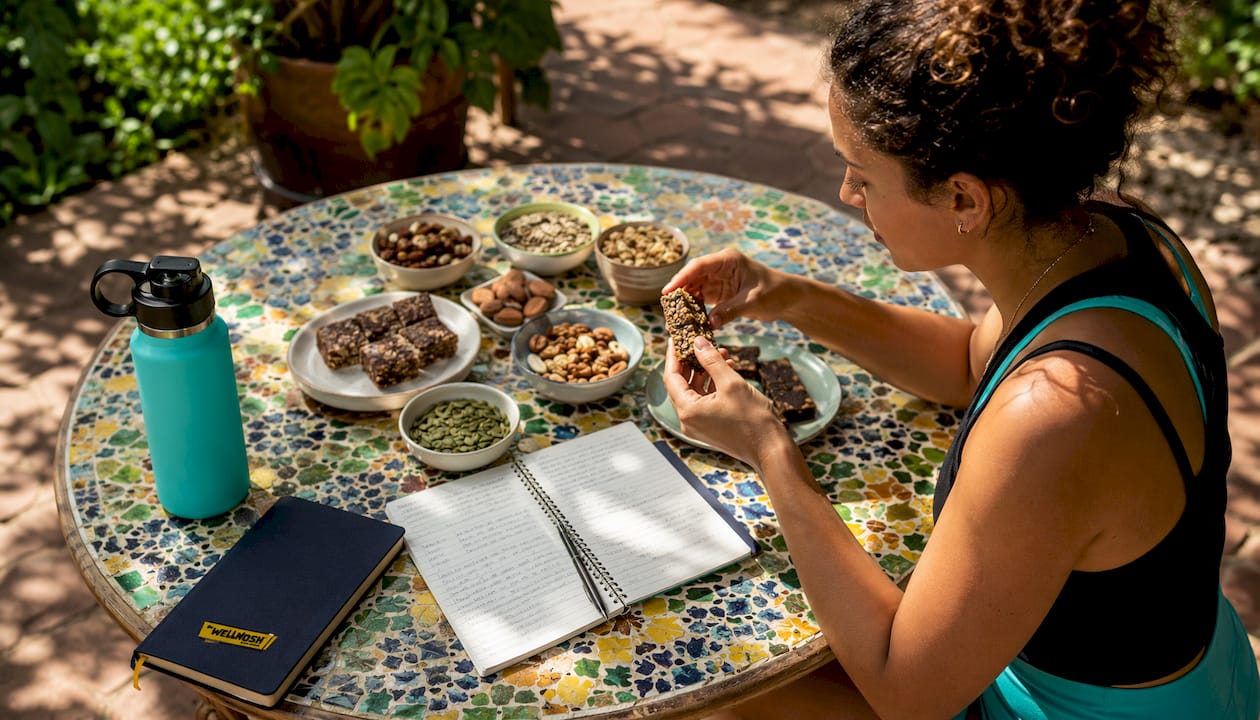
When you eat irregularly or cut calories too sharply, ghrelin (the hunger hormone) rises and leptin (the fullness signal) drops. Sleep deprivation compounds this: it disrupts ghrelin/leptin balance and raises appetite specifically for calorie-dense, sugary foods. Chronic stress adds cortisol to the mix, which pushes the brain toward comfort-food seeking. Micronutrient gaps, particularly magnesium and zinc, can also amplify cravings when dietary variety is low. Hormonal fluctuations during the menstrual cycle or periods of high cortisol output make the reward system more reactive to food cues.
Pro Tip: Pair a plant protein source with fiber at every meal. This combination slows glucose absorption, blunts post-meal dips, and keeps ghrelin suppressed longer than carbohydrates alone.
What environmental and emotional triggers drive cravings?
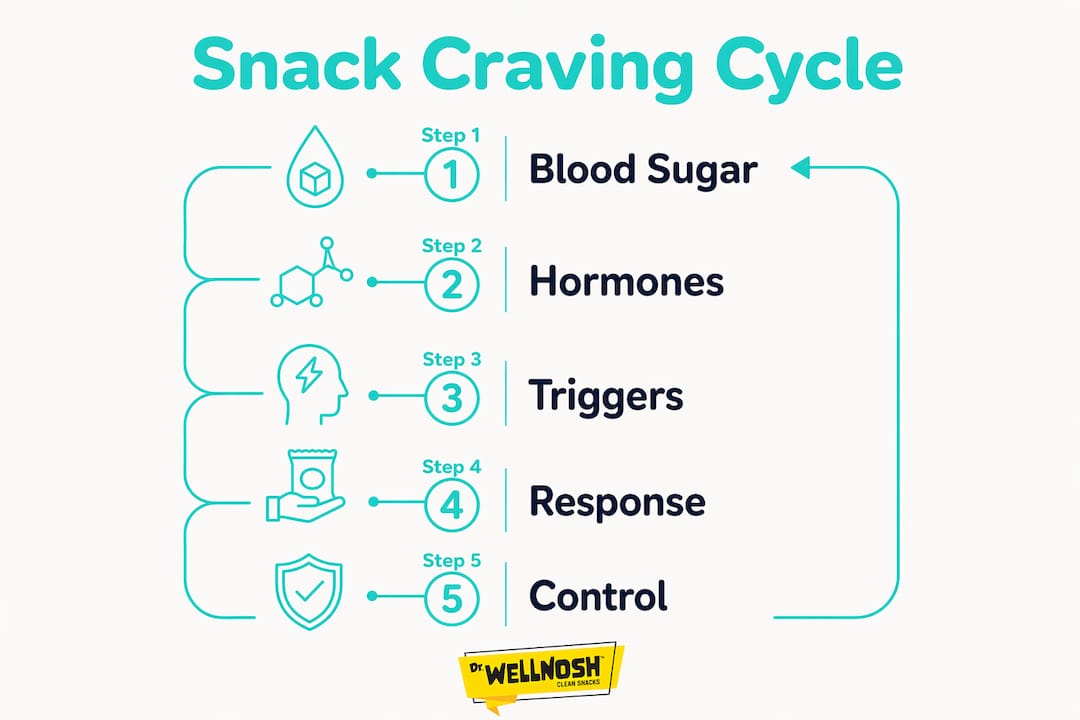
Many cravings are conditioned responses, not hunger signals. Your brain has learned to associate specific cues with eating, and those associations fire automatically.
Common triggers include:
- Time of day — 3 PM hits and your brain expects a snack, regardless of actual hunger.
- Screen time — food advertising and social media food content activate cue-induced cravings.
- Locations — the break room, the couch, the car after work.
- Emotions — stress, boredom, loneliness, and anxiety all push people toward emotional eating as a coping mechanism.
- Social settings — watching others eat, or eating in groups, lowers inhibition.
Modern screen time dramatically increases cue exposure. The average person encounters dozens of food-related stimuli daily through apps, streaming ads, and social feeds, each one a potential trigger for a conditioned craving response.
Why do some snacks create cravings that keep coming back?
Snacks engineered with precise fat, sugar, and salt ratios strongly engage dopamine-linked reward circuits and form persistent cravings that feel almost compulsive. This is not accidental.
Hyperpalatable foods are products formulated to hit the brain’s bliss point — a specific combination of fat, sugar, and salt that maximizes palatability and minimizes satiety. As Harvard’s Nutrition Source explains, these foods hijack reward pathways in ways that minimally processed foods simply do not, making recurring cravings far more likely.
Whole-food snacks with protein and fiber engage the same reward system but produce a slower, more sustained response — satisfaction without the spike-and-crash that sends you back to the bag ten minutes later. For readers exploring minimally processed plant snacks, ingredient simplicity is the clearest signal of lower hyperpalatability.
Do cravings actually decrease the longer you diet?
Yes, and the clinical evidence is clearer than most people expect. Long-term caloric restriction frequently reduces craving frequency and intensity through an extinction process — not by suppressing cravings through willpower, but by decoupling the cue from the reward until the association fades.
The POUNDS LOST trial, one of the largest controlled dietary interventions, found that participants across all four macronutrient conditions reported significant reductions in cravings for high-fat foods, sweets, and carbohydrates over a two-year period. The Illinois inclusion study added an important nuance: dieters who incorporated small portions of craved foods into balanced meals lost more weight and experienced fewer cravings over 12 months than those who used strict elimination.
Short-term spikes in cravings during the first days of a dietary change are normal. The pattern that matters is the trajectory over weeks, not the intensity on day three.
Is this hunger, a habit, or an emotional craving? A quick checklist
Use this three-step check before reaching for a snack. It takes under two minutes.
- Physical signs: Do you feel stomach growling, low energy, or lightheadedness? If yes, eat something nutrient-dense now.
- Timing: Has it been fewer than 2.5 hours since your last meal or planned snack? If yes, the urge is likely habitual or emotional.
- Emotion and context: Are you bored, stressed, anxious, or watching TV? Identify the trigger before acting on the urge.
Pro Tip: Set a 10-minute timer before eating outside a planned meal. Drink water, move briefly, or shift your environment. If the urge is still strong after 10 minutes, eat a protein-and-fiber snack. If it fades, it was a conditioned response.
How to manage snack cravings with a plant-based eating plan
Combine consistent meal timing, protein-and-fiber snacks, sleep hygiene, stress management, and controlled inclusion of craved foods. No single tactic works alone; the combination is what produces lasting craving reduction.
Practical tactics:
- Eat at consistent times daily to stabilize ghrelin and leptin rhythms.
- Plan 1–2 snacks in advance so you never reach a physiological dip unprepared.
- Drink water before every snack decision.
- Practice mindful eating: slow down, remove screens, and check fullness signals.
- Prioritize 7–9 hours of sleep — sleep loss is one of the fastest ways to destabilize appetite hormones.
- Manage stress with movement, breathing, or brief walks rather than food.
- Use inclusion: allow a small portion of a craved food within a balanced meal rather than banning it entirely.
Sample daily snack template:
| Checkpoint | Timing | Protein target | Fiber target | Example |
|---|---|---|---|---|
| Morning snack | 10 AM | 10–15g | 3–5g | Fava protein chips + raw veggies |
| Afternoon snack | 3 PM | 10–15g | 3–5g | Edamame + hummus or nut butter + apple |
Keeping nutrient-dense snacks at these two checkpoints prevents the blood-glucose dips that make hyperpalatable foods feel irresistible by 4 PM.
Plant-based snack combos that actually satisfy hunger
Choose combos that pair plant protein with fiber and a small amount of healthy fat. That trio prolongs satiety, slows glucose absorption, and reduces the reward-circuit pull of processed snacks.
Quick snack ideas:
- Hummus (4 tbsp) + sliced cucumber and bell pepper
- Almond or peanut butter (2 tbsp) + apple slices
- Edamame (1 cup, shelled) + sea salt
- Roasted fava bean protein chips + a piece of fruit
- Unsweetened soy or pea-protein yogurt + pumpkin seeds + berries
Pre-work combo (7–8 AM): Pea-protein yogurt with 1 tbsp chia seeds and a handful of blueberries. Target: 12–15g protein, 5g fiber. Keeps hunger stable through a mid-morning meeting without a glucose crash.
Mid-afternoon combo (3 PM): Fava bean protein chips with a small handful of walnuts. Target: 15g protein, 3–4g fiber. Addresses the conditioned 3 PM craving window with a satisfying crunch that protein-forward grab-and-go options have made increasingly accessible.
Why snack formulation matters for craving control
Snacks built with concentrated plant protein, fiber, and short ingredient lists blunt appetite swings more effectively than ultra-processed chips with minimal protein. The mechanism is straightforward: protein and fiber slow gastric emptying, sustain satiety hormones, and reduce the reward-circuit spike that drives you back for more.
Wellnosh protein chips are formulated around this principle. Each bag delivers 15g of fava bean protein, is cooked in avocado oil (no seed oils), contains no added sugar, and carries a short, pronounceable ingredient list. The chips are non-GMO, gluten-free, and low-carb, making them a practical fit for plant-based craving-management plans. Flavors include Nacho Cheese, Celtic Salt, Chipotle Barbecue, and Cinnamon.
Pro Tip: When reading a snack label, look for at least 8–10g of protein per serving, 2g or more of fiber, and no added sugar or artificial additives in the first five ingredients. If you can’t pronounce most of the list, the product is likely hyperpalatable by design.
For more on replacing sugary snacks with protein-forward options, label literacy is the fastest shortcut.
When cravings become a warning sign worth taking seriously
Persistent, uncontrollable cravings that cause shame, trigger bingeing, or interfere with daily life are not a diet problem. They warrant professional evaluation.
Warning signs to watch for:
- Cravings that feel completely out of your control, regardless of meal timing or sleep
- Eating past fullness repeatedly and feeling distress afterward
- Rapid, unexplained weight changes alongside intense food preoccupation
- Using food consistently to manage anxiety, depression, or emotional pain
If these patterns sound familiar, a registered dietitian is the right first call. A primary care physician can rule out medical contributors — thyroid dysfunction, certain medications (corticosteroids, antidepressants, antihistamines), or pregnancy-related hormonal changes all affect appetite in ways that dietary tactics alone cannot address. A mental-health specialist is appropriate when emotional eating is the primary driver.
This article is general information, not medical or nutritional advice. Confirm any health concern with a qualified professional for your specific situation.
Key Takeaways
Snack cravings on diets are mostly conditioned, cue-driven responses that weaken over time when you stabilize meals, add plant protein and fiber, and use inclusion rather than elimination.
| Point | Details |
|---|---|
| Cravings are mostly conditioned | Most diet cravings reflect learned cues and meal-timing gaps, not metabolic starvation. |
| Extinction works over time | Consistent healthy eating reduces craving frequency and intensity across weeks to months, per the POUNDS LOST trial. |
| Protein and fiber are the lever | Pairing moderate amounts of plant protein with fiber at planned snack checkpoints helps prevent the dips that trigger impulsive eating. |
| Inclusion beats elimination | Eating small portions of craved foods within balanced meals reduces cravings more effectively than banning them entirely. |
| Wellnosh fits the plan | Wellnosh chips deliver a substantial amount of fava bean protein per bag with no added sugar, making them a practical craving-management snack. |
The craving conversation we’re not having
The standard advice — “just drink water and distract yourself” — is not wrong, but it misses the deeper point. Cravings are not a character flaw or a sign your diet is failing. They are a predictable output of how the brain learns. Every time you ate chips while watching TV, your brain filed that pairing. The TV is now a craving trigger whether you are hungry or not.
What this means practically: the goal is not to white-knuckle through cravings. It is to systematically decouple the cue from the response. That happens through consistent meal timing, planned snacks that actually satisfy, and occasional inclusion of craved foods in a structured way. The extinction process is real, and it works on a timeline of weeks, not days.
The plant-based angle matters here too. Whole-food, protein-forward snacks do not just fill you up — they change what your reward system expects. Swap engineered hyperpalatable chips for fava bean protein chips with a short ingredient list often enough, and the old craving starts to lose its grip. Not because you suppressed it, but because the association rewired.
Wellnosh protein chips: a snack built for craving control
If the craving-management plan above sounds right but you need a practical starting point, Wellnosh protein chips are worth trying. Each bag packs 15g of fava bean protein, uses avocado oil instead of seed oils, and contains no added sugar or artificial additives — the exact profile that supports satiety without triggering the reward-spike cycle.
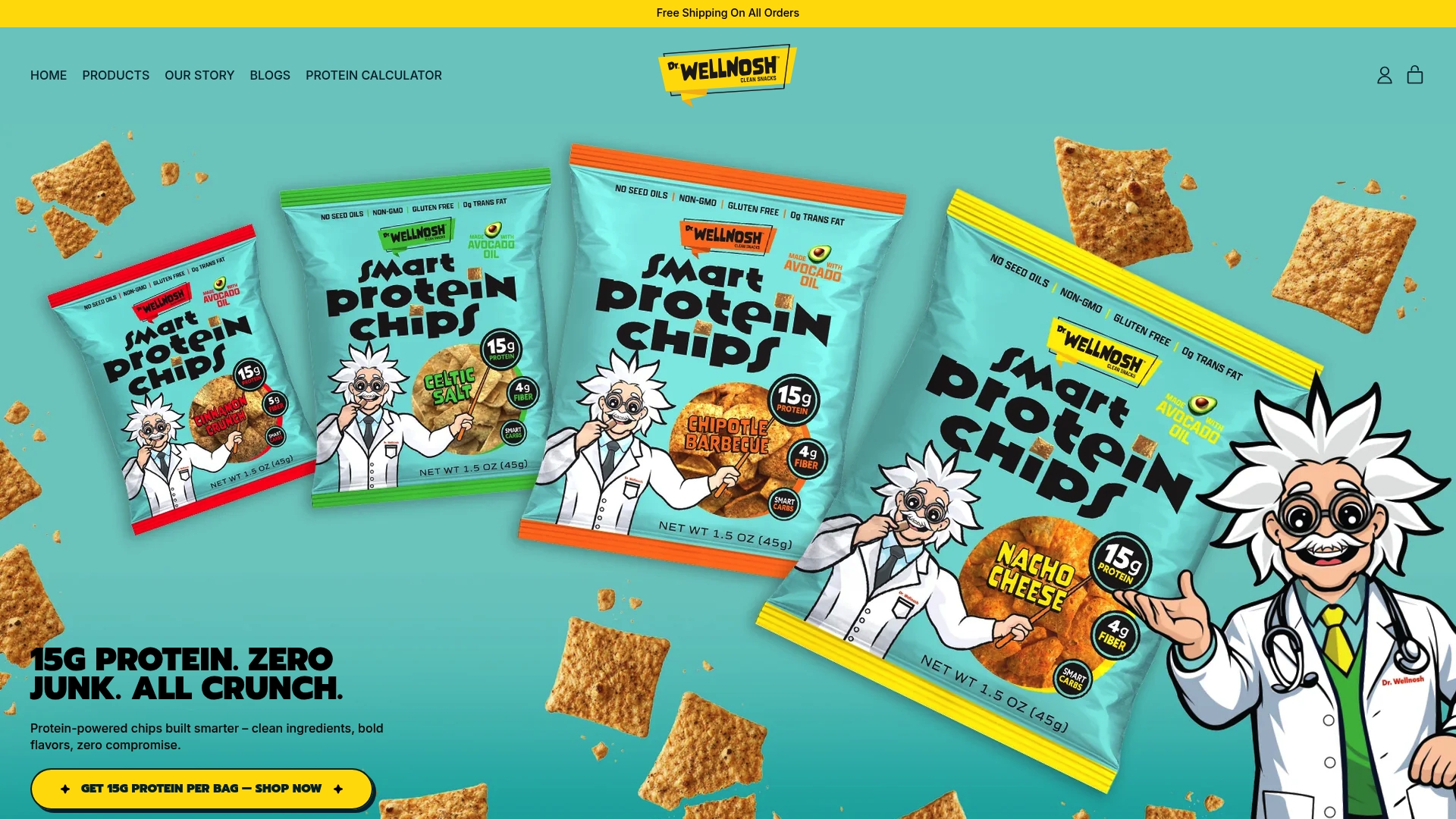
The Chipotle Barbecue flavor is available now and fits the mid-afternoon snack checkpoint perfectly. If it shows as sold out, the Chipotle Barbecue out-of-stock page lists restock updates and alternative options. The Cinnamon flavor is currently out of stock as well, but worth checking back for. Browse the full lineup at wellnosh.com and pick the flavor that fits your next planned snack checkpoint.
Sources and further reading
| Source | Topic |
|---|---|
| PMC — Psychology of Food Cravings | Extinction process, conditioned cravings, deprivation effects |
| POUNDS LOST trial in body text | Macronutrient composition and craving changes over two years |
| Europe PMC — Frequency of Consuming Foods and Cravings | Conditioning model; frequency of consumption and craving change |
| Illinois FSHN — Inclusion Strategy | Professor Nakamura; inclusion strategy and weight loss |
| Harvard Nutrition Source — Cravings | Hyperpalatable foods and reward pathways |
| Kaiser Permanente — Food Cravings | Sleep, stress, hormones, and appetite |
| Scripps Health — 7 Tips to Reduce Cravings | Hydration, protein-fiber snacks, behavioral tactics |
| CHEAR/UCSD — Outsmart Food Cravings | Meal timing, mindful eating, lifestyle change strategies |


