

· By Dr. Wellnosh
Build Your Clean Snack List for Groceries in 2026
Your grocery-ready clean snack list: raw almonds, pumpkin seeds, roasted chickpeas, natural almond butter, edamame, single-serve hummus, frozen fruit, plant-based protein chips (like Wellnosh), and two fresh dipping vegetables. Every snack on this list hits the same formula: protein + fiber + healthy fat, targeting a moderate amount of protein per snack to keep energy steady and cravings quiet.
The 85/15 rule is your foundation. Aim to make around 85% of your snacks whole-food-based and allow flexibility for the remaining 15%. That’s what sustainable clean eating actually looks like.
Skipping the 15% is where most people burn out. Build the list around what you’ll actually eat, not what sounds perfect on paper.
Table of Contents
- How do you build a personalized clean snack grocery list?
- What ready-to-buy items qualify as clean, high-protein snacks?
- What should you look for on a snack label?
- How do you prep clean snacks to avoid waste?
- Sample 1-week grocery list and 20-minute prep plan
- Why does this grocery-first approach actually work?
- Key Takeaways
- The real reason most clean snack lists fail
- Wellnosh fits your clean snack list right out of the bag
- Sources and further reading
How do you build a personalized clean snack grocery list?
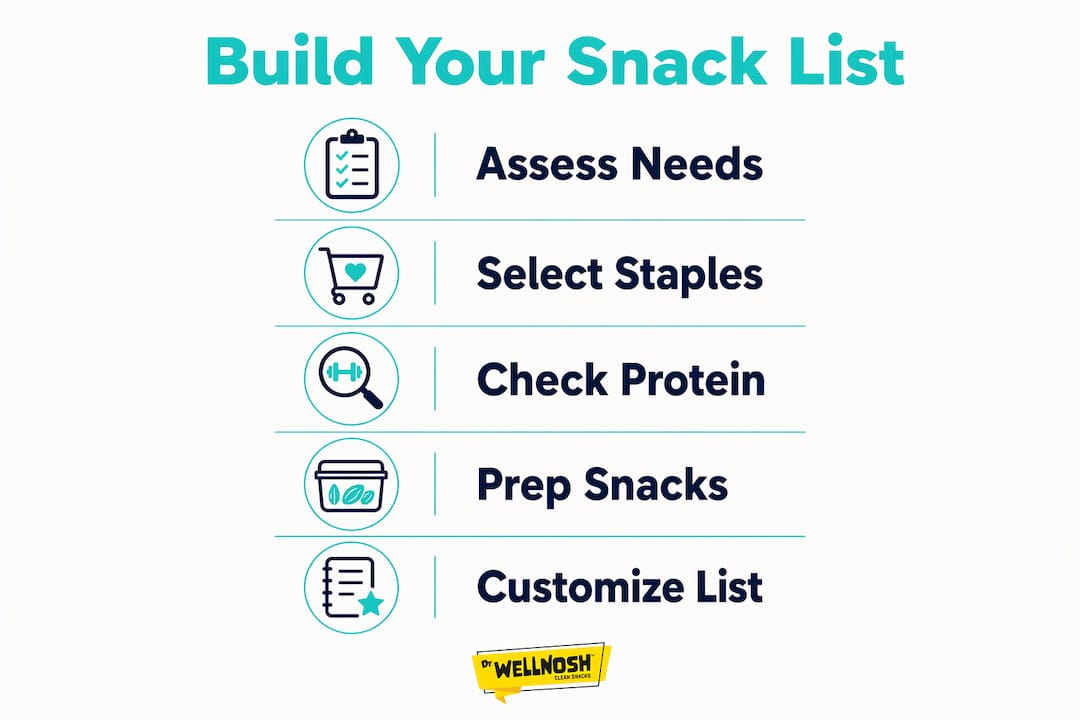
Follow these five steps to turn your pantry status and taste preferences into a 10-item list you can reuse every week.
- Take a 2-minute pantry inventory. Check what’s already open. Nuts going stale, a half-used jar of nut butter, frozen edamame you forgot about — these count. Don’t buy duplicates.
- Pick 3 shelf-stable staples. Choose from: raw almonds, cashews, pumpkin seeds, roasted chickpeas, popcorn kernels, or natural nut butter. These are your budget snack foundation — buy in bulk when possible.
- Pick 3 fridge or frozen items. Shelled edamame, single-serve hummus cups, Greek-style plant yogurt, or frozen fruit. These rotate weekly based on what’s fresh.
- Pick 2 dips or toppers. Hummus plus a yogurt-based dip covers both savory and creamy. Rotate these to keep raw vegetables interesting.
- Pick 2 ready-to-eat options. Think single-serve nut packs, roasted edamame pouches, or a bag of plant-based protein chips. These are your grab-and-go insurance when prep time runs out.
For plant-based needs: swap dairy yogurt for coconut or oat-based alternatives. For nut-free needs: replace almonds and nut butters with pumpkin seeds, sunflower seed butter, or roasted chickpeas. For low-carb: skip the frozen fruit and lean into seeds, edamame, and protein chips.
Pro Tip: Check protein grams per serving on the label before you buy. Aim for at least 8 g per snack serving. If a single item only delivers 3–4 g, pair it with something else from your list to hit the target.
What ready-to-buy items qualify as clean, high-protein snacks?
Shelf-stable staples
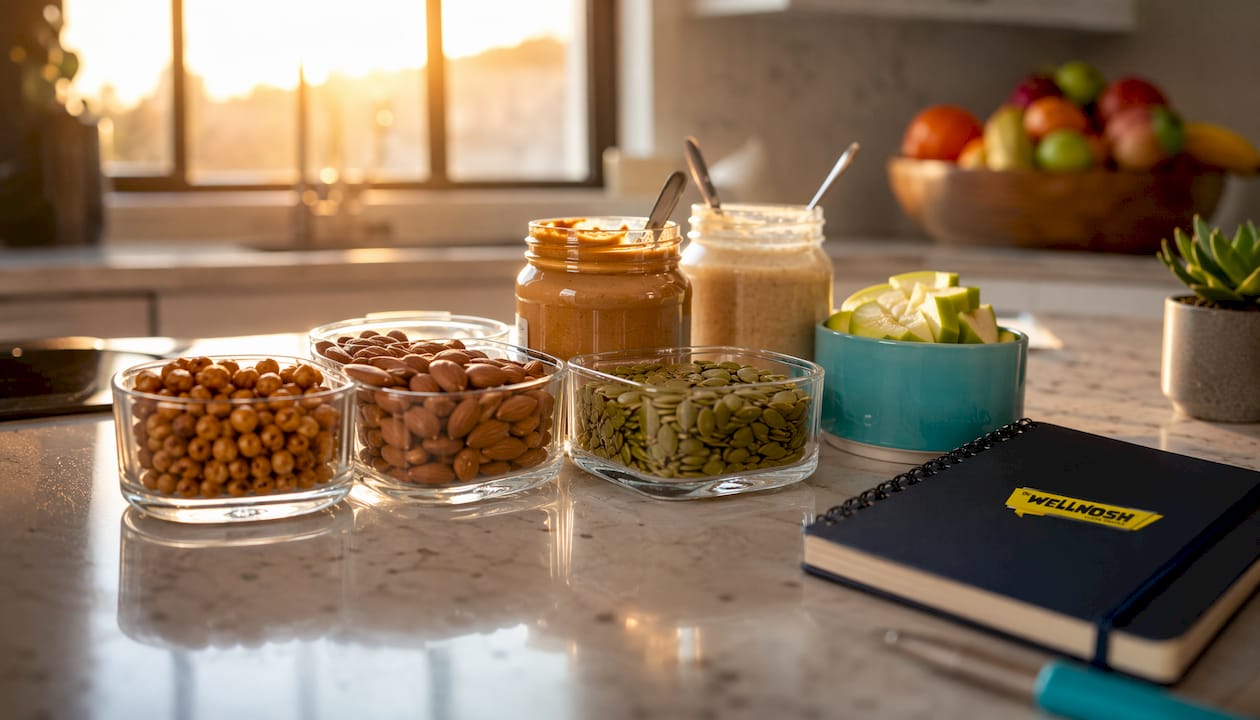
Raw almonds, pumpkin seeds, roasted chickpeas, and natural almond or peanut butter are solid anchors for any clean eating grocery list, offering good sources of protein and healthy fats.
Shelf-stable pouches of marinated vegetables and olives are another underrated option — they’re portable, require zero prep, and fit cleanly into the 85/15 framework.
Fridge and frozen picks
Shelled edamame is a high-protein plant option in the freezer aisle. Single-serve hummus cups work best paired with raw carrots or cucumber. Greek-style plant yogurt varies widely by brand, so check the label for protein content.
Ready-to-eat options
Wellnosh plant-based protein chips deliver a significant amount of fava bean protein in a single serving, cooked in avocado oil, with no seed oils, no artificial additives, no added sugar, and a fully pronounceable ingredient list. Non-GMO and gluten-free.
That protein count puts one bag of Wellnosh on par with two eggs — without any prep. Flavors include Nacho Cheese, Chipotle Barbecue, Cinnamon, and Celtic Salt. It’s the kind of high-protein clean snack that earns a permanent spot in the ready-to-eat slot on your weekly list.
What should you look for on a snack label?
Green flags
- Short ingredient list (5–8 ingredients is a good target)
- Pronounceable ingredients you’d find in a kitchen
- At least 6–8 g of protein per serving
- 2 g or more of fiber per serving
- Single-digit grams of added sugar (or zero)
- Non-GMO and gluten-free certifications when relevant
- Healthy fats from avocado oil, olive oil, or nuts — not refined seed oils
Red flags
- Canola, sunflower, or safflower oil listed as a primary ingredient
- Dextrose or maltodextrin near the top of the ingredient list
- “Natural flavors” as the dominant flavoring agent
- Artificial sweeteners (sucralose, acesulfame potassium) in a snack marketed as “clean”
- More than 10 g of added sugar per serving
Pro Tip: Flip to the ingredient list before you look at the front of the package. Front-of-pack claims like “natural” and “wholesome” are marketing. The ingredient list is the truth.
For a deeper breakdown of which additives to skip, the ingredients to avoid guide from Wellnosh covers the most common offenders by category.
How do you prep clean snacks to avoid waste?
The single most effective habit is prepping immediately after you get home from the store. Wash, chop, portion, and label everything before it goes into the fridge or pantry. That one step, according to nutrition consultants, is what separates people who actually eat their healthy groceries from people who throw them out on Sunday.
Here’s a practical post-shop routine that takes about 20 minutes:
- Wash and chop vegetables (carrots, celery, cucumber) and store in clear containers at eye level in the fridge
- Portion nuts and seeds into single-serve bags or small jars right away — pre-portioning prevents overconsumption of calorie-dense healthy fats
- Prep two dips (hummus plus a yogurt-based dip) and store in small jars; rotating two dips keeps raw vegetables appealing all week
- Label frozen items with the date so you rotate them properly
- Move shelf-stable bulk items (nuts, seeds, popcorn kernels) into airtight containers to preserve freshness and prevent overbuying
Keep a grab-and-go basket at eye level in your pantry with pre-portioned snacks. When the healthy option is the easiest option, you take it.
Sample 1-week grocery list and 20-minute prep plan
| Category | Item | Quantity | Protein per serving |
|---|---|---|---|
| Pantry | Raw almonds | 1 lb bag | ~6 g / oz |
| Pantry | Roasted chickpeas | 2 bags | ~6 g / ½ cup |
| Pantry | Natural almond butter | 1 jar | — |
| Pantry | Popcorn kernels | 1 bag | ~3 g / 3 cups popped |
| Fridge | Single-serve hummus cups | 6-pack | ~2–3 g each |
| Fridge | Carrots + celery | 1 bag each | ~1–2 g each |
| Fridge | Greek-style plant yogurt | 4 cups | ~8–10 g each |
| Frozen | Shelled edamame | 1 lb bag | — |
| Frozen | Mixed frozen fruit | 1 bag | ~1–2 g / cup |
| Ready-to-eat | Wellnosh protein chips | 2–3 bags | 15 g / bag |
20-minute timed prep plan:
- Minutes 1–5: Wash and chop carrots and celery; store in clear containers in the fridge.
- Minutes 6–10: Portion almonds and chickpeas into single-serve bags (roughly 1 oz each).
- Minutes 11–15: Set up two dip jars — hummus in one, plant yogurt mixed with a pinch of sea salt in the other.
- Minutes 16–20: Move bulk nuts and popcorn kernels into airtight containers; label frozen edamame with today’s date.
Pair prepped snacks with your meals throughout the week so nothing sits forgotten at the back of the fridge.
Why does this grocery-first approach actually work?
Pairing protein, fiber, and fat in every snack slows digestion and keeps blood sugar stable, which is what prevents the 3 PM energy crash. Clean eating framed as prioritizing whole, unprocessed foods — rather than eliminating entire food groups — reduces energy swings and supports weight management without the burnout that comes from strict restriction.
The 85/15 approach works because it removes the all-or-nothing pressure. When you know 15% of your snacks can be flexible, you stop treating one imperfect choice as a reason to abandon the whole list.
A few habits that reinforce the system:
- Keep healthy options visible — eye-level in the fridge, front of the pantry
- Rotate two dips weekly so vegetables stay interesting
- Buy shelf-stable staples in bulk to lower cost per serving
- Calculate cost per serving on nuts and seeds before buying; bulk bins at stores like Whole Foods or Sprouts often beat packaged options by 30–40%
For occasional treats that fit the 15% window, a gluten-free candy guide can help you find options that don’t derail the list.
Key Takeaways
A clean, plant-based snack list works when every snack hits protein + fiber + fat, you prep immediately after shopping, and you follow the 85/15 rule to stay consistent without burning out.
| Point | Details |
|---|---|
| Target at least 8 g protein per snack | Check labels and pair items to ensure adequate protein intake, aiming for at least 8 g per snack serving. |
| Prep right after shopping | Wash, chop, and portion immediately — this one habit prevents waste and impulse snacking. |
| Keep two dips in the fridge | Rotating hummus and a yogurt-based dip makes raw vegetables worth eating all week. |
| Buy shelf-stable staples in bulk | Nuts, seeds, and popcorn kernels lower cost per serving and reduce weekly shopping trips. |
| Wellnosh as your ready-to-eat anchor | One bag delivers 15 g fava protein with clean ingredients — no prep, no compromise. |
The real reason most clean snack lists fail
Consistency beats perfection every time. The lists that fall apart aren’t the ones with the wrong foods — they’re the ones built around an idealized version of how much time and energy you’ll have on a Tuesday night.
If you have a nut allergy, swap almonds and almond butter for pumpkin seeds and sunflower seed butter. The protein numbers are comparable, and the prep routine is identical. If you’re calorie tracking, the portioning step matters more than the specific items — pre-measured bags make logging fast and accurate. The clean snack planning guide from Wellnosh walks through several more adaptation scenarios if your situation is more specific.
The list in this article is a starting point, not a prescription. Swap one item per week until it fits your actual life.
Wellnosh fits your clean snack list right out of the bag
If you want a ready-to-eat option that genuinely hits the protein target without any prep, Wellnosh plant-based protein chips are the most direct swap for the “ready-to-eat” slot on your weekly list. Each bag delivers 15 g of fava bean protein, uses avocado oil instead of seed oils, and contains no added sugar, no artificial additives, and nothing you can’t pronounce.
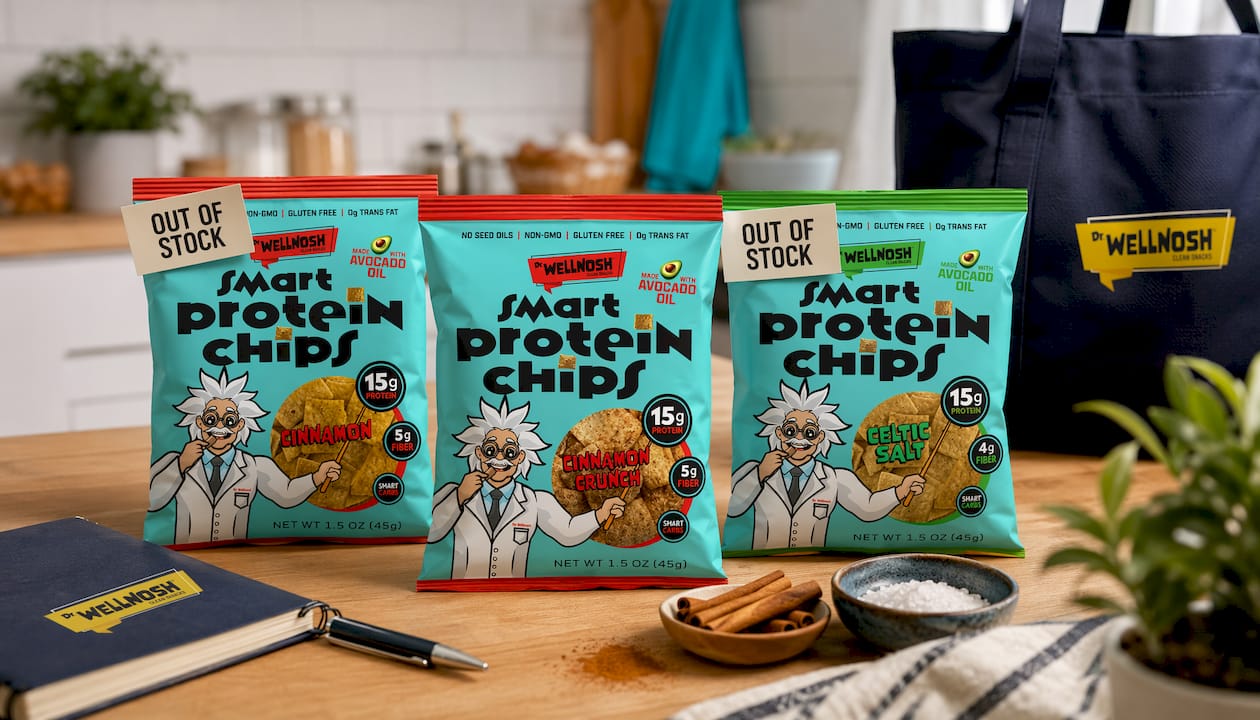
Flavors include Nacho Cheese, Chipotle Barbecue, and Cinnamon. The Celtic Salt flavor is currently out of stock, and the original Cinnamon listing shows the same — check the product pages for current availability before ordering. Pair one bag with a handful of raw vegetables and a dip from your fridge rotation, and you’ve hit the 8–15 g protein target with zero cooking. Visit wellnosh.com to check current stock and pick your flavor.
Sources and further reading
- Clean Eating Shopping List — Clean Plate Mama — 85/15 approach and sustainable habit framing
- How to Build a Clean Eating Grocery List — Mealprepify — whole-food prioritization and energy management
- 25 Clean Eating Snacks — Chomps Blog — prep-ahead research and portion-control guidance
- How to Build a Healthy Snack Pantry on a Budget — Nature’s Turn — shelf-stable staples and cost-per-serving strategy
- Healthy Snack List: High-Protein, Low-Sugar Picks — Lemon8 — dip-rotation and snack satisfaction tactics
- Kaiser Permanente Clean Eating Grocery List (PDF) — comprehensive reference for whole-food categories
- Wellnosh — Our Story — product claims: 15 g fava protein, avocado oil, non-GMO, gluten-free, no added sugar


