

· By Dr. Wellnosh
Why High Carb Snacks Stall Fat Loss: The Real Reason
High carb snacks stall fat loss by triggering insulin spikes that shut down your body’s fat-burning machinery at the cellular level. The culprit is a specific enzyme called hormone-sensitive lipase (HSL), which controls whether your fat cells release stored fat into the bloodstream. Elevated insulin suppresses HSL directly, locking fat inside your cells regardless of how few calories you eat overall. This is why high carb snacks stall fat loss even when your daily totals look reasonable on paper. Understanding this mechanism changes how you think about every snack decision you make.
Why high carb snacks stall fat loss through insulin
Insulin is your body’s primary storage hormone. When you eat carbohydrates, your blood glucose rises, and your pancreas releases insulin to move that glucose into cells for energy or storage. That process works fine in isolation. The problem is what insulin does to fat metabolism at the same time.
Elevated insulin inhibits HSL, the enzyme your fat cells need to break down stored triglycerides and release fatty acids into the bloodstream. No HSL activity means no lipolysis. No lipolysis means no fat burning, full stop. The effect is not subtle or gradual. Insulin suppresses HSL rapidly, and fat mobilization stops within minutes of a significant carb intake.
The second mechanism is de novo lipogenesis. When your glycogen stores in the liver and muscles are already full, excess glucose has nowhere to go except conversion into new fat. Your body literally manufactures fat from the carbohydrates you just ate. This happens most often with frequent snacking because you never fully deplete glycogen between eating occasions.
Think of your body as a warehouse with two doors. One door brings in supplies (glucose from carbs). The other door ships out inventory (fat from storage). Insulin keeps the shipping door locked. Frequent insulin spikes from high carb snacks mean that shipping door stays locked most of the day, even if the receiving door is not bringing in much.
Key factors that make this worse:
- Refined carbs digest faster than whole food carbs, producing sharper and higher insulin spikes
- Snack frequency matters as much as snack size. Four small high-carb snacks spread across a day keep insulin elevated longer than one larger meal
- Liquid carbs (flavored drinks, fruit juice, sweetened coffee) spike insulin with almost no satiety benefit
- Combined sugar and fat in processed snacks amplifies the insulin response beyond what either macronutrient does alone
Pro Tip: Time your carb-containing foods around workouts when muscle glycogen is depleted. Your body uses that glucose for recovery instead of converting it to fat.
What is “carb creep” and how does it block fat burning?
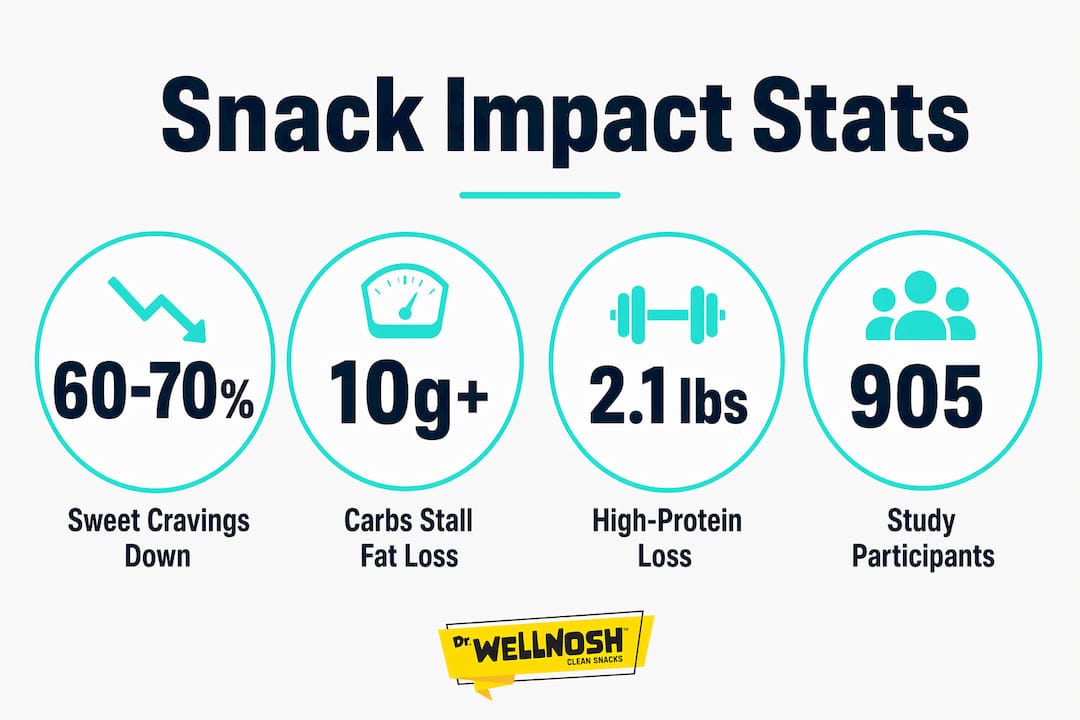
Carb creep is the gradual accumulation of untracked carbohydrates from sources that seem harmless or are actively marketed as diet-friendly. Hidden carbs often reach 10–15 grams daily unnoticed, which is enough to block ketosis and suppress fat mobilization in people following low-carb approaches.
The most common sources are not obvious junk food. They are the small additions that feel like non-events:
- Sauces and dressings: A standard serving of barbecue sauce contains 10–12 grams of sugar. Balsamic vinaigrette, teriyaki, and “light” dressings are similarly loaded.
- Flavored yogurts: Even Greek yogurt with fruit on the bottom often contains 20–25 grams of carbs per serving, mostly from added sugar.
- “Keto” labeled snacks: Many products labeled keto use sugar alcohols that still raise insulin in some people, or they contain enough total carbs to matter when you eat multiple servings.
- Beverages: Oat milk, flavored sparkling water with juice, and protein shakes with added fruit can add 15–30 grams of carbs without registering as a “meal.”
- Condiments and toppings: Ketchup, honey mustard, and sweet chili sauce are concentrated sugar sources that people rarely count.
The cumulative effect is what makes carb creep so damaging. Each individual source seems trivial. Together, they can add 50–80 grams of carbohydrate to a day that was supposed to be low-carb, keeping insulin elevated throughout the day and stalling fat mobilization consistently.
“The biggest hidden barrier to fat loss on a low-carb diet is not a single bad meal. It is the steady drip of untracked carbs from sauces, snacks, and drinks that keeps insulin just high enough to block fat burning all day long.”
Many dieters underestimate cumulative carbs in seemingly low-carb items, especially when relying on front-of-package labels rather than calculating net carbs as total carbohydrates minus fiber. That gap between perceived and actual carb intake explains a large portion of unexplained fat loss stalls.
What does the research say about carbs, snacks, and fat loss?
The clinical evidence on this question has grown sharper in 2026. A meta-analysis of 905 participants found that low-carbohydrate diets, defined as 44% or fewer of daily calories from carbs, produced significantly greater fat mass reductions than high-carbohydrate diets at equal calorie intake. The effect size was g = -0.304, which is a meaningful difference in body composition even when total energy intake is matched. That finding directly challenges the idea that “a calorie is a calorie” when it comes to fat loss specifically.
Snack composition data tells an equally clear story. An analysis of 75,000 snack photos in 2026 found that people eating high-protein snacks reduced their daily snack calories by 68% and lost 2.1 lbs per week, compared to 0.8 lbs per week for low-protein snackers. That is more than double the fat loss rate from a single dietary shift.
| Snack type | Weekly fat loss | Calorie reduction from snacks |
|---|---|---|
| High-protein snacks | 2.1 lbs/week | 68% reduction |
| Low-protein/high-carb snacks | 0.8 lbs/week | Minimal reduction |
Refined carbs also create a secondary problem that masks progress on the scale. Refined carbs cause rapid insulin spikes that signal the kidneys to retain sodium and water. The result is fluid retention that can add several pounds of water weight, making it appear that fat loss has stalled when actual fat loss may still be occurring. This is why the scale alone is an unreliable measure of progress during dietary transitions.
People who switched to high-protein snacks also reported a 60–70% reduction in sweet cravings after two weeks. Stable blood sugar from protein-rich snacks reduces the hormonal drive to seek out more carbohydrates, breaking the cycle that keeps insulin elevated throughout the day.
Practical snack strategies to prevent fat loss stalls
The goal is not to eliminate snacking. The goal is to choose snacks that keep insulin low, maintain satiety, and support fat mobilization between meals. Effective fat loss snacks contain under 10 grams of net carbs, meaningful protein, fiber, and healthy fats.
A practical framework for building better snacks:
-
Lead with protein. Target 15–25 grams of protein per snack. Protein has the highest thermic effect of any macronutrient and the strongest satiety signal. Hard-boiled eggs, cottage cheese, and high-protein chips like Wellnosh (15g of fava bean protein per bag) all qualify. Protein-first snacking is the single most effective change most people can make.
-
Add fiber. Fiber slows glucose absorption and blunts the insulin response to any carbs you do eat. Raw vegetables, chia seeds, and nuts all contribute meaningful fiber. Pair fiber with protein for the strongest satiety effect.
-
Include healthy fats. Avocado, olives, and foods cooked in avocado oil slow gastric emptying and extend the time between hunger signals. Fat does not spike insulin, which means it actively supports the fat-burning window between meals.
-
Stay under 10 grams of net carbs per snack. This threshold keeps insulin low enough to allow lipolysis to continue. Calculate net carbs as total carbohydrates minus fiber grams, not total carbs alone.
-
Avoid energy-dense “keto treats.” Fat bombs and cheese crisps often have poor satiety per calorie. Energy-dense keto snacks lead to overconsumption that blocks fat loss even when carbs are technically low. If you can eat a full bag without feeling full, it is the wrong snack.
-
Track snacks with the same rigor as meals. The snacking habits that cause plateaus are almost always the ones that go unrecorded. Use a food log or photo tracking app to capture every snack, including sauces, drinks, and toppings.
Pro Tip: If you feel hungry 60–90 minutes after a snack, the snack was too high in carbs and too low in protein. Rebuild it around a protein anchor and add fat to extend satiety.
Timing also matters. Snacking immediately before a meal reduces the metabolic benefit of both the snack and the meal. A gap of at least two to three hours between snacks and meals allows insulin to return to baseline, reopening the fat-burning window. If you need to replace sugary snacks with something satisfying, prioritize options that combine protein and fat without added sugar.
Key Takeaways
High carb snacks stall fat loss because elevated insulin suppresses hormone-sensitive lipase, blocking fat cell breakdown regardless of total calorie intake.
| Point | Details |
|---|---|
| Insulin blocks fat burning | HSL suppression from carb-driven insulin spikes prevents lipolysis, locking fat in storage. |
| Carb creep is the hidden culprit | Untracked carbs in sauces, drinks, and “keto” snacks can add 50–80g daily, keeping insulin elevated. |
| Low-carb diets outperform on fat mass | A 2026 meta-analysis of 905 participants confirmed greater fat mass loss on diets under 44% carbs. |
| Protein snacks double fat loss rate | High-protein snack consumers lost 2.1 lbs/week versus 0.8 lbs/week for high-carb snackers. |
| Snack composition beats snack timing | Under 10g net carbs, 15–25g protein, fiber, and healthy fats are the markers of a fat loss-supportive snack. |
The snack mistake I see most often
The most common mistake I see is not eating too many carbs at dinner. It is eating too many carbs between meals, in small amounts that feel inconsequential, and then wondering why the scale does not move.
People spend enormous energy planning their main meals and then completely ignore what happens at 3:00 PM when they grab a handful of crackers, a flavored yogurt, or a “protein” bar that is 30 grams of carbs with 10 grams of protein. That snack undoes two to three hours of fat burning in about 20 minutes. The frustrating part is that it does not even satisfy hunger for long, so the cycle repeats.
The second mistake is trusting labels over math. A snack labeled “low carb” or “keto friendly” is not automatically safe. You need to calculate net carbs yourself, check the serving size against what you actually eat, and account for sugar alcohols if you are sensitive to them. Metabolic adaptation and stress-related cortisol also slow fat loss independently of carbs, which means a stall is not always about food. Sleep, stress, and water retention all mask real progress.
My honest advice: track everything for two weeks, including every sauce, drink, and snack. Most people find 30–50 hidden grams of carbs per day that they had no idea they were eating. That discovery alone is worth more than any diet plan.
— Dr. Wellnosh
Wellnosh: a snack built for fat loss, not just flavor
If you have read this far, you know that the snack you choose between meals is not a minor decision. It either supports fat burning or shuts it down.
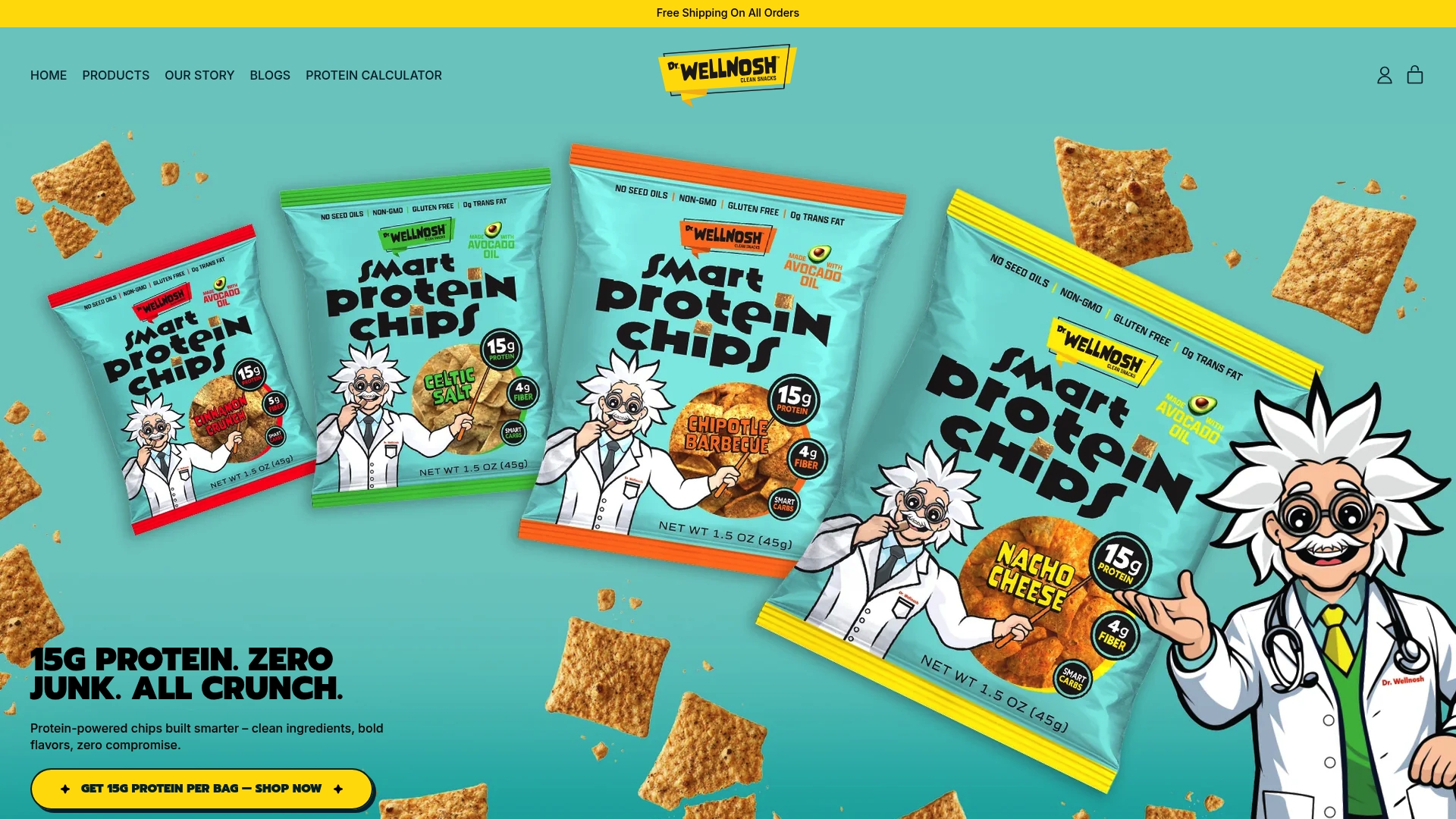
Wellnosh Smart Protein Chips deliver 15g of fava bean protein per bag with low net carbs, no added sugar, no seed oils, and no artificial additives. Every chip is cooked in avocado oil and made with ingredients you can actually read. Flavors like Chipotle Barbecue give you the crunch and satisfaction of a real snack without the insulin spike that follows a bag of conventional chips. For anyone serious about fat loss, Wellnosh fits the exact snack profile the research supports: high protein, low carb, real ingredients, and genuinely satisfying. See the full snack lineup and find the flavor that works for you.
FAQ
Why do high carb snacks stop fat burning?
High carb snacks raise blood insulin, which suppresses hormone-sensitive lipase (HSL), the enzyme that releases fat from storage cells. Without HSL activity, lipolysis stops and your body cannot burn stored fat until insulin drops back to baseline.
How many carbs in a snack will stall fat loss?
Snacks with more than 10 grams of net carbs are enough to trigger a meaningful insulin response in most people. Staying under 10 grams of net carbs per snack, combined with adequate protein and fat, keeps insulin low enough to support ongoing fat mobilization.
Is snacking bad for fat loss overall?
Snacking is not inherently bad for fat loss. The composition of the snack determines the outcome. High-protein, low-carb snacks support fat loss, while high-carb snacks hinder it by keeping insulin elevated between meals.
What are the best snacks for fat loss?
The best snacks for fat loss contain 15–25 grams of protein, under 10 grams of net carbs, fiber, and healthy fats. These nutrients stabilize blood sugar, suppress hunger hormones, and keep insulin low enough to allow fat burning to continue.
Can hidden carbs in “healthy” foods stall fat loss?
Hidden carbs in sauces, flavored yogurts, and “keto” labeled snacks commonly add 10–15 grams of untracked carbohydrates daily. That amount is enough to suppress fat mobilization and explain a plateau that appears to have no obvious cause.


