

· By Dr. Wellnosh
Why Snack Variety Prevents Diet Fatigue for Good
Snack variety is defined as the deliberate rotation of different foods, flavors, textures, and nutrient profiles across your daily eating routine. Research confirms that this practice directly prevents diet fatigue, the technical term nutritionists use for the progressive loss of motivation and satisfaction that causes most diets to fail. Your brain craves novelty, and your body needs nutritional breadth. When snacks deliver both, you stay consistent longer. The psychological mechanism behind this is sensory-specific satiety, and the nutritional case is equally strong: rotating diverse snacks increases intake of potassium, calcium, vitamin A, and magnesium compared to monotonous eating patterns.
Why snack variety prevents diet fatigue: the psychology behind it
Diet fatigue is not a willpower problem. It is a predictable neurological response to repetition.
Sensory-specific satiety causes your brain to reduce its pleasure response to foods you eat repeatedly. The more often you eat the same snack, the less satisfying it becomes. This is not a character flaw. It is your nervous system doing exactly what it was designed to do: push you toward variety to broaden your nutrient intake.
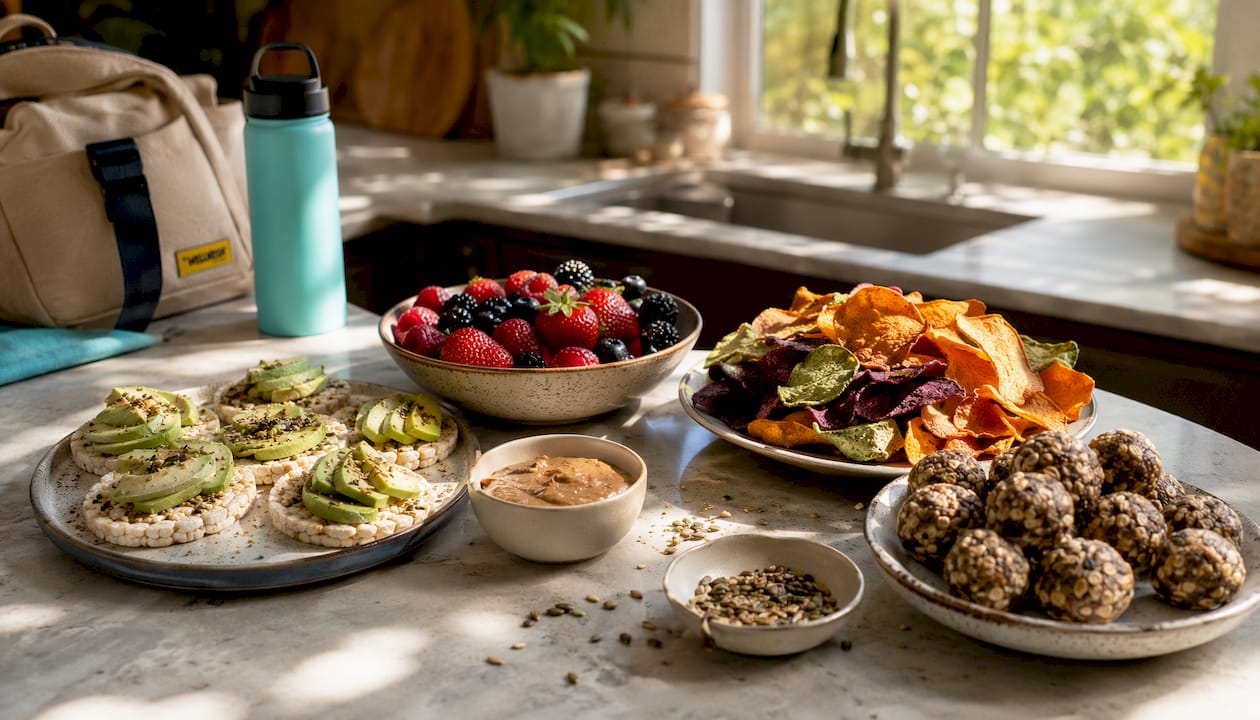
Dopamine plays a central role here. Your brain releases dopamine in response to novel, rewarding experiences, including new flavors and textures. When you eat the same rice cake every afternoon for three weeks, the dopamine response flattens. Flat dopamine means flat motivation. That is the moment most people either abandon their diet entirely or reach for something highly processed to get a quick reward hit.
The behavioral consequence is predictable:
- Boredom sets in within days of eating identical snacks, even if those snacks are nutritious.
- Cravings intensify as your brain seeks the stimulation it is no longer getting from your routine.
- Overeating follows because you keep eating past fullness, searching for satisfaction that never arrives.
- Diet abandonment becomes the path of least resistance once the routine feels punishing rather than sustainable.
Diet variety engages multiple senses and prevents mealtime boredom, which directly reduces overeating. That finding matters because it reframes variety not as indulgence but as a functional tool for portion control.
Pro Tip: If you notice you are eating past fullness without feeling satisfied, that is a classic sign of sensory-specific satiety at work. Swap your current snack for something with a different texture or flavor profile before reaching for more of the same.
What does snack diversity actually do for your nutrition?
The nutritional case for snack variety goes well beyond keeping things interesting.
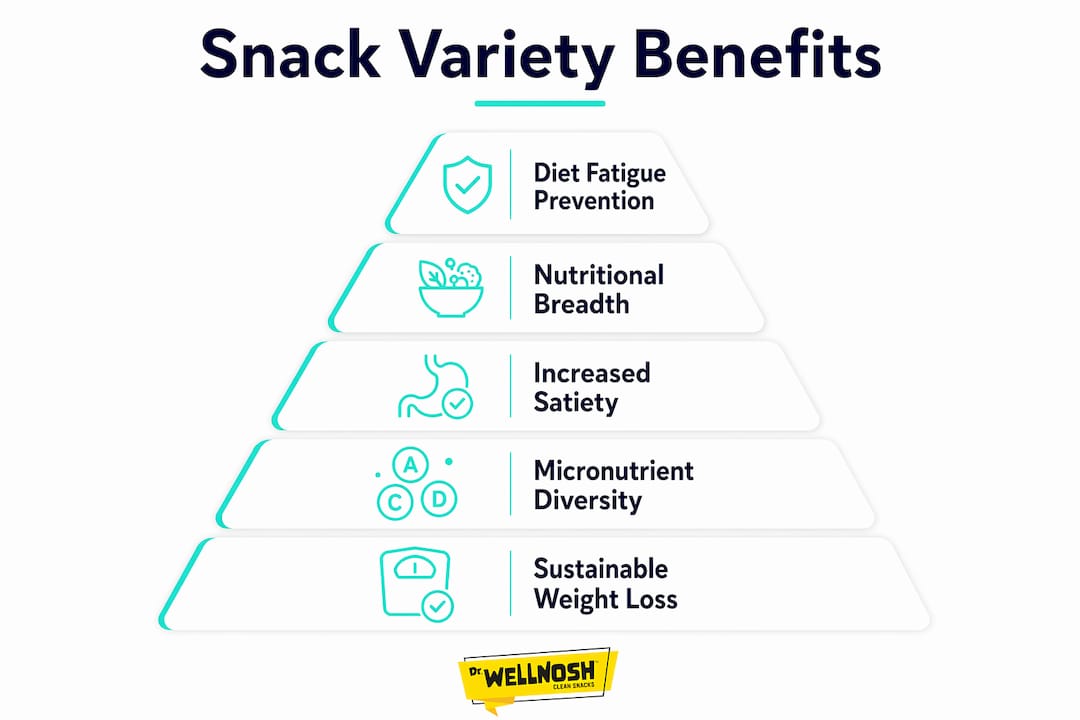
Combining macronutrients with varied textures and flavors increases satiety and reduces food-related fatigue more effectively than flavor novelty alone. This means a snack that pairs protein with fiber and a contrasting crunch delivers more lasting fullness than a snack that simply tastes different from yesterday’s option. Nutritional breadth, not just sensory novelty, is what makes variety a genuine diet tool.
The University of Florida IFAS Extension documents specific micronutrient gains from diverse snacking. Rotating your snack choices increases your intake of four nutrients that most Americans fall short on: potassium, calcium, vitamin A, and magnesium. Each of these plays a role in energy metabolism, muscle function, and mood regulation. Low levels of any one of them can make dieting feel harder than it needs to be.
| Micronutrient | Function | Common snack sources |
|---|---|---|
| Potassium | Muscle function, energy regulation | Bananas, edamame, nuts |
| Calcium | Bone health, nerve signaling | Dairy, fortified plant snacks |
| Vitamin A | Immune support, cellular repair | Carrots, sweet potato, leafy greens |
| Magnesium | Mood stability, sleep quality | Pumpkin seeds, dark chocolate, legumes |
One important warning: the “health halo” effect misleads many people into believing that variety automatically means better nutrition. A snack pack with six different flavors of a sugar-laden cracker is not nutritional diversity. Variety only works when the options you rotate are actually nutrient-dense. Check ingredient lists, not just flavor counts.
Pro Tip: When building your snack rotation, aim for variety across nutrient categories, not just flavors. Rotate a protein source, a fiber source, and a healthy fat source across your weekly snacks to cover your micronutrient bases.
How much variety is actually helpful for weight loss?
More variety is not always better. This is the nuance most articles skip.
Research shows that individuals with consistent, less varied diets lost 5.9% of body weight over 12 weeks, compared to 4.3% for those with frequent high-variety snacking. That gap exists because too many options create decision fatigue. Decision fatigue is the mental exhaustion that comes from making too many choices, and it directly undermines diet adherence by pushing people toward impulsive, unplanned eating.
Low-variety diets reduce decision fatigue and impulsive choices, improving calorie tracking accuracy and weight loss consistency. That does not mean eating the same thing every day forever. It means building a structured rotation rather than treating every snack as an open-ended decision.
Experts recommend a small rotation of staple options, roughly 3–5 choices for breakfast snacks and 5–7 for lunch and dinner contexts, supplemented with seasonal or new items occasionally. This approach balances novelty and consistency without overwhelming your decision-making capacity.
The practical difference between structured rotation and random variety looks like this:
- Random variety: You browse the snack aisle every week and pick whatever looks appealing. Choices are unpredictable, nutritional quality varies widely, and tracking becomes difficult.
- Structured rotation: You select 4–5 snacks you enjoy and trust nutritionally, rotate them across the week, and introduce one new option every two to three weeks. Decisions stay low-effort, and your nutrition stays consistent.
Decision fatigue undermines diet adherence by increasing cognitive load at the exact moments when willpower is already depleted. A structured rotation removes that load without sacrificing the sensory benefits of variety.
Practical ways to build a snack rotation that sticks
Building a sustainable snack rotation does not require a nutrition degree. It requires a simple framework and a few good defaults.
-
Anchor your rotation with protein. Protein is the macronutrient most directly linked to satiety. Every snack in your rotation should include a meaningful protein source. Options like nuts, legume-based chips, Greek yogurt, or hard-boiled eggs give you protein with different textures and flavors. Wellnosh chips deliver 15g of fava bean protein per bag, making them a high-protein anchor that fits multiple flavor moods across the week.
-
Rotate textures, not just flavors. Crunchy, creamy, chewy, and crisp textures each engage your senses differently. A week that includes a crunchy snack, a creamy snack, and a chewy snack covers more sensory ground than three crunchy snacks in different flavors. Texture variety is one of the most underrated snack fatigue solutions available.
-
Plan your snacks the same way you plan meals. Spontaneous snacking almost always leads to lower-quality choices. Spend five minutes on Sunday mapping out your snack options for the week. This single habit removes daily decision fatigue and keeps your rotation intentional. A clean snack plan built around whole ingredients makes this process straightforward.
-
Use a variety pack to simplify the rotation. A curated variety pack removes the research burden of building a diverse rotation from scratch. The Wellnosh Variety Pack includes Nacho Cheese, Celtic Salt, Chipotle Barbecue, and Cinnamon flavors, all made with avocado oil, no seed oils, no artificial additives, and no added sugar. Each bag gives you a different sensory experience without sacrificing nutritional consistency.
-
Avoid snacks that look varied but are not. A bag of mixed crackers with six flavors is not the same as rotating a protein snack, a fruit, and a nut-based option. Read labels and watch for ingredients to avoid like added sugars, seed oils, and artificial preservatives that undermine the nutritional value of your rotation.
Pro Tip: Set a “snack swap day” once every two weeks. On that day, replace one item in your regular rotation with something new. This keeps novelty alive without turning every snack decision into a research project.
Key Takeaways
Snack variety prevents diet fatigue by combining sensory novelty with nutritional breadth, and a structured rotation of 3–5 quality options delivers both benefits without triggering decision fatigue.
| Point | Details |
|---|---|
| Variety prevents fatigue | Sensory-specific satiety makes repeated snacks less satisfying, driving cravings and diet abandonment. |
| Nutritional breadth matters | Rotating snacks increases intake of potassium, calcium, vitamin A, and magnesium. |
| Structure beats randomness | A rotation of 3–5 staple snacks reduces decision fatigue and improves weight loss consistency. |
| Texture drives satiety | Combining protein, fiber, and contrasting textures increases fullness more than flavor novelty alone. |
| Quality controls the outcome | Variety only works when each option in the rotation is genuinely nutrient-dense, not just different. |
What I have learned about snack variety after years of watching diets fail
Most diets do not fail because people lack discipline. They fail because the plan is too rigid to survive real life.
I have seen this pattern repeatedly: someone commits to a clean eating routine, eats the same four foods for two weeks, and then collapses into a binge the moment boredom becomes unbearable. The solution is not more willpower. It is a better-designed rotation. The research on sensory-specific satiety confirms what I have observed firsthand. Your brain will eventually reject any food that appears too often, no matter how much you liked it at the start.
What actually works is treating your snack rotation like a small wardrobe, not a uniform. You keep a core set of reliable, nutritious staples and rotate them with intention. You add something new occasionally, not constantly. You prioritize nutrient-dense choices that satisfy on multiple levels: protein for fullness, crunch for sensory engagement, and real flavor that does not taste like a compromise.
The uncomfortable truth is that most people overcomplicate this. They either eat the exact same thing every day until they quit, or they buy 15 different snacks and feel paralyzed choosing between them. The sweet spot is a rotation small enough to be automatic and varied enough to stay interesting. That is not a radical idea. It is just good design applied to eating.
— Dr. Wellnosh
Wellnosh makes snack variety simple and nutritious
Putting snack variety into practice gets much easier when your options are already curated for quality.
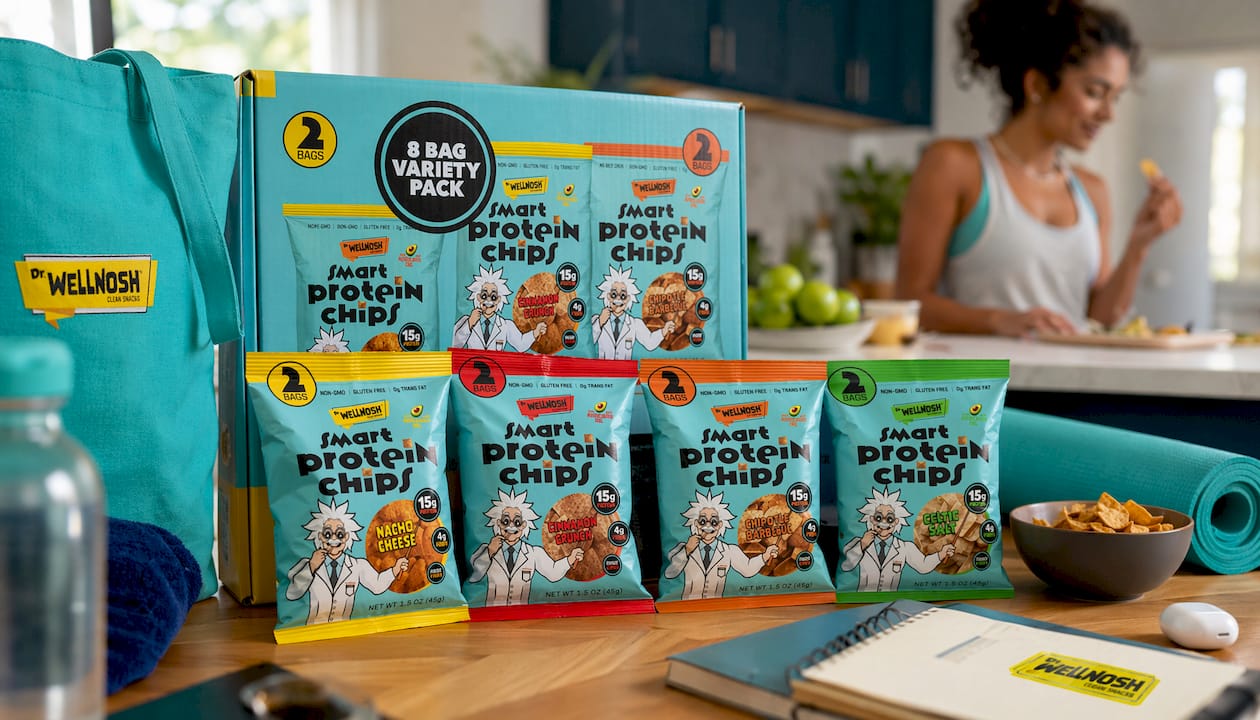
The Wellnosh Variety Pack gives you four distinct flavors, Nacho Cheese, Celtic Salt, Chipotle Barbecue, and Cinnamon, each delivering 15g of fava bean protein per bag. Every chip is cooked in avocado oil, non-GMO, gluten free, low carb, and made with ingredients you can actually pronounce. You get real sensory variety across the week without hunting for options that meet your nutritional standards. For anyone building a structured snack rotation that prevents diet burnout, Wellnosh removes the guesswork from the most important part: finding snacks worth rotating in the first place.
FAQ
What is diet fatigue and how does snacking cause it?
Diet fatigue is the progressive loss of motivation and satisfaction that occurs when eating becomes repetitive and unrewarding. Monotonous snacking accelerates it by triggering sensory-specific satiety, which reduces your brain’s pleasure response to repeated foods.
How many snack options should I rotate each week?
Experts recommend a rotation of 3–5 staple snack options, supplemented with one or two new items every few weeks. This range balances sensory novelty with the consistency needed to reduce decision fatigue.
Does snack variety actually help with weight loss?
Structured snack variety supports weight loss by improving diet adherence and micronutrient intake. However, research shows that excessive, unplanned variety can reduce weight loss results compared to a consistent, lower-variety rotation.
What makes a snack rotation nutritionally effective?
An effective rotation pairs protein, fiber, and healthy fats across different snacks, not just different flavors. Combining contrasting textures with varied macronutrients increases satiety and reduces food-related fatigue more than flavor novelty alone.
How do I avoid the “health halo” trap when choosing varied snacks?
Read ingredient labels rather than relying on flavor count or packaging claims. A snack rotation only delivers nutritional benefits when each option is genuinely nutrient-dense, free from added sugars, seed oils, and artificial additives.


