

· By Dr. Wellnosh
Mindful Snacking for Dieters: What It Really Means
What is mindful snacking for dieters?
Mindful snacking for dieters is the conscious practice of paying full attention to hunger signals, emotions, and taste sensations before and during a snack, so every bite serves a real purpose rather than a habit or a mood. It is not a diet rule. It is a shift in awareness.
At its core, mindful snacking involves a 30–90 second pause before eating, during which you breathe, check in with your body, and choose deliberately. That brief interruption breaks the automatic cue-craving-response loop that drives most unplanned snacking.
For dieters specifically, the practice rests on a few non-negotiable principles:
- Check hunger first. Ask whether you are physically hungry or responding to stress, boredom, or habit.
- Choose snacks with staying power. Protein and fiber snacks in the 150–250 calorie range stabilize blood sugar and extend satiety between meals.
- Control portions before you start. Pour snacks into a bowl rather than eating from the bag.
- Engage your senses. Notice flavor, texture, and aroma. Eating slowly gives your gut time to signal fullness.
- Remove distractions. No phone, no TV. Treat the snack like a small meal.
The goal is not perfect mindfulness on every bite. It is intentional enough awareness to prevent the automatic overeating that quietly derails most diets.
Table of Contents
- How mindful snacking supports your weight management goals
- Practical strategies to snack more mindfully every day
- Wellnosh’s science-backed approach to mindful snacking
- Common mindful snacking pitfalls and how to avoid them
- Expert insights on optimizing your mindful snacking habits
- Protein-rich snacks that work well for mindful snacking
- Wellnosh protein chips: a clean snack built for mindful dieters
- Key Takeaways
How mindful snacking supports your weight management goals
Most dieters do not fail because of their main meals. They fail between them. Unplanned snacking driven by stress, boredom, or habit adds calories that never feel like a real decision, which makes them almost impossible to account for.
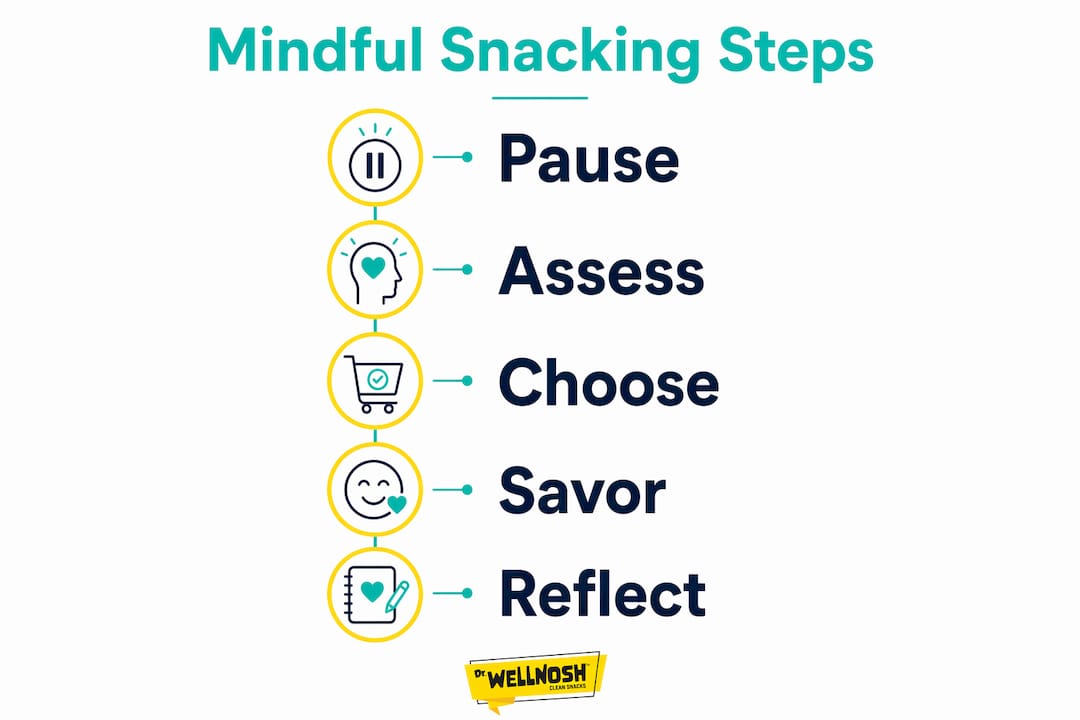
Mindful snacking interrupts the automatic cue-craving-response cycle that drives habitual eating. When you pause before reaching for food, you create a decision point that simply did not exist before. That moment is where weight management actually happens.
Protein and fiber do the physiological heavy lifting. Both slow digestion, blunt blood sugar spikes, and extend the feeling of fullness, which means you arrive at dinner less ravenous and less likely to overeat. Nuts, yogurt, and whole-grain crackers with low-fat cheese are classic examples of snacks that combine all three macronutrients for lasting satisfaction.
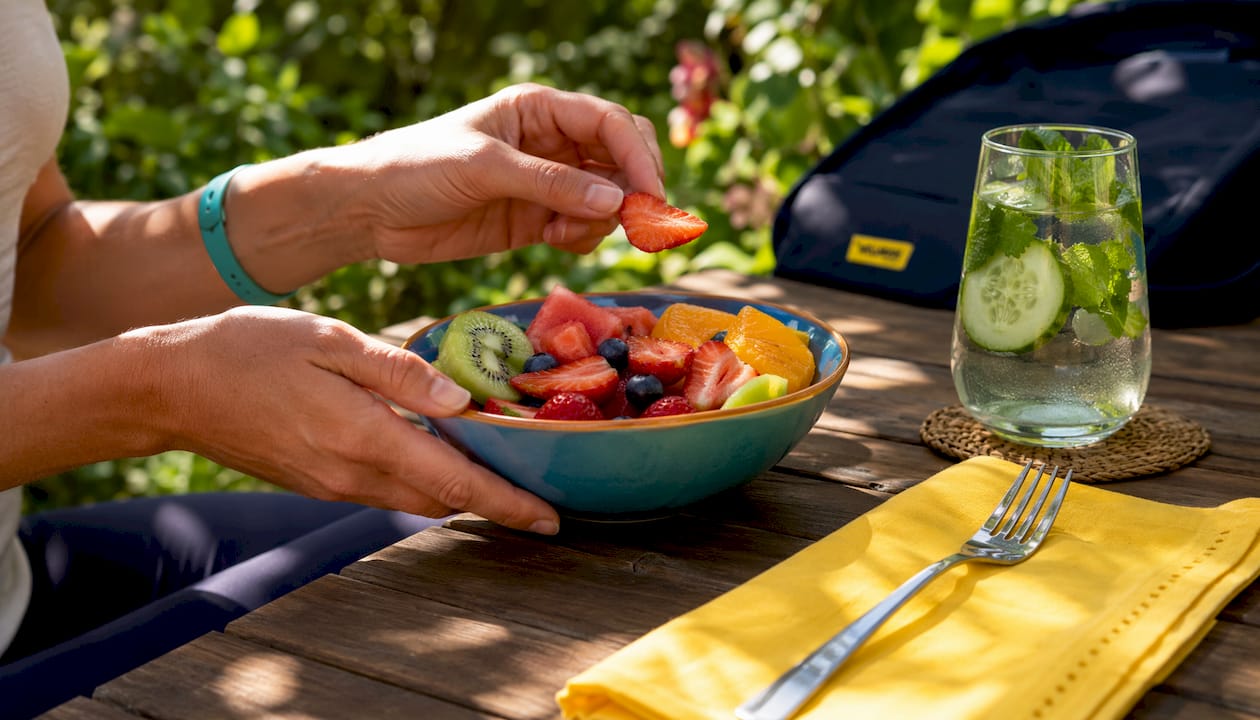
The psychological dimension matters just as much. Recognizing that a craving is emotional rather than physical does not mean ignoring it. It means choosing how to respond, which is a skill that builds with practice.
Practical strategies to snack more mindfully every day
The mechanics of mindful snacking are simpler than most people expect. A few consistent habits do most of the work.
- Portion before you open. Put your snack in a bowl or on a plate. Eating directly from a package makes it nearly impossible to track how much you have had.
- Use a plate no larger than 9 inches. Smaller plates reduce how much you serve yourself without requiring willpower.
- Chew thoroughly. Aiming for 20–40 chews per bite slows the pace and gives your brain time to register fullness.
- Time snacks intentionally. A mid-afternoon snack around 4–5 PM, roughly 4–5 hours after lunch, prevents the excessive hunger that leads to overeating at dinner.
- Build snacks with three components. Protein, fiber, and a small amount of healthy fat. Think apple slices with almond butter, or Greek yogurt with a handful of walnuts.
- Sit down. Snacking while standing at the counter or scrolling your phone is the fastest route to eating more than you planned.
For clean snack planning that fits your nutrition targets, this practical guide walks through how to stock and structure your snack choices around real goals.
Pro Tip: You do not need to be fully mindful for every single bite. Focusing awareness on the first, middle, and last bites is enough to build a sustainable habit without turning every snack into a meditation session.
Wellnosh’s science-backed approach to mindful snacking
Wellnosh was built around a straightforward problem: most snacks marketed as healthy are not actually built to satisfy you. They are low in protein, high in refined carbs, and engineered to keep you eating past the point of fullness.
Wellnosh protein chips deliver a substantial amount of fava bean protein per bag, cooked in avocado oil with real, pronounceable ingredients and no seed oils, artificial additives, or added sugar. They are non-GMO, gluten-free, and low-carb. That nutritional profile is not accidental. It is designed to hit the protein and fiber threshold that mindful snacking research consistently points to as the sweet spot for satiety and energy stability.
The Chipotle Barbecue and Cinnamon flavors give you a genuinely enjoyable eating experience, which matters for mindful snacking. When a snack actually tastes good, you slow down, pay attention, and feel satisfied with a reasonable portion. That is the whole point.
Pro Tip: Pair a bag of Wellnosh protein chips with a piece of fruit for a snack that covers protein, fiber, and a small amount of natural sugar. It hits every box for a 150–250 calorie mindful snack.
Common mindful snacking pitfalls and how to avoid them
Knowing the principles is one thing. Staying consistent when you are tired, stressed, or just bored is another. These are the patterns that most often derail dieters.
- Eating distracted. Watching TV or scrolling while snacking consistently leads to eating more than intended. The fix is simple: sit down, put the phone away, and treat the snack as its own activity.
- Eating from the package. Without a visual reference for how much you have eaten, portion control is nearly impossible. Always plate your snack first.
- Snacking on the wrong thing for the craving. A mismatch between snack choice and the specific craving you are experiencing leads to unsatisfied eating and reaching for more. If you want something crunchy and savory, a rice cake will not cut it. Match the snack to the actual craving, within your nutrition goals.
- Confusing stress with hunger. Before you open anything, ask yourself honestly: am I physically hungry? If the answer is no, a short walk or a glass of water often resolves it.
- Skipping snacks entirely. Arriving at dinner ravenous after skipping a mid-afternoon snack is one of the most reliable ways to overeat. Planned snacking supports weight management, not undermines it.
For a deeper look at how snacking habits affect weight loss plateaus, this breakdown is worth reading.
Expert insights on optimizing your mindful snacking habits
The evidence behind mindful snacking is not just anecdotal. Research consistently shows that awareness-based eating practices improve both dietary quality and satisfaction, without requiring calorie obsession.
Timing is one of the most underrated levers. Snacking 4–5 hours after lunch keeps blood sugar stable and prevents the late-afternoon energy crash that sends most people straight to the vending machine. That one adjustment alone can meaningfully reduce total daily calorie intake for many dieters.
For busy schedules, the most effective strategy is preparation over willpower. Pre-portion snacks on Sunday for the week. Keep protein-forward options at eye level in the fridge. If a high-protein snack option is already ready to grab, you will not need to make a decision under pressure. Decisions made when you are hungry and rushed are almost never the ones you planned.
The internal cue system, what mindfulness researchers call “inner wisdom,” becomes more reliable the more you practice listening to it. Calorie counting tells you what to eat. Mindful snacking teaches you how to eat, and that distinction is what makes the habit last.
Protein-rich snacks that work well for mindful snacking
The best snacks for dieters combine protein, fiber, and a small amount of healthy fat in a 150–250 calorie window. Here are practical options that fit those criteria and support the pause-and-choose approach:
- Greek yogurt (plain, low-fat): High in protein, easy to portion, and pairs well with berries for added fiber.
- Hard-boiled eggs: Portable, filling, and one of the most protein-dense snacks per calorie.
- Apple slices with almond butter: Classic high-low combo. The fiber in the apple and fat in the nut butter extend satiety.
- Roasted chickpeas: Crunchy, satisfying, and a solid source of both protein and fiber.
- Whole-grain crackers with low-fat cheese: Covers protein, fat, and carbohydrate in one snack, which research links to greater satisfaction.
- Unsalted nuts (almonds, walnuts): Calorie-dense, so portion control matters here. A small handful is enough.
- Wellnosh protein chips: 15g of fava bean protein per bag, cooked in avocado oil, with no seed oils or added sugar. Available in Chipotle Barbecue, Cinnamon, Celtic Salt, Nacho Cheese, or as a Variety Pack if you want to try them all. They satisfy the crunch craving that sends most dieters toward conventional chips, without the ingredient list that comes with them.
For more on how to replace sugary snacks with options that actually last, Wellnosh’s blog covers the substitution strategy in detail.
Wellnosh protein chips: a clean snack built for mindful dieters
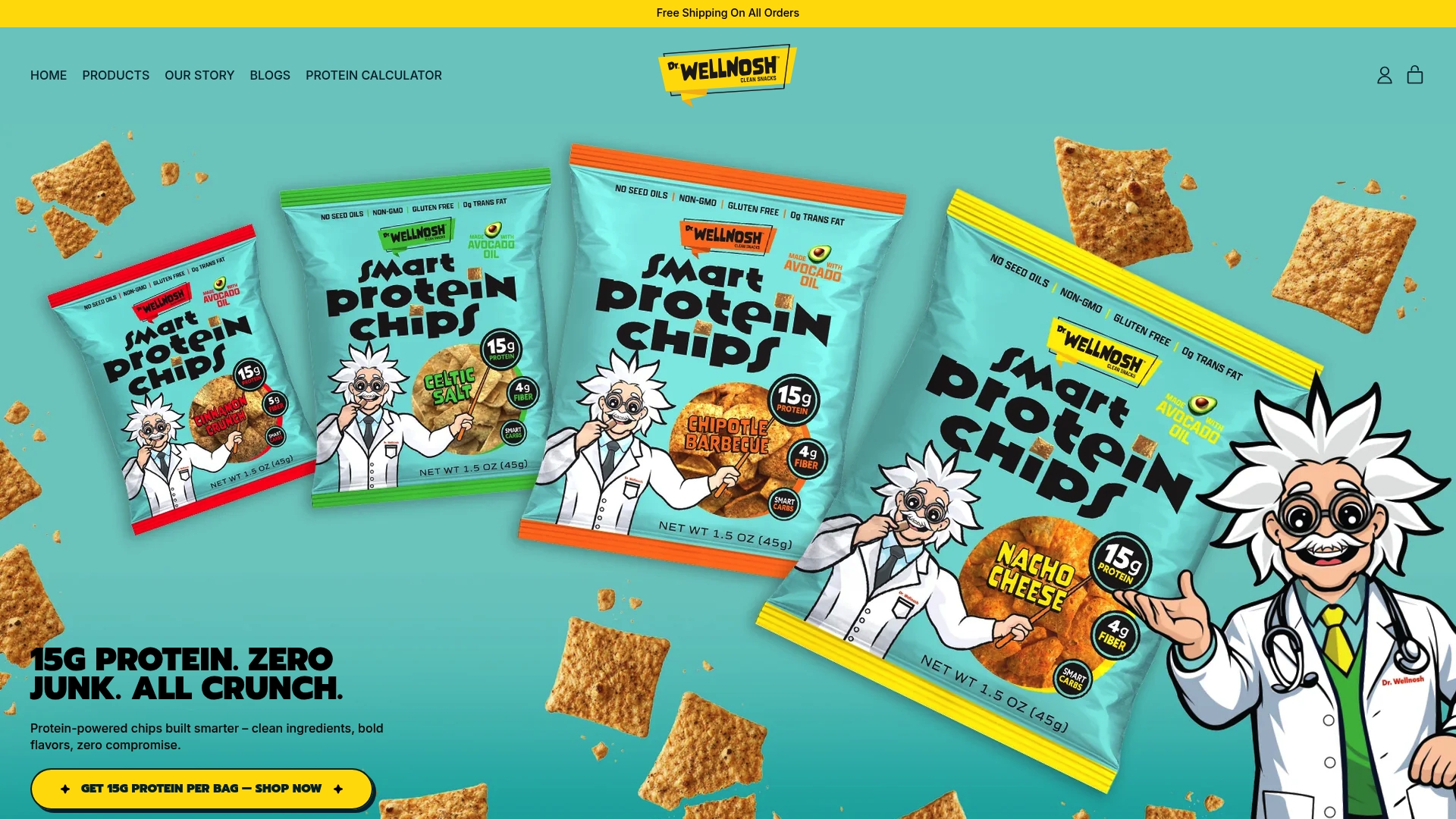
Most protein snacks make you choose between nutrition and taste. Wellnosh does not. Each bag of Wellnosh Smart Protein Chips delivers a notable protein content from fava beans, cooked in avocado oil, with no seed oils, no artificial additives, and no added sugar. Non-GMO, gluten-free, and low-carb. The ingredient list is short and readable.
For dieters practicing mindful snacking, that matters. A snack you actually enjoy eating is one you will slow down for, pay attention to, and feel satisfied by. The Chipotle Barbecue flavor hits the savory crunch craving directly. The Cinnamon flavor covers the sweet side. Both land squarely in the 150–250 calorie range that supports weight management.
Try the Variety Pack to find your go-to flavor, or grab the Chipotle Barbecue directly if you already know what you want.
Key Takeaways
Mindful snacking for dieters works because it replaces automatic, emotion-driven eating with intentional choices built around protein, fiber, and genuine hunger, making weight management sustainable rather than exhausting.
| Point | Details |
|---|---|
| The pause is the practice | A 30–90 second pause before snacking breaks the automatic cue-craving-response loop. |
| Protein and fiber are non-negotiable | Snacks in the 150–250 calorie range combining both macronutrients stabilize energy and extend fullness. |
| Timing prevents overeating | A mid-afternoon snack 4–5 hours after lunch reduces excessive hunger at dinner. |
| Distraction is the enemy | Eating without screens or multitasking improves portion control and satisfaction. |
| Wellnosh fits the framework | With 15g fava bean protein per bag and clean ingredients, Wellnosh chips are built for the 150–250 calorie mindful snack window. |


