

· By Dr. Wellnosh
Nutrient Dense Snacks Explained for Busy Professionals
Nutrient dense snacks are defined as foods that deliver a high concentration of protein, fiber, vitamins, and minerals relative to their calorie content, making every bite count toward your health goals. The USDA Dietary Guidelines recognize nutrient density as the core standard for evaluating food quality, placing leafy greens, lean proteins, and whole grains at the top and most processed snacks near the bottom. For busy professionals and active individuals, this distinction is not academic. The right snack keeps energy steady, supports muscle recovery, and prevents the mid-afternoon crash that derails productivity. This guide covers nutrient dense snacks explained from the ground up, including how to choose them, carry them, and build a habit around them.
What does nutrient density actually mean for snacks?
Nutrient density measures how much nutritional value a food delivers per calorie. Food high in nutrients but low in calories scores well. A food high in calories but low in vitamins, minerals, or protein scores poorly. Nutrient density is defined by the concentration of beneficial nutrients relative to total calorie load, with leafy greens, lean meats, and whole grains ranking highest and most processed snacks ranking lowest.
The contrast becomes clear with two familiar foods. One cup of air-popped popcorn contains roughly 31 calories and 1g of protein. One cup of peanuts contains roughly 827 calories and 38g of protein. Neither is wrong. They serve different goals, and understanding that difference is the foundation of smarter snacking.
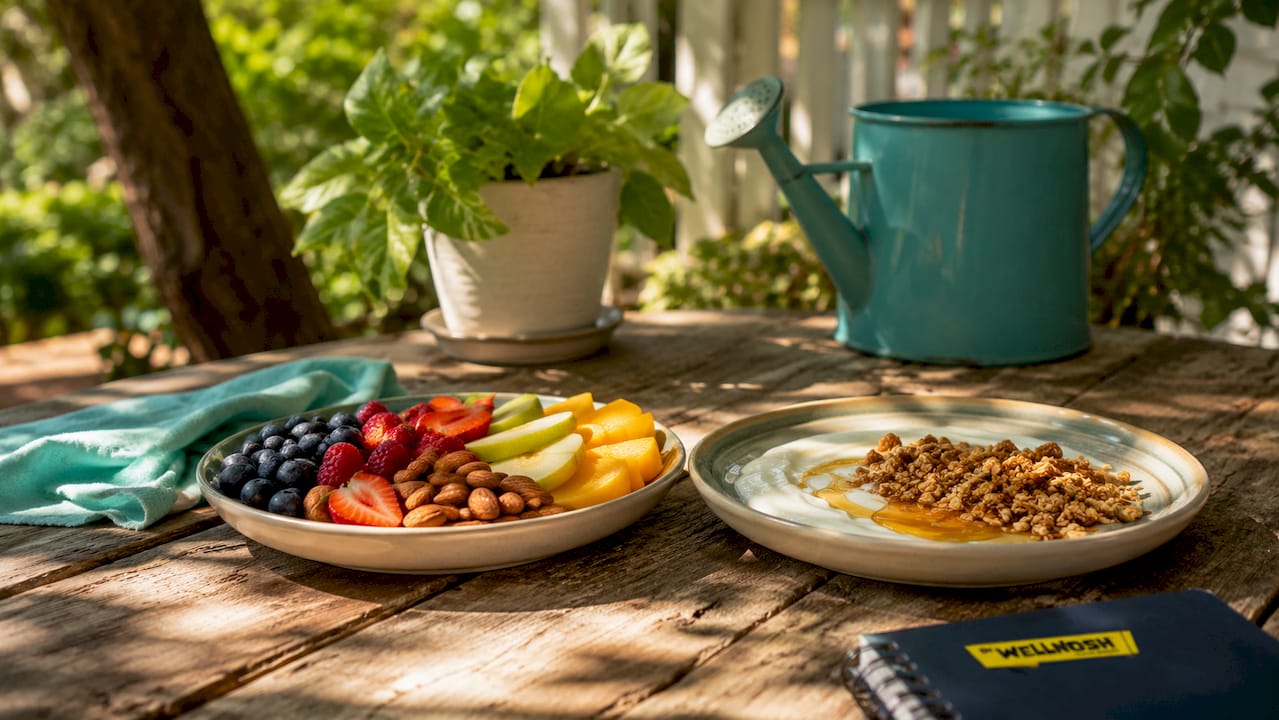
Calorie density, by contrast, measures how many calories a food packs per unit of weight or volume. A food can be both calorie dense and nutrient dense, like nuts and seeds, or calorie dense but nutrient poor, like most fried chips. Knowing which category your snack falls into tells you whether it is fueling your body or just filling it.
Pro Tip: Read the nutrition label for protein, fiber, and micronutrient content before checking calories. A snack with 200 calories and 15g of protein is almost always a better choice than one with 100 calories and zero protein.
Which snack foods rank highest in nutrient density?
The most nutrient dense snacks come from whole food categories that pack multiple beneficial nutrients into a small serving. Each category below earns its place for a specific nutritional reason.
- Hard-boiled eggs. Two eggs deliver roughly 12g of complete protein, plus choline, vitamin D, and B12. They are shelf stable for up to a week when refrigerated and require zero preparation at snack time.
- Roasted edamame. A single pack provides 12–13g of protein along with iron, calcium, and folate. Edamame is one of the few plant foods that qualifies as a complete protein source, meaning it contains all nine essential amino acids.
- Tuna pouches. A single pouch delivers roughly 20g of protein with minimal calories. Tuna is rich in omega-3 fatty acids and selenium, nutrients that support heart and immune function.
- Greek yogurt. A standard serving provides 15–20g of protein, plus calcium, potassium, and live cultures that support gut health. Choose plain varieties to avoid added sugar.
- Nuts and seeds. Almonds, walnuts, pumpkin seeds, and sunflower seeds provide healthy fats, magnesium, zinc, and vitamin E. They are calorie dense, so portion size matters.
- Air-popped popcorn. Popcorn offers fiber, antioxidants, and B vitamins that pretzels simply do not. It supports digestion and provides sustained energy when topped with olive oil or nutritional yeast instead of butter.
- Legume-based snacks. Roasted chickpeas, lentil crisps, and fava bean chips deliver plant protein, fiber, and iron in a portable, shelf-stable format.
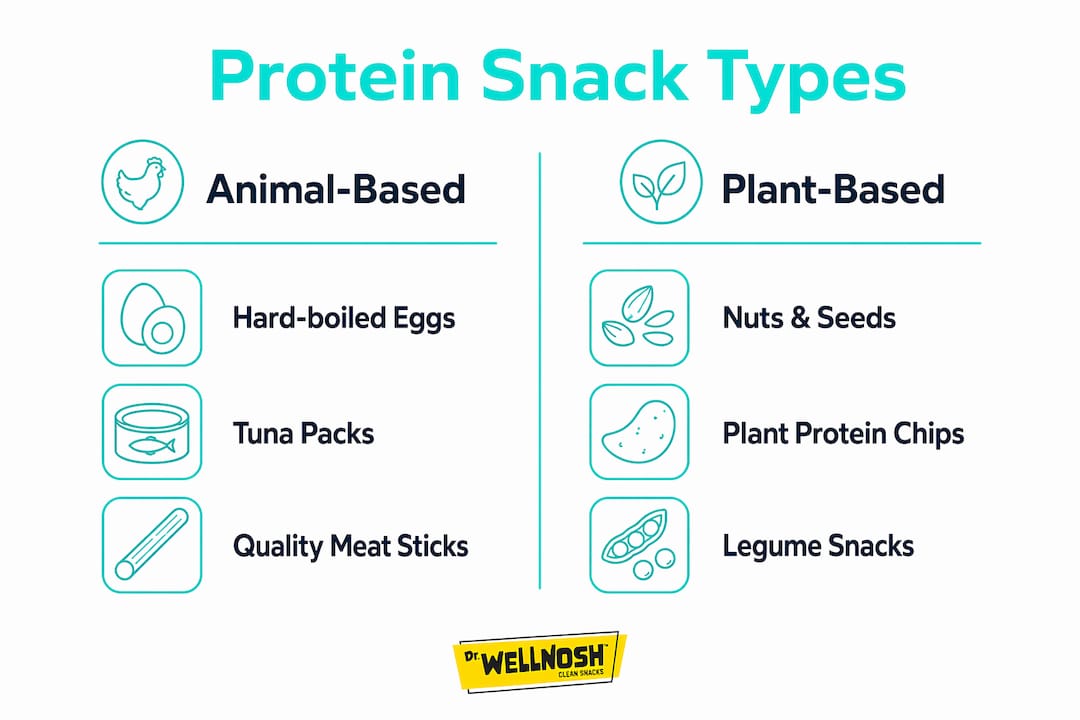
Plant-based and animal-based snacks each have strengths. Animal proteins like eggs and tuna tend to offer complete amino acid profiles in fewer calories. Plant proteins like edamame and legumes add fiber and phytonutrients that animal foods lack. The most effective approach combines both across your day.
What are the best portable protein snacks for active people?
Portable protein snacks are the category where convenience and nutrition most often conflict. The best options solve both problems at once. Dietitian-approved choices include hard-boiled eggs, tuna pouches, and roasted edamame, all valued for shelf stability and amino acid completeness.
| Snack | Protein per serving | Key nutrients | Portability |
|---|---|---|---|
| Hard-boiled eggs (2) | 12g | Choline, B12, vitamin D | Refrigeration needed |
| Tuna pouch (1) | 20g | Omega-3s, selenium | Fully shelf stable |
| Roasted edamame (1 pack) | 12–13g | Iron, calcium, folate | Fully shelf stable |
| Greek yogurt (plain, 6oz) | 15–20g | Calcium, potassium, probiotics | Refrigeration needed |
| Meat sticks (quality brand) | 9–12g | Iron, zinc | Fully shelf stable |
One caution: quality meat sticks can contain 400–600mg of sodium per serving. That is a meaningful portion of the daily recommended sodium limit, especially if you eat multiple servings. Check the label before buying.
Whole-food protein sources consistently outperform protein-fortified processed snacks. A product labeled “high protein” that achieves that claim through added protein powder often delivers lower-quality nutrition overall. Jerky, eggs, edamame, and yogurt are the benchmark.
Pro Tip: Match your protein snack to your timing. Before a workout, a carb-forward snack with moderate protein works better. After a workout or during a long work stretch, prioritize protein and fat for recovery and satiety.
How do you balance calorie density with nutrient density for sustained energy?
Active individuals need snacks that fuel performance without weighing them down. Snacks providing at least 125 calories per ounce deliver efficient energy for sustained activity, a standard that calorie-dense options like macadamia nuts and pecans at roughly 200 calories per ounce meet easily. The tradeoff is that calorie-dense foods require careful portioning.
Here is a practical framework for balancing both:
- Identify your energy demand. A desk-bound afternoon requires less fuel than a two-hour gym session. Match calorie density to actual output, not appetite.
- Use nuts and seeds strategically. A small handful of almonds or walnuts adds healthy fats and calories without spiking blood sugar. A full cup adds 700+ calories you may not need.
- Pair calorie-dense with fiber-rich foods. Combine a small portion of nuts with raw vegetables or air-popped popcorn. The fiber slows digestion and extends satiety without a large calorie load.
- Choose low-calorie snacks for light activity days. On sedentary days, fiber-rich snacks like popcorn enhance satiety without excess calories, while refined carb snacks like pretzels spike blood sugar and return hunger faster.
- Pre-portion everything. People consistently underestimate calories from visual portioning alone. Measuring nuts, seeds, and trail mix into single-serving containers removes the guesswork entirely.
The goal is not to minimize calories. The goal is to match calorie intake to energy output while maximizing the nutrients in every calorie you consume. That balance looks different on a travel day versus a training day.
How to plan and prep nutrient dense snacks for the week
Preparation is the single biggest predictor of whether you actually eat well. Batch-preparing portable snacks like hard-boiled eggs and cut vegetables ahead of time improves compliance and reduces impulse choices when hunger hits at the worst moment.
A practical weekly prep routine looks like this:
- Hard-boil a dozen eggs on Sunday. They keep for up to a week refrigerated and require zero effort at snack time.
- Portion nuts and seeds into small containers or zip bags. Pre-portioned servings prevent the common mistake of eating three servings while distracted.
- Cut raw vegetables like carrots, celery, and bell peppers and store them in water to stay crisp. Pair with hummus for a protein and fiber combination.
- Stock shelf-stable options for travel and desk drawers. Tuna pouches, roasted edamame packs, and legume-based chips require no refrigeration and no preparation.
- Match snacks to your environment. A gym bag needs different snacks than a desk drawer. Shelf-stable, scenario-specific snack choices reduce friction and make healthy eating the default rather than the exception.
Pro Tip: Keep a small snack kit in your bag at all times: one protein source, one fiber source, and one fat source. That combination covers satiety, energy, and nutrition without requiring a meal.
The biggest pitfall in snack planning is relying on willpower at the moment of hunger. Hunger impairs decision-making. When the healthy option is already prepared and within reach, you do not need willpower. You just need to open the container.
Key Takeaways
Nutrient dense snacks deliver the most vitamins, minerals, protein, and fiber per calorie, making them the most efficient fuel for busy, active people.
| Point | Details |
|---|---|
| Nutrient density vs. calorie density | A snack can be calorie dense and nutrient poor; always check protein, fiber, and micronutrient content first. |
| Top whole-food protein snacks | Hard-boiled eggs, tuna pouches, and roasted edamame lead for portability, amino acid completeness, and shelf stability. |
| Calorie matching matters | Match snack calorie density to your actual energy output; active days call for denser fuel, desk days call for fiber-rich options. |
| Batch prep drives compliance | Preparing snacks in advance eliminates the friction that leads to impulse, low-nutrition choices. |
| Whole foods beat fortified products | Protein-fortified processed snacks often mask lower nutritional quality; prioritize real, recognizable ingredients. |
What I have learned from years of snacking with intention
Most people treat snacking as an afterthought. They grab whatever is nearby when hunger strikes, then wonder why their energy crashes or their diet stalls. The professionals who eat well consistently are not more disciplined. They are better prepared.
The insight that changed my own approach was realizing that the best snack is not always the most nutritious one in isolation. It is the most nutritious one you will actually eat in the context you are in. A tuna pouch is excellent nutrition. It is also impractical in a quiet meeting room. A legume-based chip with 15g of protein is slightly less optimal on paper, but it travels anywhere, makes no noise, and requires no utensils.
Matching snacks to real-world constraints is what separates sustainable healthy eating from a plan that collapses by Wednesday. I have seen people build elaborate meal prep systems that fall apart the first time they travel for work. The fix is not more discipline. It is choosing snacks that fit your actual life, not an idealized version of it.
The other lesson: do not chase protein labels on processed products. Whole-food protein sources like eggs, edamame, and legume-based snacks consistently outperform protein-fortified junk food dressed up with health claims. Read the ingredient list. If you cannot pronounce most of it, put it back.
— Advantage
Wellnosh protein chips: a snack built for real life
Wellnosh makes plant-based protein chips that deliver 15g of fava bean protein per bag, cooked in avocado oil with no seed oils, no artificial additives, no added sugar, and no gluten. Every ingredient is real and pronounceable. That is the standard this article has been describing.
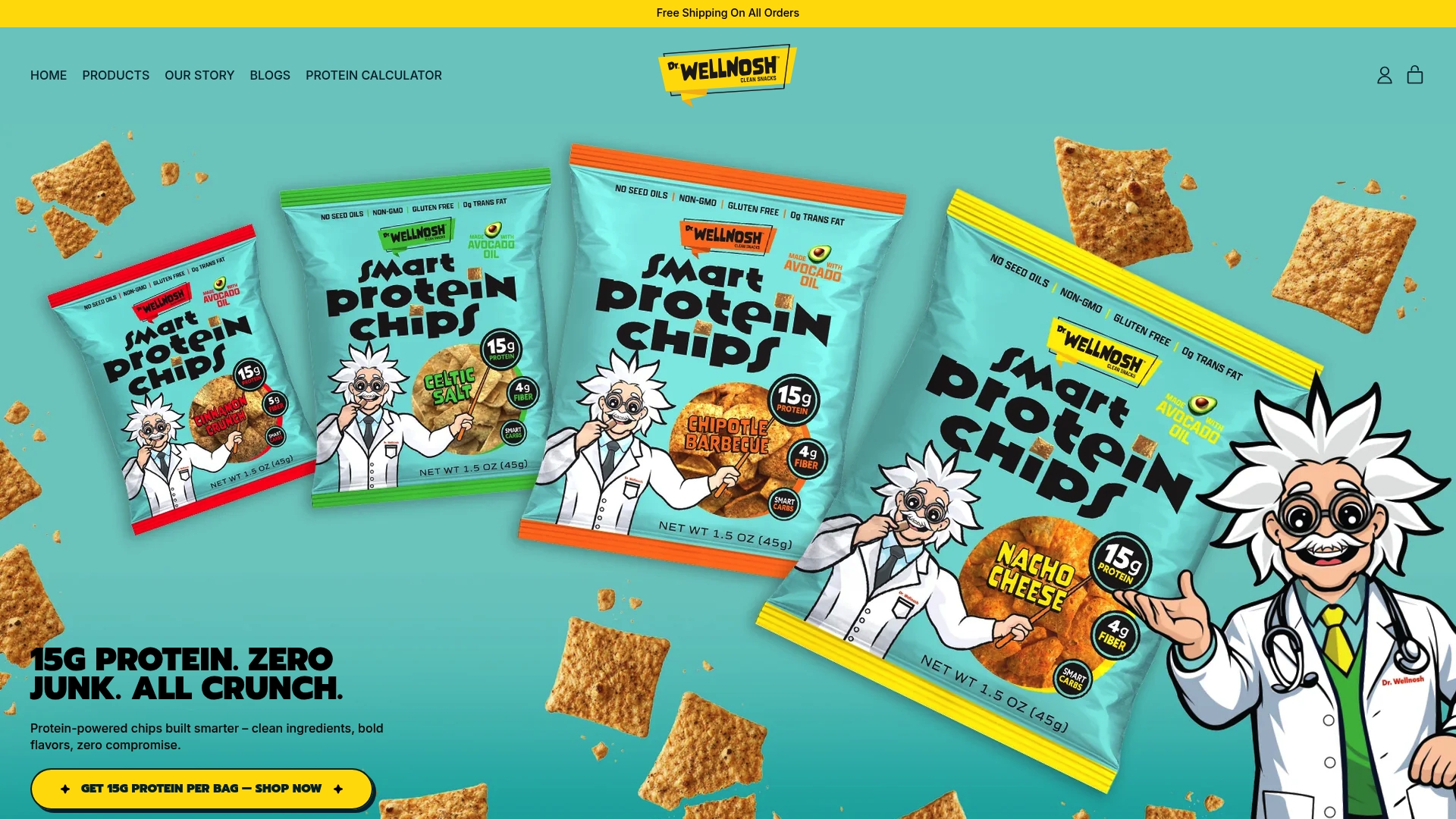
For busy professionals who want high-protein snack options without sacrificing flavor or convenience, Wellnosh fits the criteria directly. Flavors like Chipotle Barbecue, Celtic Salt, Nacho Cheese, and Cinnamon travel anywhere, require no refrigeration, and satisfy hunger without the greasy aftermath of conventional chips. The Variety Pack is the easiest way to find your flavor while keeping your snack drawer stocked with something that actually works for your goals.
FAQ
What are nutrient dense snacks?
Nutrient dense snacks are foods that provide a high amount of protein, fiber, vitamins, and minerals relative to their calorie content. Examples include hard-boiled eggs, roasted edamame, Greek yogurt, and legume-based chips.
How is nutrient density different from calorie density?
Nutrient density measures nutritional value per calorie, while calorie density measures calories per unit of weight or volume. A food can score high on both, like nuts, or high on calories but low on nutrients, like most fried chips.
What is a balanced snack for kids?
A balanced snack for kids combines a protein source, a fiber source, and a healthy fat, such as apple slices with nut butter or yogurt with berries. This combination supports steady energy and keeps hunger at bay between meals.
Are protein-fortified snacks worth buying?
Whole-food protein sources consistently outperform protein-fortified processed snacks. Products that add protein powder to otherwise low-quality ingredients often deliver inferior nutrition compared to eggs, edamame, or legume-based options.
How do I choose the best portable snack for work or travel?
Match the snack to your environment first. Shelf-stable options like tuna pouches, roasted edamame, and legume-based chips require no refrigeration and work in any setting. Add a refrigerated option like hard-boiled eggs when you have access to a cooler or office fridge.


