

· By Dr. Wellnosh
Replace Sugary Snacks with Protein Options That Last
Replacing sugary snacks with protein options is a proven strategy to improve satiety, steady blood sugar, and sustain energy throughout the day. The standard nutrition term for this practice is “protein-first snacking,” and it works because protein digests more slowly than simple carbohydrates, reducing the glucose spikes that cause energy crashes. Dietitians point to Greek yogurt, cottage cheese, hard-boiled eggs, roasted chickpeas, and pea protein products as the most practical starting points. This guide covers what makes a snack genuinely protein-rich, how to build the swap into your daily routine, and which options deliver the best results for taste and nutrition.
What qualifies as a healthy protein snack?
A high-protein snack typically delivers 10–25 grams of protein per serving and helps maintain fullness between meals. Examples include Greek yogurt bowls, nuts, eggs, and turkey roll-ups. The protein content alone does not tell the whole story.
The best protein snacks combine protein with fiber and healthy fats. That combination slows digestion further and keeps blood sugar stable for longer. A snack that hits protein but skips fiber, like a plain protein bar with added sugar, often underperforms compared to Greek yogurt with fruit and nuts.
Calorie targeting matters too. A snack around 250 calories that blends protein and fiber supports steady energy without tipping into a mini-meal. Whole or minimally processed protein foods outperform heavily processed bars and powders because they carry fewer added sugars and salts.
Pro Tip: Check the ingredient list before the nutrition label. If the first three ingredients include sugar, corn syrup, or maltodextrin, the product is a candy bar wearing a protein label.
Strong snack combinations to build around include:
- Greek yogurt with berries and a handful of almonds
- Roasted chickpeas with a pinch of sea salt
- Turkey roll-ups with sliced avocado
- Hummus with raw vegetables
- Hard-boiled eggs with whole grain crackers
How to replace sugary snacks with protein options step by step
Switching from sugary to protein-rich snacks works best as a gradual, structured process rather than an overnight overhaul. Behavior design, specifically prepping snacks in advance and keeping them visible, is the single biggest driver of successful snack swaps.
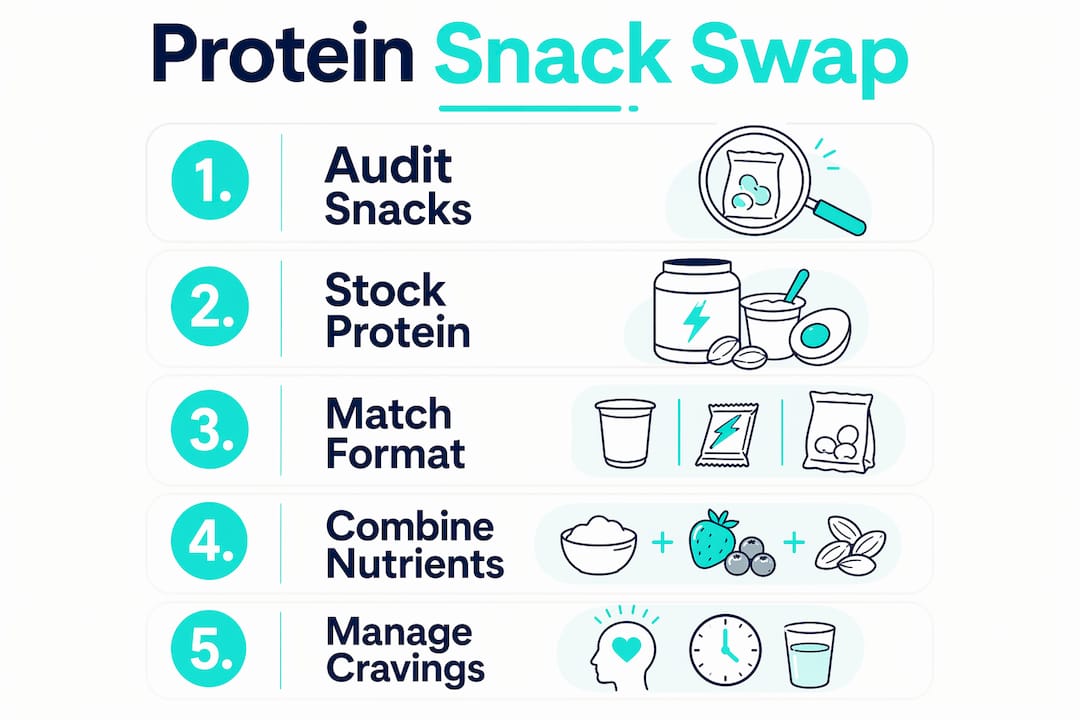
Step 1: Audit your current snack habits
Write down every snack you eat in a typical week. Identify which ones contain added sugar as a primary ingredient. The U.S. Dietary Guidelines recommend no more than 10 grams of added sugar per snack. Most candy, cookies, flavored granola bars, and sweetened drinks exceed that threshold immediately.
Step 2: Stock grab-and-go protein snacks
Replace the sugary items on your list with ready-to-eat protein options. Hard-boiled eggs, individual nut butter packets, string cheese, edamame, and protein chips all require zero preparation at snack time. Prep a batch of trail mix or portion out nuts into small bags at the start of each week.

Step 3: Match the format, not just the nutrient
Maintaining similar snack formats while swapping the protein source makes the transition far easier. If you reach for crunchy candy, swap to roasted chickpeas or protein chips. If you crave something creamy, swap to Greek yogurt or cottage cheese. The sensory experience matters as much as the nutrition.
Step 4: Eat protein before or with carbohydrates
A 2026 clinical study found that consuming pea protein before carbohydrates significantly reduced post-meal glucose spikes and improved satiety compared to eating carbohydrates alone. Eating protein first at snack time is a simple tactic that pays real dividends in energy stability.
Pro Tip: Set up a “snack station” in your fridge and pantry. When protein snacks are at eye level and pre-portioned, you grab them automatically instead of hunting for something sweet.
Common mistakes to avoid
- Buying “protein” bars without checking added sugar content
- Skipping fiber entirely, which reduces the satiety benefit of protein
- Relying on protein shakes as snacks without any whole food component
- Letting snack prep lapse mid-week, which forces a return to convenience junk food
| Sugary snack | Protein swap | Protein (g) | Added sugar |
|---|---|---|---|
| Candy bar | Protein chips | 15 | None |
| Flavored granola bar | Greek yogurt + nuts | 15–20 | Minimal |
| Sweetened crackers | Turkey roll-ups | 12–18 | None |
| Fruit snacks | Roasted edamame | 8–11 | None |
| Sweetened yogurt | Plain cottage cheese | 14–18 | None |
Comparing popular protein snack ideas vs. sugary alternatives
Protein snacks fall into six practical categories, each with distinct advantages depending on your lifestyle and dietary preferences.
Dairy-based snacks like Greek yogurt and cottage cheese deliver 14–20 grams of protein per serving and pair well with fruit or nuts for added fiber. They are among the most cost-effective options available.
Eggs are one of the most nutrient-dense snacks per calorie. Two hard-boiled eggs provide roughly 12 grams of complete protein with no added sugar and minimal preparation.
Nuts and seeds offer protein alongside healthy fats and fiber. A one-ounce serving of almonds delivers about 6 grams of protein. They are shelf-stable and portable, making them ideal for work or travel.
Lean meats like turkey slices or jerky provide high protein per ounce. Watch sodium levels on packaged jerky, as some brands load up on salt and sugar to compensate for flavor.
Legumes and edamame are the strongest plant-based option. Roasted chickpeas and edamame both deliver 8–11 grams of protein per serving with significant fiber content.
Protein chips represent the newest category and the most direct swap for traditional salty snacks. Whole or minimally processed protein foods outperform processed bars and powders, but a well-formulated protein chip made with real ingredients and cooked in avocado oil can deliver genuine nutritional value without the greasy aftertaste of conventional chips.
Pro Tip: When reading labels on any packaged protein snack, check three numbers in order: protein grams, added sugar grams, and sodium milligrams. A snack that scores well on protein but poorly on the other two is not a net upgrade.
The table below compares common snack swaps across the metrics that matter most.
| Snack | Protein (g) | Calories | Added sugar |
|---|---|---|---|
| Candy bar (1.5 oz) | 2–3 | 210–250 | 20–25g |
| Greek yogurt (plain, 6 oz) | 15–17 | 100–130 | 0g |
| Roasted chickpeas (1 oz) | 6–8 | 120–140 | 0g |
| Protein chips (1 bag) | 15 | 130–150 | 0g |
| Almonds (1 oz) | 6 | 160 | 0g |
| Sweetened granola bar | 3–5 | 190–220 | 12–18g |
How do you handle cravings and challenges when switching snacks?
The first week of cutting sugary snacks is the hardest. Sugar activates reward pathways in the brain, and the absence of that hit feels like a real craving. That feeling typically fades within 7–10 days as your palate adjusts.
Combining protein with fiber-rich carbohydrates supports satiety and steadier energy, which directly reduces the intensity of sugar cravings over time. A snack of hummus with raw vegetables or trail mix with seeds and dried fruit satisfies both the craving for something substantial and the need for sustained energy.
For dairy-free or vegan snackers, the options are strong. Roasted edamame, pea protein chips, nut butter with apple slices, and seed-based trail mixes all deliver meaningful protein without animal products. Pea protein in particular has strong clinical support: adding 20 grams of pea protein to a carbohydrate meal reduces the glycemic response and lowers insulin area under the curve compared to carbohydrate alone.
If energy dips in the first few days, the cause is usually insufficient calories rather than the absence of sugar. Increase portion size slightly or add a healthy fat like avocado or nut butter to your protein snack. Gradual changes outperform cold-turkey approaches for long-term compliance. Swap one sugary snack per week rather than all of them at once.
- Keep two or three ready-to-eat protein snacks visible in your fridge at all times
- Carry a portable protein snack in your bag for work or travel
- Use flavored options like cinnamon-spiced nuts or savory protein chips to satisfy taste variety
- Revisit your snack audit monthly to track progress and identify remaining gaps
Key Takeaways
Protein-first snacking is the most effective method to replace sugary snacks, reduce glucose spikes, and maintain steady energy throughout the day.
| Point | Details |
|---|---|
| Target 10–25g protein per snack | This range supports fullness between meals and reduces the urge to reach for sugar. |
| Pair protein with fiber | Fiber slows digestion and amplifies the blood sugar benefits of protein-rich snacks. |
| Match the snack format | Swapping crunchy for crunchy and creamy for creamy makes the transition stick. |
| Read labels carefully | Check added sugar and sodium, not just protein grams, on any packaged snack. |
| Prep in advance | Visible, pre-portioned snacks are the single biggest driver of consistent healthy choices. |
Why the format of your snack matters more than you think
The conventional advice focuses almost entirely on protein grams. That number matters, but it is not the whole picture. After years of paying attention to how snacks actually perform in real life, the format and sensory experience of a snack determines whether you stick with it.
A snack that feels like a punishment does not last. The people who successfully cut sugar long-term are not the ones who white-knuckle through cravings. They find protein options that genuinely satisfy the same sensory need. Crunchy replaces crunchy. Sweet replaces sweet. The protein content does the metabolic work, but the texture and flavor keep you coming back.
The protein-first timing strategy is also underused. Eating a small protein snack before a carbohydrate-heavy meal or snack blunts the glucose spike that follows. That single habit, backed by clinical trial data on pea protein, can reduce afternoon energy crashes without requiring a complete diet overhaul. You can learn more about your personal protein targets with Wellnosh’s protein calculator to dial in the right amounts for your lifestyle.
The hardest part is the first week. After that, the cravings genuinely diminish, energy levels stabilize, and the protein snacks stop feeling like substitutes. They become the preference.
Wellnosh makes the protein swap simple
Wellnosh Smart Protein Chips deliver 15 grams of fava bean protein per bag with no added sugar, no seed oils, and no artificial additives. They are cooked in avocado oil and made with real, pronounceable ingredients, making them one of the most direct swaps available for anyone reaching for conventional chips.
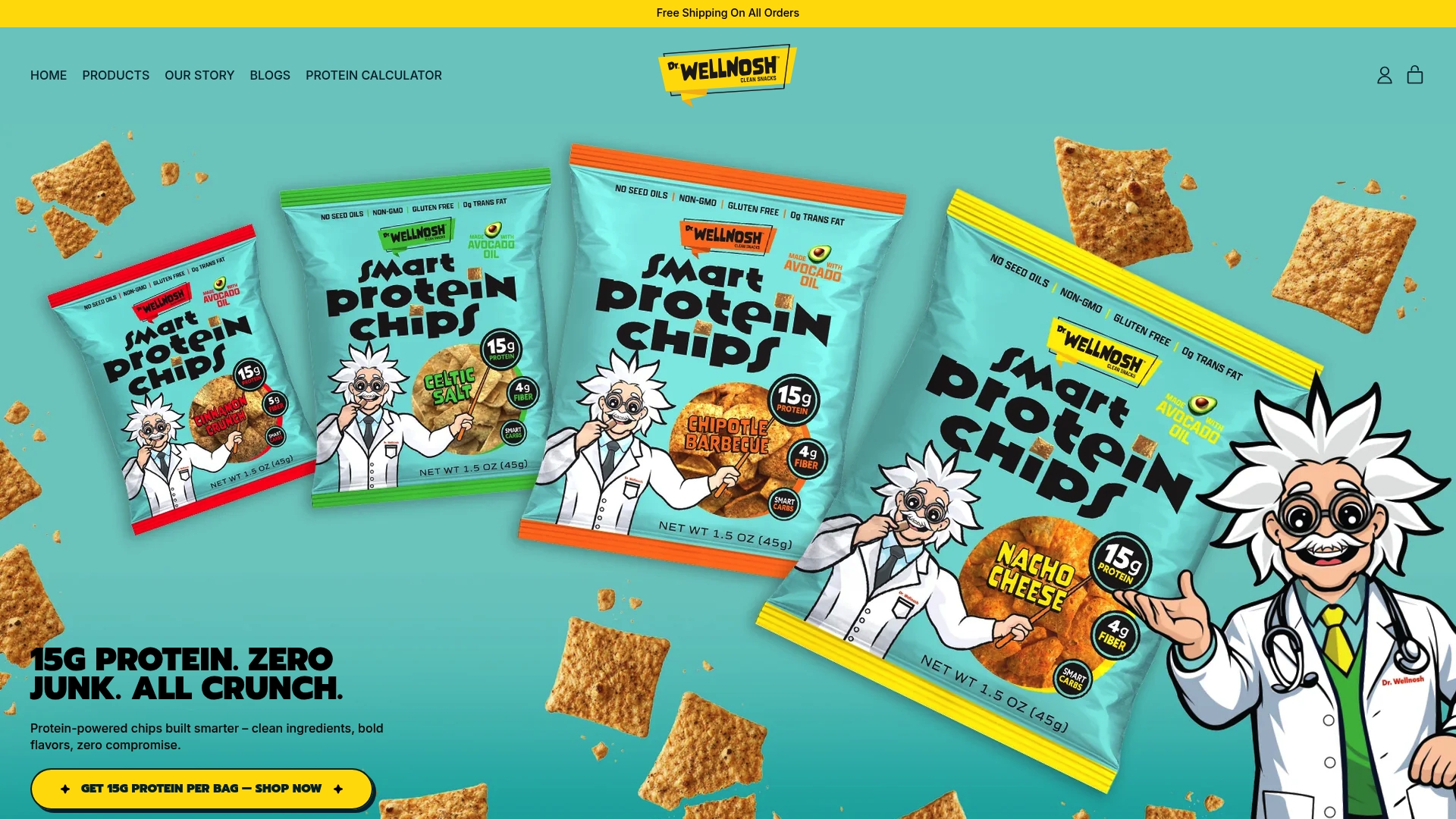
Flavors include Nacho Cheese, Celtic Salt, Chipotle Barbecue, and Cinnamon, so there is a satisfying option for every craving. The Variety Pack is the best starting point for finding your go-to flavor. For regular snackers, the Bundles 8 Pack keeps protein snacks stocked and ready without constant reordering. Wellnosh chips are also non-GMO, gluten free, and low carb, fitting cleanly into most eating approaches.
FAQ
What is a good protein range for a healthy snack?
A high-protein snack typically provides 10–25 grams of protein per serving. That range supports fullness and helps reduce sugar cravings between meals.
Does eating protein before carbs actually reduce blood sugar spikes?
Yes. A 2026 study confirmed that pea protein consumed before carbohydrates significantly reduced post-meal glucose excursion and improved satiety compared to carbohydrates eaten alone.
What are the best vegan protein snack options?
Roasted edamame, roasted chickpeas, pea protein chips, and nut butter with apple slices are the strongest plant-based choices. Each delivers meaningful protein without dairy or animal products.
How do I spot hidden sugars in packaged protein snacks?
Check the added sugars line on the nutrition label, not just total sugars. Whole or minimally processed snacks carry far less added sugar than most protein bars and flavored powders.
How many calories should a protein snack have?
A snack around 250 calories that combines protein and fiber provides balanced energy support without functioning as a full meal.
Recommended
- Our Story – Wellnosh
- WellNosh Smart Protein Chips | High Protein Snacks – Wellnosh
- Home page – Wellnosh
- Bundles 8 Pack – Wellnosh


