

· By Dr. Wellnosh
Best Plant-Based Snacks Without Processed Soy in 2026
What are the best soy-free plant-based snacks right now?
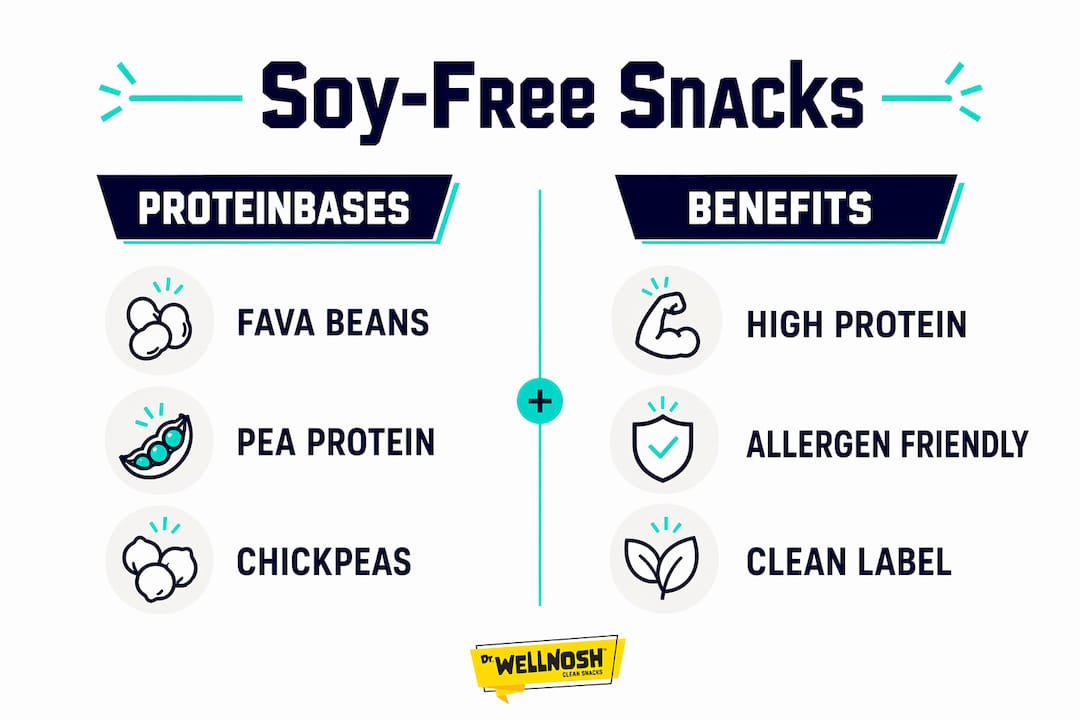
The strongest options on shelves right now are Aloha Protein Bars, Wellnosh Smart Protein Chips, YumEarth Organic candies, and lupini beans. All skip processed soy entirely and lean on cleaner protein sources like fava beans, pea protein, and chickpeas. If you’re navigating a soy allergy, intolerance, or simply want a cleaner ingredient list, these brands give you real choices without compromise.
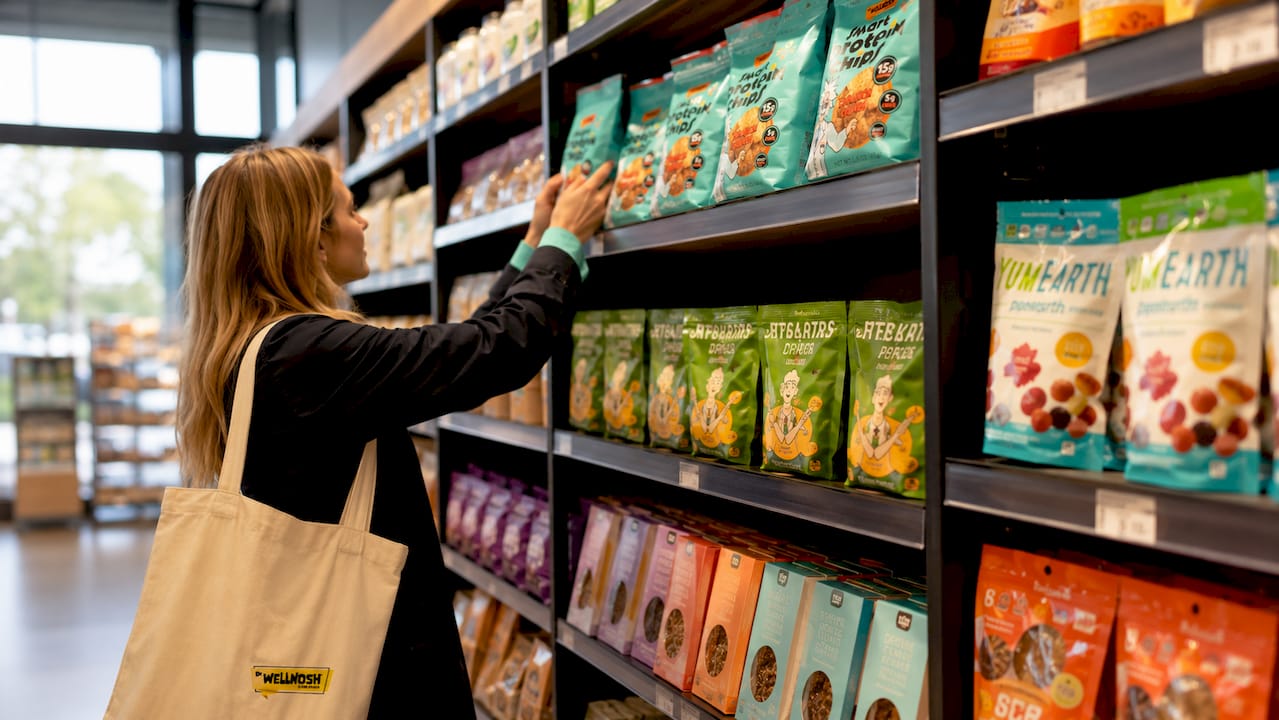
“Plant-based” does not automatically mean soy-free. Many plant-based products use textured soy protein as a low-cost binder, so label vigilance is the first skill to develop. The good news: the soy-free plant-based snack category has expanded considerably, and the options below cover bars, chips, crunchy legumes, and sweet treats.
Here’s a quick snapshot of standout soy-free plant-based snacks available in the US:
- Aloha Protein Bars — certified soy-free, free from common allergens, organic plant protein
- Wellnosh Smart Protein Chips — 15g fava bean protein per bag, cooked in avocado oil, non-GMO, gluten-free
- YumEarth Organic — certified allergen-free candies and snacks, non-GMO
- Blake’s Crispy Treats — soy-free crispy snacks, free from common allergens
- Annie’s Organic — certified soy-free options in familiar bar and cracker formats
- Lupini beans — a serving of 15 beans delivers 4g of plant protein at just 35 calories, with minimal ingredients
- PURIS Puffed Pea Crispies — non-GMO and free from the top 9 allergens, including soy, with 6g protein per serving
- Free2b Foods Crunchy Mung Beans — certified gluten-free, vegan, kosher, and soy-free, flavored with balsamic vinegar and smoked salt
The protein sources doing the heavy lifting here are fava beans, peas, chickpeas, lupini beans, and mung beans. Each delivers solid protein and fiber without the processing baggage that comes with soy concentrates or isolates.
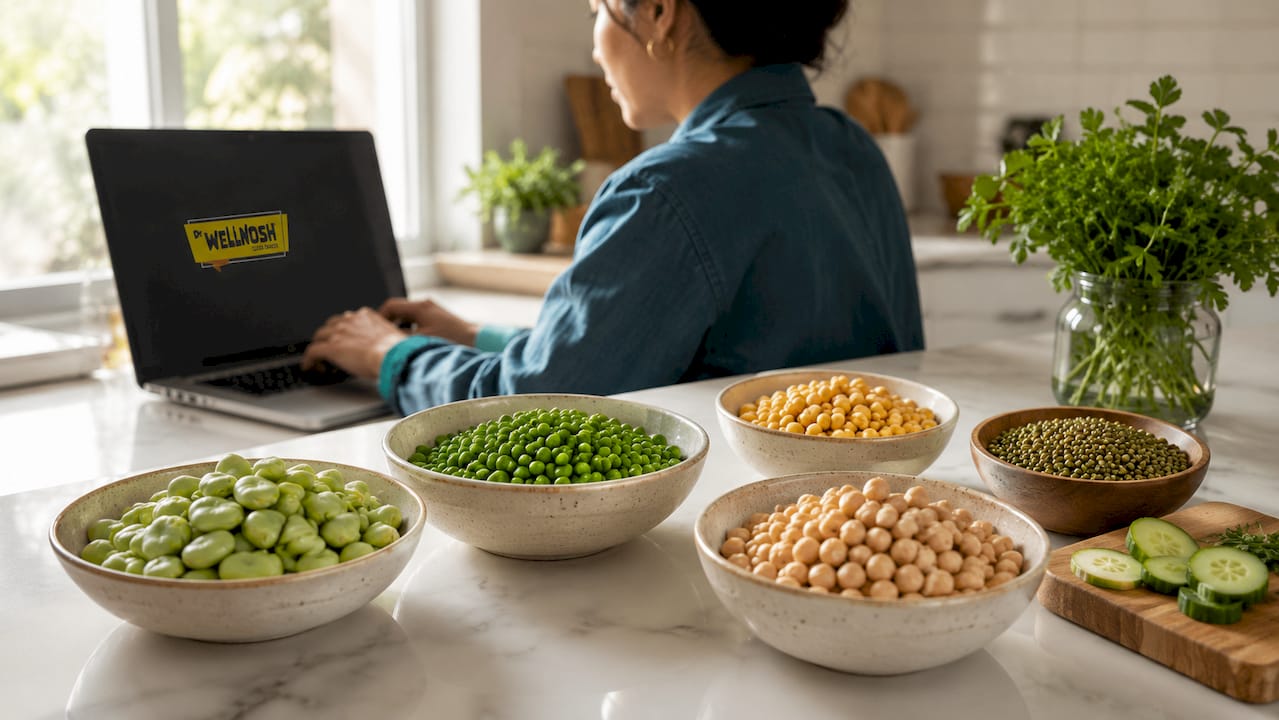
How do the top soy-free plant-based snacks compare?
Every product below is available in the US and carries either an explicit soy-free label or certified allergen-free status. The comparison covers snack type, protein content, key ingredients, allergen claims, processing level, and flavor variety.
| Product | Snack Type | Protein per Serving | Key Ingredients | Free-From Claims | Processing Level | Flavor Varieties | Best For |
|---|---|---|---|---|---|---|---|
| Aloha Protein Bars | Bar | 15g | Brown rice protein, pumpkin seed protein | Soy-free, dairy-free, gluten-free | Moderate | Multiple | Allergen-friendly protein bars |
| Wellnosh Smart Protein Chips | Chip | 15g | Fava bean protein, avocado oil | Soy-free, gluten-free, non-GMO, no added sugar | Minimal | Nacho Cheese, Celtic Salt, Chipotle BBQ, Cinnamon, Variety Pack | Clean-label, high-protein chips |
| YumEarth Organic | Candy/Snack | Low | Organic cane sugar, fruit extracts | Soy-free, gluten-free, non-GMO, top allergen-free | Minimal | Multiple candy formats | Allergy-safe sweet treats |
| Blake’s Crispy Treats | Crispy bar | Low | Seed-based ingredients | Soy-free, common allergen-free | Minimal | Limited | Allergy-conscious sweet snacks |
| Annie’s Organic | Bar/Cracker | Varies | Organic oats, rice flour | Certified soy-free (select items) | Moderate | Multiple | Organic family-friendly snacks |
| PURIS Puffed Pea Crispies | Crispy inclusion | 6g | Yellow field peas | Soy-free, top 9 allergen-free, non-GMO | Minimal | Unflavored | Clean-label protein addition |
| Free2b Crunchy Mung Beans | Crunchy legume | Moderate | Sprouted mung beans, balsamic vinegar | Soy-free, gluten-free, vegan, kosher | Minimal | Balsamic, select flavors | Savory allergen-safe snacking |
| Beyond Meat | Meat alternative | — | Pea protein, rice protein | Soy-free (select products) | High | Burger, Beef, Sausage, Meatballs | Soy-free vegan meat |
| Field Roast | Meat alternative | Varies | Grain protein, vegetables | Certified soy-free (select items) | High | Stadium Dogs, Roasts | Savory soy-free vegan meats |
| Quorn | Meat alternative | 8g | Mycoprotein (fungal) | Soy-free (select items), explicit allergen labeling | Moderate | Multiple | Allergen-conscious protein |
| Oatly | Oat milk | Low | Oats, water, rapeseed oil | Soy-free, certified allergen-conscious | Moderate | Original, Barista, Chocolate | Soy-free plant milk |
| Milkadamia | Nut milk | Low | Macadamia nuts, water | Soy-free certified | Minimal | Original, Unsweetened, Barista | Creamy soy-free milk |
| Ripple Foods | Pea protein milk | 8g | Yellow peas, sunflower oil | Soy-free, dairy-free | Moderate | Original, Vanilla, Chocolate | High-protein plant milk |
| Califia Farms | Plant beverage | Low | Almonds, oats, or coconut | Soy-free marked lines | Moderate | Multiple | Diverse plant milk options |
A note on certifications: The most trustworthy soy-free signal on any package is a “Certified Soy-Free” seal or a “Free From Top 9 Allergens” label. The FDA requires clear allergen disclosures on packaged foods, but certified third-party verification goes further than the legal minimum.
The protein leaders in the chip and bar category are Wellnosh, with notable protein per bag from fava beans, and Aloha, with a substantial protein amount per bar from brown rice and pumpkin seed protein. Both skip soy entirely and use whole-food-adjacent protein sources. For liquid nutrition, Ripple Foods provides a relatively high protein amount per serving from pea protein, making it among the more protein-dense plant milks on this list.
How do you find and choose a truly soy-free plant-based snack?
The label says “plant-based.” That tells you almost nothing about soy content. Here’s how to actually verify what you’re buying.
Read the ingredient list, not just the front panel
Soy appears under several names. Watch for: soy flour, textured soy protein (TSP), textured vegetable protein (TVP), soy lecithin, soy isolate, hydrolyzed soy protein, and edamame. Any of these means the product contains processed soy, regardless of how clean the branding looks.
The trickier problem is ambiguous ingredients like “natural flavors” or “modified food starch,” which can sometimes mask soy derivatives. The FDA requires allergen disclosure when soy is a major ingredient, but trace amounts in flavoring compounds can slip through without a clear label. When in doubt, look for a certified soy-free seal rather than relying on the ingredient list alone.
Certifications that actually mean something
- Certified Soy-Free (third-party verified)
- Free From Top 9 Allergens (covers soy, dairy, gluten, peanuts, tree nuts, eggs, wheat, fish, shellfish)
- Non-GMO Project Verified (not a soy-free guarantee, but signals ingredient transparency)
- USDA Organic (reduces likelihood of soy additives, though not a soy-free certification)
Whole-food vs. highly processed: why it matters
Extrusion processing is the dominant method for creating textured protein in plant-based snacks. It involves milling proteins into flour and cooking them under pressure to build texture. The process itself is not harmful, but it often involves soy or pea proteins at high refinement levels. A chip made from whole fava beans cooked in avocado oil is a fundamentally different product from an extruded soy protein puff, even if both call themselves plant-based.
Look for short ingredient lists with recognizable whole-food ingredients. Pea protein, chickpea flour, fava bean protein, and oat flour are all reasonable. Soy protein isolate, hydrolyzed soy, and textured soy protein are the ones to skip.
Where to buy soy-free plant-based snacks in the US
- Natural grocery chains: Whole Foods Market, Sprouts Farmers Market, and Natural Grocers carry the widest certified soy-free selections.
- Online: Amazon, Thrive Market, and brand websites (Wellnosh, Aloha, YumEarth) offer direct purchasing with full ingredient transparency.
- Curated allergen-friendly boxes: Services like The Good Grocer specialize in allergy-safe snack assortments, with every item verified free from soy, dairy, gluten, peanuts, tree nuts, and eggs.
- Mainstream retailers: Target and Walmart carry Beyond Meat, Oatly, Califia Farms, and Annie’s Organic, though the certified soy-free selection is narrower.
Pro Tip: Pair a packaged soy-free snack with a whole food to boost staying power. A bag of Wellnosh chips with a handful of raw almonds, or lupini beans alongside apple slices, gives you protein, fiber, and carbohydrates in one sitting without reaching for a second bag.
Plant-based dietitians consistently recommend pairing packaged snacks with whole foods for balanced nutrition, especially when the packaged option is higher in sodium or lower in fiber than a whole-food alternative.
What alternative proteins replace soy in plant-based snacks?
The shift away from soy in plant-based snacking is being driven by a handful of ingredients that deliver comparable protein and texture without the allergen risk. Pea protein, fava beans, chickpeas, lupini beans, and mung beans are leading that charge in 2026, and each brings something distinct to the table.
Pea protein
Yellow split peas are the most widely used soy substitute in plant-based snacks. Pea protein is relatively neutral in flavor, high in lysine (an amino acid often low in plant foods), and works well in extruded formats. PURIS Puffed Pea Crispies deliver 6g of protein per serving from US-grown yellow field peas, with no soy and no top-9 allergens. Ripple Foods uses pea protein as the base for its milk alternative, hitting 8g per serving.
Fava beans
Fava bean protein is the standout ingredient in Wellnosh Smart Protein Chips, delivering 15g per bag. Fava beans are high in protein and fiber, naturally soy-free, and non-GMO. They also have a slightly earthy, savory flavor that works well in chip applications. You can explore fava bean snack alternatives if you want to see how other brands are using this ingredient.
Chickpeas
Chickpea flour is a staple in soy-free snack formulations, appearing in puffed snacks, crackers, and protein bars. Chickpeas are naturally high in both protein and fiber, and their mild flavor makes them versatile. They’re also one of the clean-label ingredients driving the 2026 trend toward shorter, more transparent ingredient lists.
Lupini beans
Lupini beans are one of the most protein-dense legumes available, and they’re gaining traction as a snack in their own right. A serving of lupini beans contains a modest amount of calories and plant protein, with a briny, olive-like flavor that makes them satisfying without added sugar or artificial seasoning. They’re naturally soy-free and typically packaged with just beans, salt, and vinegar.
Mung beans
Sprouted mung beans are the base for Free2b Foods’ Crunchy Mung Beans, which are certified soy-free, gluten-free, vegan, and kosher. The sprouting process increases digestibility and nutrient availability. Mung beans are mild enough to take on bold flavors like balsamic vinegar and smoked salt without tasting like health food.
Nuts and seeds
Almonds, cashews, sunflower seeds, and pumpkin seeds appear frequently in soy-free bars and trail mixes. They contribute healthy fats, moderate protein, and satisfying crunch. Aloha Protein Bars use pumpkin seed protein alongside brown rice protein for a complete amino acid profile without soy.
Here’s a quick reference on the protein profile of common soy-free ingredients:
| Ingredient | Protein per Serving | Fiber | Key Benefit |
|---|---|---|---|
| Fava bean protein | 15g (per Wellnosh bag) | Moderate | High protein, clean label |
| Pea protein | 6–8g | Low-moderate | Neutral flavor, widely available |
| Lupini beans | 4g (15 beans) | High | Very low calorie, whole food |
| Chickpeas | 6g | High | Versatile, fiber-rich |
| Mung beans (sprouted) | 4g | Moderate | Digestible, allergen-safe |
| Pumpkin seed protein | 5–8g | Moderate | Complete amino profile |
One consideration worth flagging: some soy-free snacks swap soy for other common allergens. Nuts, lupini (a legume that cross-reacts with peanuts in some people), and gluten-containing grains can all appear in soy-free formulations. Always check the full allergen statement, not just the soy-free claim. For families navigating multiple food allergies, the vegan protein chips guide covers several multi-allergen-free options worth bookmarking.
Which soy-free vegan meat and dairy alternatives pair well with snacks?
Soy-free eating extends well beyond the chip aisle. If you’re building a fully soy-free plant-based diet, the meat and dairy alternative categories have solid options that complement snack-time choices.
Soy-free vegan meat alternatives:
- Beyond Meat (Burger, Beef, Sausage, Meatballs): Beyond Meat’s core products use pea protein as the primary protein source, making them soy-free in most formulations. Always verify the specific product label, as formulations can vary.
- Field Roast (Signature Stadium Dogs, Roasts): Field Roast offers certified soy-free selections built on grain protein and vegetables. Their Stadium Dogs are a practical grab-and-go option that pairs naturally with soy-free condiments.
- Quorn (selected soy-free items): Quorn’s mycoprotein base is derived from a fungal source, not soy. Selected products carry explicit soy-free allergen labeling. Mycoprotein is one of the more unusual protein sources in this category, with a texture that mimics chicken or ground meat closely.
Soy-free plant-based dairy alternatives:
- Oatly: Oatly’s oat milk lines are certified soy-free and allergen-conscious. The Barista Edition is particularly popular for coffee drinks and smoothies.
- Milkadamia: Made from macadamia nuts, Milkadamia is certified soy-free and delivers a noticeably creamier texture than most nut milks. It’s a strong choice for anyone avoiding both soy and almonds.
- Ripple Foods: Pea protein milk with 8g of protein per serving. Ripple is the highest-protein plant milk on this list and works well as a post-snack recovery drink or smoothie base.
- Califia Farms: Califia’s soy-free marked lines include almond milk, oat milk, and coconut creamers. Their allergen labeling is clear, and the product range is wide enough to cover most dairy replacement needs.
Pairing these with your soy-free snacks rounds out a full eating pattern. A Wellnosh chip bag with a glass of Ripple pea milk, for example, gets you close to 23g of plant protein from two clean-label sources. That’s a meaningful snack for anyone tracking protein intake without relying on soy.
For creative ways to season soy-free plant-based meals and snacks, vegan all-purpose seasoning can add flavor without introducing hidden soy through spice blends.
Wellnosh chips are the clean-label soy-free snack worth trying
If you’ve read this far, you know what to look for: short ingredient lists, certified soy-free status, real protein from whole-food sources, and no seed oils or artificial additives. Wellnosh Smart Protein Chips check every one of those boxes.
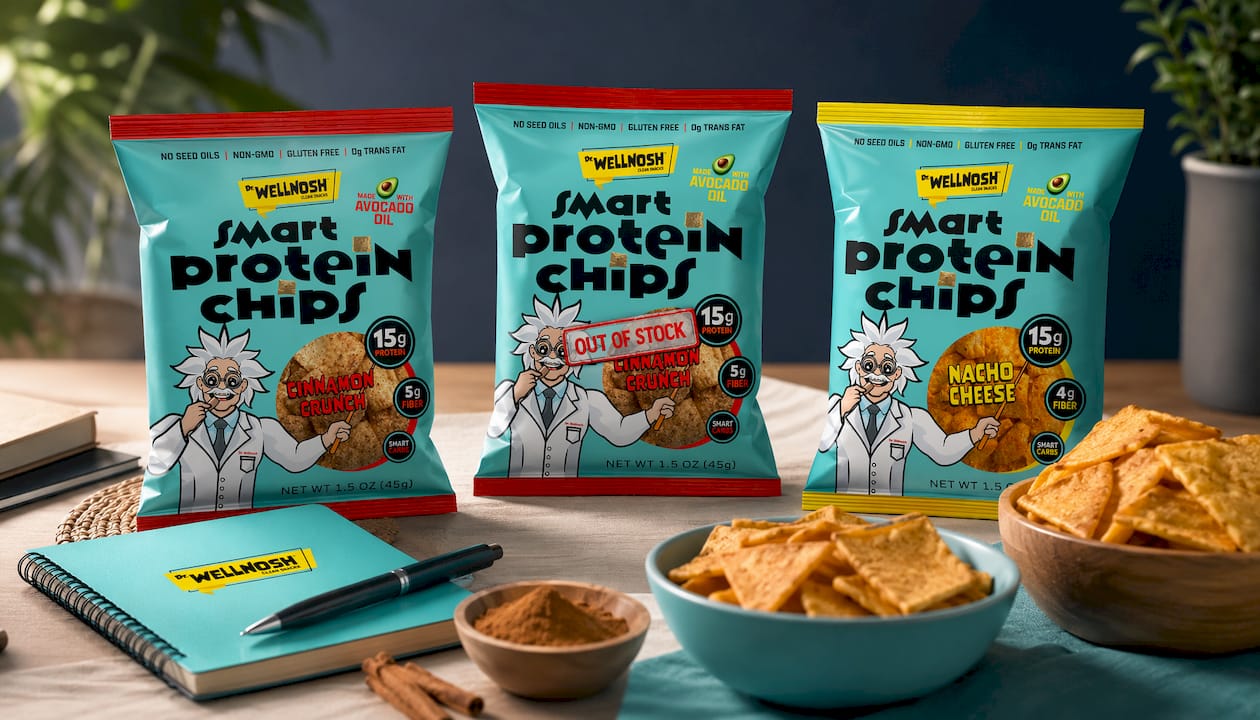
Each bag delivers 15g of fava bean protein, cooked in avocado oil, with no added sugar, no gluten, and no GMO ingredients. The flavor lineup covers savory and sweet: Nacho Cheese, Celtic Salt, Chipotle Barbecue, and Cinnamon. The Cinnamon flavor is particularly popular for anyone who wants a sweet snack that still delivers serious protein. The Nacho Cheese chips hit the savory craving without the greasy finish of conventional chips.
Wellnosh is the answer for plant-based snackers who are tired of choosing between taste and a clean label. No soy, no seed oils, no ingredient you’d need a chemistry degree to pronounce. Just fava bean protein, avocado oil, and real flavor.
Key Takeaways
The most reliable way to find a genuine plant-based snack without processed soy is to look for third-party certified soy-free labels and ingredient lists built around whole-food proteins like fava beans, peas, or lupini beans.
| Point | Details |
|---|---|
| Certification beats label claims | Look for “Certified Soy-Free” or “Free From Top 9 Allergens” seals, not just front-panel marketing. |
| Fava and pea protein lead | Fava beans (15g per Wellnosh bag) and pea protein (6–8g per serving) are the strongest soy-free protein sources in packaged snacks. |
| Hidden soy is real | “Natural flavors” and “modified food starch” can mask soy derivatives; certified seals close that gap. |
| Whole foods amplify packaged snacks | Pairing a packaged soy-free snack with fruit, nuts, or legumes boosts fiber, protein, and staying power. |
| Wellnosh for high-protein chips | Wellnosh Smart Protein Chips deliver 15g fava bean protein per bag, cooked in avocado oil, with no soy, gluten, or added sugar. |


