

· By Dr. Wellnosh
The Best Snacks That Keep You Full All Day
The simplest rule for staying full between meals: choose snacks that combine protein + fiber, and add a little healthy fat when you can. Aim for a moderate amount of protein and calories per snack to cover most hunger situations. Dietetic guidance consistently backs this combination as the most effective satiety strategy.
Five snacks you can grab right now:
- Greek yogurt + berries — ~15 g protein, fiber from fruit, takes 90 seconds
- Hard-boiled eggs + a small handful of almonds — ~12 g protein, healthy fat, zero prep if boiled ahead
- Edamame (shelled, salted) — ~18 g protein per cup, high fiber, microwaveable from frozen
- Hummus + sliced veggies — protein and fiber in one dip, portable in a small container
- Wellnosh protein chips — 15 g fava bean protein per bag, cooked in avocado oil, no seed oils, grab and go
Key Takeaways
The most effective snacks that keep you full combine protein and fiber in every sitting, with 8–20 g of protein and 150–300 calories as the practical target for most people.
| Point | Details |
|---|---|
| Core satiety rule | Combine protein + fiber (± healthy fat) in every snack to slow digestion and stabilize blood sugar. |
| Protein target per snack | Aim for 8–20 g protein; Diet Doctor’s high-satiety benchmark is at least 12 g per snack. |
| Calorie range | Most effective snacks fall between 150–300 calories; Harvard Health places many suggestions at 150–200 calories. |
| Label check | Look for 8+ g protein, 3+ g fiber, under 5 g added sugar, and no seed oils in the first ingredients. |
| Wellnosh option | Wellnosh protein chips deliver a notable amount of fava bean protein per bag, cooked in avocado oil, gluten free, and low carb. |
Table of Contents
- Why protein + fiber (and some healthy fat) keep you full
- 12 filling snack ideas organized by how you actually eat
- How much to eat and when to snack
- How to read a label and shop for filling packaged snacks
- Filling snack picks by diet type
- Common misconceptions about snacks and fullness
- Quick assembly ideas that actually improve satiety
- Why satiety-first design matters in snack formulation
- Wellnosh protein chips: a ready-made filling snack
- Sources
Why protein + fiber (and some healthy fat) keep you full
Protein slows gastric emptying, which means food stays in your stomach longer and blood glucose rises more gradually. That gradual rise is what prevents the sharp crash that sends you hunting for a second snack 45 minutes later. Fiber adds physical volume and requires more chewing, both of which signal fullness to your brain before you’ve overeaten. Healthy fats extend that window further by slowing digestion even more.
Protein dose matters. Harvard Health notes that the body processes protein most effectively in doses of about 20–40 g per sitting. For a snack (not a meal), a practical target is 8–20 g — enough to trigger satiety signals without overshooting what your body can use at once. Greek yogurt delivers roughly 12–18 g per cup; edamame hits about 18 g per cup.
Single-macro snacks — a plain rice cake, a handful of grapes, even a protein bar with no fiber — tend to disappoint. The combination is what holds. A cup of plain Greek yogurt with a handful of blueberries beats either food alone because you get protein, fiber, and a small amount of natural sugar that doesn’t spike hard.
Pro Tip: Build every snack around the P+P model: one protein source + one produce item. It’s the easiest single behavior change for stable energy and fewer cravings, according to registered dietitians.
One more lever people underestimate: water. Drinking 8–12 oz alongside a snack adds stomach volume and can reduce how much you eat by making you feel fuller faster. It’s not a substitute for protein or fiber, but it amplifies both.
12 filling snack ideas organized by how you actually eat
On-the-go portable
- Hard-boiled eggs (2) + 12 almonds — ~14 g protein, healthy fat, fits in a zip bag; prep a week’s worth Sunday night
- String cheese + an apple — ~8 g protein, ~4 g fiber; the apple’s pectin slows sugar absorption
- Beef or turkey jerky (1 oz) — ~10 g protein, shelf-stable, a reliable portable option for long days away from a fridge
- Wellnosh protein chips — 15 g fava bean protein per bag, non-GMO, gluten free, low carb, cooked in avocado oil; no greasy hands, no seed oils; a direct swap for vegan protein chip alternatives that actually satisfy
Make-ahead / prepped
- Greek yogurt parfait — layer plain Greek yogurt, berries, and a tablespoon of chia seeds; ~18 g protein, ~6 g fiber; prep 3–4 jars at once
- Boiled edamame (1 cup, shelled) — ~18 g protein, ~8 g fiber; season with sea salt and refrigerate in portions
- Cottage cheese + sliced cucumber — ~14 g protein per ½ cup; mild flavor, high volume, low calorie
Pantry / shelf-stable
- Roasted chickpeas (¼ cup) — ~7 g protein, ~5 g fiber; season yourself or buy unsweetened; budget-friendly at under $2 per serving
- Canned tuna on whole-grain crackers (3–4) — ~20 g protein per 3 oz can; pair with mustard instead of mayo to keep calories in range
- Nut butter (2 tbsp) + celery sticks — ~7 g protein, ~2 g fiber, satisfying crunch with healthy fat
Sweet cravings done right
- Cottage cheese + a drizzle of honey + walnuts — ~16 g protein, natural sweetness, omega-3 fat
- Plain Greek yogurt + frozen mango chunks — ~15 g protein; the frozen fruit slows eating pace and adds fiber
AICR-registered dietitians consistently rank whole-food protein-and-fiber combos — Greek yogurt with berries, hummus with vegetables, hard-boiled eggs — as top satiety choices.
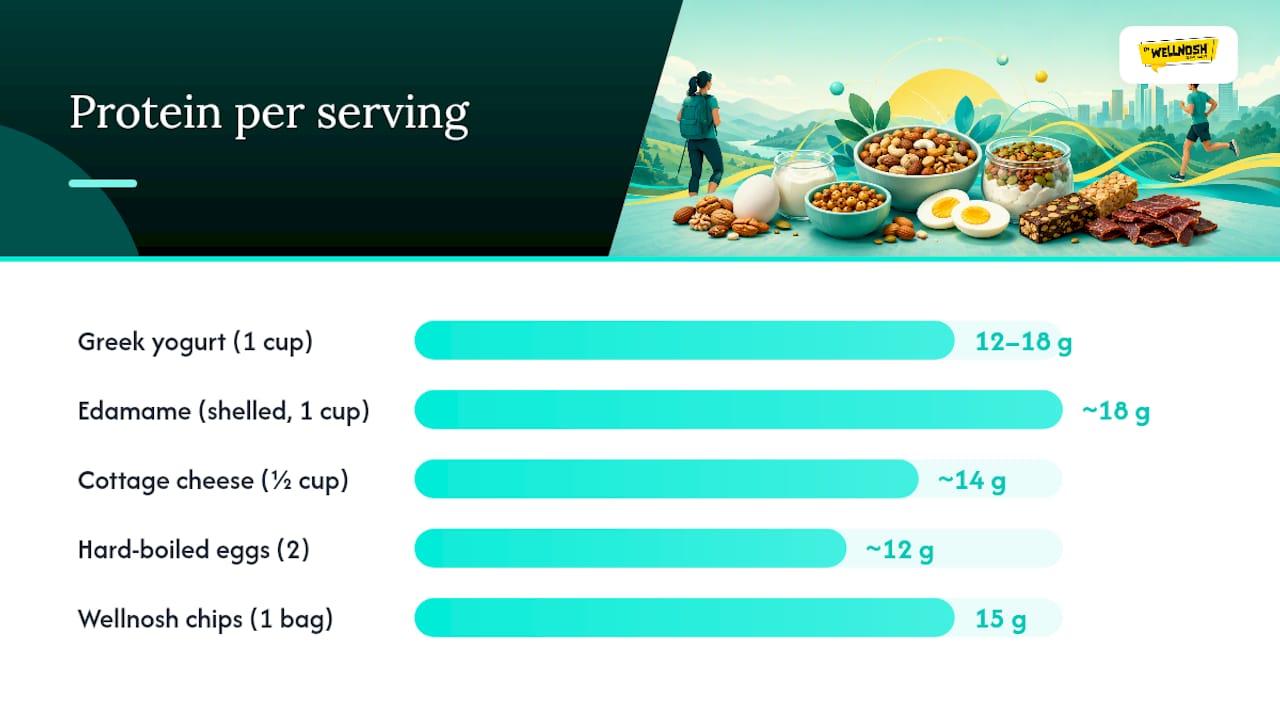
High-satiety staples: protein per serving
| Snack | Serving | Protein |
|---|---|---|
| Greek yogurt (plain) | 1 cup | 12–18 g |
| Edamame (shelled) | 1 cup | ~18 g |
| Cottage cheese | ½ cup | ~14 g |
| Hard-boiled egg | 2 eggs | ~12 g |
| Wellnosh protein chips | 1 bag | 15 g |
How much to eat and when to snack
Aim for 150–300 calories and 8–20 g of protein per snack. Harvard Health’s low-calorie snack guidance places many well-balanced snack suggestions in the 150–200 calorie range, which covers most people’s needs between meals. If you’re very active or your next meal is more than four hours away, the upper end of that range makes sense.
Snack when you’re actually hungry, not by the clock:
- Eat if your stomach is growling and your next meal is 2+ hours away
- Skip the snack if you just ate within the last 90 minutes or you’re eating out of boredom
- Most people do well with 0–2 snacks per day; more than that often signals meals aren’t filling enough
Quick examples by calorie/protein target:
- ~150 cal / ~12 g protein: 2 hard-boiled eggs + 6 almonds
- ~200 cal / ~15 g protein: ¾ cup Greek yogurt + ½ cup berries
- ~250 cal / ~18 g protein: 1 cup edamame + a small orange
For clean snacks that hold up through a workday, the key is prepping portions in advance so you’re not making decisions when you’re already hungry.
How to read a label and shop for filling packaged snacks
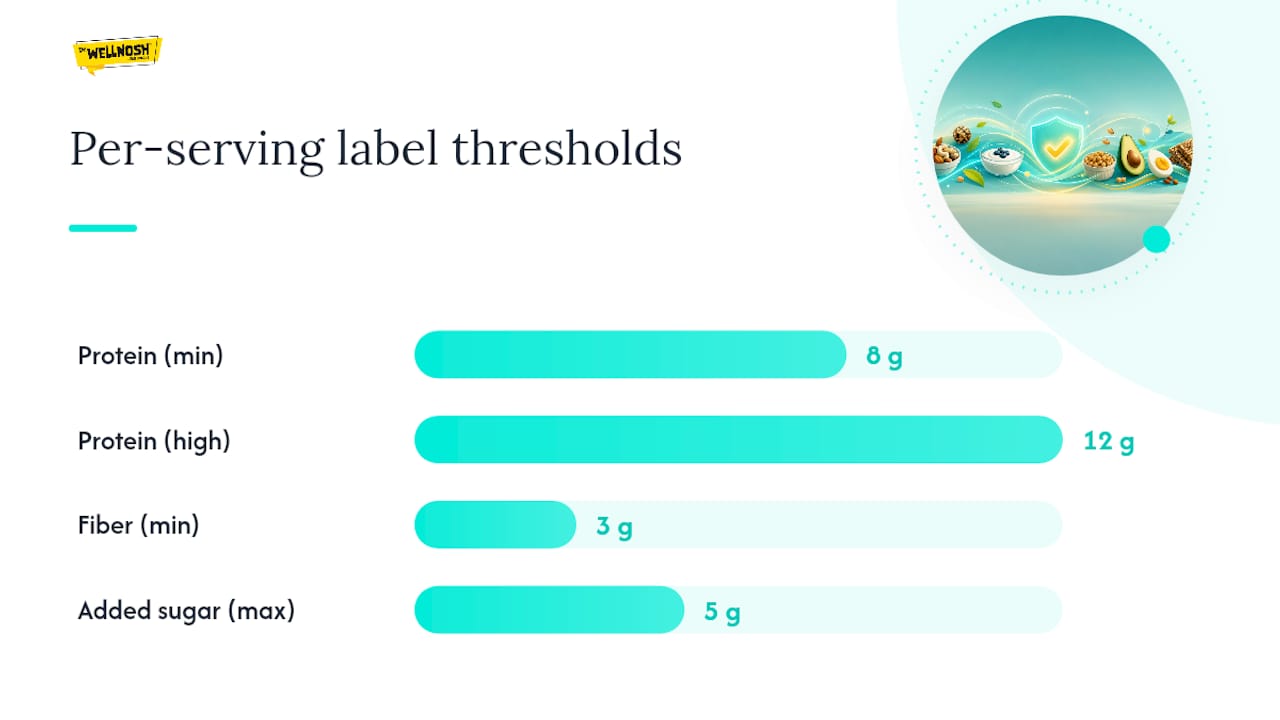
Start with four numbers: protein grams, fiber grams, added sugar, and the first fat listed.
- Protein: look for at least 8 g per serving; 12 g or more puts you in Diet Doctor’s high-satiety range of snacks that suppress hunger until the next meal
- Fiber: 3 g or more per serving is a solid floor; 5 g+ is better
- Added sugar: under 5 g is acceptable; over 10 g in a snack is closer to dessert
- Oils: avoid sunflower, canola, soybean, and corn oil in the first few ingredients; prefer avocado oil, olive oil, or coconut oil
- Sodium: under 300 mg per serving keeps most people in a reasonable daily range
Budget-friendly swap: roasted chickpeas or legume-based chips cost less per gram of protein than most protein bars and skip the long ingredient lists. Replacing sugary snacks with protein options that have real ingredients is one of the highest-return label habits you can build.
Pro Tip: Ignore the front of the package entirely. “High protein,” “natural,” and “wholesome” are marketing words with no legal definition. Flip to the nutrition facts and ingredient list — that’s where the real story is. Label-savvy practitioners prefer plain dairy or unsweetened plant alternatives sweetened with fresh fruit, and single-ingredient nuts over flavored mixes.
Filling snack picks by diet type
Plant-based / vegan: Edamame, roasted chickpeas, hummus + veggies, and plant-based snacks without processed soy like fava bean chips cover protein without animal products. Swap cottage cheese for silken tofu blended with a pinch of salt and lemon, then top with fruit. AICR dietitians include both plant and animal options so vegan and omnivore readers get equivalent satiety choices.
Low-carb / keto: Hard-boiled eggs, string cheese, beef jerky (watch for added sugar), and legume-based protein chips with low net carbs. Avoid fruit-heavy pairings; swap berries for cucumber or celery.
Gluten-free: Most whole-food snacks are naturally gluten-free. Watch crackers and flavored chips — many contain wheat starch. Wellnosh protein chips are certified gluten free, making them a reliable crunchy option.
Higher protein needs (athletes, active adults): Double the portion of Greek yogurt or edamame, or pair two protein sources. Plant protein snacks for athletes can hit 20+ g protein per snack without meat.
Common misconceptions about snacks and fullness
“Low-calorie snacks keep you fuller.” Calorie count and satiety are not the same thing. A 100-calorie pack of rice crackers will leave you hungry in 30 minutes. A 200-calorie snack with 15 g protein and 5 g fiber will hold you for 2–3 hours. Volume and macronutrient quality matter far more than the calorie number alone.
“Eating more often speeds up metabolism.” Snacking frequency doesn’t meaningfully change metabolic rate. What it does do is help some people avoid overeating at meals. If three meals a day keeps you satisfied, adding snacks adds calories without benefit.
“Protein bars are always a good snack.” Many popular bars contain 20+ g of added sugar and seed oils, with protein from collagen (which is incomplete) or heavily processed isolates. Read the label the same way you would any packaged food.
“Fat makes you fat, so skip it in snacks.” Healthy fats from nuts, avocado, and quality oils slow digestion and extend fullness. Cutting fat from snacks often means replacing it with sugar or refined starch, which does the opposite.
Quick assembly ideas that actually improve satiety
The biggest gap between knowing what to eat and actually eating it is prep. A few habits close that gap fast.
Batch-prep once a week: Boil 6–8 eggs, portion nuts into small bags (about 12–15 nuts each), and pre-fill 4–5 small containers with hummus or Greek yogurt. When hunger hits, you grab rather than decide.
The two-ingredient rule: Every snack needs at least two components — one protein, one fiber source. A banana alone is not a snack; a banana + 2 tbsp almond butter is. This single rule eliminates most poor snack choices automatically.
Freeze for texture: Frozen grapes, frozen mango chunks, or frozen edamame slow your eating pace and add a satisfying cold crunch. Slower eating gives satiety hormones time to signal fullness before you’ve overeaten.
Portion before you open: For packaged snacks, pour one serving into a bowl before eating. Eating directly from a bag removes the visual cue of how much you’ve consumed, and most people eat significantly more that way.
Why satiety-first design matters in snack formulation
Most snack products are engineered to be eaten quickly and leave you wanting more. The combination of refined starch, seed oils, and added sugar creates a rapid blood-sugar spike followed by a crash that triggers the next craving. Designing against that pattern requires starting with a different protein source entirely.
Wellnosh chips are built around fava bean protein — 15 g per bag — because legume protein delivers both protein and fiber in a single ingredient, which is structurally different from whey-dusted corn chips. Cooking in avocado oil instead of seed oils means the fat profile supports rather than undermines the satiety goal. Non-GMO, gluten free, low carb, no added sugar: each of those choices removes a common satiety disruptor.
Portable, genuinely crunchy, and clean enough to read the label aloud without hesitation. That’s the standard.
Wellnosh protein chips: a ready-made filling snack
If you want a snack that hits the protein + fiber standard without any prep, Wellnosh protein chips deliver 15 g of fava bean protein per bag, cooked in avocado oil, with no seed oils, no added sugar, and a short ingredient list you can actually read.
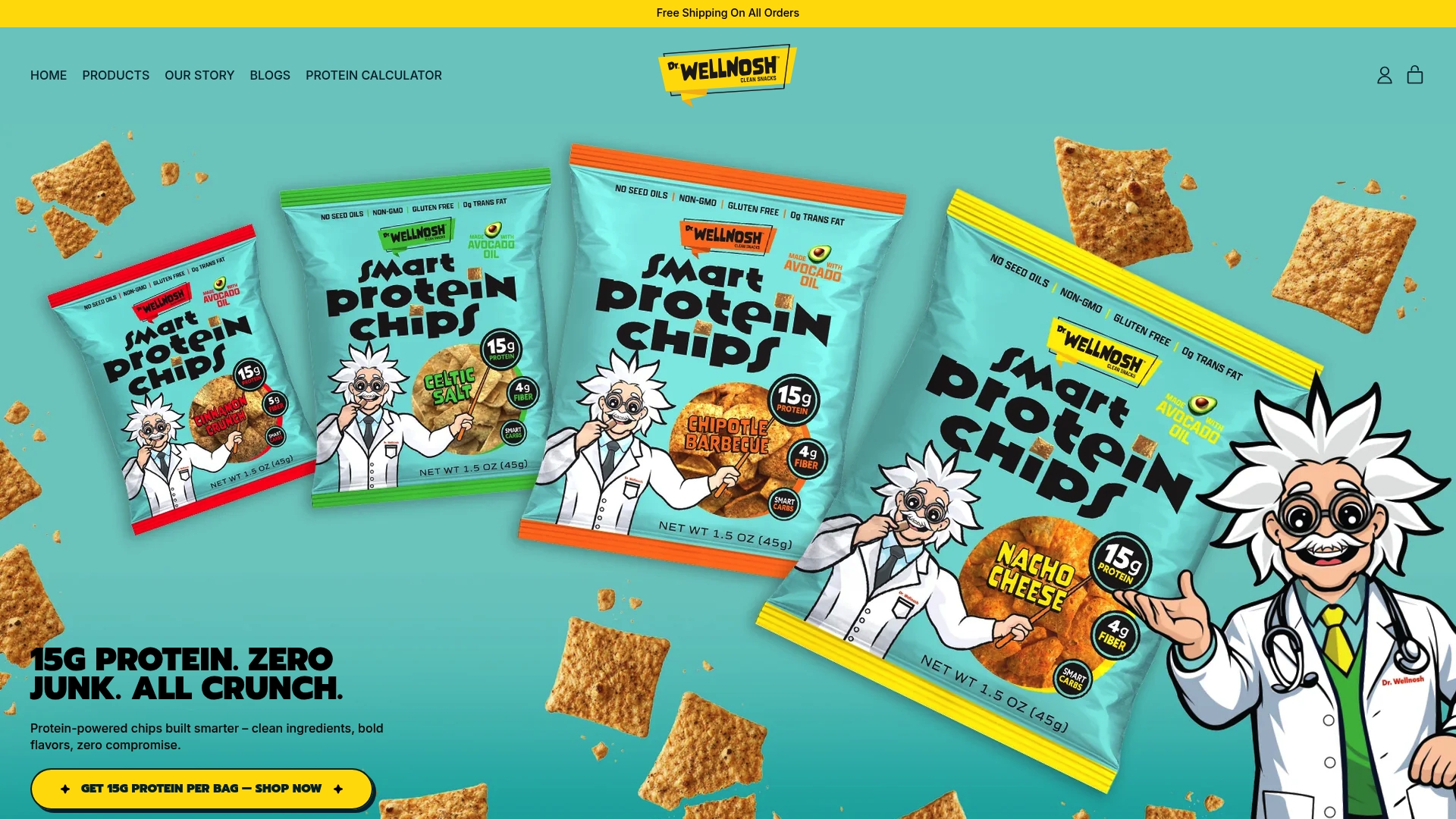
Toss a bag in your gym bag, desk drawer, or carry-on. The Chipotle Barbecue flavor is a current fan favorite for savory cravings. The Cinnamon variety and additional Chipotle Barbecue stock are available to browse for restocking updates. Choose a one-time order or subscribe and save for consistent supply. Shop Wellnosh now and skip the label-reading guesswork at the store.
Sources
- 10 high-protein snacks that keep you feeling full longer - EatingWell
- High-protein snacks to build muscle and keep hunger at bay - Harvard Health
- 30 Healthy Snack Ideas from Registered Dietitians - AICR
- 17 tasty high-satiety snacks – Diet Doctor


