

· By Dr. Wellnosh
Plant Protein Snacks for Athletes: Fuel and Recover Better
The best plant protein snacks for athletes combine complete amino acid profiles, clean ingredients, and enough protein per serving to actually move the needle on muscle repair and energy. Think roasted chickpeas, edamame, hemp seeds, pea protein smoothies, and fava bean protein chips, not just a handful of almonds. Research on protein timing shows athletes benefit most from consuming roughly 30g of protein every three hours to keep muscle protein synthesis running between sessions.
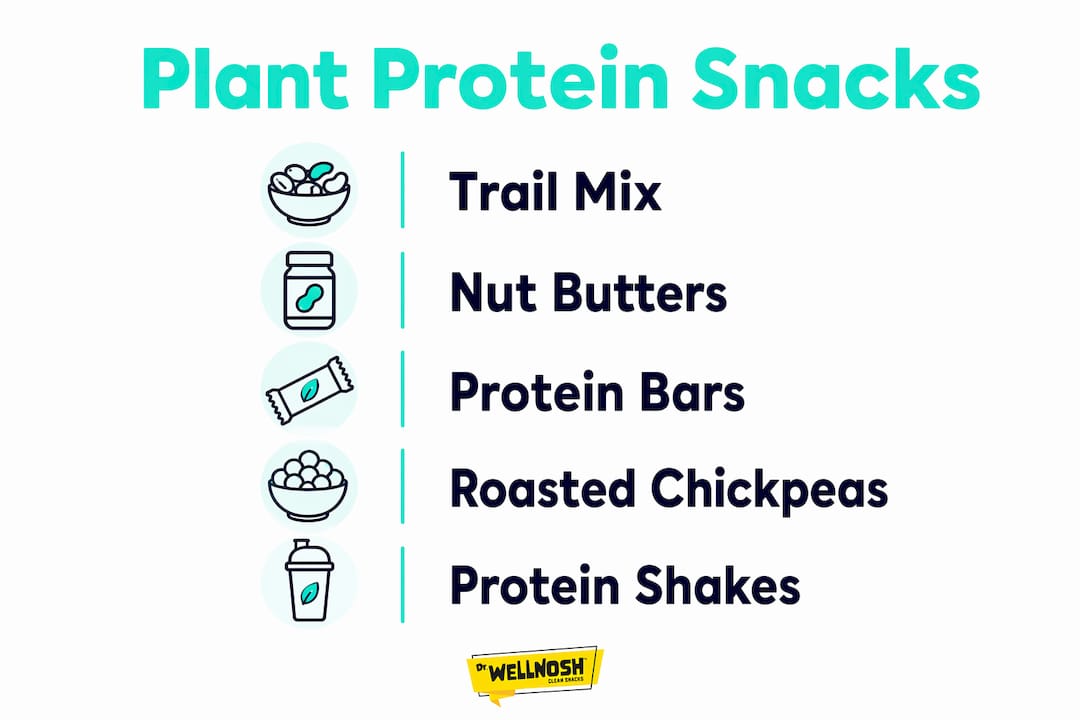
Here is a quick-reference list of the top plant-based snack categories worth building into your rotation:
- Trail mix with pumpkin seeds, hemp seeds, and walnuts
- Nut butters paired with banana or apple slices
- Roasted chickpeas or lentils for crunchy, portable protein
- Plant-based protein bars delivering 10–20g protein per serving
- Protein shakes and smoothies using pea or brown rice protein powder
- Whole grain crackers or pita with hummus or white bean spread
- Plant-based yogurt topped with chia seeds and mixed berries
- Edamame (fresh or dry-roasted) as a grab-and-go option
- Tofu bites marinated and baked for a savory post-workout snack
- Fava bean protein chips like Wellnosh for 15g protein in a single bag
The best plant protein snacks for athletes, explained
1. Trail mix with seeds and nuts
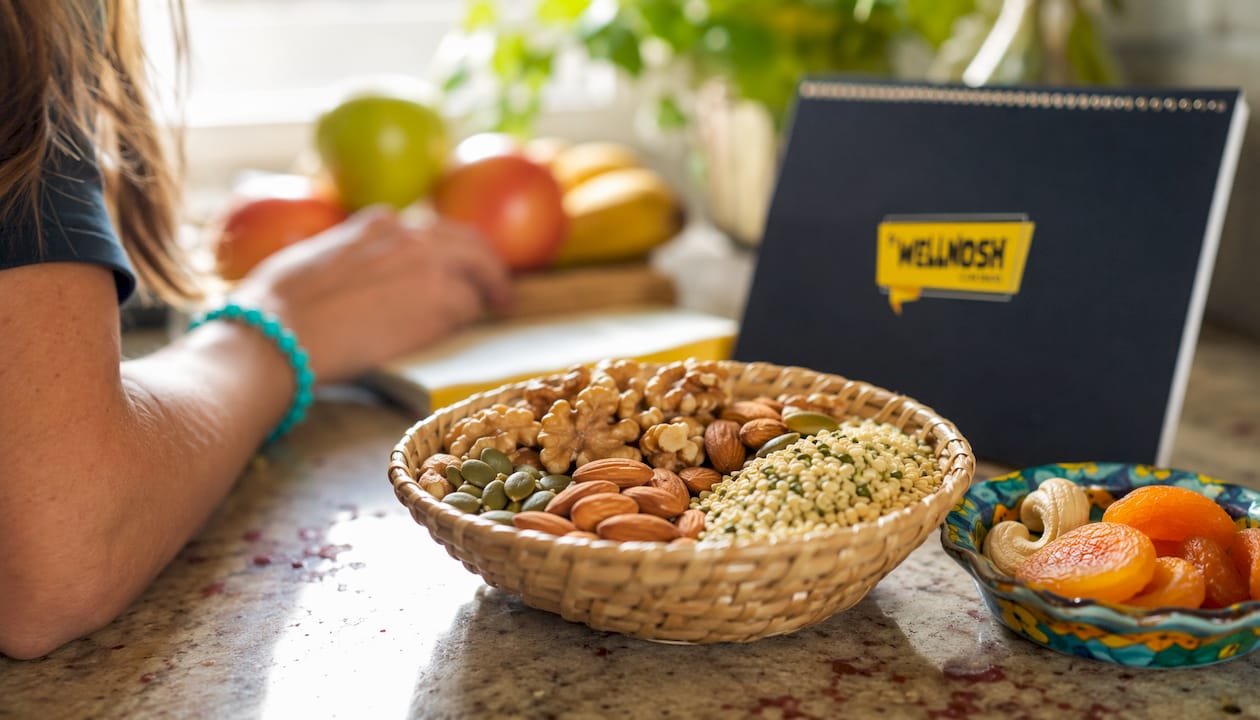
Trail mix earns its spot because the right blend delivers protein, healthy fats, and fast carbs in one handful. Prioritize pumpkin seeds and hemp seeds over peanuts alone. Pumpkin seeds pack roughly 9g of protein per ounce, and hemp seeds contribute all nine essential amino acids, making them one of the few plant foods that qualify as a complete protein on their own. Add dried tart cherries or goji berries for carbohydrate replenishment without a sugar crash.
2. Nuts and seeds as standalone snacks
Almonds, walnuts, sunflower seeds, and chia seeds each bring a different amino acid contribution. No single nut covers the full spectrum, but rotating through a few during the day fills most gaps. Chia seeds are worth calling out specifically: they supply omega-3 fatty acids alongside protein, which supports the anti-inflammatory recovery process athletes need after hard training blocks.
3. Nut butters with fruit
Almond butter on a banana is one of the most underrated pre-workout combinations. You get a moderate protein hit from the almond butter, fast-acting carbohydrates from the banana, and potassium to reduce cramping. Two tablespoons of almond butter delivers around 7g of protein. Pair it with a rice cake if you want to keep the glycemic load lower before a long run or lift.
4. Plant-based protein bars
Protein bars in the performance category now deliver between 10g and 20g of protein per serving, with the best options using whole-food bases like dates, oats, or nuts rather than sugar alcohols and artificial sweeteners. Read the ingredient list before buying. A protein bar with a moderate protein content and a short, recognizable ingredient list will serve you better than one with more protein but a paragraph of additives that slow digestion.
5. Protein shakes and smoothies
Smoothies let you hit the 30g post-workout protein target that research links to effective muscle recovery, something most whole-food snacks alone cannot reach. Blend pea protein powder with frozen mango, spinach, and oat milk for a complete amino acid profile and a solid carbohydrate base. Brown rice protein powder works well in combination with pea protein because the two complement each other’s amino acid gaps.

6. Roasted chickpeas and lentils
Roasted chickpeas are one of the most practical high-protein plant snacks you can carry. A half-cup serving of cooked chickpeas provides around 7g of protein alongside a meaningful dose of fiber, which slows glucose absorption and keeps energy steady. Lentils follow a similar profile. Both are legume-based, and legume protein is well-studied for its role in muscle maintenance when consumed consistently across the day.
Pro Tip: Toss chickpeas in smoked paprika and cumin before roasting at 400°F for 25 minutes. They stay crunchy for three days in an airtight container, making batch prep easy for a full training week.
7. Whole grain crackers and pita with hummus
Whole grain crackers or pita paired with hummus create a protein-plus-complex-carb combination that works well as a mid-afternoon snack between training sessions. Hummus is chickpea-based, so you are doubling down on legume protein. The whole grain base adds B vitamins and sustained energy from complex carbohydrates, which matters more for endurance athletes than it often gets credit for.
8. Plant-based yogurt with seeds and berries
Coconut or soy-based yogurt topped with chia seeds, hemp hearts, and blueberries gives you protein, probiotics, and antioxidants in one bowl. Soy yogurt tends to have the highest protein content among plant-based options, often reaching 6–8g per serving before you add seeds. The probiotic cultures support gut health, which directly affects how well you absorb the protein you eat throughout the day.
9. Tofu and edamame
Edamame is one of the few plant foods that delivers a complete amino acid profile in a single ingredient. A cup of shelled edamame provides a substantial amount of protein. Dry-roasted edamame is shelf-stable and portable, making it a practical gym bag option. Tofu bites, baked with tamari and garlic, work as a savory post-workout snack that travels well in a small container.
10. Wellnosh plant-based protein chips
Wellnosh chips deliver 15g of fava bean protein per bag, cooked in avocado oil with no seed oils, no artificial additives, no GMOs, no gluten, and no added sugar. Fava bean protein is a high-quality legume source with a strong amino acid profile, and the avocado oil base keeps the fat profile clean without the inflammatory concerns tied to seed oils. Flavors include Nacho Cheese, Cinnamon, Celtic Salt, and Chipotle Barbecue, so there is a savory and a sweet option for every craving window. Athletes who want a snack that genuinely replaces chips without sacrificing protein or taste have a real option here.
What makes a plant protein snack actually complete?
Not all plant proteins are created equal, and for athletes, the difference between a complete and incomplete protein source affects how well you recover. A complete protein contains all nine essential amino acids your body cannot produce on its own. Most individual plant foods fall short on one or two, which is why combining sources matters.
Blends of pea, brown rice, pumpkin seed, and hemp protein together achieve a PDCAAS score approaching 0.97, nearly matching the usability of animal proteins. Pea protein is high in leucine, the amino acid most directly responsible for triggering muscle protein synthesis. Effective muscle repair generally requires around 30g of protein alongside roughly 3g of leucine per serving. Hemp protein brings gamma-linolenic acid and a favorable omega-3 to omega-6 ratio, adding an anti-inflammatory dimension that pure pea or rice protein cannot match.
Digestibility is the other variable athletes overlook. Some plant proteins, particularly raw legume proteins, contain antinutrients like phytates that reduce absorption. Sprouted ingredients and fermented bases improve this significantly. Plant-based protein digestibility is an active area of research, and the consensus points toward whole-food or minimally processed sources outperforming heavily isolated powders for gut comfort during training.
Pro Tip: When choosing a plant protein snack before a workout, look for one that includes a digestive enzyme like bromelain or papain, or uses sprouted seeds. These reduce bloating and help you absorb more of the protein you are actually eating.
Clean whole-food plant protein is preferred over protein isolates for maintaining steady energy during athletic performance, particularly for athletes who train twice a day or compete in multi-hour events where gut comfort is as important as protein quantity.
How to time plant protein snacks around your training
Protein timing shapes how much of what you eat actually contributes to muscle repair. Consuming protein roughly every three hours keeps muscle protein synthesis elevated across the day rather than spiking it once at dinner. For athletes training once or twice daily, that means three to four protein-containing snacks outside of main meals.
Here is how to structure snack timing around workouts:
- 90 minutes before training: A moderate-protein, carbohydrate-forward snack like almond butter on a banana or whole grain crackers with hummus. Avoid high-fiber options right before intense sessions since they slow gastric emptying.
- During long sessions (over 90 minutes): Small amounts of fast-digesting carbs with minimal protein, such as a date-based energy chew or a small handful of dried fruit with a few hemp seeds.
- Within 30 minutes post-workout: Aim for 30g of protein with some carbohydrates to replenish glycogen. A pea protein smoothie or a serving of Wellnosh chips alongside edamame covers this window well.
- Between meals: Roasted chickpeas, nut butter with fruit, or a plant-based yogurt bowl keep amino acid levels stable and prevent the muscle breakdown that can occur during long gaps between eating.
Balancing fiber intake across snacks also matters. Balanced snacks with complex carbs and fiber prevent the energy crashes that come from quick-sugar snacks, but too much fiber immediately before training causes discomfort. Shift your higher-fiber options to the snacks furthest from your training window.
For athletes with busy schedules, batch-prepping two or three snack types on Sunday covers most of the week. Roasted chickpeas, portioned nut butter packets, and a bag of Wellnosh chips in your gym bag handle the grab-and-go moments without defaulting to whatever is available at the gym vending machine. A solid pre-workout snack strategy accounts for both timing and portability, not just macros.
Why Wellnosh chips belong in every athlete’s snack rotation
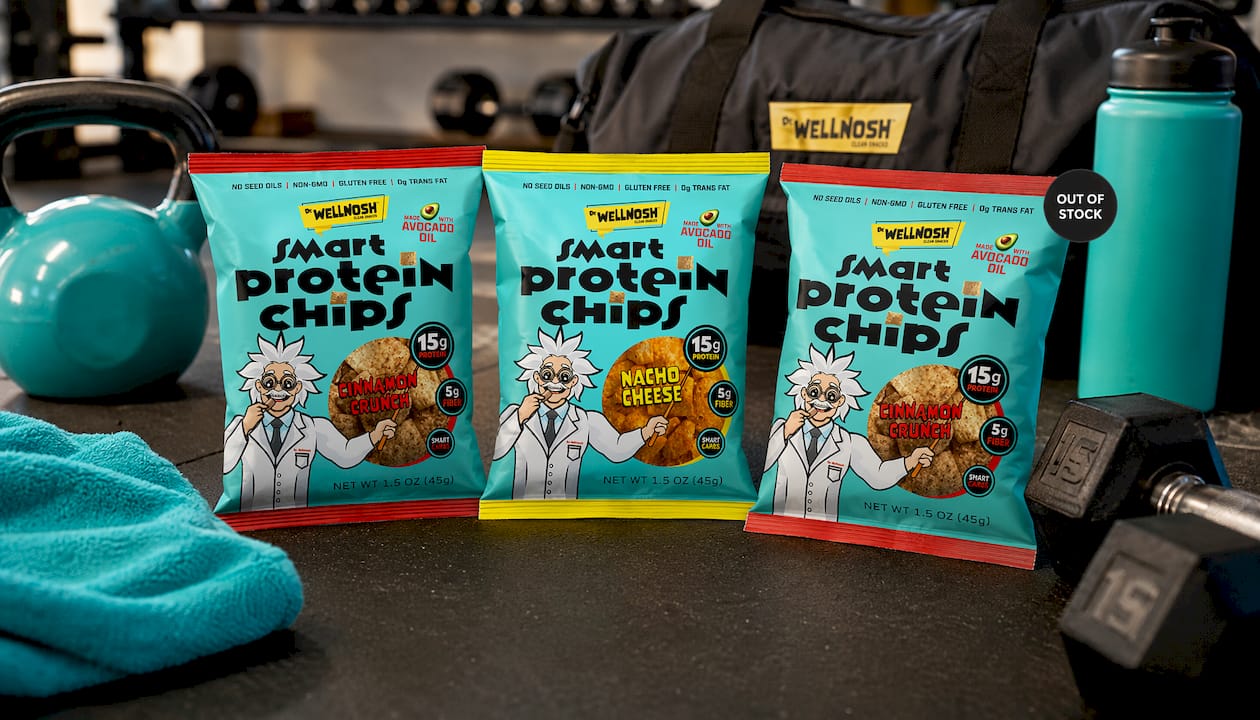
Wellnosh chips solve a specific problem: most chips are empty calories, and most high-protein snacks are not actually enjoyable to eat. Wellnosh delivers 15g of fava bean protein per bag in a format that tastes like a real snack, not a supplement. The fava bean base provides a complete amino acid profile, the avocado oil keeps the fat quality high, and the absence of seed oils, artificial additives, and added sugar means you are not working against your nutrition goals with every handful.
Key attributes worth knowing:
- 15g plant protein per bag from fava beans, a high-quality legume source
- Cooked in avocado oil, not seed oils, for a cleaner fat profile
- Non-GMO, gluten free, and no added sugar, fitting most dietary restrictions athletes work around
- Flavors: Nacho Cheese, Celtic Salt, Chipotle Barbecue, and Cinnamon for both savory and sweet preferences
- Low carb and no artificial additives, supporting clean-label nutrition goals
Athletes who have tried Wellnosh consistently highlight the crunch and flavor as the standout qualities, noting that the chips satisfy cravings without the greasy aftermath of conventional snacks. For anyone tracking protein intake across the day, a bag of Wellnosh chips as an afternoon snack is one of the easier ways to add 15g of clean plant protein without cooking anything. Explore the Wellnosh snack lineup if you want to see how fava bean protein stacks up against other plant-based chip options on the market.
Key Takeaways
Plant protein snacks for athletes work best when they combine complete amino acid profiles, clean ingredients, and consistent timing across the training day.
| Point | Details |
|---|---|
| Protein timing matters | Consuming protein roughly every 3 hours keeps muscle protein synthesis elevated throughout the day. |
| Complete proteins require combining sources | Blends of pea, brown rice, hemp, and pumpkin seed protein achieve a PDCAAS score of 0.97. |
| Post-workout protein target | Aim for 30g of protein after training to support effective muscle recovery. |
| Digestibility affects absorption | Sprouted ingredients and digestive enzymes like bromelain reduce bloating and improve nutrient uptake. |
| Wellnosh chips offer 15g per bag | Fava bean protein chips cooked in avocado oil deliver clean, complete plant protein in a portable format. |


