

· By Dr. Wellnosh
What Is Clean Protein Snacking? A 2026 Guide
Clean protein snacking is defined as choosing snacks that deliver meaningful protein alongside minimal added sugar and a short, recognizable ingredient list. This approach separates genuinely nutritious options from the flood of “high-protein” products that rely on marketing rather than quality. For health-conscious individuals and busy professionals, understanding what clean protein snacking actually means cuts through label noise and makes every snack count. Nutrition experts consistently point to protein content, sugar limits, and ingredient simplicity as the three criteria that matter most when evaluating any packaged snack.
What is clean protein snacking? Nutritional standards that define it
Clean protein snacking is the practice of choosing snacks built around quality protein sources, with less than 5 grams of sugar per serving and ingredient lists short enough to read aloud without stumbling. That last detail matters more than most people realize. A short ingredient list is a primary indicator of reduced processing, meaning fewer fillers, binders, and artificial additives have been added to the product.

The protein target for snacks sits between 10 and 15 grams per serving. This range complements main meals that already provide 20–30 grams, so you hit your daily protein goals without overshooting calories. Chasing 30 grams in a snack is unnecessary and often comes with a cost: more sugar, more artificial sweeteners, or more processed protein isolates.
Whole food protein sources are the gold standard for clean snacks. These include:
- Nuts and nut butters (almonds, cashews, peanuts)
- Seeds (pumpkin, sunflower, hemp)
- Egg whites (common in baked protein snacks)
- Legume proteins (fava bean, pea, chickpea)
- Greek yogurt (for refrigerated options)
Each of these sources appears in a clean ingredient list as a recognizable word, not a coded chemical name. When you see “fava bean protein” or “pumpkin seed” on a label, you know exactly what you are eating.
Consumers often mistake “high-protein” claims as automatically healthy, overlooking sugar content and ingredient quality entirely. A protein bar with 20 grams of protein and 18 grams of added sugar is not a clean snack. It is a candy bar with a fitness label.
Pro Tip: Flip any packaged snack over and count the ingredients before reading the front. If the list exceeds 10 items or contains words you cannot pronounce, put it back.
How do you read ingredient lists for clean protein snacks?
Ingredient lists follow a strict rule: ingredients appear in descending order by weight. The first three ingredients make up the bulk of the product. If sugar, corn syrup, or a refined oil appears in the top three, the snack fails the clean test regardless of its protein claim.
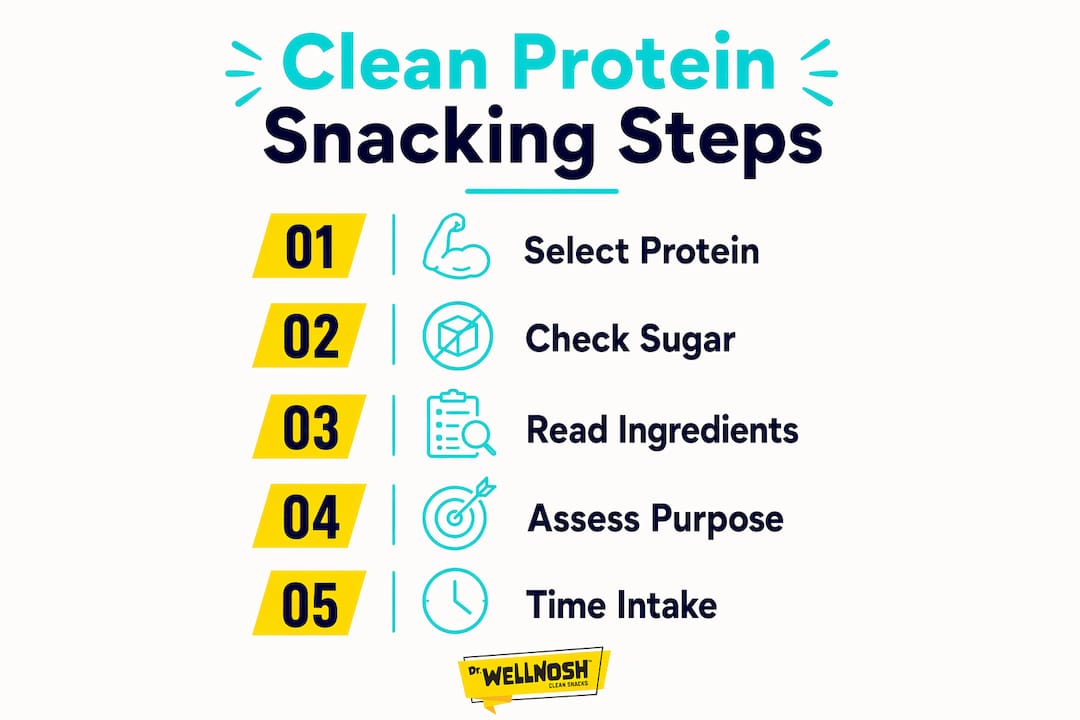
Recognizing quality protein sources versus vague protein blends requires one simple check. A clean label names the source directly: “pea protein,” “egg white,” or “almond butter.” A processed label uses terms like “protein blend” or “hydrolyzed protein matrix” without specifying the origin. Ingredient lists that read like home recipes, featuring nuts, seeds, and dates as primary components, signal a genuinely clean product.
Hidden sugars are the most common trap in packaged snacks. Manufacturers use multiple sugar names to spread them across the ingredient list, making each individual entry appear lower in rank. Watch for these aliases:
- Cane juice or evaporated cane juice
- Dextrose or maltodextrin
- Brown rice syrup
- Agave nectar
- Fruit juice concentrate
Artificial additives follow a similar pattern. Carrageenan, artificial flavors, and synthetic preservatives like BHA or BHT signal heavy processing. None of these belong in a clean protein snack.
Evaluating clean protein bars requires ignoring front-pack claims entirely and focusing on ingredient order. The front label is marketing. The back label is truth.
Pro Tip: Look for snacks where every ingredient serves a nutritional purpose. If an ingredient only adds color, texture, or shelf life, it is a filler, not food.
A useful mental model: a clean snack’s ingredient list should look like a grocery list you would write yourself. Almonds, sea salt, fava bean protein, avocado oil. That is a clean snack. Maltodextrin, soy protein isolate, artificial flavor, sucralose, carrageenan. That is not.
When does clean protein snacking support active lifestyles best?
Timing separates a useful snack from a wasted one. Nutrition guidance for active individuals recommends consuming a light, balanced snack 30–60 minutes before strenuous activity to top off energy without causing gastrointestinal distress. The ideal pre-activity snack sits between 100 and 200 calories and leans carbohydrate-forward with complementary protein.
For runners building a pre-run snack checklist, this means pairing a fast-digesting carbohydrate with a small amount of clean protein. A handful of Wellnosh protein chips alongside a banana covers both bases without weighing you down. Choosing lightweight race day snacks follows the same logic: portable, non-perishable, and easy on the stomach.
Post-activity recovery is where protein earns its keep. Muscle repair begins within 30–60 minutes after exercise, and a snack with 10–15 grams of protein during this window supports that process directly. Pre-race nutrition prioritizes carbohydrates to replenish glycogen, but including light protein aids muscle recovery and reduces breakdown over time.
Testing new snacks during training, not on event day, is the single most important rule for athletes and active professionals. Gastrointestinal distress mid-race or mid-meeting is avoidable. Trying new snacks on competition days risks exactly that outcome. Validate your snacks in low-stakes settings first.
For busy professionals, clean protein snacking works best when distributed across the day rather than concentrated in one or two large servings. Pairing protein with fiber prevents rapid blood sugar spikes and prolongs fullness between meals. A mid-morning snack and an afternoon snack, each with 10–15 grams of protein and meaningful fiber, outperform a single large protein shake in terms of sustained energy and appetite control.
A practical race day snack checklist for runners covers three moments: the night before (carbohydrate-rich dinner), the morning of (light, familiar breakfast), and the 30-minute pre-race window (a small, tested snack you have eaten in training before). Clean protein snacks fit the third slot perfectly when they are portable and low in fat, which slows digestion.
What are the best clean protein snack examples?
The best clean protein snacks combine a quality protein source with fiber and a small amount of healthy fat. This trio delivers satiety, steady energy, and real nutritional value. The following options represent the strongest choices across whole food and packaged categories.
Whole food options:
- Hard-boiled eggs: 6 grams of protein each, zero added sugar, portable when pre-cooked
- Greek yogurt (plain, full-fat): 15–17 grams of protein per cup, pairs well with berries for fiber
- Roasted chickpeas: 6–8 grams of protein per half-cup, high fiber, shelf-stable
- Almonds or mixed nuts: 6 grams of protein per ounce, rich in healthy fats and magnesium
- Edamame: 8 grams of protein per half-cup, complete amino acid profile
Packaged options to look for:
- Protein chips made from legume protein (fava bean, pea) with short ingredient lists
- Protein bars with nuts, seeds, and dates as primary ingredients and under 5 grams of added sugar
- Plant-based protein blends using pea and pumpkin seed protein together for a complete amino acid profile
The table below shows how these options compare across the key clean snacking criteria:
| Snack | Protein (approx.) | Added sugar | Portability |
|---|---|---|---|
| Hard-boiled egg | 6g per egg | None | Moderate (refrigerate) |
| Greek yogurt (plain) | 15–17g per cup | None | Low (refrigerate) |
| Roasted chickpeas | 6–8g per ½ cup | Low | High |
| Almonds (1 oz) | 6g | None | High |
| Legume-based protein chips | 15g per bag | None | High |
Wellnosh protein chips occupy a category that most whole food snacks cannot: 15 grams of fava bean protein per bag, zero added sugar, cooked in avocado oil, and genuinely portable. For a clean snack at work or in a gym bag, that profile is difficult to match with whole foods alone.
Balancing protein with fiber and fat is the key principle behind every option on this list. Isolated protein without fiber, as found in many heavily processed protein bars, digests quickly and leaves you hungry again within an hour. Whole food sources and clean packaged options that include fiber and fat extend that satiety window significantly.
Key Takeaways
Clean protein snacking works because it combines quality protein, low added sugar, and simple ingredients to deliver real satiety and nutritional value without the processing that undermines most packaged snacks.
| Point | Details |
|---|---|
| Target 10–15g protein per snack | This range complements meals without excess calories or artificial protein inflation. |
| Keep added sugar under 5g | High sugar cancels the nutritional benefit of protein and causes energy crashes. |
| Read ingredients, not front labels | The first three ingredients reveal what a snack is actually made of. |
| Time snacks around activity | Eat 30–60 minutes before exercise; recover with protein within 60 minutes after. |
| Test snacks before event day | Validate digestion and energy response during training, not during competition or key meetings. |
Why “high protein” and “clean” are not the same thing
After years of working with both athletes and desk-bound professionals, the single most persistent mistake I see is treating protein content as a proxy for nutritional quality. Someone picks up a bar with 25 grams of protein, feels virtuous, and never checks that it also contains 20 grams of added sugar and a list of additives longer than a pharmaceutical label.
The “clean” label in snacking is a consumer shortcut, not a regulated term. That is both its strength and its weakness. It signals intent: simple ingredients, recognizable sources, minimal processing. But without checking the actual ingredient list and sugar content yourself, the word “clean” on a package means nothing. I have seen products marketed as clean that contained five different sugar aliases and two artificial preservatives.
What actually works, based on consistent observation, is prioritizing snacks with short ingredient lists and testing them during low-stakes moments before relying on them during a race, a long workday, or a training block. The professionals who perform best nutritionally are not the ones with the most elaborate supplement stacks. They are the ones who have identified three or four reliable snacks that digest well, taste good, and fit their schedule.
Convenience and quality are not opposites. Wellnosh protein chips prove that. Fava bean protein, avocado oil, and a handful of real seasonings. That is a complete ingredient story. You do not need a nutrition degree to evaluate it.
— Dr. Wellnosh
Wellnosh protein chips: clean snacking made simple
Clean protein snacking does not require meal prep or a refrigerator nearby.
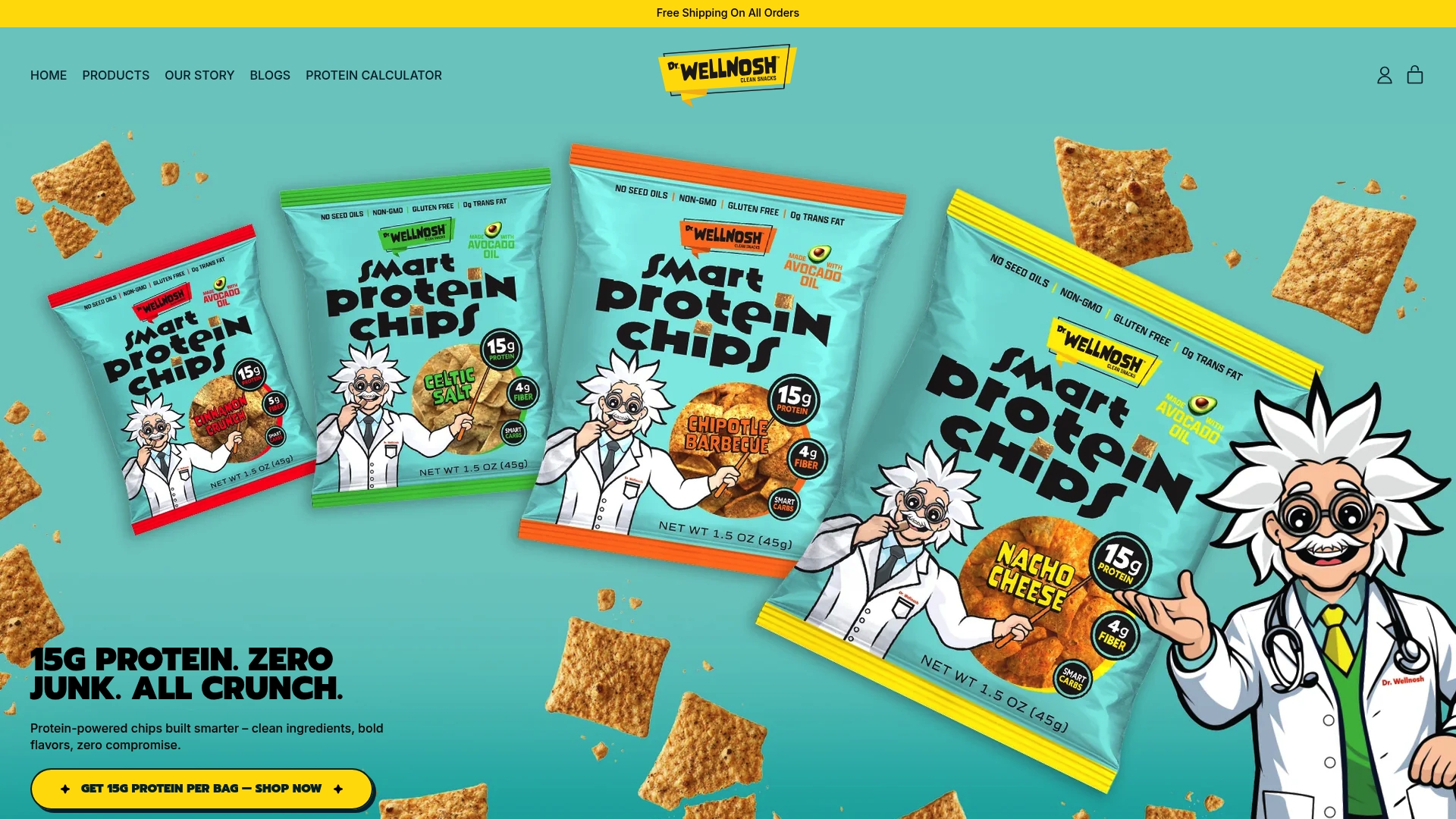
Wellnosh protein chips deliver 15 grams of fava bean protein per bag with zero added sugar, no seed oils, and no artificial additives. Every flavor, from Chipotle Barbecue to Celtic Salt, is cooked in avocado oil and built on a short, pronounceable ingredient list that matches everything this article describes. They are non-GMO, gluten free, and low carb, making them a fit for nearly every clean eating approach. If you want to sample before committing to a single flavor, the Variety Pack covers all five options in one order. For anyone building a pre-run snack checklist or stocking a work bag with reliable protein, Wellnosh is a practical, no-compromise starting point.
FAQ
What is the protein target for a clean snack?
Clean protein snacks should provide 10–15 grams of protein per serving. This complements main meals without adding unnecessary calories or processed protein fillers.
How much added sugar is acceptable in a clean protein snack?
A clean protein snack contains less than 5 grams of added sugar per serving. Anything above that threshold starts to undermine the protein benefit and contributes to blood sugar spikes.
When should I eat a protein snack before a run or race?
Eat a light snack 30–60 minutes before activity, targeting 100–200 calories with a carbohydrate-to-protein ratio that favors carbs. Always use snacks you have already tested in training, not new products on race day.
Are plant-based protein snacks as effective as animal-based ones?
Yes, when formulated correctly. Plant-based blends combining pea and pumpkin seed protein deliver a complete amino acid profile comparable to single-source animal proteins. The key is choosing blends designed for bioavailability, not just protein quantity.
What ingredients should I avoid in a protein snack?
Avoid snacks with maltodextrin, artificial sweeteners, carrageenan, hydrogenated oils, and multiple sugar aliases in the ingredient list. These additives signal heavy processing and reduce the overall nutritional quality of the snack.


