

· By Dr. Wellnosh
Clean Snack Planning Explained: Your Practical Guide
Clean snack planning is the practice of intentionally selecting and preparing nutrient-dense snacks that support sustained energy, better eating habits, and daily convenience. Snacks account for nearly 25% of daily calories for the average adult, making snack quality just as critical as meal quality. Yet most people treat snacking as an afterthought. A deliberate snack strategy, grounded in fiber, protein, and healthy fats, prevents energy crashes, reduces impulsive eating, and reinforces the nutrition work you put into your meals. This guide covers the science, the prep methods, and the storage habits that make clean snack planning work in real life.
What nutritional principles underpin clean snack planning?
The foundation of clean snack planning is macronutrient balance. No single food group does the job alone. Pairing fiber-rich carbs with protein or healthy fat delivers steady energy and lasting satiety, which is why an apple alone leaves you hungry an hour later but an apple with almond butter does not.
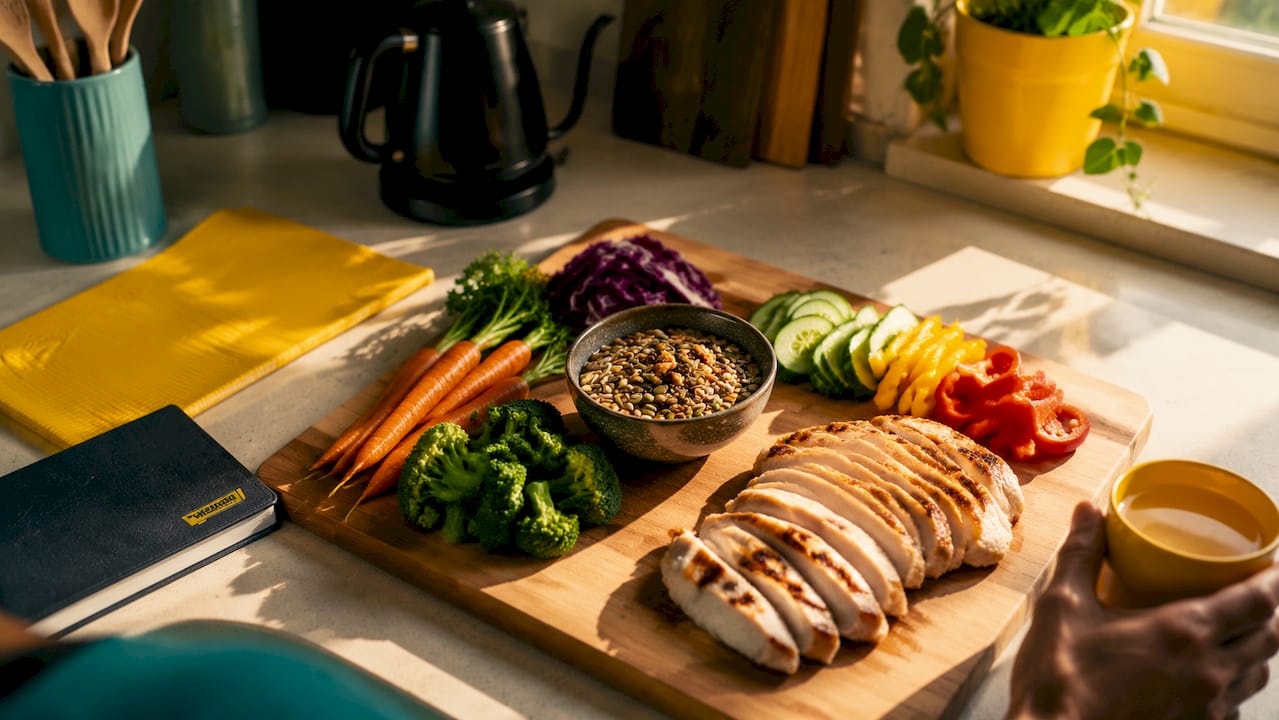
Fiber is the most underrated nutrient in snack planning. High fiber intake is linked to a 15–30% lower risk of chronic diseases including cardiovascular disease and type 2 diabetes. The average adult currently eats about 16g of fiber daily, well below the recommended 25–38g. Clean snacks built around vegetables, legumes, seeds, and whole grains close that gap without requiring major meal changes.
Protein distribution matters just as much as protein quantity. A randomized controlled trial by the Grand Forks Human Nutrition Research Center found that evenly distributing dietary protein across three meals reduces intake of energy-dense snack foods during weight loss. That finding means front-loading protein at breakfast and lunch reduces the pull toward processed snacks by mid-afternoon.
Antioxidants round out the nutritional picture. Berries, dark leafy greens, and nuts deliver polyphenols that reduce inflammation and support long-term health. These foods also happen to be prep-friendly, which makes them natural anchors for a weekly snack routine.
The nutrients to minimize are equally clear:
- Added sugars: They spike blood glucose and trigger hunger cycles within 60–90 minutes.
- Refined carbohydrates: White crackers, pretzels, and rice cakes digest quickly and offer little satiety.
- Seed oils: Highly processed fats found in most packaged snacks contribute to inflammation over time.
- Artificial additives: Preservatives, artificial colors, and flavor enhancers add nothing nutritionally and crowd out real ingredients.
“Poor snack choices negate the nutritional benefits of healthy meals. When snacks represent nearly a quarter of your daily calories, the quality of those calories shapes your overall diet as much as any single meal.”
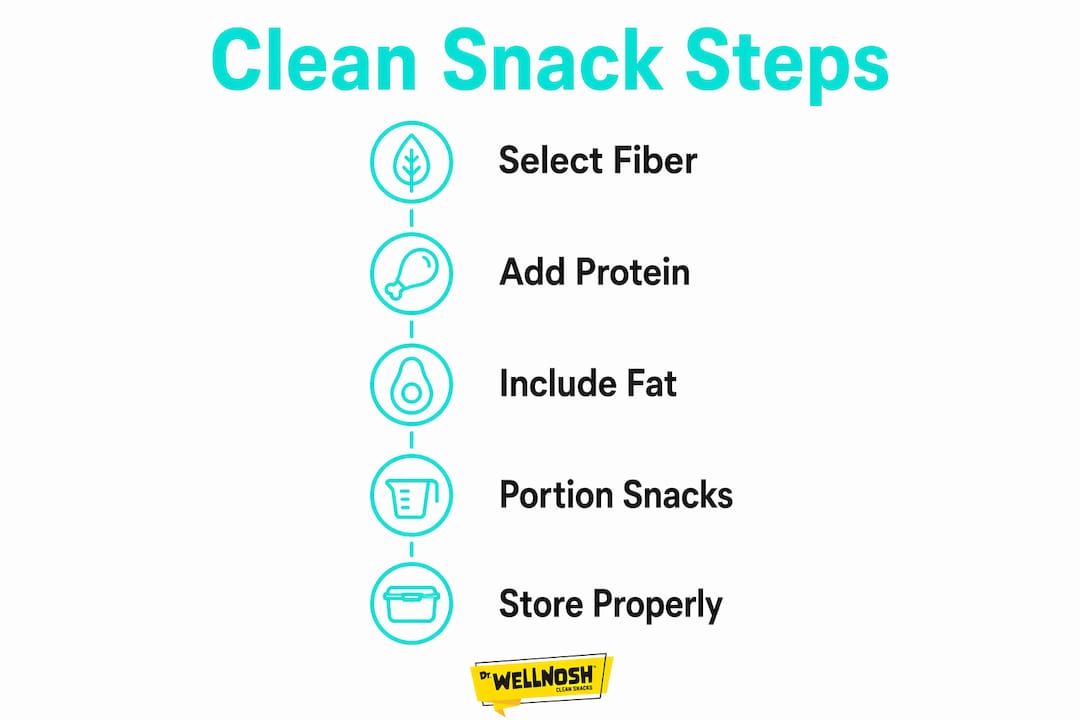
The practical takeaway: build each snack around one fiber source, one protein source, and one fat source. That three-part structure is the core of what makes a snack prep-friendly and nutritionally complete.
How do you efficiently prep clean snacks for long work days?
Snack prep for long work days does not require hours in the kitchen. Effective snack prep takes 45–60 minutes per week and produces balanced snacks that stay fresh for 3–4 days when stored correctly. That time investment pays off every time you reach for something ready-made instead of a vending machine.
Here is a practical weekly prep sequence:
- Choose 3–5 snack types. Limiting variety to 3–5 snack types maximizes adherence and prevents kitchen burnout. More options sound appealing but create decision fatigue and wasted food.
- Boil eggs in bulk. Hard-boiled eggs take 12 minutes and keep for up to a week refrigerated. They deliver protein and healthy fat in a portable, no-prep format.
- Batch-chop produce. Slice bell peppers, cucumbers, celery, and carrots in one session. Portion them into individual containers so grabbing a serving takes seconds.
- Portion dry goods. Nuts, seeds, and shelf-stable snacks like Wellnosh protein chips go into small bags or containers in advance. Pre-portioning prevents mindless overeating.
- Label everything. Write the prep date on each container. This removes guesswork and keeps you from eating something past its prime.
Storage best practices by snack type:
| Snack Type | Storage Method | Freshness Window |
|---|---|---|
| Hard-boiled eggs | Airtight container, refrigerated | Up to 7 days |
| Chopped vegetables | Airtight container, paper towel lining | 3–4 days |
| Portioned nuts and seeds | Small zip bags or jars, room temperature | 1–2 weeks |
| Hummus or dips | Sealed container, refrigerated | 4–5 days |
| Protein chips (Wellnosh) | Resealed bag, cool dry place | Per package date |
One critical detail most people miss: wet vegetables spoil rapidly if not thoroughly dried before storage. Spin or pat dry every vegetable before it goes into a container. A paper towel lining absorbs residual moisture and extends freshness by two or more days.
Pro Tip: Prep snacks on Sunday and Wednesday. Two short sessions keep everything fresh through the week without requiring a single large batch that might go stale before Friday.
Rotating snack combinations each week prevents flavor fatigue. If week one is carrots with hummus and hard-boiled eggs, week two might be cucumber with guacamole and roasted chickpeas. The structure stays the same; the flavors change.
What role does snack planning play in diet success?
Snack planning removes the most dangerous moment in any diet: the point when you are extremely hungry and have no good option in front of you. Waiting until you are extremely hungry leads to poor food choices, according to registered dietitian Kirsten Bohnenberger, MS, RD. Pre-portioned, ready-to-eat snacks eliminate that decision entirely.
The role of snack prep in diet success goes beyond willpower. When clean snacks are already prepared, you do not need discipline in the moment. The decision was made on Sunday. That structural advantage is why people who replace sugary snacks with protein options report more consistent eating habits than those who rely on motivation alone.
The workplace dimension is significant. 46% of workers say healthy snacks help them stay in their job, and 80% say snacking fosters better team connection. Those numbers reflect a broader truth: accessible, clean snacks improve mood, focus, and social engagement at work. Poor snack choices, by contrast, produce the mid-afternoon energy crash that kills afternoon productivity.
“Snack planning is not a diet tactic. It is a system that makes good choices automatic. When the right food is already in your bag or desk drawer, the wrong food loses its appeal.”
The benefits of consistent snack prep compound over time:
- Appetite control: Balanced snacks between meals prevent the hunger spikes that lead to overeating at dinner.
- Weight management: Protein distribution across the day, supported by planned snacks, reduces cravings for energy-dense foods.
- Nutritional consistency: Planned snacks fill micronutrient gaps that meals alone often miss, particularly fiber and healthy fats.
- Reduced food waste: Buying and prepping specific snack ingredients reduces impulse purchases and unused produce.
The nutrient-dense snacks approach works precisely because it removes friction. Every barrier between you and a good snack choice is a risk factor for a bad one.
How do shelf-stable snacks fit into clean snack planning?
Shelf-stable snacks are the backbone of any realistic weekly prep routine. Fresh produce and boiled eggs are excellent, but they require refrigeration and have short windows. Shelf-stable options extend your snack plan without adding prep time or cold storage requirements.
The best shelf-stable choices for clean snack planning include:
- Nuts and seeds: Almonds, walnuts, pumpkin seeds, and sunflower seeds deliver protein, fiber, and healthy fats with no prep required.
- Canned legumes: Chickpeas and white beans are high in fiber and protein. Rinse and portion them for a ready-to-eat snack.
- Nut butters in single-serve packets: No refrigeration needed, and they pair with fruit or vegetables for a complete snack.
- Protein chips: Wellnosh Smart Protein Chips deliver 15g of fava bean protein per bag, cooked in avocado oil, with no seed oils, no added sugar, and no artificial additives. They fit the clean snack criteria and require zero prep.
The cost management angle matters for long-term adherence. Dividing the package cost by the number of portions gives you a cost-per-snack figure that makes budgeting straightforward. A bag of almonds that yields ten portions at $8 costs $0.80 per snack. That comparison makes it easy to evaluate value without complex nutrition software.
Shelf-stable vs. fresh snacks at a glance:
| Factor | Shelf-stable snacks | Fresh snacks |
|---|---|---|
| Prep time | None to minimal | 15–30 minutes per batch |
| Storage | Cool, dry place | Refrigeration required |
| Freshness window | Weeks to months | 3–7 days |
| Portability | High | Moderate |
| Nutritional variety | Moderate | High |
The practical approach is to combine both categories. Fresh vegetables and eggs provide micronutrient variety. Shelf-stable nuts, legumes, and protein chips provide convenience and staying power. Together, they cover every scenario: desk snacks, commute snacks, and post-workout snacks.
Key Takeaways
Clean snack planning works because it replaces reactive, impulsive eating with a deliberate system built on macronutrient balance, efficient prep, and smart storage.
| Point | Details |
|---|---|
| Snacks are 25% of daily calories | Snack quality shapes overall diet as much as any single meal. |
| Build snacks in threes | Pair one fiber source, one protein source, and one fat source for satiety. |
| Prep takes 45–60 minutes weekly | One or two short sessions produce fresh, ready-to-eat snacks for the full week. |
| Limit variety to 3–5 types | Fewer snack types improve adherence and prevent prep burnout. |
| Shelf-stable snacks extend your plan | Nuts, legumes, and protein chips cover gaps when fresh options run out. |
Why I stopped overcomplicating my snack prep
The first time I tried to prep snacks for the week, I made seven different things. I had energy balls, three kinds of cut vegetables, two dips, roasted chickpeas, and a batch of homemade granola bars. By Wednesday, I was exhausted just looking at the containers. Half of it went stale. I learned the hard way that ambition is the enemy of consistency in snack prep.
What actually worked was cutting the list to four items and rotating them every two weeks. That structure gave me enough variety to stay interested without creating a Sunday project that felt like a second job. The clean snacks for energy at work principle I now follow is simple: if it takes more than 60 minutes to prep, it will not survive contact with a busy week.
The other shift that changed everything was treating snack prep as self-care rather than a chore. Prepping your snacks is an act of respect for your future self. The version of you at 3:00 PM on a Tuesday, hungry and distracted, will thank the version of you who spent 45 minutes on Sunday. That reframe made the habit stick in a way that discipline alone never did.
My honest advice: start with two snack types, not five. Get comfortable with the routine before adding complexity. And accept that some weeks will be imperfect. A partially prepped week still beats no prep at all.
— Dr. Wellnosh
Wellnosh makes clean snacking effortless
Clean snack planning works best when at least one option in your rotation requires zero prep. That is exactly where Wellnosh fits.
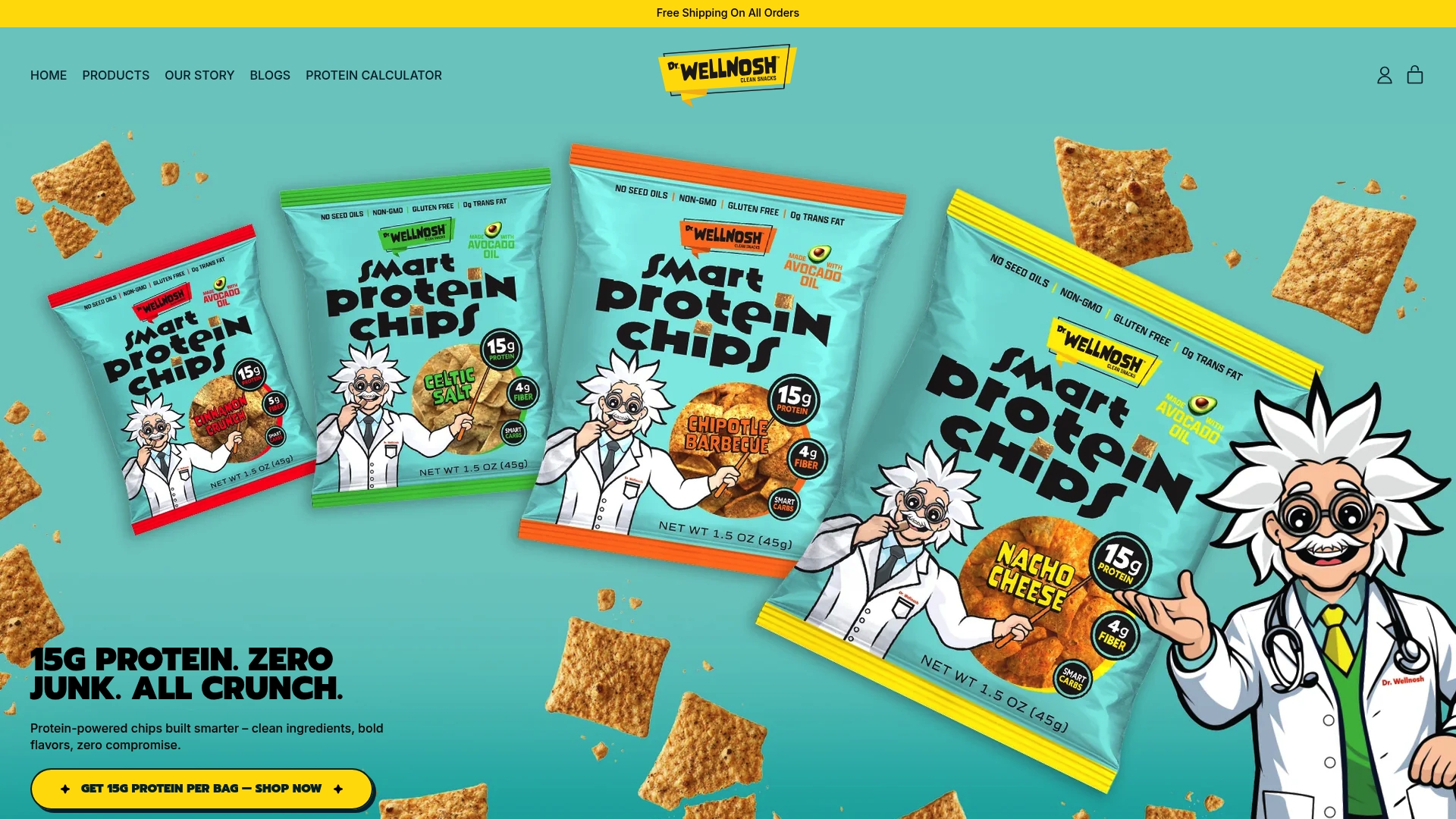
Wellnosh Smart Protein Chips deliver 15g of fava bean protein per bag, cooked in avocado oil, with no seed oils, no added sugar, and no artificial additives. They are non-GMO, gluten free, and low carb. Every ingredient is real and pronounceable. Flavors like Chipotle Barbecue and the Variety Pack give you satisfying crunch without the greasy aftermath of conventional chips. For anyone building a weekly snack plan, Wellnosh fills the shelf-stable, high-protein slot with no compromise on taste or nutrition.
FAQ
What is clean snack planning?
Clean snack planning is the practice of intentionally selecting and preparing snacks built around fiber, protein, and healthy fats while avoiding added sugars, refined carbs, and artificial additives. The goal is to support sustained energy and consistent nutrition throughout the day.
How long does weekly snack prep actually take?
Effective snack prep takes 45–60 minutes per week, including boiling eggs, chopping produce, and portioning dry goods. Splitting that time across two sessions, such as Sunday and Wednesday, keeps snacks fresh for the full week.
Why does snack planning improve eating habits?
Planning removes the decision pressure that leads to poor choices when you are hungry. Pre-portioned, ready-to-eat snacks make the healthy option the easy option, which is the structural advantage that makes clean snack planning effective long-term.
What are the best shelf-stable snacks for a weekly plan?
Nuts, seeds, canned legumes, nut butter packets, and protein chips like Wellnosh are the most practical shelf-stable options. They require no refrigeration, minimal prep, and deliver the protein and fiber needed for a complete snack.
How many snack types should I prep each week?
Limiting your rotation to 3–5 snack types maximizes adherence and prevents burnout. More variety sounds appealing but creates decision fatigue and increases the chance of wasted food.


