

· By Dr. Wellnosh
Protein per Serving in Snacks: Your 2026 Guide
Protein per serving in snacks is defined by federal nutrition labeling standards: a snack earns the “high protein” label at 10 grams of protein per serving, and qualifies as a “good source of protein” at 5–9 grams per serving. Both thresholds reference the FDA’s Daily Value of 50 grams of protein for adults. Knowing these numbers gives you a concrete benchmark to cut through vague marketing claims and make genuinely informed choices. This guide covers protein per serving snacks explained from federal standards through label reading, nutritional balance, and real food examples.
What protein amounts per serving are right for your snack goal?
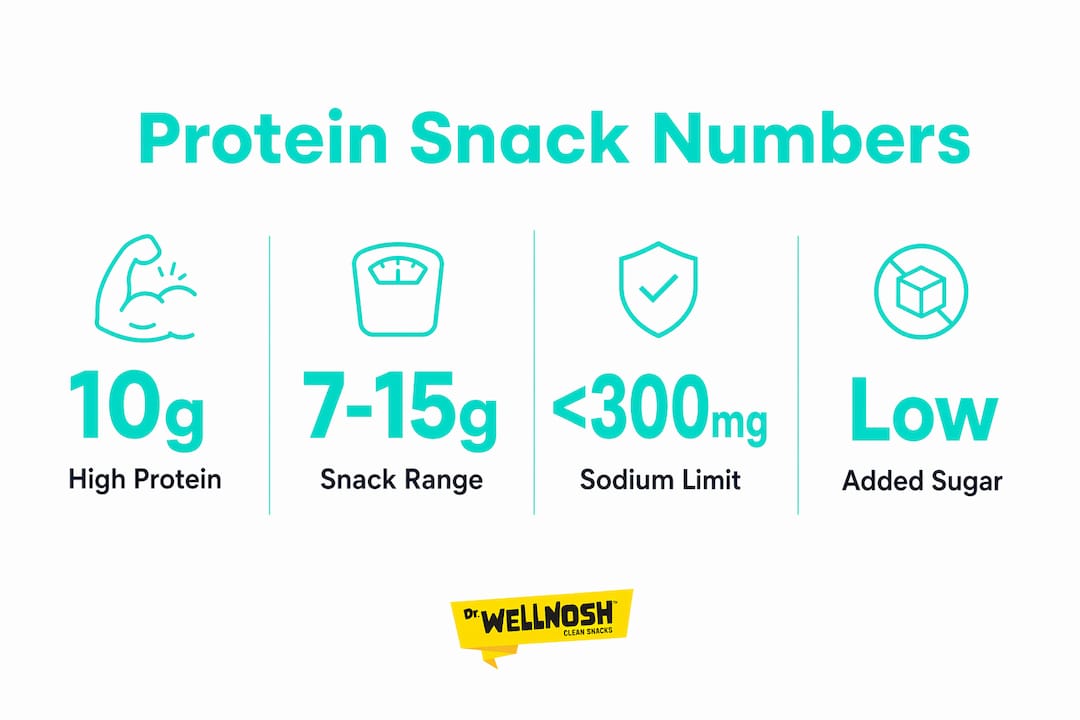
The right protein target depends on why you are snacking. Registered dietitians recommend 7–15 grams of protein for a standard between-meal snack. For meal replacement or post-workout recovery, the target rises to 15–20 grams per serving.
These ranges exist because protein does specific jobs. It stabilizes blood sugar and delivers amino acids for muscle repair. A light afternoon snack needs less protein than a post-gym recovery option.
Here is how to match protein targets to snack purpose:
- Light bridge snack (between meals, low activity): 7–10 grams of protein per serving
- Sustained energy snack (long workday, moderate activity): 10–15 grams of protein per serving
- Meal replacement or recovery snack (post-workout, skipped meal): 15–20 grams of protein per serving
- Plant-based snackers: Aim for the higher end of each range, since plant proteins are digested at a slightly different rate than animal proteins
Activity level also shifts the math. A sedentary adult needs far less protein per snack than someone training five days a week. Checking your dietary protein requirements before setting a snack target gives you a number grounded in your actual body and lifestyle.
Pro Tip: If you are unsure where to start, use 10 grams as your floor. That is the FDA’s legal threshold for “high protein” and a practical minimum for any snack meant to hold you over for two or more hours.

How to accurately read protein content on nutrition labels
Reading a nutrition label sounds simple. In practice, manufacturers use several techniques that make protein content look better than it is.
Check the serving size first
The serving size line sits at the very top of the Nutrition Facts panel for a reason. Manufacturers often use unrealistically small serving sizes so that protein grams appear higher relative to what you actually eat. A bag that lists 10 grams of protein per serving may contain two and a half servings. Eat the whole bag and you consumed 25 grams of protein, but also 2.5 times the sodium and sugar.
A step-by-step label reading method
- Read the serving size. Compare it to how much you realistically eat in one sitting.
- Multiply. If you eat two servings, double every number on the label.
- Check protein grams. Confirm the amount meets your snack goal (7g minimum for a light snack, 10g for high protein).
- Scan calories. High protein should not come with a calorie count that turns a snack into a meal.
- Look at added sugars. Anything above 8 grams per serving pushes into candy territory.
- Check sodium. Snacks above 300 mg of sodium per serving add up fast across a day.
- Assess the ingredient list. Ingredients appear in order by weight. If sugar or a low-quality oil appears in the first three, reconsider.
Protein alone is insufficient for evaluating snack quality. The full label tells the real story.
Pro Tip: Flip the bag before you buy. Scan the ingredient list for added sugars listed under multiple names (dextrose, maltose, cane syrup) and watch for sodium above 300 mg. A snack can hit 12 grams of protein and still be nutritionally poor if those two numbers are out of range.
What other nutritional factors matter alongside protein per serving?
High protein content does not guarantee a healthy snack. Some high-protein snacks contain excessive sugars, sodium, or low-quality oils that cancel out the protein benefit. Evaluating the full nutritional profile is the only way to make a genuinely sound choice.
The numbers that matter most
Dietitians set clear benchmarks for healthy protein snacks. Sodium should stay below 300 mg per serving, and added sugar should not exceed 8 grams. These limits exist because most adults already consume more sodium and added sugar than recommended daily, and snacks are a major contributor.
Fiber and healthy fats deserve equal attention. Protein paired with fiber and healthy fats promotes better satiety and slows digestion compared to protein alone. That combination keeps energy stable between meals and reduces the urge to snack again an hour later.
| Nutrient | Recommended limit per snack serving | Why it matters |
|---|---|---|
| Protein | 7–20g (goal-dependent) | Muscle repair, blood sugar stability, satiety |
| Sodium | Less than 300 mg | Prevents excess daily sodium accumulation |
| Added sugar | Less than 8g | Avoids blood sugar spikes and energy crashes |
| Fiber | 2g or more | Slows digestion, extends fullness |
| Healthy fats | Present (avocado oil, nuts) | Supports satiety and nutrient absorption |
The risks of ignoring these factors are real. A protein bar with 15 grams of protein but 20 grams of added sugar delivers a blood sugar spike followed by a crash. That outcome defeats the entire purpose of a protein snack. Choosing nutrient-dense snacks means looking at the whole panel, not just the protein line.
Key factors to prioritize when comparing snack options:
- Protein source quality (whole food or minimally processed beats isolated powders in most cases)
- Fiber content (2 grams or more per serving is a meaningful contribution)
- Fat type (avocado oil and nut-based fats outperform seed oils and partially hydrogenated fats)
- Ingredient list length (shorter lists with recognizable names signal less processing)
Common snacks and their protein per serving at a glance
Whole food snacks consistently deliver the best protein-to-nutrition ratio. Processed options can meet protein targets but often require closer label scrutiny.
Whole food protein snacks
Nonfat Greek yogurt provides approximately 17 grams of protein per three-quarter cup. Dry-roasted edamame delivers around 13 grams per quarter cup. Cottage cheese offers roughly 12 grams per half cup. Beef jerky lands at 9–12 grams per ounce, though sodium levels in jerky vary widely and often exceed 300 mg per serving.
Plant-based snacks have closed the gap with animal-based options significantly. Edamame, fava bean chips, and roasted chickpeas now compete directly with Greek yogurt and cottage cheese on protein content, while offering fiber that most animal-based snacks lack.
| Snack | Protein per serving | Added sugar | Fiber | Sodium watch |
|---|---|---|---|---|
| Nonfat Greek yogurt (3/4 cup) | ~17g | Low (plain) | 0g | Low |
| Dry-roasted edamame (1/4 cup) | ~13g | 0g | 4g | Moderate |
| Cottage cheese (1/2 cup) | ~12g | Low | 0g | Moderate |
| Beef jerky (1 oz) | 9–12g | Varies | 0g | Often high |
| Fava bean protein chips (1 bag) | 15g | 0g | Present | Low |
| Roasted chickpeas (1 oz) | ~6g | Low | 5g | Moderate |
Wellnosh protein chips stand out in the plant-based column. Each bag delivers 15 grams of fava bean protein with no added sugar, cooked in avocado oil rather than seed oils. That profile clears the FDA’s “high protein” threshold while staying within the recommended sodium and sugar limits that most processed snacks fail to meet.
The practical takeaway: whole food snacks win on overall nutrition, but well-formulated plant-based chip options can match or exceed them on protein while adding the convenience and crunch that whole foods rarely provide. Replacing sugary snacks with protein options that hold up nutritionally is a realistic and sustainable shift.
Key takeaways
Snack protein content only tells part of the story. The most effective approach to choosing high-protein snacks is to match gram targets to your snack purpose, verify serving sizes, and evaluate sodium, sugar, and fiber alongside protein.
| Point | Details |
|---|---|
| Know the legal thresholds | 10g per serving is “high protein”; 5–9g qualifies as a “good source” under FDA standards. |
| Match protein to purpose | Use 7–15g for standard snacks and 15–20g for post-workout or meal replacement needs. |
| Serving size is the first check | Always multiply label numbers by actual servings consumed to get real intake figures. |
| Sodium and sugar cap the quality | Keep sodium below 300 mg and added sugar below 8g per serving for a genuinely healthy snack. |
| Pair protein with fiber and fat | Protein combined with fiber and healthy fats extends satiety and stabilizes energy longer than protein alone. |
Why chasing protein numbers alone is the wrong game
I have reviewed hundreds of nutrition labels across snack categories, and the pattern is consistent. People fixate on the protein number and ignore everything else. A snack with 20 grams of protein and 600 mg of sodium is not a health food. It is a processed product wearing a fitness costume.
The “protein number chase” is a marketing problem as much as a consumer education problem. Brands know that health-conscious buyers scan for protein first. So they engineer products to hit 15 or 20 grams while burying the sodium, sugar, and seed oil content in fine print. The result is a snack that technically qualifies as high protein but undermines the metabolic goals most people are trying to reach.
What actually works is treating protein as one column in a three-column decision: protein, fiber, and fat quality. A snack that delivers 10 grams of protein alongside 4 grams of fiber and healthy fat from avocado oil will outperform a 20-gram protein bar loaded with added sugar every single time. The fiber and fat slow digestion. The protein does its repair and satiety work. The whole package holds you for three to four hours without a crash.
Label reading is a skill, and it takes about 90 seconds to do it properly. Check the serving size, multiply if needed, scan protein, then immediately check sodium and added sugar. If both are within range, look at the ingredient list. That sequence takes less time than scrolling social media while standing in the snack aisle.
— Dr. Wellnosh
Wellnosh protein chips: built around the right numbers
Wellnosh protein chips were designed around the nutritional benchmarks this article describes, not around marketing optics.
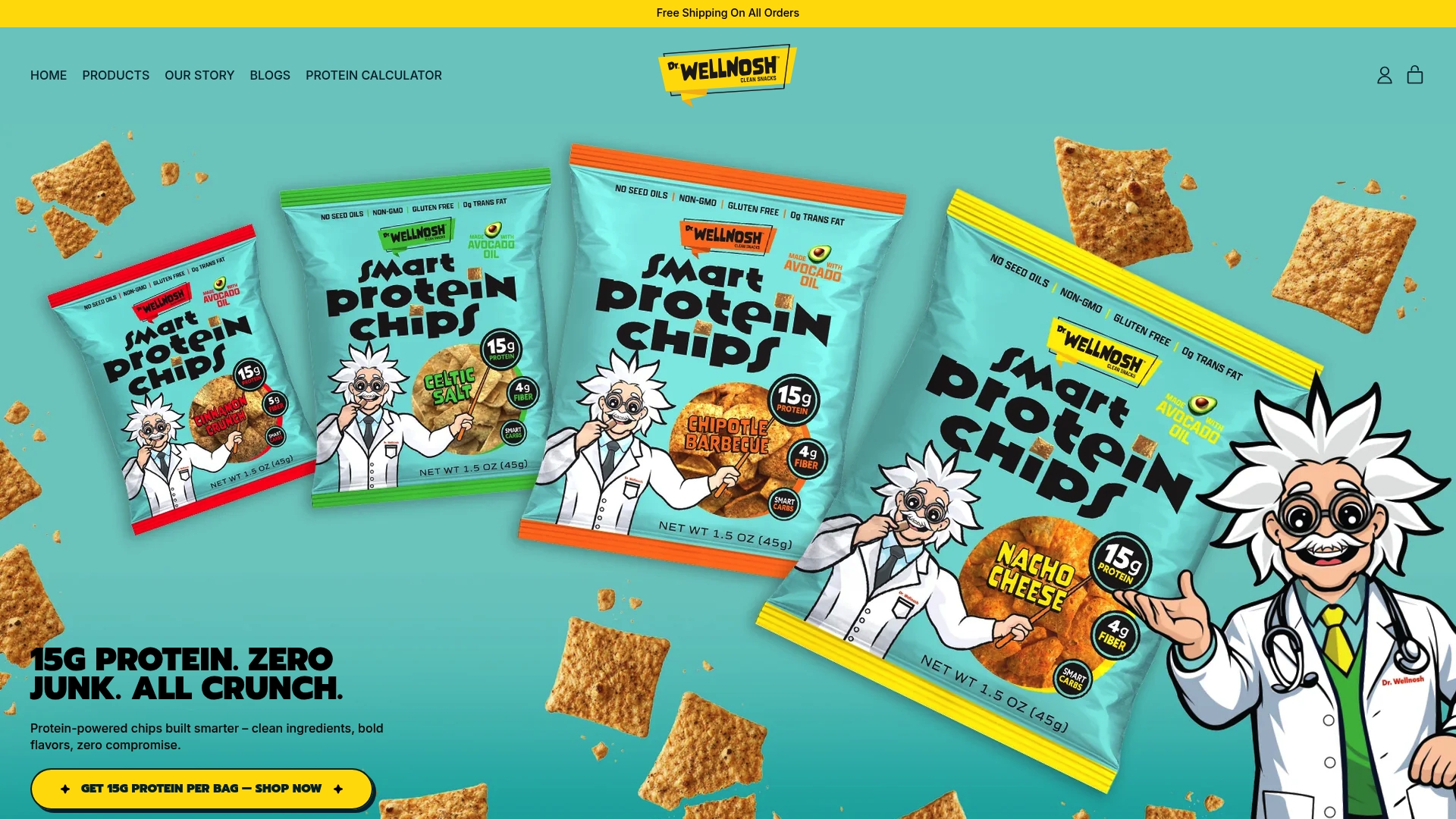
Each bag of Wellnosh chips delivers 15 grams of fava bean protein, clearing the FDA’s 10-gram “high protein” threshold by a meaningful margin. There is no added sugar. The chips are cooked in avocado oil, not seed oils. Sodium stays within the range dietitians recommend for healthy protein snacks. Flavors include Nacho Cheese, Celtic Salt, Chipotle Barbecue, Cinnamon, and a Variety Pack for those who want options. Wellnosh is also non-GMO, gluten free, and low carb. For health-conscious snackers who want protein content that holds up to label scrutiny, Wellnosh is worth a close look.
FAQ
What is the FDA definition of a high-protein snack?
A snack is legally “high protein” when it contains at least 10 grams of protein per serving, which equals 20% of the FDA’s 50-gram Daily Value for protein. Snacks with 5–9 grams per serving qualify as a “good source of protein.”
How much protein should a snack have for weight management?
Registered dietitians recommend 7–15 grams of protein for a standard snack. That range supports satiety and muscle maintenance without turning a snack into a full meal in terms of calories.
Why do some high-protein snacks still leave me hungry?
Protein alone does not maximize fullness. Protein paired with fiber and healthy fats slows digestion and extends satiety significantly longer than protein by itself.
How do I spot misleading protein claims on labels?
Check the serving size first. Manufacturers sometimes use small serving sizes to make protein numbers look favorable. Multiply all label values by the number of servings you actually eat to get accurate figures.
Are plant-based protein snacks as effective as animal-based ones?
Plant-based snacks like edamame, fava bean chips, and roasted chickpeas deliver competitive protein levels and often add fiber that animal-based snacks lack. The key is checking that the protein content meets your target and that sodium and added sugar stay within recommended limits.


