

· By Dr. Wellnosh
Keto Tortilla Chips: Low-Carb Recipes and Alternatives
Can you eat tortilla chips on a keto diet?
The short answer: not the traditional kind. A single 1-ounce serving of corn-based tortilla chips carries 18–20 grams of net carbs, which wipes out most people’s entire daily carb budget on keto in one handful. Homemade keto versions, built on almond flour and low-moisture mozzarella, have very low net carbs per serving. Same crunch, same triangle shape, completely different metabolic outcome.
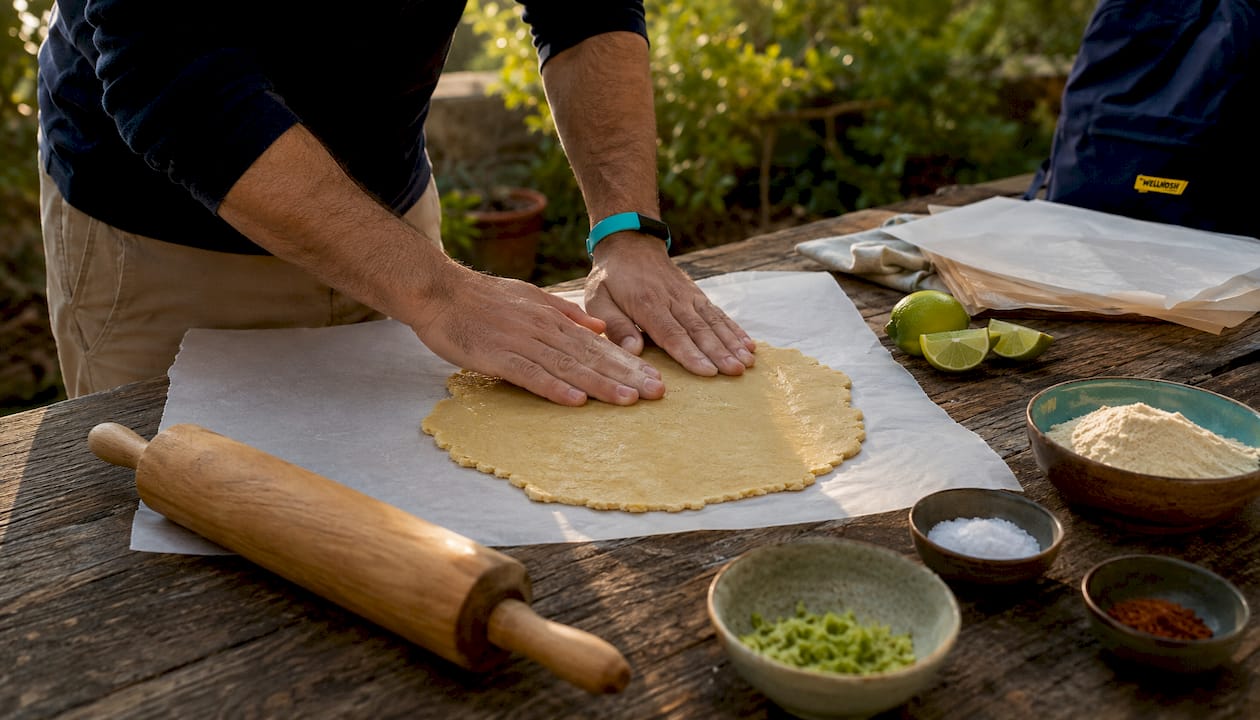
What makes keto tortilla chips work is the base. Instead of corn masa, you build the dough from:
- Almond flour for structure and a mild, neutral flavor
- Low-moisture shredded mozzarella for binding and crispness
- Unflavored whey protein isolate for that audible snap
- Xanthan gum to hold the dough together during rolling and frying
- Seasonings like chili powder, garlic powder, and cumin for flavor
The texture is the part that surprises people. Rolled thin enough and fried or baked correctly, these chips hold up to guacamole, salsa, and nacho toppings without buckling. They are not a compromise. They are a different recipe that happens to deliver the same experience.
What ingredients do you need for keto tortilla chips?
Getting the ingredient list right matters more here than in most recipes. One wrong swap and you end up with a soft, bready cracker instead of a chip.
- Almond flour: Use super-fine blanched almond flour. Coarser almond meal produces a gritty texture and browns unevenly. The fine grind is what gives you a smooth dough that rolls thin without tearing.
- Low-moisture mozzarella: Low-moisture shredded mozzarella are non-negotiable. Fresh mozzarella holds too much water, which steams the chips from the inside and prevents crisping. Pre-shredded, low-moisture is the one to grab.
- Unflavored whey protein isolate: This is the ingredient most people skip, and it is the reason their chips come out soft. Protein powder transforms almond dough into something that actually crunches when you bite in. Collagen powder does not work. Egg white protein produces a bready result. Stick with whey isolate.
- Xanthan gum: One tablespoon holds the dough together for rolling. Without it, the dough crumbles before it hits the oil. If you are sensitive to xanthan gum, half the amount still produces a workable dough, just slightly more fragile.
- Seasonings: Chili powder, garlic powder, cumin, smoked paprika, and sea salt are the standard combination. Seasoning tweaks transform a basic chip into something that actually satisfies a snack craving. Ranch seasoning, chipotle powder, and onion powder all work well as variations.
- Corn extract (optional): A dropperful of corn tortilla extract adds authentic corn chip flavor without any carb penalty. It is listed as optional in most recipes, but it makes a real difference. If you have ever made keto chips and thought “these taste like almond crackers,” this is the fix.
- Egg: Some recipes use a whole egg instead of xanthan gum as the binder. It provides structure and helps the chips hold up to thick dips.
Pro Tip: Add a small pinch of lime zest or a few drops of lime juice to the dough alongside the corn extract. That combination gets you remarkably close to the flavor of a restaurant-style corn chip.
How to make keto tortilla chips step by step
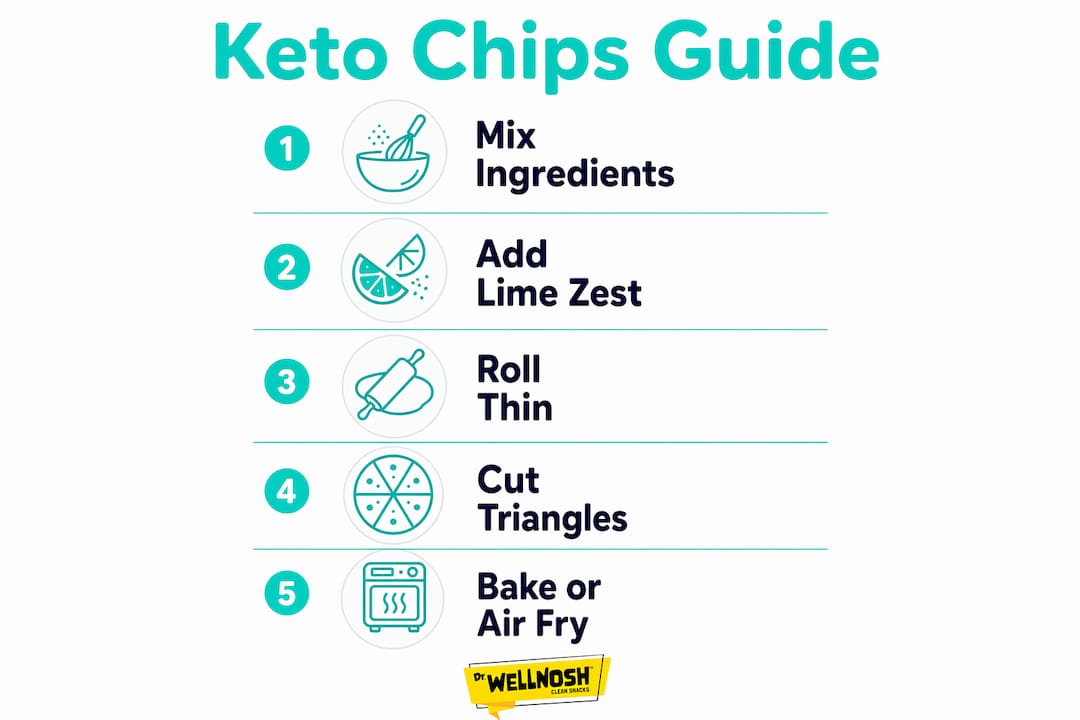
Two methods work well: frying and baking. Frying produces chips with those signature bubbles and a deeper crunch. Baking is easier and still delivers a satisfying result, though the texture lands closer to a cracker. An air fryer sits between the two.
Frying method
- Make the dough. Combine almond flour, unflavored whey protein isolate, xanthan gum, and salt in a bowl. Add hot water and mix until a dough forms. It comes together in about a minute.
- Roll it thin. Place the dough between two sheets of parchment paper and roll as thin as you can without tearing. Rolling to 1/16 inch or less is what produces a true snap. If you can almost see through the dough, you are in the right spot. Thick dough gives you crackers.
- Cut into triangles. Use a pizza cutter or sharp knife. Uniform size means even cooking.
- Let the pieces dry. Set the cut triangles aside for 5–10 minutes while you heat the oil. This short rest dehydrates the surface slightly and makes a noticeable difference in final crispness.
- Heat the oil. Avocado oil is the best choice for frying because of its high smoke point and neutral flavor. Fill a small pot with 1–2 inches of oil and heat over medium. Test readiness by dropping a small scrap of dough in. If it browns in under 10 seconds, the oil is too hot. Back it down and wait a full minute before adding chips.
- Fry in batches. Drop triangles in small batches. They should bubble immediately but not darken for at least 15–20 seconds. Fry until golden, then transfer to a paper towel-lined plate.
Baking method
Preheat the oven to 350°F. Roll the dough thin between parchment, cut into triangles, and arrange on a parchment-lined baking sheet with space between each piece. Bake for 8–14 minutes until golden around the edges, flipping halfway through. The chips continue to crisp as they cool, so pull them before they look fully done.
Air fryer method
The air fryer gets you closer to fried texture than baking does. Start checking at 4 minutes because they brown fast. Watch them closely.
Pro Tip: Transfer baked chips to a wire rack immediately out of the oven. A rack lets air circulate underneath, which prevents moisture from softening the bottom.
Common mistakes to avoid
- Skipping the protein powder. The chips will bend instead of snap.
- Rolling too thick. Anything over 1/8 inch produces a chewy cracker, not a chip.
- Uneven thickness. Thin edges burn while thick spots stay soft. Take the extra time to roll evenly.
- Overcrowding the pan. Space between chips allows hot air to circulate and crisp every edge.
- Using fresh mozzarella. High moisture content leads to soggy chips every time.
How to store homemade keto chips so they stay crispy
Homemade keto chips stay crispy for 5–7 days when stored correctly. The enemy is moisture, so the storage method matters.
- Use an airtight container or paper bag at room temperature. Refrigeration introduces moisture and softens chips quickly, so keep them out of the fridge entirely.
- Re-crisp in the oven if they soften. Spread chips on a baking sheet and warm at 300°F for 3–4 minutes. They come back almost to original texture.
- Freeze unfried dough triangles for longer storage. Lay cut, unfried pieces flat on a parchment-lined sheet, freeze until solid, then transfer to a freezer bag. They keep for about two months. Fry straight from frozen, adding roughly 30 extra seconds to the fry time.
- Avoid open bags. An open bag shortens crispness to a day or two. Even a loose clip seal helps.
Store-bought keto tortilla chip options worth knowing
If you want something off the shelf, a few brands make genuinely low-carb options. Most are available online and priced higher than homemade, but the convenience is real for travel or busy weeks. Store-bought keto chips typically cost more than a homemade batch but offer portability that a bag of homemade chips cannot match.
Most commercial keto chips use protein isolates and starches to achieve crunch, with net carbs typically landing between 2 and 4 grams per serving. Here is what the current market looks like:
- Almond flour-based chips (like Hilo Life): Made with almond flour, these genuinely resemble a flavored tortilla chip. Most store-bought keto tortilla chips contain between 2 and 4 grams net carbs per serving, making them convincing options for keto snackers who want actual crunch.
- Protein-forward chips (like Quest Tortilla Style): These lean on protein powder as the base, delivering between 2 and 4 grams net carbs per serving and a high protein count per bag. The ingredient list is longer and more processed than homemade, but the macros work for keto.
- Convenience trade-off: None of the store-bought options produce the fried bubbles you get from homemade. The texture is closer to a baked cracker. For dipping into thick guacamole or building nachos, homemade holds up better. Store-bought works best as a grab-and-go snack eaten on its own.
For a deeper look at keto-friendly tortilla chip alternatives, including how different formats compare on texture and macros, the options have expanded considerably in the past couple of years.
1. Cheese crisps
Cheese crisps are the most straightforward keto chip alternative. Bake or microwave small mounds of shredded hard cheese until they melt flat and crisp up. Parmesan, cheddar, and gouda all work. Net carbs land at 0–2 grams per serving, and the flavor is rich and savory. The one limitation: cheese crisps are best eaten on their own. They are too delicate for thick dips and tend to shatter rather than scoop.
2. Pork rinds
Pork rinds (chicharrones) carry zero net carbs, which makes them the most keto-compliant crunchy snack available. The texture is airy and light, the flavor is salty and savory, and they hold up surprisingly well to guacamole and sour cream. The flavor profile is different from a corn chip, but for pure crunch and zero carb impact, nothing beats them.
3. Almond flour crackers
Almond flour crackers made without cheese give you a thicker, more cracker-like result than dough-based keto chips, but they work well with soft dips and cheese boards. The carb count stays low, and you can season them the same way you would a chip: smoked paprika, garlic powder, or everything bagel seasoning. They are better for snacking alongside a dip than for building nachos.
4. Flaxseed crackers
Ground flaxseed mixed with water, salt, and spices bakes into a thin, crunchy cracker with a nutty flavor. Flaxseed is high in fiber and omega-3 fatty acids, and the net carb count per serving is very low. The texture is more brittle than a chip, but the flavor is genuinely good with a sharp cheddar or a creamy dip.
5. Seed crackers
A mix of sunflower seeds, pumpkin seeds, and sesame seeds pressed into a thin sheet and baked produces a crunchy, satisfying cracker with almost no net carbs. Seed crackers have a heartier texture than cheese crisps and hold up better to dipping. They also travel well, which makes them a practical option for on-the-go keto snacking.
6. Wellnosh protein chips
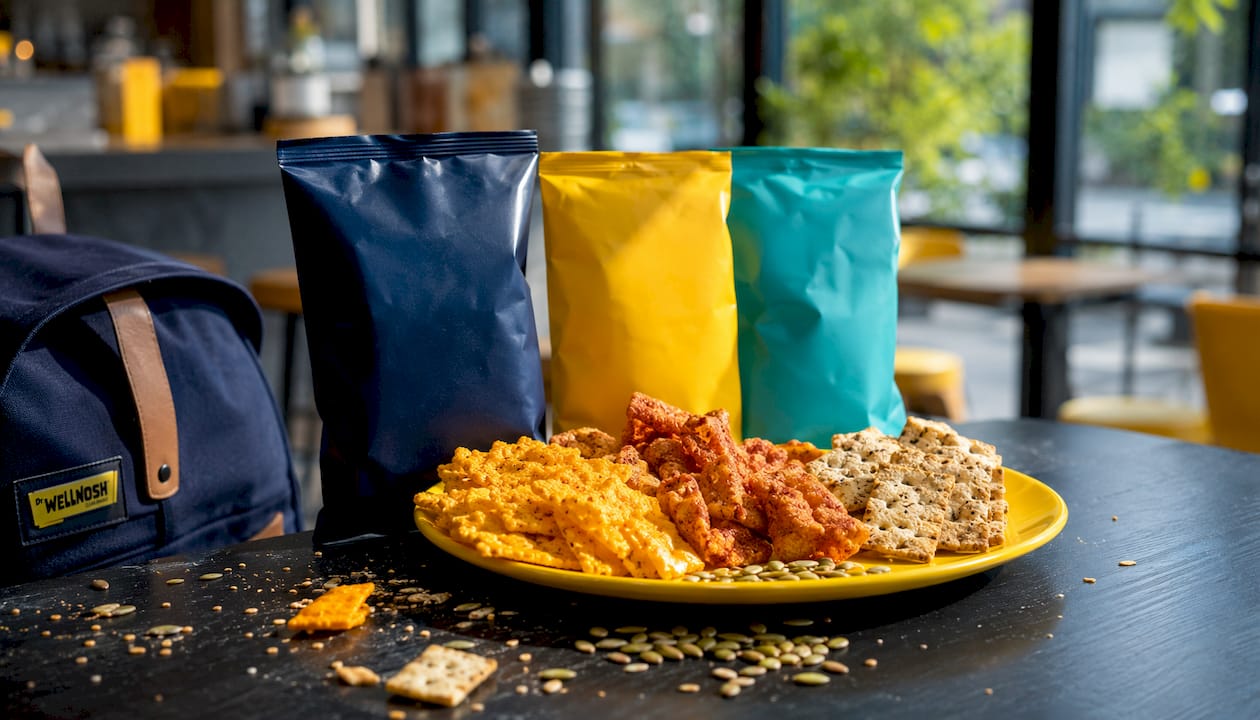
For people who want a ready-to-eat chip that actually delivers on both nutrition and crunch, Wellnosh protein chips are worth knowing about. Made with fava bean protein and cooked in avocado oil, they provide 15 grams of protein per bag with no seed oils, no artificial additives, and no added sugar. They are non-GMO, gluten free, and low carb. Flavors include Nacho Cheese, Celtic Salt, Chipotle Barbecue, and Cinnamon. The Chipotle Barbecue flavor in particular hits the savory, slightly smoky note that keto snackers often miss from traditional chips. Unlike most store-bought keto chips built on processed protein isolates, Wellnosh uses real, pronounceable ingredients throughout.

Wellnosh chips are a strong fit for fitness-focused keto snackers who want protein alongside their crunch, not just a low-carb facsimile of a junk food. If you are exploring high-protein chip alternatives, they belong on the shortlist.
Key Takeaways
Homemade keto tortilla chips deliver 1.6–4 grams net carbs per 1-ounce serving, compared to traditional corn chips at 18–20 grams net carbs per ounce, using almond flour, low-moisture mozzarella, and whey protein isolate as the core ingredients.
| Point | Details |
|---|---|
| Carb difference is dramatic | Traditional chips have 18–20 grams net carbs per ounce; homemade keto versions provide just 1.6–4 grams net carbs per serving. |
| Protein powder is non-negotiable | Unflavored whey isolate is what produces actual crunch; skipping it results in soft, bready chips. |
| Roll as thin as possible | Aim for 1/16 inch or less; thickness is the single biggest factor in chip texture. |
| Store at room temperature | Airtight container or paper bag keeps chips crispy for 5–7 days; refrigeration softens them. |
| Alternatives vary by use case | Dough-based chips hold up to thick dips; cheese crisps and pork rinds are best eaten standalone. |


