

· By Dr. Wellnosh
Dorm Friendly High Protein Study Snacks With a 15g Plant Option
A portable, protein-forward snack paired with fiber or healthy fat is the single best way to sustain study focus without a crash. Reach for Greek yogurt, canned tuna, or a bag of Wellnosh fava bean chips before hitting the books. Depending on your goal, aim for roughly 5 to 20 grams of protein per snack, more if it’s replacing a meal.
TL;DR:
- Canned tuna provides over 20 grams of protein per can, making it the highest portable, shelf-stable snack option.
- Combining two moderate protein sources, such as tuna with crackers or yogurt with nuts, reliably hits the 20 to 30 grams target for study focus.
- Wellnosh fava bean chips deliver 15 grams of plant-based protein per bag, making them a convenient snack for vegetarians and those avoiding dairy.
- Snacking on a mix of fiber-rich foods like edamame or vegetables with hummus helps stabilize blood sugar and maintains focus longer.
- For quick, no-prep options, pairing shelf-stable snacks like canned tuna, cheese sticks, or bean chips with fruit or vegetables keeps metabolic energy steady.
Table of Contents
- The Best Study Snacks: High Protein Options, Ranked by Convenience
- How to Choose the Right Study Snack Fast
- No-Prep Snack Combos You Can Eat in Under Two Minutes
- Protein Per Serving: A Quick Reference for Common Study Snacks
- Using Plant-Based Protein Chips as Real Study Fuel
- What Actually Matters When You’re Snacking to Study
- Stock Up on Wellnosh for Study Season
- Sources
- FAQ
The Best Study Snacks: High Protein Options, Ranked by Convenience
Not every protein source belongs in your backpack. Some need refrigeration, some sit in a locker for a semester, and some are basically candy bars wearing a protein-bar costume. Here’s how the real contenders stack up, grouped by how much effort they demand from you.
Shelf-stable snacks you can stash anywhere
These survive a backpack, a car, or a desk drawer without spoiling, which makes them the backbone of any serious study snack rotation.
- Canned tuna. One standard can delivers a significant amount of protein, more than almost anything else on this list, according to Healthline’s rundown of portable high-protein snacks. Pair it with whole-grain crackers for the fiber your gut and your focus both want.
- Single-serve nut or seed packets. Almonds, pistachios, or pumpkin seeds run about 6 to 8 grams of protein per small pouch. They’re calorie-dense, so stick to the single-serve size instead of the family bag.
- Dried edamame or roasted chickpeas. Crunchy, shelf-stable, and genuinely satisfying if you miss chips. A cup of edamame in its fresh form provides close to 18 grams of protein, and the roasted, dried versions land in a similar range per serving.
- Protein bars, with a caveat. Some are legitimately good. Many are dessert bars with a marketing budget. Check the label before you toss one in your bag, because the sugar content on plenty of “protein” bars rivals a candy bar.
- Wellnosh fava bean chips. Each bag delivers a notable amount of plant-based protein, cooked in avocado oil with no seed oils and no added sugar. They hold up in a backpack for weeks and satisfy the same craving a bag of potato chips does, minus the grease hangover.
Fridge or short-prep snacks worth the extra step
If you’ve got a mini fridge in your dorm or an office kitchen at work, this tier opens up.
- Greek yogurt. A typical container provides around 16 grams of protein, and the live cultures make it easier to digest than regular yogurt for a lot of people.
- Cottage cheese. Three-quarters of a cup provides a moderate amount of protein. Add berries or a drizzle of honey if the plain version bores you.
- Hard-boiled eggs. One large egg has close to 6.3 grams of protein, plus choline, a nutrient tied to memory function in nutrition literature. Boil six on Sunday and you’re set for the week.
- String cheese or cheese sticks. Each provides a small amount of protein, and requires very little preparation.
Plant-forward snacks that don’t skimp on protein
You don’t need meat or dairy to hit a solid protein number, and this category tends to get overlooked in generic “study snack” roundups.
- Edamame. A full cup of shelled edamame delivers around 18 grams of protein, making it one of the strongest plant-based options on this entire list, per Maryville University’s nursing program breakdown of study snacks.
- Hummus with raw vegetables. The chickpea base brings protein and fiber together in one dip, and carrots or bell peppers add crunch without the sodium load of chips.
- Roasted chickpeas. Similar protein profile to edamame, with a crunch that satisfies the same urge a handful of pretzels would.
- Nut butter on fruit slices. Two tablespoons of peanut or almond butter combined with apple slices provides a balanced mix of protein and fiber. Walnuts specifically bring omega-3 fatty acids into the mix, which shows up repeatedly in nutrition literature tied to brain-supportive eating.
If you’re building a rotation rather than grabbing one snack at a time, the protein-per-serving breakdown for common snack foods makes it easier to mix and match toward a daily target instead of guessing.
How to Choose the Right Study Snack Fast
Standing in a dorm pantry or a convenience store aisle at 11 p.m., you need a quick filter, not a nutrition degree. Four numbers matter more than anything else on the label.
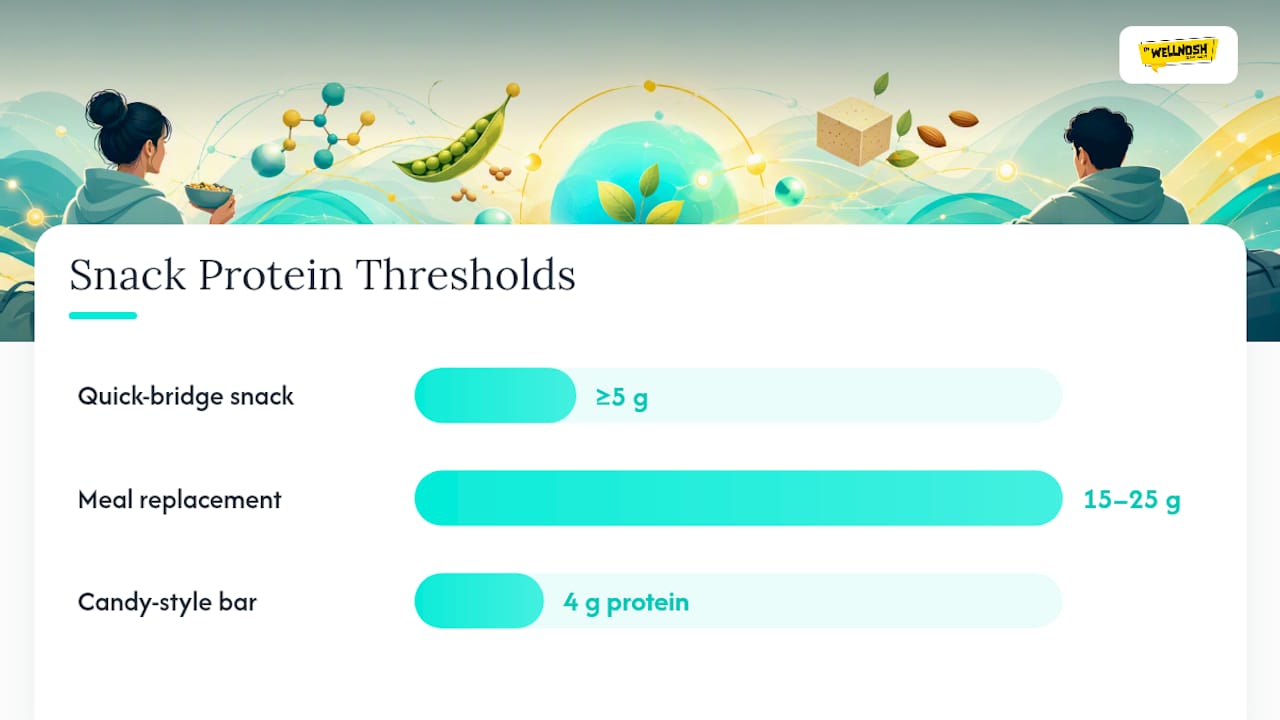
Protein per serving comes first. Harvard Health’s guidance on high-protein snacking recommends at least 5 grams of protein per snack, since your body typically processes 20 to 40 grams of protein at a single sitting anyway. If you’re replacing a meal rather than bridging a gap between them, push toward 15 to 25 grams instead.
Fiber content comes second, and it’s the piece most people skip. Protein and fiber together slow digestion and stabilize blood sugar, which is exactly what keeps you from crashing an hour into a study block, according to Healthline’s analysis of high-protein snacking patterns.
Added sugar is where a lot of “healthy” snacks fall apart. A bar with 4 grams of protein and 18 grams of added sugar is not a protein snack. It’s a candy bar with a gym membership. Flip the label and check both numbers before you trust the front of the package.
Portion size versus serving size trips people up constantly. A bag might list “140 calories, 6g protein” for a serving that’s actually half the bag. Read the serving count, not just the per-serving stats.
A few practical rules:
- Aim for at least 5 grams of protein for a quick bridge snack, 15 to 25 grams if it’s standing in for a meal or following a workout.
- Watch sodium on processed snacks, especially jerky and flavored chips.
- Skip anything with seed oils high on the ingredient list if you’re trying to avoid inflammatory fats.
- Time your snack 30 to 60 minutes before an intense study block so glucose is steady when you actually need to concentrate.
Pro Tip: Keep one shelf-stable protein snack in your bag at all times, even on days you don’t plan to study. The nights you actually need it are never the nights you remember to pack it.
No-Prep Snack Combos You Can Eat in Under Two Minutes
Some nights you don’t have a kitchen, a fridge, or the patience for either. These combos take less time to assemble than it takes to open your laptop.
- Greek yogurt plus a handful of berries. About 16 grams of protein, fridge required, ready in the time it takes to peel back a lid.
- Apple slices with 2 tablespoons of peanut butter. Roughly 8 grams of protein, shelf-stable if the peanut butter jar is already open on your desk.
- Canned tuna with whole-grain crackers. Around 22 grams of protein, fully shelf-stable, no fridge needed if you eat it same-day.
- Wellnosh fava bean chips with baby carrots. 15 grams of protein from the chips, plus fiber from the carrots. Dorm-friendly and needs zero prep.
- Hard-boiled egg with a small orange. About 6 grams of protein, fridge required for the egg, otherwise portable.
- Cottage cheese with pineapple chunks. Around 13 grams of protein, the best eaten same-day once opened.
- String cheese with a handful of grapes. Roughly 7 grams of protein, minimal fridge time needed.
- Roasted chickpeas with a piece of dark chocolate. Around 6 grams of protein, fully shelf-stable, and satisfies a sweet craving without derailing the whole snack.
- Hummus packed with sliced cucumber. Around 5 grams of protein per two-tablespoon serving, needs a small cooler bag if you’re out for hours.
- Edamame with a squeeze of lime. Close to 18 grams of protein per cup, best fresh or thawed rather than carried around all day.
One habit separates people who snack well from people who snack their way into a food coma: portioning ahead. Pouring a single serving into a small container, rather than eating straight from a family-size bag, keeps you from accidentally doubling your calorie intake while your brain is busy with something else.
Protein Per Serving: A Quick Reference for Common Study Snacks
Here’s how the numbers actually stack up when you’re trying to hit a 20 to 30 gram target across a study session rather than in one sitting.
The Healthline snack breakdown and USDA FoodData Central supplied most of these figures, with the fava bean chip number coming directly from Wellnosh’s own product data.
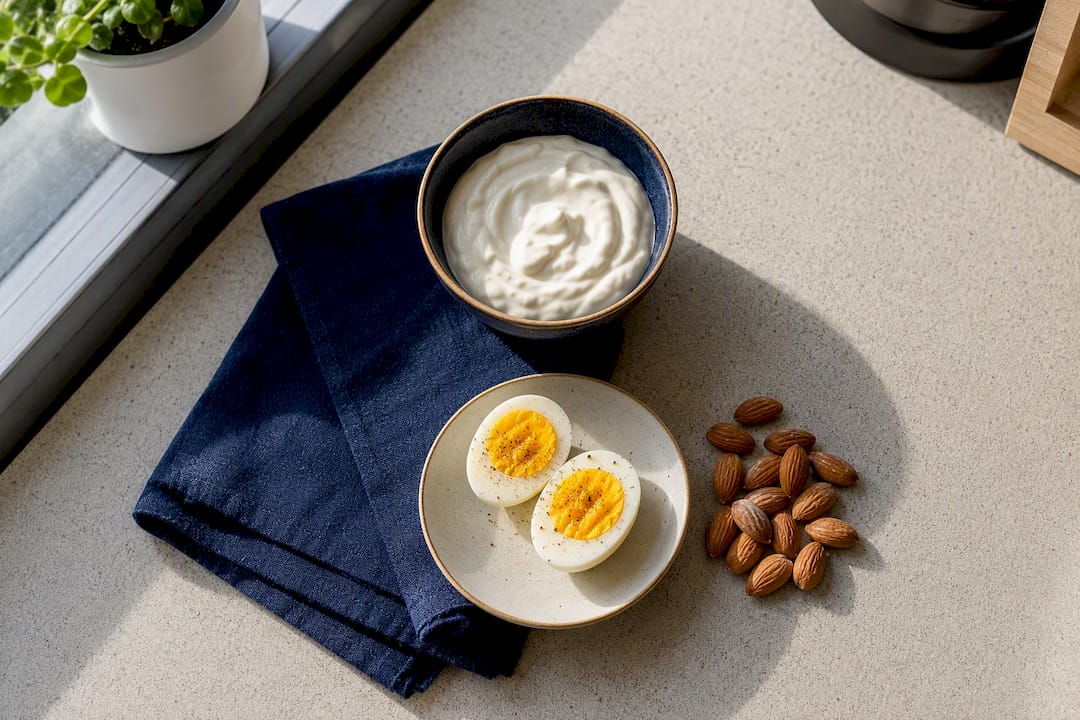
Hitting 20 to 30 grams doesn’t require one giant snack. A bag of Wellnosh chips with a hard-boiled egg gets you to about 21 grams. Greek yogurt with a small handful of almonds lands around 22 grams. Combining a medium single-serve protein source with a fiber-rich side reliably reaches the range that helps many students sustain focus for roughly 90 to 120 minutes before needing to refuel again.
Using Plant-Based Protein Chips as Real Study Fuel
Dr. Wellnosh, who writes on nutrition and high-protein snacking for Wellnosh, points out that plant-based crunch snacks get dismissed too quickly by people assuming “chips” automatically means empty calories. That assumption doesn’t hold up once you check the label.
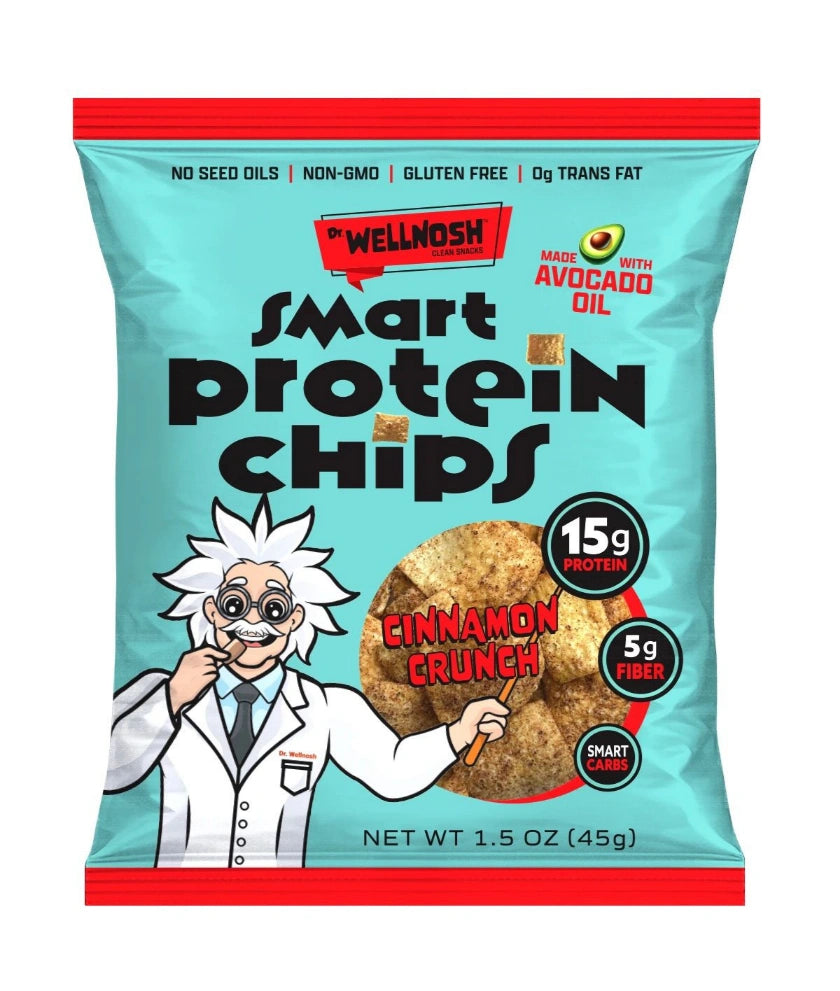
Wellnosh fava bean chips deliver 15 grams of protein per bag, cooked in avocado oil rather than seed oils, and carry no added sugar. They’re also non-GMO and gluten free, which matters if you’re navigating dietary restrictions on top of trying to study.
Practical ways to use them during a study block:
- Pair one bag with an apple or a handful of baby carrots to add fiber the chips alone don’t provide.
- Keep a bag in your backpack as a backup snack for the nights you didn’t plan ahead.
- Consider subscribing for convenient restocking during exam season.
- Treat the bag as a single serving rather than splitting it across a full day of grazing.
What Actually Matters When You’re Snacking to Study
Most snack advice online treats protein like a magic number, hit 20 grams and your brain switches on. That’s not quite how it works. The research points to something less flashy but more useful: consistency and pairing matter more than any single number on a label.
The bigger mistake I see students make isn’t choosing the wrong snack. It’s not snacking at all until they’re already foggy, then reaching for whatever’s fastest, usually something sugary that spikes and crashes within the hour. A mediocre protein snack eaten on schedule beats a perfect one eaten too late.
Plant-based options deserve more credit than they usually get in these conversations. A lot of “healthy snack” lists quietly default to dairy and meat, which leaves out students who are vegetarian, lactose intolerant, or just tired of eggs. Fava bean chips prove a plant-based snack can hit a real protein number, 15 grams, without leaning on seed oils or added sugar to make it palatable. That’s the gap most snack advice still hasn’t closed.
Prioritize the pairing over the perfect protein count. Fiber and healthy fat are doing as much work for your focus as the protein itself.
— Dr. Wellnosh
Stock Up on Wellnosh for Study Season
Unlike a protein bar loaded with sugar alcohols or a bag of jerky that leaves your fingers smelling like a truck stop, Wellnosh gives you a genuinely crunchy, plant-based snack with 15 grams of fava bean protein and zero added sugar, made for the exact moment you need focus without the crash.
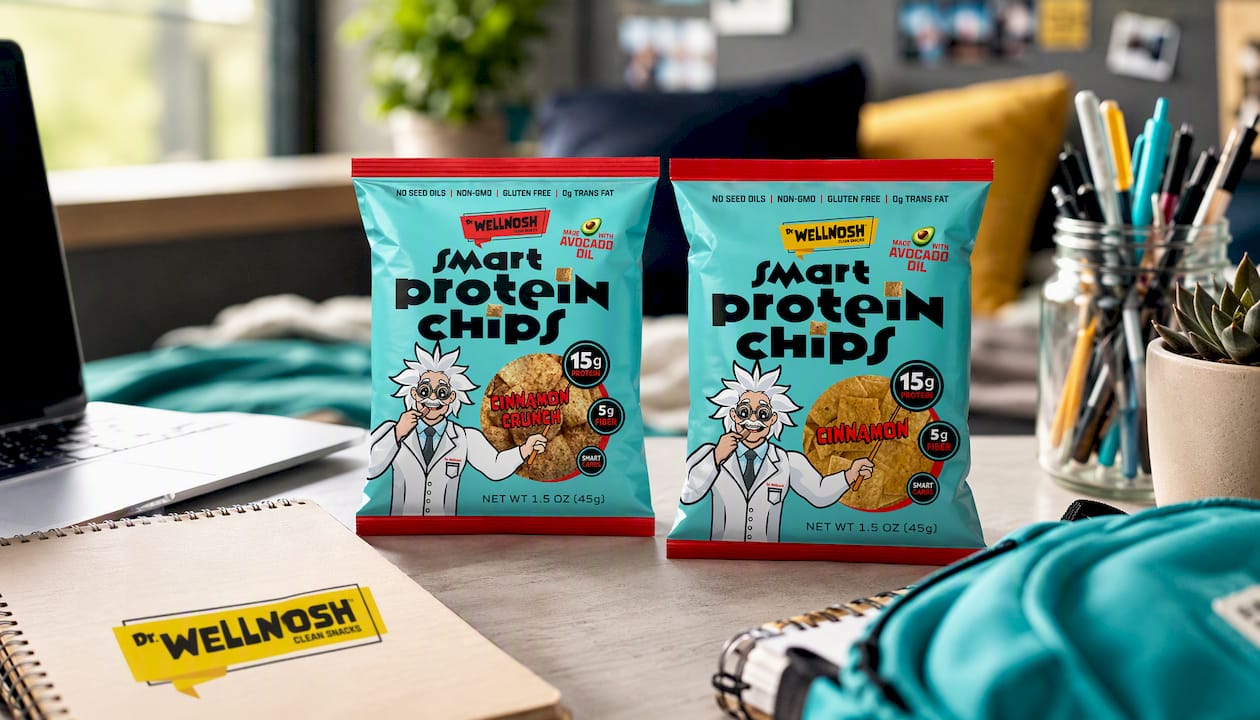
The lineup includes Nacho Cheese, Celtic Salt, Chipotle Barbecue, and a Variety Pack if you can’t decide on one flavor. The Cinnamon flavor rounds out the lineup for anyone craving something sweeter alongside their protein, though the original Cinnamon listing is currently out of stock, so check current availability before ordering. Every flavor is cooked in avocado oil, non-GMO, gluten free, low carb, and built from ingredients you can actually pronounce.
If you go through snacks quickly during exam weeks or busy work stretches, Subscribe & Save keeps your stash full without you having to remember to reorder. Head to the Wellnosh product page to pick your flavor and get a bag headed your way before your next study session.
Sources
- High-protein snacks to build muscle and keep hunger at bay - Harvard Health
- 30 High Protein Snacks That Are Healthy and Portable - Healthline
FAQ
Which snacks are best for studying?
Snacks that pair at least 5 grams of protein with fiber, like Greek yogurt with berries, canned tuna with crackers, or Wellnosh fava bean chips with vegetables, tend to sustain focus better than sugary options because they slow digestion and steady blood sugar.
What snacks are super high in protein?
Canned tuna leads the pack at around 22 grams per can, followed by edamame and protein powder at around 18 to 25 grams per serving, with Wellnosh fava bean chips delivering 15 grams per bag in a crunchy, plant-based format.
How do I get 30 grams of protein in a snack?
Combine two moderate sources, such as a scoop of protein powder blended into Greek yogurt, or canned tuna paired with a cheese stick, since single snacks rarely hit 30 grams on their own without stacking two items.
How can I get 20 grams of protein in a snack?
A bag of Wellnosh fava bean chips with a hard-boiled egg can provide a combined protein amount sufficient for a substantial snack, as can Greek yogurt with a small handful of almonds, both without needing a full meal.


