

· By Dr. Wellnosh
12 Best Dairy-Free Protein Snacks to Hit Your Goals
The best dairy free protein snacks fall into a handful of reliable categories: jerky and meat sticks, roasted chickpeas, edamame, canned tuna, nut and seed mixes, protein bars, protein chips, tofu and tempeh bites, and single-serve protein shakes. Each one delivers meaningful protein without a drop of milk, casein, or whey. The fastest way to hit roughly 30 g of protein from snacks alone is a three-part combo: a bag of fava bean protein chips (~15 g), a single-serve plant-based protein shake (~20 g), and a small handful of almonds (~6 g). That stacks to about 41 g, so you can scale down to two items if your daily targets are tighter.
Quick ~30 g combo:
- Fava bean protein chips (1 bag): ~15 g protein
- Single-serve plant protein shake (1 bottle): ~20 g protein
- Dry-roasted almonds (1 oz): ~6 g protein
Protein estimates throughout this article draw from FoodData Central (USDA), the federal nutrient database used by dietitians and researchers. Whether you’re avoiding dairy for lactose intolerance, a milk protein allergy, or a plant-forward lifestyle, every snack below fits the brief.
Key Takeaways
Dairy-free snackers can reliably hit 30 g of protein by combining two or three whole-food or clean-label sources, using FoodData Central estimates to verify the math.
| Point | Details |
|---|---|
| Top snack categories | Jerky, edamame, tuna, roasted chickpeas, protein chips, tempeh, and nut/seed mixes all deliver meaningful dairy-free protein. |
| Fastest 30 g combo | Fava bean protein chips (15 g) plus a plant protein shake (15–20 g) reaches ~30 g with no prep required. |
| Label check priority | Always verify the allergen statement first; “Contains: Milk” is the fastest disqualifier for any lactose free snack. |
| Plant protein pairing | Combining complementary plant sources (legume + seed, or adding protein powder) covers amino acid gaps per NCBI guidance. |
| Wellnosh chips | 15 g fava bean protein per bag, avocado oil, no seed oils or added sugar, available in Nacho Cheese, Celtic Salt, and Chipotle Barbecue. |
Table of Contents
- 12 Dairy-Free Protein Snacks Worth Keeping in Your Bag
- How to Build Snack Combos That Reach ~30 g of Protein
- What to Look for on Labels When Buying Packaged Snacks
- Three Quick DIY Dairy-Free Protein Snack Recipes
- Wellnosh Chips: 15 g of Fava Bean Protein, Ready to Eat
- Sources
12 Dairy-Free Protein Snacks Worth Keeping in Your Bag
1. Fava bean protein chips (Wellnosh)
🌱 Vegan | 🎒 Portable | ~15 g protein per bag
Wellnosh chips deliver 15 g of fava bean protein per bag, cooked in avocado oil with no seed oils, no added sugar, and no artificial additives. They’re non-GMO, gluten free, and low carb. Available flavors include Nacho Cheese, Celtic Salt, Chipotle Barbecue, and Cinnamon (note: Cinnamon and a second Chipotle Barbecue listing are currently out of stock). For a ready-to-eat chip that actually moves the protein needle, this is the cleanest option in the category.
Quick tip: Pair one bag with a single-serve protein shake to clear 30 g without any prep.
2. Beef or turkey jerky
🎒 Portable | ~9–14 g protein per 1 oz serving
Jerky is one of the most protein-dense shelf-stable snacks you can carry. A typical 1 oz serving of beef jerky provides a considerable amount of protein per FoodData Central data, with turkey jerky generally offering a somewhat higher protein content. The catch: many brands load up on added sugars and sodium. Read the ingredient list before buying. Look for versions with five or fewer ingredients and no caramel color or dextrose.
Quick tip: Choose “no sugar added” varieties to avoid the sugar trap that turns a protein snack into a candy bar.
3. Roasted chickpeas
🌱 Vegan | 🎒 Portable | ~6–7 g protein per ½ cup
Roasted chickpeas are crunchy, satisfying, and easy to batch-prep at home. A half-cup of cooked chickpeas contains a moderate amount of protein according to FoodData Central. Packaged versions vary, so check the label. Chickpeas are a legume, which means they’re lower in the amino acid methionine. Pair them with a seed-based snack or a nut butter to round out the amino acid profile, a strategy backed by research on complementary plant proteins.
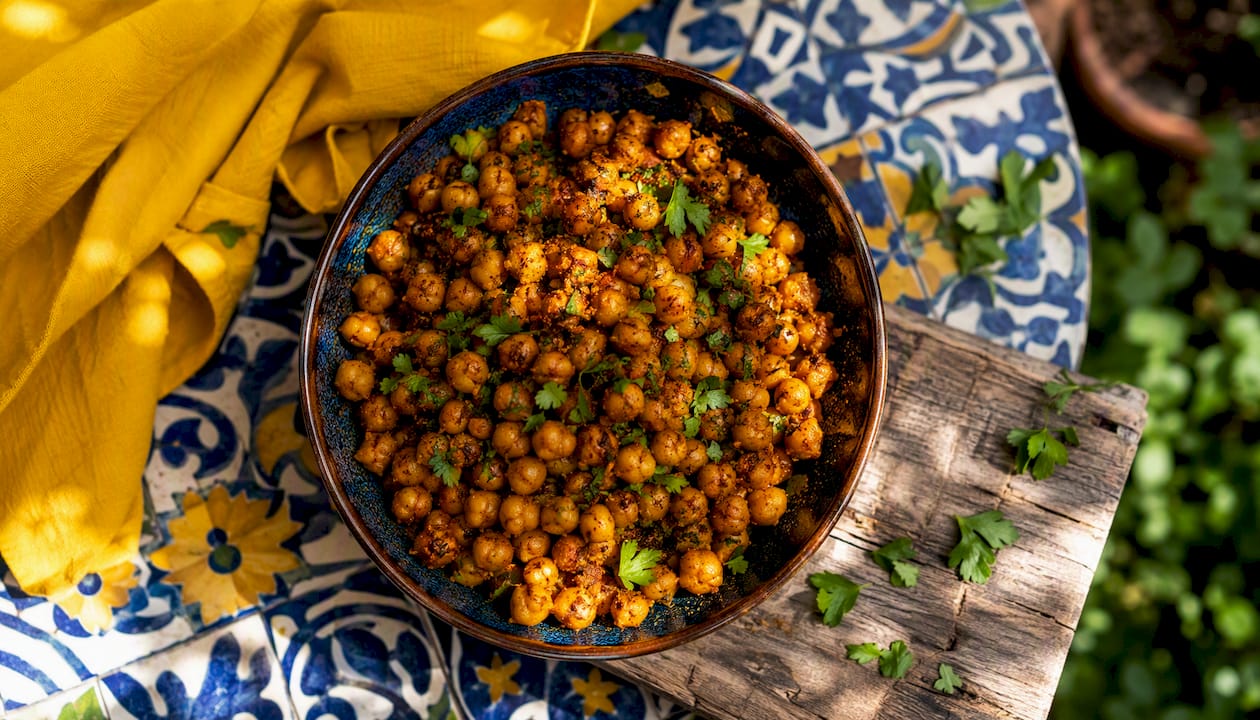
Quick tip: Season with smoked paprika and cumin before roasting for a flavor that actually competes with chips.
4. Edamame (shelled)
🌱 Vegan | ~8–9 g protein per ½ cup
Shelled edamame is one of the few plant foods that qualifies as a complete protein, meaning it contains all nine essential amino acids. A half-cup serving delivers roughly 8–9 g of protein. Frozen bags steam in four minutes; single-serve snack packs are available at most grocery stores. Lightly salted edamame is a solid pre-workout or desk snack.
Quick tip: Buy frozen shelled edamame in bulk and portion into snack bags on Sunday for the whole week.
5. Canned or pouched tuna
🎒 Portable | ~20–25 g protein per 3 oz serving
A single 3 oz serving of canned tuna packs a high amount of protein, making it one of the highest-protein snacks per calorie available. Pouched tuna requires no draining and fits in a gym bag. Tuna also supplies omega-3 fatty acids, which support heart and brain health alongside the protein benefit.
Quick tip: Mix with avocado instead of mayo for a dairy-free, healthy-fat version that keeps you full longer.
6. Hard-boiled eggs
~6 g protein per egg
Two hard-boiled eggs provide a meaningful protein amount and take under 15 minutes to prep. Eggs are animal-based and not vegan, but they are completely dairy-free. They’re one of the most bioavailable protein sources available, and the yolk adds fat-soluble vitamins that a protein bar won’t give you.
Quick tip: Batch-cook a dozen on Sunday; they keep in the fridge for up to a week.
7. Pumpkin seeds (pepitas)
🌱 Vegan | 🎒 Portable | ~8–9 g protein per 1 oz
An ounce of dry-roasted pumpkin seeds contains roughly 8–9 g of protein, plus a meaningful dose of magnesium and zinc. They’re one of the more protein-dense seeds, and they also supply plant-based omega-3s. Pumpkin seed protein is a growing ingredient in clean-label protein products because of its relatively complete amino acid profile compared to most seeds.
Quick tip: Mix with a small handful of dried cranberries (no sugar added) for a trail mix that travels well.
8. Tempeh slices
🌱 Vegan | ~15–16 g protein per 3 oz
Tempeh is fermented soy, and the fermentation process makes its protein more digestible than regular tofu. A typical 3 oz serving provides a substantial protein amount. Slice it thin, season with tamari and garlic, and pan-fry for a snack that holds up in a container for two to three days. Plant proteins can support muscle maintenance when total protein and key amino acids are adequate, and tempeh is one of the stronger plant options for hitting that threshold.
Quick tip: Marinate overnight in coconut aminos and lime juice before cooking for a flavor that makes it genuinely craveable.
9. Nut butter packets (almond or sunflower seed)
🌱 Vegan | 🎒 Portable | ~6–8 g protein per 2 tbsp
Single-serve nut butter packets are one of the most portable high-protein options available. Two tablespoons of almond butter provide a moderate protein amount; sunflower seed butter offers similar protein content and is suitable for tree-nut allergies. Pair with rice cakes or apple slices to add volume without dairy.
Quick tip: Sunflower seed butter is a smart swap for anyone with tree-nut allergies who still wants a portable, plant-based protein hit.
10. Single-serve plant-based protein shakes
🌱 Vegan | 🎒 Portable | ~15–25 g protein per bottle
Ready-to-drink plant protein shakes, typically pea, brown rice, or hemp protein based, are the fastest way to add a large protein block to a snack combo. Most single-serve bottles deliver a significant amount of protein. They’re not the most satisfying on their own (liquid calories don’t suppress appetite the way solid food does), but paired with a crunchy snack they fill the gap well.
Quick tip: Keep one in your gym bag or desk drawer as a backup for days when solid food prep falls through.
11. Roasted soybeans (soy nuts)
🌱 Vegan | 🎒 Portable | ~11 g protein per 1 oz
Roasted soybeans deliver roughly 11 g of protein per ounce, making them one of the most protein-dense portable plant snacks. They’re crunchy, shelf-stable, and available at most health food stores. Soy is a complete protein, so you don’t need to pair it with another source to cover your amino acid bases.
Quick tip: Check labels for added oils. Some brands use palm or soybean oil; look for versions dry-roasted with minimal ingredients.
12. Protein bars (dairy-free varieties)
🌱 Vegan options available | 🎒 Portable | ~10–20 g protein per bar
Dairy-free protein bars vary widely in quality. The better options use pea, brown rice, or seed protein and keep added sugar low. Many bars marketed as “healthy” are closer to candy bars with a protein label. Check that milk, whey, and casein don’t appear in the ingredient list or allergen statement. For clean-label plant-based snacks without processed soy, the ingredient list tells you more than the front-of-pack claim.
Quick tip: A bar with more than 10 g of added sugar is a dessert, not a protein snack. Set that as your personal cutoff.
How to Build Snack Combos That Reach ~30 g of Protein
Hitting 30 g of protein from a single snack is straightforward once you know which foods to stack. The Dietary Guidelines for Americans 2020–2025 recommend including a variety of protein foods across the day, and snacks are a practical place to close the gap between meals.
The math is simple: anchor your combo with one high-protein item (15 g or more), then add one or two smaller sources to reach your target. Here are four combos that work:
Protein estimates are drawn from FoodData Central (USDA). Values reflect cooked or ready-to-eat weights unless noted.
Why 30 g matters: NCBI protein guidance notes that distributing protein across meals and snacks supports muscle protein synthesis more effectively than concentrating it in one or two large meals. For older adults especially, per-meal protein targets tend to run higher because muscle protein synthesis becomes less efficient with age.
For plant-focused eaters, the key is combining sources. A PubMed review on protein source and outcomes found that plant-based approaches can support comparable outcomes to animal protein when total intake and amino acid coverage are adequate. That’s the case for the combos above.
Pro Tip: If you’re building a snack combo for post-workout recovery, prioritize leucine-rich sources like soy, pea protein, or tempeh. Leucine is the amino acid most directly linked to triggering muscle protein synthesis.
What to Look for on Labels When Buying Packaged Snacks
Most hidden dairy problems in packaged snacks aren’t obvious. A product labeled “non-dairy” can still legally contain casein in the United States. Here’s what to check before buying any lactose free protein snack:
The label checklist:
- Protein per serving: Look for at least 5 g per serving for a snack to count as a meaningful protein source. Under 3 g is a rounding error.
- Ingredient order: Ingredients are listed by weight. If the protein source (pea protein, fava bean, tuna) isn’t in the top three, the product is mostly filler.
- Allergen statement: The FDA requires “Contains: Milk” on any product with dairy. This is your fastest check. If it says “Contains: Milk,” it’s not dairy-free.
- Cross-contact warning: “May contain milk” or “manufactured in a facility with milk” is a cross-contact advisory, not a dairy ingredient. For lactose intolerance, this is usually fine. For a milk protein allergy, it’s a real risk.
- Added sugars: Anything above 8–10 g of added sugar per serving turns a protein snack into a dessert. Check the Nutrition Facts panel, not just the front label.
- Filler oils: Soybean oil, canola oil, and sunflower oil are common in packaged snacks. They’re not a dairy issue, but they’re worth knowing about if you’re tracking ingredient quality.
Hidden dairy terms to watch for: casein, caseinate, whey, milk solids, milk powder, lactalbumin, lactoglobulin, butterfat, ghee, and lactulose. “Lactic acid” and “lactate” are usually dairy-free (they’re fermentation byproducts), but when in doubt, check the allergen statement.
For plant-forward protein sources like pea, fava bean, or pumpkin seed, a “vegan” or “dairy-free” claim on the front label is generally reliable when the allergen statement confirms no milk. The protein density guide from Wellnosh breaks down how to compare protein-per-calorie across snack categories if you want to go deeper on that.
Pro Tip: Take a photo of the ingredient list and allergen statement before you buy a new product. Build a personal “approved” list in your phone’s notes app so you’re not re-reading labels every grocery run.
Three Quick DIY Dairy-Free Protein Snack Recipes
1. Crispy roasted chickpeas
~7 g protein per ½ cup (cooked chickpeas) | Prep: 5 min active, 30–40 min oven time
Roasted chickpeas are the easiest batch snack in this category. They store well and travel better than most homemade options.
Ingredients:
- 1 can (15 oz) chickpeas, drained and rinsed
- 1 tbsp avocado oil
- ½ tsp smoked paprika, ½ tsp cumin, ¼ tsp garlic powder, salt to taste
Method:
- Pat chickpeas completely dry with a paper towel (this is the step most people skip; moisture kills crunch).
- Toss with avocado oil and spices.
- Roast at 400°F for 30–40 minutes, shaking the pan halfway through.
- Cool completely before storing.
Storage: Airtight container at room temperature, up to 4 days.
Higher-protein variation: Add 1 tbsp nutritional yeast before roasting for an extra ~2 g protein per serving plus a savory, cheesy flavor without any dairy.
2. Protein chia pudding
~15–20 g protein per serving | Prep: 5 min active, 4+ hours passive (overnight works best)
Chia seeds supply roughly 5 g of protein per 2 tbsp serving, plus omega-3 fatty acids that support heart health. Adding a scoop of plant protein powder takes this from a light snack to a genuine protein hit.
Ingredients:
- 3 tbsp chia seeds (~5 g protein)
- 1 cup unsweetened almond or oat milk
- 1 scoop plant protein powder (~15–20 g protein, pea or brown rice based)
- ½ tsp vanilla extract, sweetener to taste
Method:
- Whisk protein powder into the milk until smooth.
- Stir in chia seeds and vanilla.
- Refrigerate at least 4 hours, stirring once after 30 minutes to prevent clumping.
Storage: Covered in the fridge, up to 4 days.
Lower-carb variation: Use unsweetened coconut milk and skip any sweetener. The fat content increases satiety and keeps net carbs low.
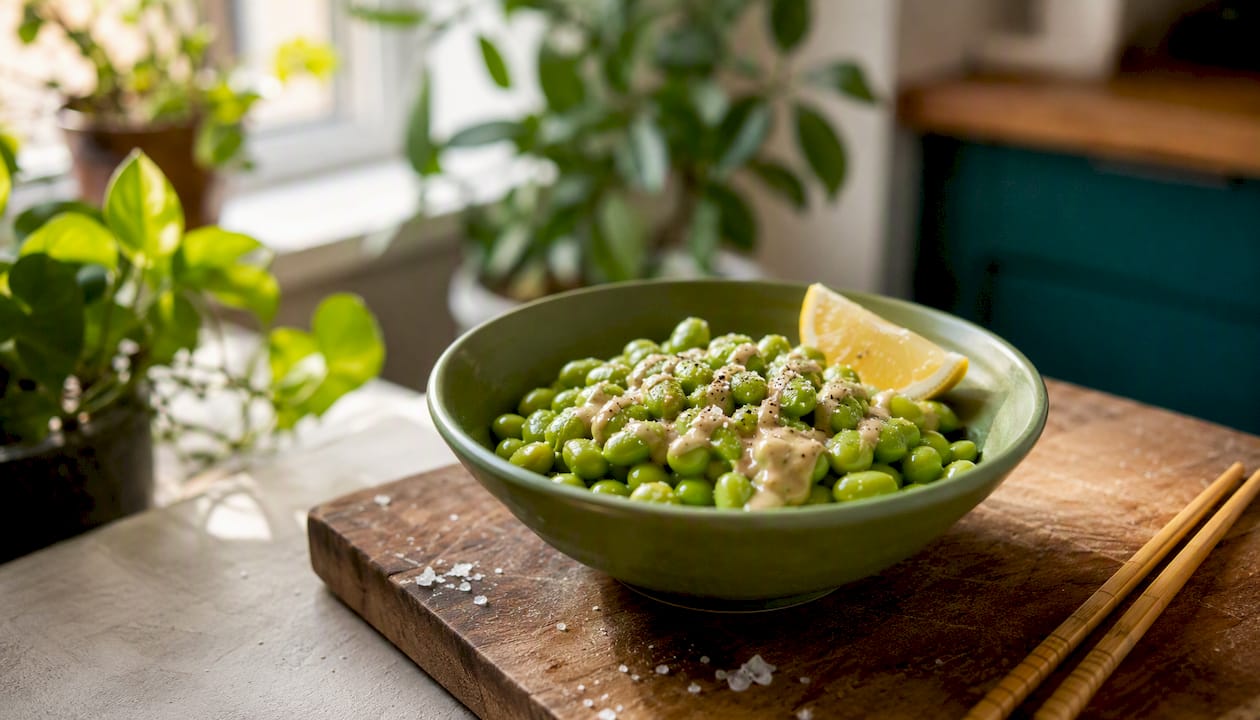
3. Seasoned edamame
~8–9 g protein per ½ cup shelled | Prep: 5–8 min total
This is the fastest recipe in the list. Frozen shelled edamame goes from freezer to snack bowl in under 10 minutes and delivers complete protein with almost no prep.
Ingredients:
- 1 cup frozen shelled edamame
- 1 tsp sesame oil
- ½ tsp garlic powder, pinch of red pepper flakes, flaky salt
Method:
- Steam or microwave edamame per package directions (usually 3–4 minutes).
- Toss with sesame oil and seasonings while warm.
- Serve immediately or cool and refrigerate.
Storage: Refrigerated in a covered container, up to 3 days.
Higher-protein variation: Toss with 1 tbsp tahini and a squeeze of lemon for an extra ~3 g protein per serving and a richer flavor profile.
| Recipe | Protein per serving | Prep time | Storage |
|---|---|---|---|
| Roasted chickpeas | ~7 g per ½ cup | 5 min active + 35 min oven | 4 days, room temp |
| Protein chia pudding | ~15–20 g per serving | 5 min active + 4 hrs passive | 4 days, refrigerated |
| Seasoned edamame | ~8–9 g per ½ cup | 5–8 min total | 3 days, refrigerated |
Protein values are estimates based on FoodData Central (USDA) data for whole-food ingredients. Actual totals will vary with the protein powder brand you choose.
Why clean, plant-forward protein snacks deserve more credit
Most nutrition conversations about protein still default to animal sources, and skepticism toward plant protein is often overstated. The evidence from research on protein quality and complementary proteins is clear: when you combine plant sources thoughtfully, or choose concentrated ones like fava bean, soy, or pea protein, the amino acid profile is more than adequate for muscle maintenance and general health.
What gets less attention is the ingredient quality problem on both sides of the plant/animal divide. A grass-fed beef jerky with three ingredients is a cleaner snack than a plant-based protein bar with 30 ingredients, seed oils, and 15 g of added sugar. The “plant-based” label has been stretched to cover products that have no business being called health food.
The Dietary Guidelines for Americans recommend a mix of protein foods, and that’s the right call. Not because plant protein is inferior, but because dietary variety tends to cover nutritional gaps that single-source reliance misses. If you’re dairy-free by necessity or by choice, the practical answer is the same: anchor your snacks on whole or minimally processed protein sources, read the allergen statement before you trust a label, and don’t let a “vegan” claim substitute for checking the ingredient list.
Wellnosh was built around exactly that standard: real ingredients, a protein source you can name (fava bean), and nothing that requires a chemistry degree to pronounce.
Wellnosh Chips: 15 g of Fava Bean Protein, Ready to Eat
If you want a dairy-free, high-protein snack that requires zero prep and fits in a gym bag, Wellnosh protein chips are the most direct answer in this article. Each bag delivers 15 g of fava bean protein, cooked in avocado oil, with no seed oils, no artificial additives, no added sugar, non-GMO, and gluten free.
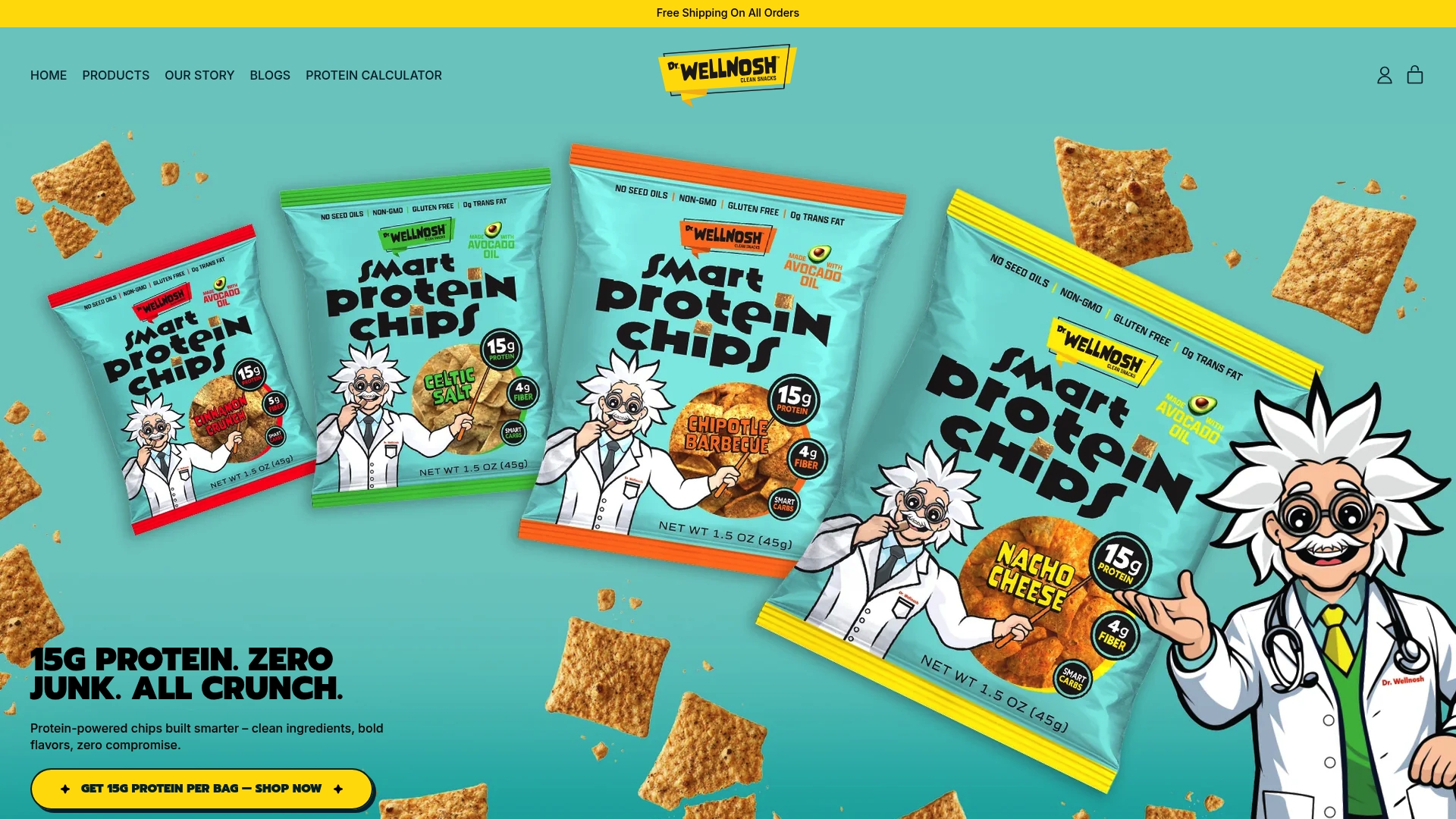
Current flavors include Nacho Cheese, Celtic Salt, and Chipotle Barbecue (in stock). The Cinnamon flavor and a second Chipotle Barbecue listing are currently out of stock; check the product pages for restocks. A Variety Pack is also available for trying multiple flavors before committing to a single bag.
For a quick 30 g combo, pair one bag of Wellnosh chips with a single-serve plant protein shake. That’s two items, no prep, and you’re at roughly 30–35 g of protein depending on the shake you choose. A Subscribe & Save option is available for regular buyers who want to lock in consistent delivery without reordering manually. Full nutrition facts are listed on each product page.
Sources
- Dietary Guidelines for Americans 2020–2025
- Protein and Amino Acids: Overview (NCBI Bookshelf, NBK557845)
- Plant protein quality and muscle maintenance (PMC6221888)
- MedlinePlus — Lactose intolerance
- PubMed article on protein source and outcomes (27813678)
- Protein quality and complementary proteins (PMC5188421)
- NIH ODS — Omega-3 Fatty Acids


