

· By Dr. Wellnosh
Make 3 Dozen Healthier Cinnamon Chips, Plus Research and When to Buy
Yes. Baked homemade cinnamon chips made with whole-food bases and modest amounts of natural sweetener are a healthier alternative to most commercial versions. The move is simple: bake instead of fry, pick a higher-fiber base to slow sugar absorption, and use real cinnamon (Ceylon if it’s a daily habit). The recipe and the nutrition breakdown below show exactly how to do it right.
TL;DR:
- Homemade cinnamon chips baked with whole-food bases, minimal sweetener, and healthy fats have a significantly better nutrition profile than most commercial options.
- Using Ceylon cinnamon instead of cassia reduces coumarin intake and maintains cinnamon’s antioxidant benefits when baked into snacks.
- Choosing a fiber- or protein-rich base like almond flour tortillas or rice paper impacts calorie and nutrient content more than cinnamon itself.
- Commercial cinnamon chips often contain refined sugar, seed oils, artificial flavorings, and preservatives, unlike homemade or carefully selected store-bought options.
- The health benefits of cinnamon in snacks are limited to small antioxidant effects, making ingredient quality and added sugars the critical factors for health-conscious choices.
Table of Contents
- What Makes Cinnamon Chips Healthy in the First Place?
- How Do You Make Healthy Cinnamon Chips at Home?
- Are Cinnamon Chips Healthy? What the Research Actually Shows
- Healthier Swaps: Bases, Sweeteners, and Add-Ins That Actually Matter
- How Long Do Homemade Cinnamon Chips Last?
- When Should You Buy Instead of Bake?
- The Additives Hiding in Most Commercial Cinnamon Chips
- Why the Real Question Isn’t Cinnamon. It’s Everything Else in the Bag
- Craving Crunch Without the Prep Work? Try Wellnosh Cinnamon Chips
- Sources
What Makes Cinnamon Chips Healthy in the First Place?
The honest answer depends less on the spice and more on everything around it. Cinnamon itself brings antioxidant compounds like cinnamaldehyde to the table, but a chip’s overall health profile comes down to three variables: how it’s cooked, what it’s made from, and how much added sugar rides along for the flavor. A chip baked from an almond-flour tortilla with a teaspoon of maple syrup and real cinnamon is a different food entirely from a bagged snack loaded with cassia extract, corn syrup solids, and partially hydrogenated oil.
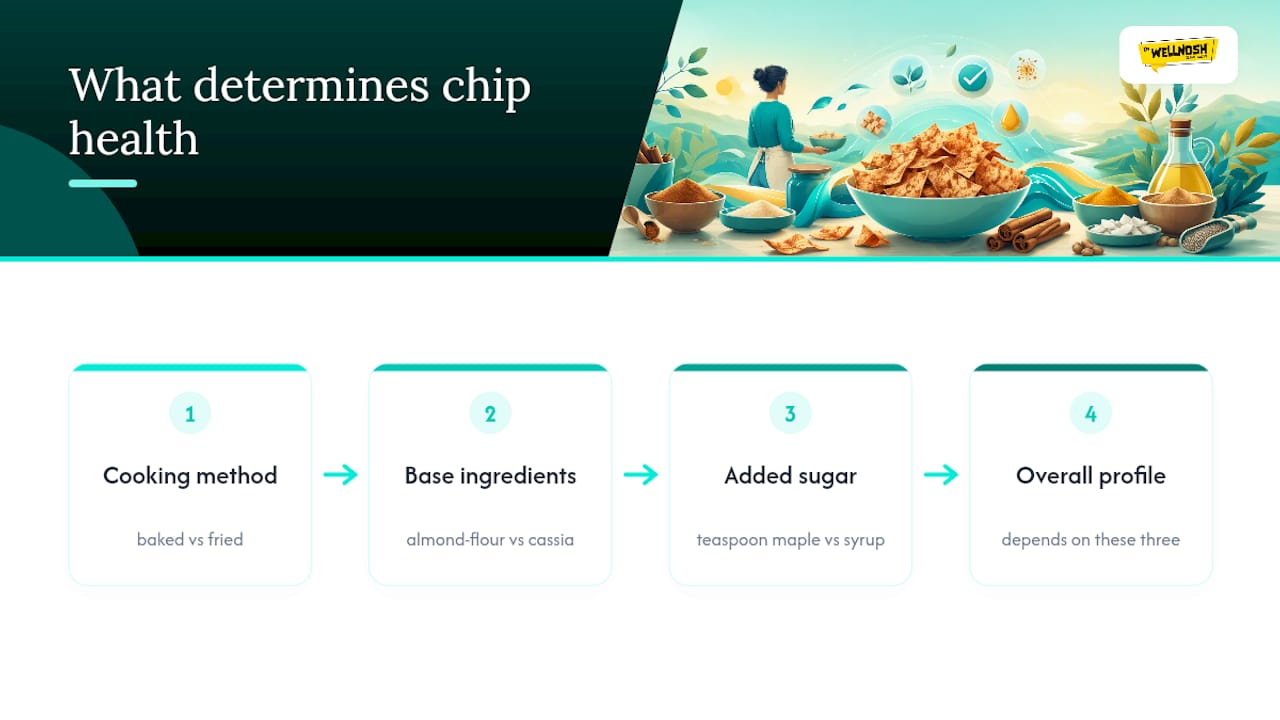
That distinction is the whole point of this guide. Below, you’ll find a reproducible recipe, the actual research behind cinnamon’s health claims, ingredient swaps for nearly every dietary goal, and an honest comparison between making chips yourself and buying a clean-label packaged snack when you don’t have the time.
How Do You Make Healthy Cinnamon Chips at Home?
This base recipe uses baking instead of frying and swaps refined sugar for a natural alternative, following the same principle behind the American Heart Association’s baked tortilla chip approach, which trades fried tortilla chips for a lighter, oven-baked version.
Ingredients (makes about 3 dozen chips):
- 6 almond-flour tortillas, or thin corn tortillas for a lower-fat option
- 2 to 3 tablespoons melted coconut oil or avocado oil (or skip the oil entirely for an oil-free version)
- 2 to 3 tablespoons maple syrup or coconut sugar
- 1 to 2 teaspoons ground Ceylon cinnamon
- A pinch of fine salt
- Optional: 1/4 teaspoon vanilla extract or a pinch of ground ginger
Method:
- Preheat the oven to 350°F and line two baking sheets with parchment paper.
- Cut each tortilla into 8 wedges using a pizza cutter or sharp knife.
- Whisk the oil, sweetener, cinnamon, and salt together in a small bowl until it forms a thin glaze.
- Brush or toss the tortilla wedges lightly in the glaze. Don’t drench them. A thin, even coat crisps up; a heavy one turns soggy in the middle.
- Arrange the wedges in a single layer without overlap.
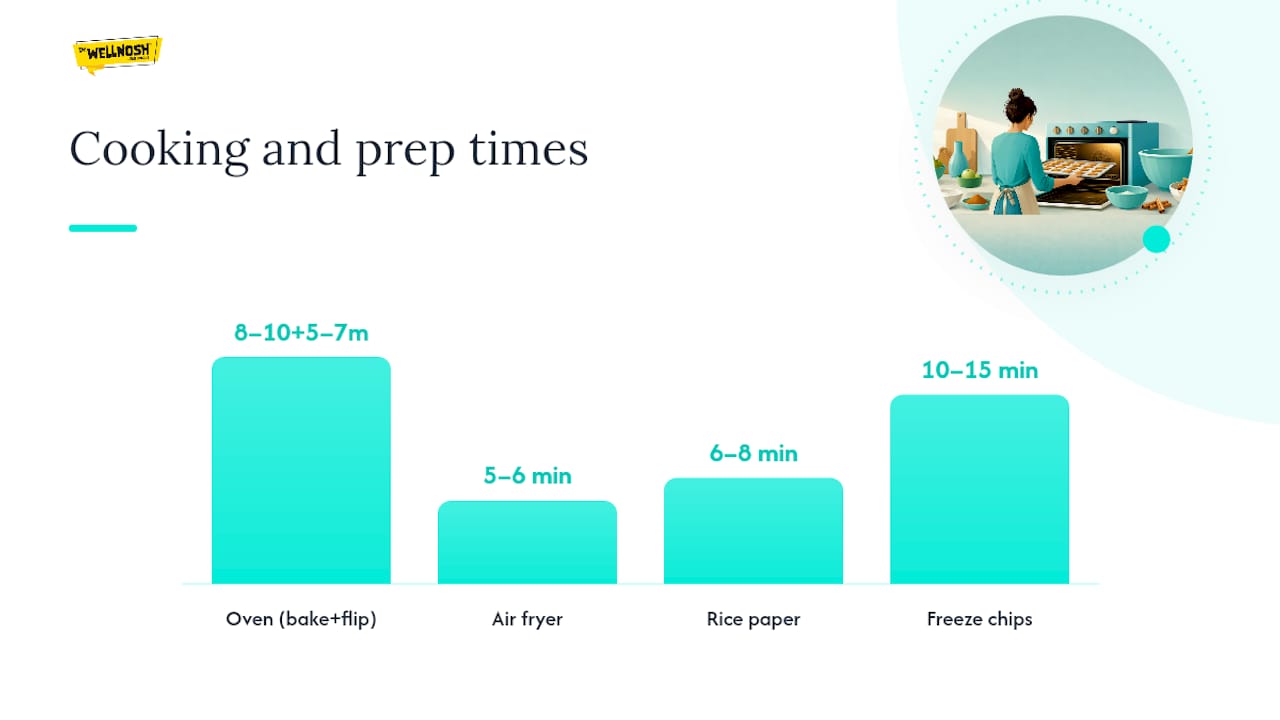
- Bake for 8 to 10 minutes, flip each chip, then bake another 5 to 7 minutes until the edges are golden and slightly curled.
- Cool completely on the tray. Chips firm up as they cool, so don’t judge crispness straight out of the oven.
For an air fryer, cook the wedges at 320°F for 5 to 6 minutes, shaking the basket halfway through. For an ultra-light version, brush rice paper rounds with the glaze and either bake at 300°F for 6 to 8 minutes or dry-toast them in a skillet over low heat until they curl and crisp.
Quick substitution guide:
| Original amount | Substitute |
|---|---|
| 1 tbsp maple syrup | 2 tsp coconut sugar + 1 tsp water |
| 1 tbsp maple syrup | 1/4 tsp monk fruit sweetener + 1 tsp water |
| Almond-flour tortilla | Corn tortilla (lower fat, higher whole-grain content) |
| 1 tsp cassia cinnamon | 1 tsp Ceylon cinnamon (lower coumarin) |
If you plan to fold these chips into muffin or scone batter, freeze the finished chips for 10 to 15 minutes first. That keeps them from going limp when they hit wet batter, and folding them in at the very end of mixing (rather than at the start) preserves the crunch.
Pro Tip: Skip the oil brush entirely and mist the tortilla wedges with water before dusting on the cinnamon and sweetener mixture. You still get an even coat, and the chips crisp up almost as well with a fraction of the fat.
Are Cinnamon Chips Healthy? What the Research Actually Shows
Cinnamon has a real, if limited, health case behind it. According to the National Center for Complementary and Integrative Health, research doesn’t support cinnamon as a treatment for any condition, but the spice does contain antioxidants that may help with blood sugar, cholesterol, and inflammation. The catch is that results vary heavily by cinnamon species, dose, and how it’s prepared.
What the data shows: USDA Agricultural Research Service studies found that roughly half a teaspoon of cinnamon a day, or less, was linked to mean improvements in blood glucose and lipid markers among participants with type 2 diabetes. The active compounds are water-soluble and heat-stable, meaning ground cinnamon baked into a chip retains its benefit rather than losing it in the oven.
That’s a meaningfully small amount, and it’s a reason to think of cinnamon as a flavor accent rather than a supplement you sprinkle on with a heavy hand. There’s also a safety detail most cinnamon-chip recipes skip entirely: cassia cinnamon, the type sold in most grocery store shakers, contains coumarin, a compound that can pose liver risks at high, repeated intake. Cleveland Clinic’s review of cinnamon’s health benefits makes the same point: cinnamon shouldn’t replace medical treatment, and cassia’s coumarin content is worth watching if you’re using cinnamon daily.
Here’s how that research translates into kitchen decisions:
- Keep total cinnamon intake to a small amount per day if you’re eating it regularly, based on the USDA/ARS study context.
- Choose Ceylon cinnamon over cassia for everyday cooking. It contains far less coumarin and is a low-effort swap once you know to look for it on the label.
- Don’t expect a cinnamon chip to manage blood sugar or cholesterol on its own. Treat any benefit as a bonus, not the reason to eat the snack.
- Watch the sweetener, not just the spice. A commercial cinnamon chip’s biggest health liability is usually added refined sugar and processed oils, not the cinnamon itself.
That last point is where homemade wins decisively. A bag of commercial cinnamon chips often carries refined sugar, artificial flavoring, and seed oils that a baked, whole-food version simply doesn’t need.
Healthier Swaps: Bases, Sweeteners, and Add-Ins That Actually Matter
The base you choose changes the nutrition math more than any other single decision. Almond-flour tortillas bring more protein and healthy fat but also more calories per chip. Corn tortillas keep things lighter and add whole-grain fiber. Rice paper produces the crispest, lightest chip, with almost no fat or fiber to speak of. Homemade almond-flour rounds go fully grain-free, useful for keto or low-carb goals, though they take a bit more prep than store-bought tortillas.
Sweeteners aren’t interchangeable in the way recipes sometimes imply. Maple syrup and coconut sugar both carry glycemic load, just somewhat less refined than white sugar. Monk fruit and stevia carry none, which matters if you’re managing blood sugar closely, but they can taste different in a baked application, sometimes slightly bitter at higher concentrations. Start with less than you think you need and taste before doubling.
For binders and fat, a small brush of avocado oil gets you the best crisp-to-calorie ratio of any oil-based option. Going oil-free works too, especially with a light water mist, but expect a slightly less golden finish. If you want more staying power from the snack, pair the finished chips with plain Greek yogurt for dipping or scatter chopped almonds or pumpkin seeds on top before baking.
- Almond-flour tortillas: higher protein and fat, more filling per chip.
- Corn tortillas: lighter, whole-grain, lower fat.
- Rice paper: ultra-light, minimal calories, least sturdy texture.
- Vanilla extract, ground ginger, or citrus zest: add complexity without adding sugar.
Pro Tip: A quarter teaspoon of orange zest mixed into the cinnamon glaze makes the chips taste noticeably sweeter without adding a gram of sugar. It’s the easiest flavor upgrade in this whole recipe.
How Long Do Homemade Cinnamon Chips Last?
Let the chips cool completely before storing them. Any residual warmth traps moisture in a sealed container and softens the crunch within hours.
- Store in an airtight container at room temperature for up to 1 to 2 weeks if the chips are fully dry with no syrup pooling on the surface.
- Chips glazed with a wetter syrup coating hold their crispness for a shorter window, usually closer to 5 to 7 days.
- A food-safe silica or rice packet in the container helps absorb residual moisture and extends crunch.
- Skip refrigeration unless you’ve added a perishable topping like yogurt; cold storage actually speeds up sogginess for dry baked chips.
- Watch for a stale, slightly rancid smell or a noticeably soft texture. Both signal it’s time to toss the batch.
These chips work well crumbled over muffins or scones (fold them in frozen, at the end of mixing, to keep texture), stirred into fruit salsa, scattered over yogurt bowls, or built into a dessert nacho platter with a light drizzle of yogurt and fresh berries. If you’re feeding cinnamon chips to a baby or young child, skip sugar-free sweeteners like stevia or monk fruit blends, since pediatric guidance generally advises against sugar substitutes for very young kids, and stick to a small amount of maple syrup or fruit puree instead.
When Should You Buy Instead of Bake?
DIY cinnamon chips give you full control over sugar, base, and portion size, but they take time, and they don’t travel especially well in a bag or a desk drawer. That’s the gap a clean-label packaged snack fills. Wellnosh’s Cinnamon protein chips deliver 15 grams of fava bean protein per bag, cooked in avocado oil with no seed oils, no artificial additives, and no added sugar, all with a non-GMO, gluten-free, low-carb ingredient list you can actually read and understand.
Bake your own when you want to control exactly how much sweetener goes in, need a grain-free or nut-free base, or want a crunchy topping for muffins and yogurt bowls. Reach for a packaged option when you need something shelf-stable, protein-forward, and ready in seconds rather than in an oven cycle.
| Factor | Homemade chips | Wellnosh Cinnamon chips |
|---|---|---|
| Convenience | Requires prep and baking time | Ready to eat, no prep |
| Protein per serving | Low unless paired with yogurt or nuts | 15g fava bean protein per bag |
| Shelf life | 5 to 7 days depending on coating | Long shelf-stable pantry life |
| Sweetness control | Fully adjustable | Fixed recipe, no added sugar |
The Additives Hiding in Most Commercial Cinnamon Chips
Read the ingredient panel on a typical bag of commercial cinnamon chips and you’ll usually find more than cinnamon and tortilla. Added refined sugar or high-fructose corn syrup shows up near the top of most ingredient lists, doing the heavy lifting on flavor that a modest amount of cinnamon and natural sweetener could handle on its own. Artificial cinnamon flavoring is common too, a lab-made compound that mimics the taste of real cinnamon without any of its antioxidant content.
Seed oils like soybean or canola oil are the default frying medium for most commercial chips, chosen for cost rather than nutrition. Preservatives such as TBHQ or BHA extend shelf life at the expense of a clean ingredient list, and some brands add caramel color or other dyes purely for visual appeal. None of these additives make the chip taste better than a well-made homemade version. They just make it cheaper to produce at scale.
The fix isn’t complicated: read the label, and treat a short ingredient list as a genuine advantage rather than a marketing gimmick. If the bag lists more than five or six ingredients and half of them are unpronounceable, the product is doing more manufacturing than cooking.
Why the Real Question Isn’t Cinnamon. It’s Everything Else in the Bag
The research on cinnamon is more modest than most snack marketing suggests. It’s a genuinely useful spice with real antioxidant activity, but the half-teaspoon-a-day finding from USDA studies should put a ceiling on how much credit any single cinnamon snack deserves. The conventional wisdom, that cinnamon itself makes a chip healthy, gets the priority backward.
What actually determines whether a cinnamon chip belongs in a health-conscious kitchen is the base, the cooking method, and the sugar load riding alongside the spice. Bake instead of fry, choose a base with some fiber or protein, and keep the sweetener modest. Do that, and the cinnamon is a genuine bonus rather than a marketing fig leaf covering for refined sugar and seed oil.
If there’s one habit worth adopting immediately, it’s reading ingredient labels the same way for snacks as you would for anything else you eat regularly. A five-ingredient homemade chip and a fifteen-ingredient bagged one can look identical on a plate.
— Dr. Wellnosh
Craving Crunch Without the Prep Work? Try Wellnosh Cinnamon Chips
Some days, baking a batch of cinnamon chips just isn’t happening, and that’s exactly the gap a clean-label packaged snack is built to fill. Wellnosh offers a protein-forward option that skips seed oils and refined sugar found in many commercial cinnamon chips while providing plant-based protein.
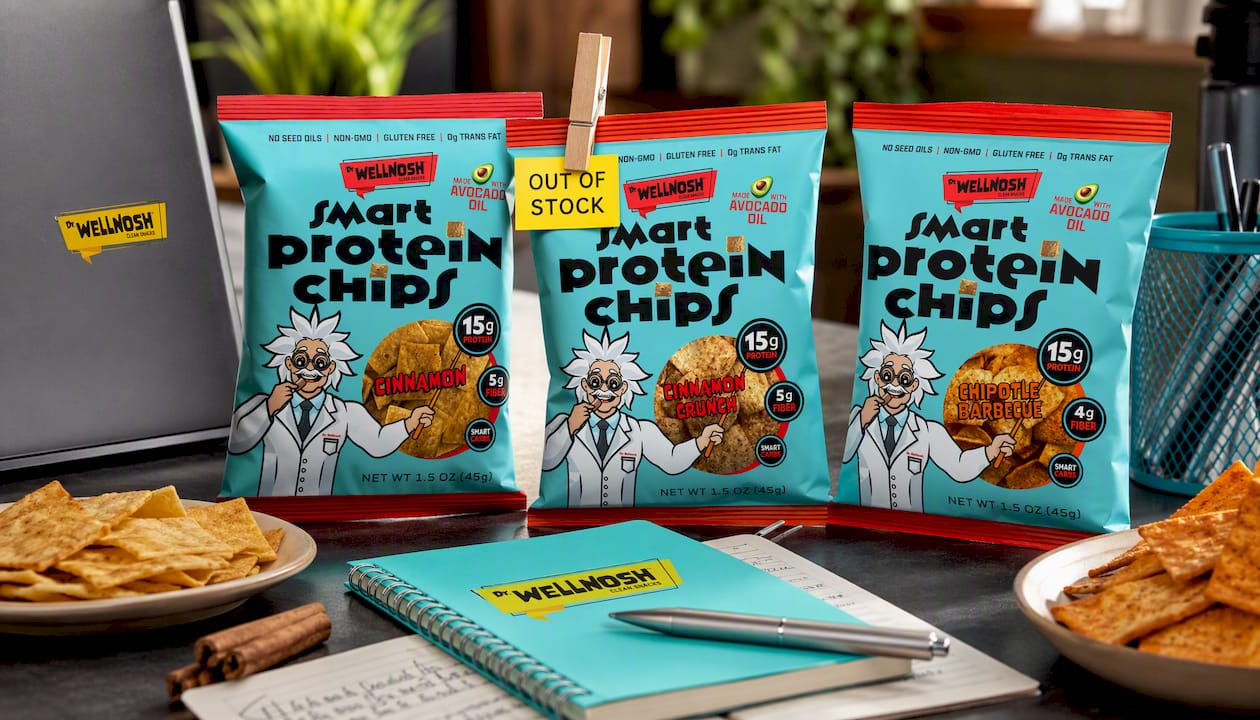
Every bag is cooked in avocado oil, made with non-GMO, gluten-free ingredients, and carries no added sugar, so you get the cinnamon flavor without the additive list you just read about above. It’s a fit for anyone who wants a grab-and-go snack that actually keeps them full between meals, whether that’s a fitness routine, a meal-prep schedule, or just a desk drawer that needs a better default than a bag of chips loaded with corn syrup. For a wider comparison of clean-label, plant-based options, the vegan protein chip roundup and this guide to healthy convenience snacks are both worth a look if you’re stocking a pantry for the week.
Ready to skip the oven and still get real cinnamon flavor with a protein boost? Order the Cinnamon flavor and see how it fits into your snack rotation, or check out the Chipotle Barbecue flavor if you want to mix things up beyond cinnamon.
Sources
- Cinnamon: Usefulness and Safety | NCCIH
- Research : USDA ARS
- 3 Potential health benefits of cinnamon | Cleveland Clinic
- Cinnamon Sweet Tortilla Chips with Fruit Salsa | American Heart Association Recipes


