

· By Dr. Wellnosh
The Best Low-Carb Pre-Workout Snacks for Keto Dieters
A small snack pairing easily digested protein with a modest amount of fat or MCT is the fastest, most reliable way to fuel a workout without disrupting ketosis. You don’t need much. Three options you can grab right now:
- 1 hard-boiled egg (roughly 5–6 g protein, ~5 g fat, 0 g net carbs) — peel it the night before, toss it in a zip bag
- Small handful of macadamia nuts (about 1 oz, ~2 g protein, 21 g fat, ~1 g net carbs) — the lowest-carb nut available
- 1 serving of Wellnosh Chipotle Barbecue protein chips (15 g fava bean protein, cooked in avocado oil, low carb, no added sugar) — gym-bag ready, no refrigeration needed
Strict keto? Keep the total pre-workout snack at or below 5 g net carbs. Moderate low-carb? You have a little more room, roughly 5–20 g depending on session intensity.
Key Takeaways
The most effective low-carb pre-workout snack is a small, protein-forward portion with minimal fat or MCT, kept at or below 5 g net carbs for strict keto adherence.
| Point | Details |
|---|---|
| Keep carbs minimal | Strict keto dieters should target ≤ 5 g net carbs per pre-workout snack to preserve ketosis. |
| Time by snack type | Liquid protein and MCT work 0–20 minutes out; solid fat-protein combos need 60–90 minutes of lead time. |
| Read every label | Scan for maltitol, dextrose, seed oils, and hidden starches before buying any packaged snack. |
| Electrolytes matter | Sodium, potassium, and magnesium need extra attention on low-carb diets, especially before sessions over 45 minutes. |
| Wellnosh Chipotle Barbecue | 15 g fava bean protein per bag, avocado oil, no seed oils or added sugar — a clean, portable pre-workout option. |
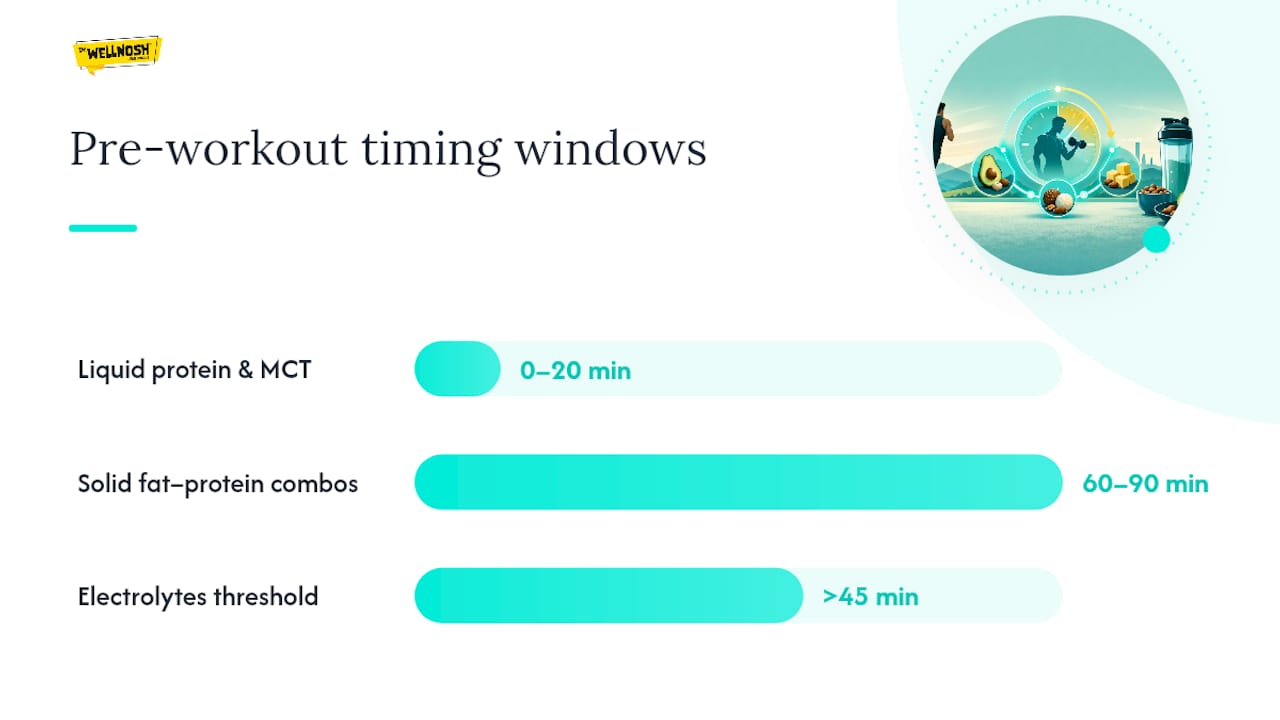
Table of Contents
- The best low-carb pre-workout snacks, ranked by purpose
- When to eat and how much before a workout
- What to skip before your workout
- Quick combos you can pack in a gym bag or prep ahead
- Why protein plus small fat works: the science behind the picks
- A note from Wellnosh on testing and real-world use
- Wellnosh Chipotle Barbecue: a clean grab-and-go option worth keeping in your bag
- Sources
The best low-carb pre-workout snacks, ranked by purpose
All macro estimates below are approximations based on USDA FoodData Central data; exact values vary by brand and preparation.
Quick energy and digestibility (0–20 minutes before)
Coffee with MCT oil — fast-absorbing fat that converts to ketones quickly, plus caffeine for perceived exertion reduction. One tablespoon MCT oil in black coffee is the most portable liquid option. Meta-analyses on caffeine support its ergogenic effect, particularly for low-carb athletes.
Whey or egg isolate in water — 20–25 g protein, near-zero carbs, digests in 30–45 minutes. Best when you’re training within the hour and want amino acids available fast.
Steady endurance (30–90 minutes before)
All values are estimates. Verify exact figures for your specific product using FoodData Central.
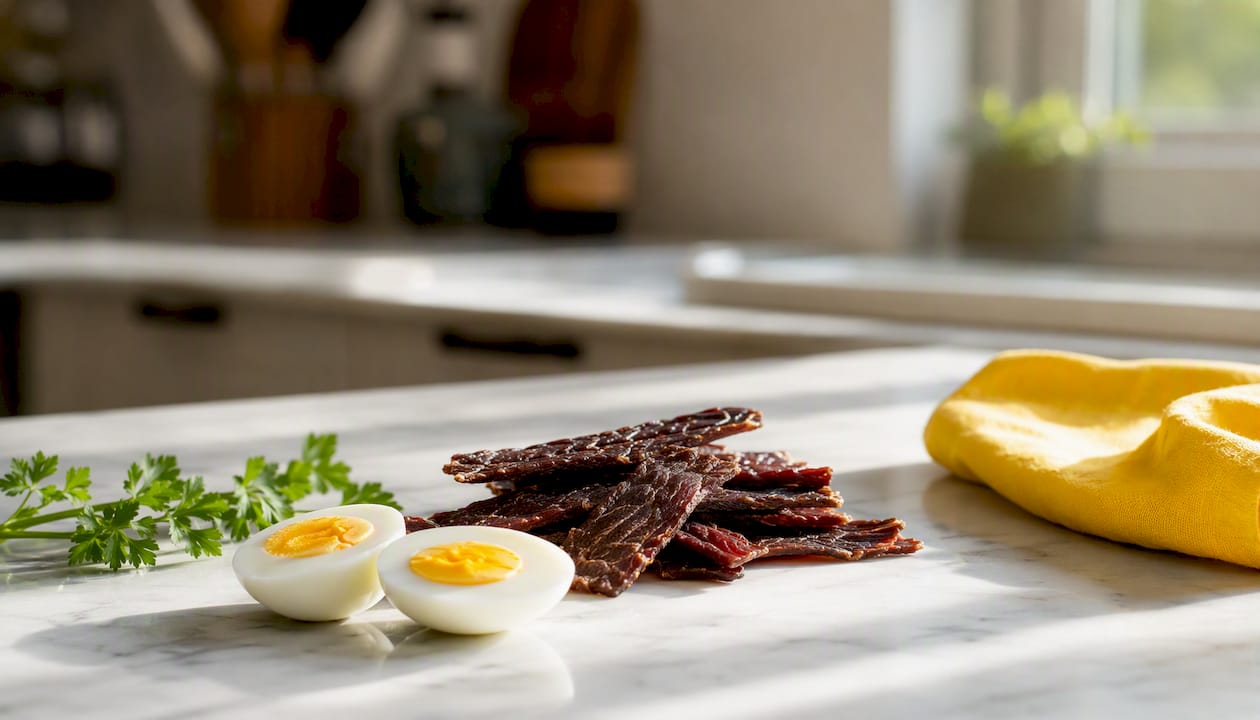
Hard-boiled eggs deliver roughly 5–6 g protein and ~5 g fat per egg with zero net carbs, making them one of the most efficient portable picks. Beef jerky earns its place for portability, but check the label — many brands add honey or dextrose.
High-protein options (30–60 minutes before)
Full-fat Greek yogurt — provides moderate protein and carbs per 1/2 cup. Add a small handful of strawberries (a few grams of carbs for 1/3 cup) and you stay below a modest net carb threshold. Best for moderate low-carb, not strict keto.
Cottage cheese (1/2 cup) — provides a good source of protein with some carbohydrates. Pairs well with a few walnuts for added fat. Requires refrigeration, so it’s a pre-gym fridge option rather than a bag snack.
Convenient packaged options
Clean protein chips like Wellnosh Chipotle Barbecue deliver 15 g fava bean protein per bag, cooked in avocado oil with no seed oils, no artificial additives, and no added sugar. Gym-bag friendly, no refrigeration, and the ingredient list is short enough to read in five seconds. For strict keto, check the per-serving net carb count on the label before buying any packaged chip.
Portability notes: Eggs, jerky, cheese, and protein chips travel without refrigeration for a few hours. Greek yogurt and cottage cheese need a cold pack for anything over 90 minutes out of the fridge.
When to eat and how much before a workout
Eating before exercise helps provide energy; timing and portion size directly affect digestion and comfort during activity. The general rule: the closer to your session, the smaller and more liquid the snack should be.
0–20 minutes out: Stick to liquids or near-liquids. Coffee with MCT oil, an electrolyte drink with a pinch of sodium, or a small whey isolate shake. Solid food this close to training risks sitting heavy, especially during HIIT.
30–60 minutes out: A small solid snack works well here. One hard-boiled egg plus a few macadamias, or half a cup of Greek yogurt with a few berries. Fat slows gastric emptying, so keep the fat portion modest if you’re doing high-intensity work.
60–90 minutes out: You have room for a more substantial protein-fat combo. Two eggs plus half an avocado, or cottage cheese with walnuts. The extra lead time lets fat digest without causing sluggishness mid-session.
Two quick examples:
Morning cardio walk: 30 minutes before, drink black coffee with one tablespoon MCT oil. No solid food needed. Electrolytes if you’re sweating heavily.
Evening heavy lifting: 60–75 minutes before, eat two hard-boiled eggs plus 1 oz cheddar. The protein is available when you need it; the fat is mostly cleared before the first set.
For very high-intensity sessions, some practitioners use a targeted ketogenic approach, adding a small carb dose (5–20 g) pre-session. Clinical review literature supports targeted carbohydrate use for high-intensity performance while staying largely low-carb the rest of the day.
What to skip before your workout
Some foods actively work against you here, either by spiking blood glucose, causing GI distress, or simply sitting too heavy to train comfortably.
Skip these:
- High-glycemic carbs: white bread, rice cakes, fruit juice, sports drinks with sugar
- Large fatty meals immediately pre-workout (a full avocado plus nuts plus cheese is too much fat within 30 minutes of training)
- Sugary protein bars with dextrose, honey, or brown rice syrup in the first three ingredients
- Seed-oil-heavy snacks: conventional chips, crackers, most commercial granola bars
- Maltitol and certain polyols: research links these sugar alcohols to blood glucose spikes in sensitive people and GI distress during exercise
Label checklist for packaged snacks:
- Total carbs minus fiber = net carbs. Aim for ≤ 5 g net carbs per serving for strict keto.
- Scan the first three ingredients for added sugars: maltitol, dextrose, honey, agave, brown rice syrup
- Look for seed oils (soybean, canola, sunflower, safflower) and skip them
- Count the ingredients. If the list runs past ten items with words you can’t pronounce, put it back.
Pro Tip: To spot stealth carbs fast, flip the package and find “Total Carbohydrate.” Subtract dietary fiber and any erythritol (which has minimal glycemic impact). That number is your real net carb count. If it’s over 5 g and you’re strict keto, it’s a no. For a deeper breakdown of where hidden carbs lurk in packaged snacks, the hidden carbs guide covers the most common label tricks.
Quick combos you can pack in a gym bag or prep ahead
These pairings take under five minutes to assemble and hold up well in transit.
- Egg + macadamias: 1 hard-boiled egg plus 6 macadamia nuts. Under 2 g net carbs, ~8 g protein, travels in a small container with no ice needed for a few hours.
- Greek yogurt cup: 1/2 cup full-fat Greek yogurt plus 1 tbsp chia seeds plus a few strawberries. Pack in a small insulated jar with a cold pack. About 16 g protein, ~8 g net carbs — better for moderate low-carb than strict keto.
- Protein chips plus cheese: 1 serving Wellnosh Chipotle Barbecue chips plus 1 oz cheddar. No refrigeration for the chips; wrap the cheese in parchment. High protein, clean ingredients, easy to eat in the car.
- Jerky plus avocado: 1 oz no-sugar-added beef jerky plus 1/4 avocado (mashed into a small container). About 10 g protein, ~4 g net carbs. The fat from avocado slows digestion slightly, so eat this 45–60 minutes out.
- Fat bombs (prep ahead): Blend 2 tbsp almond butter, 1 tbsp coconut oil, and a pinch of salt. Pour into silicone molds, freeze. Each small bomb runs roughly 1 g net carbs and 8 g fat. Best for steady-state cardio, not heavy lifting.
- Egg muffins (batch prep): Whisk 6 eggs with diced spinach and cheese, pour into a muffin tin, bake at 350°F for 18 minutes. Each muffin is roughly 6 g protein and under 1 g net carbs. Refrigerate for up to four days; grab one or two before training.
For more packable ideas, the clean snack planning guide covers batch-prep strategies that work well for weekly gym prep.
Why protein plus small fat works: the science behind the picks
On a low-carb diet, your body runs primarily on fatty acids and ketones rather than glucose. A pre-workout snack that adds easily digested protein keeps amino acids available for muscle support without triggering a glucose spike that could knock you out of ketosis.
Peer-reviewed research consistently supports consuming protein near workouts to increase amino-acid availability and aid recovery. The practical threshold most practitioners use: keep the pre-workout snack at or below 5 g net carbs for strict keto, per Harvard Health guidance on low-carb snacking.
Evidence-backed points:
- Caffeine taken before exercise reduces perceived exertion; pairing it with MCT oil (a fast-absorbing fat) is a practical low-carb strategy supported by meta-analysis data
- Fat slows gastric emptying, which is why large fat portions need more lead time before high-intensity sessions
- Electrolyte balance — sodium, potassium, magnesium — influences exercise performance and needs extra attention on low-carb diets, since reduced carb intake lowers insulin and accelerates fluid and mineral excretion
Expert tip 1 — electrolytes: Add a pinch of sodium to your pre-workout drink or choose a snack with natural sodium (jerky, cheese, salted nuts). This supports blood volume and power output, particularly for sessions over 45 minutes.
Expert tip 2 — liquid vs. solid fat: If you’re training within 30 minutes, liquid MCT (in coffee or a shake) clears faster than solid fat from nuts or cheese. Save the fattier solid snacks for the 60–90-minute window.
A note from Wellnosh on testing and real-world use
The Wellnosh team built its chips specifically around the problem this article addresses: most packaged snacks marketed as “keto” or “low-carb” still contain seed oils, long ingredient lists, or sweeteners that cause GI issues mid-workout. Cooking in avocado oil and using fava bean protein as the base was a deliberate formulation choice, not a marketing angle.
In practice, team members rotate snacks by session type: liquid protein plus MCT for early morning HIIT, and a bag of Chipotle Barbecue chips plus a small cheese portion for afternoon strength sessions. The chips hold up in a gym bag without getting stale, which matters more than most snack reviews acknowledge.
Wellnosh Chipotle Barbecue: a clean grab-and-go option worth keeping in your bag
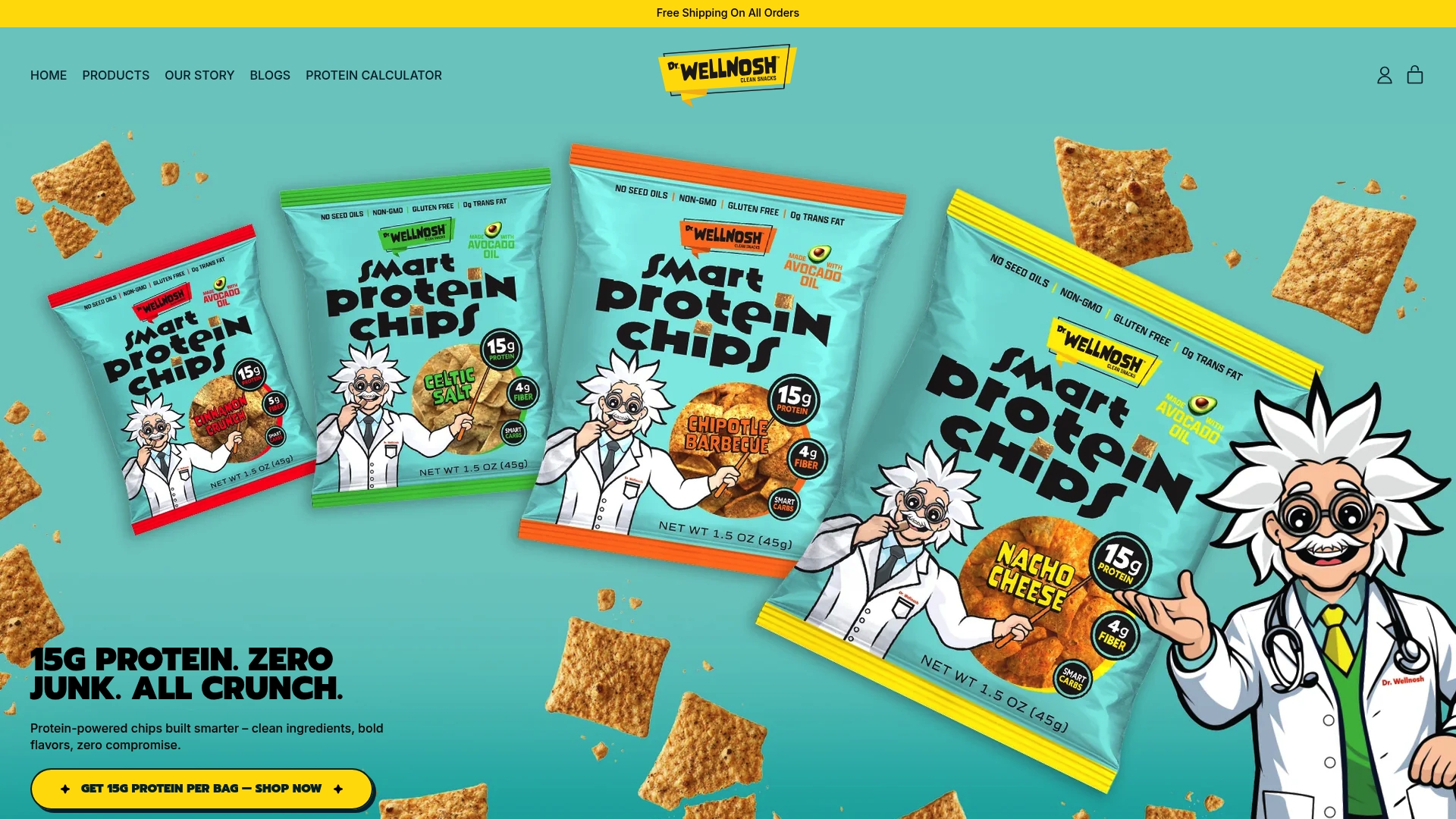
If you want a packaged pre-workout snack that clears the label checklist without any effort, Wellnosh Chipotle Barbecue protein chips are worth keeping on hand. Each bag delivers 15 g of fava bean protein, cooked in avocado oil, with no seed oils, no artificial additives, and no added sugar. The ingredient list is short and readable. Non-GMO and gluten free.
For moderate sessions, eat a bag on its own 30–45 minutes out. For heavier lifting, pair it with 1 oz of cheddar for extra fat and a more sustained energy curve. The chips travel without refrigeration, which makes them practical for gym bags, office drawers, and travel.
If the Chipotle Barbecue is sold out, check the Cinnamon flavor for availability, or browse the full lineup at Wellnosh. As always, flip the bag and verify the per-serving net carb count against your daily target before buying any packaged snack, including this one.
Sources
All macro figures in this article are estimates. Verify exact values for your specific products using USDA FoodData Central.
This article is general information, not a substitute for advice from a qualified doctor. Consult a qualified healthcare professional about your own circumstances before acting on anything here.


