

· By Dr. Wellnosh
Dietitian Backed Plant Protein Snacks After Workouts, Try Wellnosh
Aim for 15 to 30 grams of protein within about 45 minutes after training, paired with a modest amount of carbohydrate at roughly a 3:1 carb-to-protein ratio. Greek yogurt, cottage cheese, eggs, tuna, and protein shakes all hit that mark easily. Plant-based options work just as well: pea, soy, and fava bean protein sources can meet the same targets without any animal products.
TL;DR:
- Consuming 15 to 30 grams of protein within 45 minutes after exercise supports muscle repair, with a recommended carbohydrate ratio of about 3:1.
- Fast, portable options like protein shakes or Greek yogurt offer 15 to 30 grams of protein with minimal prep, while shelf-stable snacks include tuna and jerky.
- Combining protein with carbs, such as tuna with crackers or yogurt with fruit, helps replenish glycogen stores and promotes recovery.
- Plant-based protein sources like pea, soy, or fava bean powders, when paired properly, can meet recovery needs for vegans and vegetarians.
- The focus should be on habit and convenience; the most effective recovery snack is the one you will consistently eat, not necessarily the perfect macro ratio.
Table of Contents
- Post-Workout Protein Snacks Ranked by Speed and Portability
- How Much Protein and When: The Rule That Actually Matters
- Pairing Protein With Carbs and Fats the Right Way
- Plant-Based Snacks That Still Hit Your Protein Target
- Quick Recipes You Can Batch or Stash in a Gym Bag
- How to Read Labels When Shopping for Recovery Snacks
- A Plant-Forward Take on Recovery Snacking
- Common Mistakes People Make With Post-Workout Snacks
- Adjusting Snacks for Allergies and Dietary Restrictions
- Why the “Perfect Snack” Doesn’t Exist, and What to Focus on Instead
- Wellnosh Chips: A Savory Way to Hit Your Post-Workout Protein Target
- Sources
- FAQ
Post-Workout Protein Snacks Ranked by Speed and Portability
Some days you have ten minutes and a blender. Other days you’re eating out of your gym bag in the parking lot. Here’s how the best post-workout protein snacks stack up by protein content and how fast you can actually get them into your body.
Grab-and-go, ready in under a minute:
- Greek yogurt cup — about 15 to 20 grams of protein, plus probiotics. Good for almost anyone, but especially useful post-lift since the thick texture pairs well with granola.
- Single-serve cottage cheese — around 10 to 15 grams. Milder and creamier than yogurt, and a solid bedtime option since casein digests slowly overnight.
- Ready-to-drink protein shake — 20 to 30 grams depending on the brand. The fastest way to hit the top of the protein range with zero prep, which makes it the default choice after a heavy strength session.
Portable and shelf-stable:
- Tuna pouch or can — 15 to 25 grams, minimal packaging, no refrigeration needed until opened. A favorite for anyone commuting straight from the gym to work.
- Jerky — 8 to 15 grams per ounce. Great for endurance athletes who want something light and non-perishable for a long trail run or bike ride.
- Wellnosh chips — 15 grams of fava bean protein per bag, cooked in avocado oil instead of seed oils. This is the rare savory, crunchy option in a category dominated by shakes and yogurt, and it works for vegan and omnivore Snickers alike.
Small meals worth the extra five minutes:
- Egg plus toast — two eggs run about 12 to 14 grams of protein on their own; add whole-grain toast for the carb side of the ratio.
- Protein balls (oats, nut butter, protein powder) — typically 8 to 12 grams per ball, and you can batch a dozen on a Sunday.
- Peanut-butter banana smoothie with a scoop of protein powder — often 25 to 35 grams depending on the powder, and it doubles as breakfast.
A registered dietitian survey on post-workout snacking lists Greek yogurt, protein shakes, cottage cheese, eggs, and tuna as the five most commonly recommended options, which lines up closely with what shows up in most gym bags. The common thread isn’t the food itself. It’s that each one delivers usable protein without requiring a stove, a knife, or a plan.
How Much Protein and When: The Rule That Actually Matters
The number to remember is 15 to 30 grams of protein within roughly 45 minutes of finishing a workout. That window gives your muscles the amino acids they need while your body is primed to use them for repair rather than storage.
Pair that protein with carbohydrate at close to a 3:1 carb-to-protein ratio. So 20 grams of protein calls for around 60 grams of carbs. That ratio isn’t fixed in stone, though:
- Endurance sessions (long runs, cycling, swimming) burn through glycogen fast, so lean the ratio toward more carbs, closer to 4:1.
- Strength training relies less on glycogen depletion and more on muscle fiber repair, so sticking closer to 3:1 or even 2:1 works fine.
- Short or light sessions (a 20 minute walk, light mobility work) often don’t need a dedicated recovery snack at all.
Here’s the nuance most articles skip: research on the so called “anabolic window” has shifted. The window isn’t a strict 45 minute cliff where your gains evaporate if you miss it. It’s more forgiving than that, and total daily protein intake is the bigger driver of long-term muscle growth than the exact timing of any single snack. Eating consistently, snack after snack, day after day, matters more than nailing the clock every time.
Pairing Protein With Carbs and Fats the Right Way
A snack that hits your protein target but skips the carbs leaves glycogen stores depleted longer than necessary. The fix is simple portioning, not a spreadsheet.
- Greek yogurt (17g protein) + medium banana + 1/4 cup granola — lands close to the 3:1 target and takes thirty seconds to assemble.
- Tuna pouch (20g protein) + whole-grain crackers — portable, no cooler required, works at a desk or in a car.
- Wellnosh chips (15g protein) + apple — savory-sweet combo that covers the protein and carb side without needing utensils.
- Protein shake (25g protein) + handful of pretzels — fast for anyone heading straight from a strength session to a meeting.
Good travel carb sources include bananas, dried fruit, rice cakes, and pretzels. For fat, a small handful of almonds or a few slices of avocado adds satiety without weighing down digestion right after training.
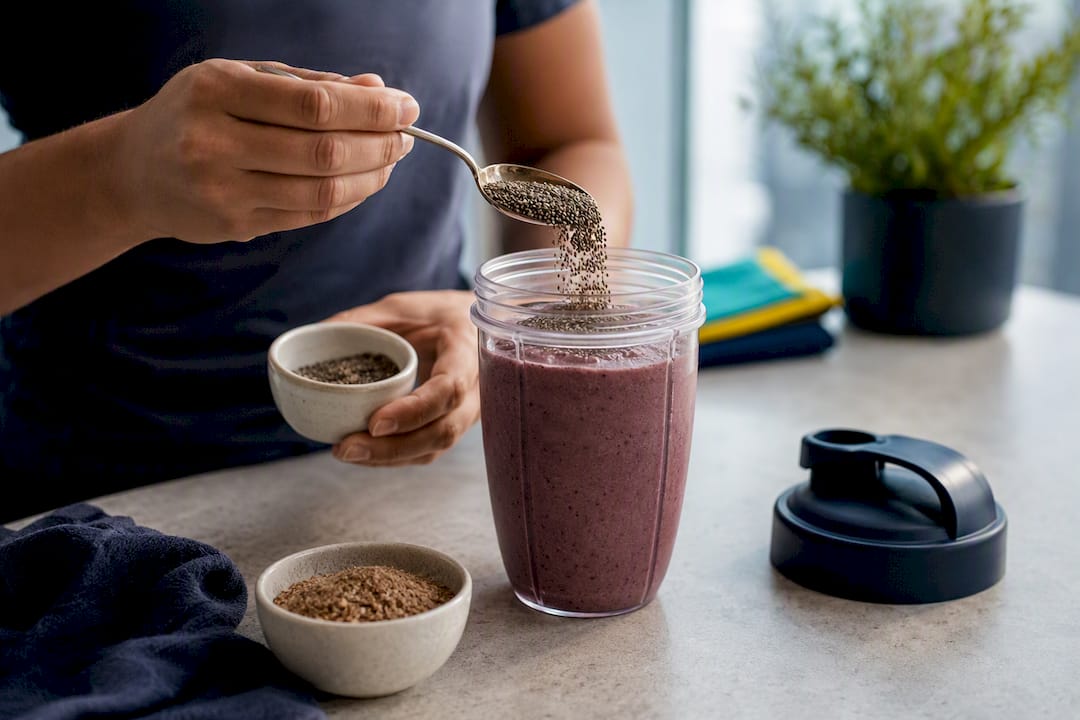
Pro Tip: Toss a tablespoon of chia or ground flax into your post-workout smoothie. It adds fiber, which slows digestion just enough to keep hunger away until your next real meal.
Plant-Based Snacks That Still Hit Your Protein Target
You don’t need whey to hit 20 grams of protein after a workout. A complete protein contains all nine essential amino acids, and plenty of plant sources qualify, including soy, quinoa, and fava beans.
Combos that work for vegan and vegetarian athletes:
- Wellnosh chips + plant-based yogurt — roughly 20 to 22 grams combined, with the chips supplying the fava bean protein and the yogurt adding a creamy carb source.
- Pea or soy protein shake — most powders in this category deliver 20 to 25 grams per scoop, comparable to whey.
- Hummus + pita + edamame — chickpeas and edamame together cover a broad amino acid range while pita brings the carb side.
If a single plant food doesn’t have the full amino acid lineup, combining two usually solves it. Rice and beans is the classic example, but chips made from fava bean protein paired with a grain-based side works the same way. A fava and pea protein snack format can concentrate 15 grams of protein into something that snacks more like a chip than a shake, which matters if you’re tired of drinking your recovery meal every single day.
Quick Recipes You Can Batch or Stash in a Gym Bag
None of these require real cooking skill. They just require five minutes on a day you actually have five minutes.
- Protein balls — mix oats, peanut butter, and a scoop of protein powder, roll into balls, refrigerate. Takes 10 minutes to make a batch of 12, each carrying 8 to 12 grams of protein, and they keep in the fridge for about a week.
- PB&J recovery smoothie — blend protein powder, milk (dairy or oat), a tablespoon of peanut butter, and a banana. Around 30 grams of protein in one glass, ready in 90 seconds.
- Cottage cheese parfait — layer cottage cheese, berries, and a sprinkle of granola in a mason jar the night before. Grab it on the way out the door.
- Tuna pouch + cracker pack — no assembly needed, just toss both into your bag. Keeps for months unrefrigerated until opened.
For gym-bag safety, skip anything that needs refrigeration past a couple hours unless you’re carrying an ice pack. Cottage cheese and yogurt are the two that spoil fastest in a hot car.
How to Read Labels When Shopping for Recovery Snacks
Before you toss a bar or shake into your cart, check three things: grams of protein per serving, grams of added sugar, and how recognizable the ingredient list is. A bar with 20 grams of protein but 18 grams of added sugar isn’t the win it looks like.
- Red flag: an ingredient list longer than ten items filled with things you can’t picture in your kitchen.
- Red flag: “protein blend” with no breakdown of the actual source.
- Green flag: a clear primary protein source, whether that’s whey, pea, or fava bean, listed near the top.
For your gym bag, the simplest checklist is protein, carb, water. If a snack covers the first two and you’ve got water covered separately, you’re set.
A Plant-Forward Take on Recovery Snacking
Most recovery advice treats protein timing like a countdown clock, and that framing does more harm than good. It makes people panic about missing a 45 minute window instead of building a snack habit they’ll actually repeat for months. Consistency beats precision here, every time.
When I advise people on post-workout snacking, the rule I give first isn’t about grams. It’s “pick something you’ll eat again tomorrow.” A perfectly optimized shake that sits in the cabinet unused does nothing. That’s part of why a crunchy, savory option matters: not everyone wants another shake or another tub of yogurt five days a week.
Protein chips deliver a plant-based protein boost and offer a savory, crunchy option for those seeking variety beyond sweet, thick snacks. For deeper combinations, our guide on vegan post-workout snacks walks through more pairings for plant-based athletes specifically.
— Dr. Wellnosh
Common Mistakes People Make With Post-Workout Snacks
The biggest mistake isn’t skipping protein. It’s obsessing over the exact minute you eat it while ignoring what you eat the rest of the day. Total daily protein intake drives muscle growth far more than whether your snack landed at minute 20 or minute 50 after your last set.
A second common myth: “more protein always means better recovery.” Past a certain point, extra protein in a single sitting doesn’t get used any faster. Your body can only put so much toward muscle repair at once, and the rest just gets used as regular calories. Spreading 20 to 30 grams across a snack now and a real meal in two hours beats cramming 60 grams into one shake.
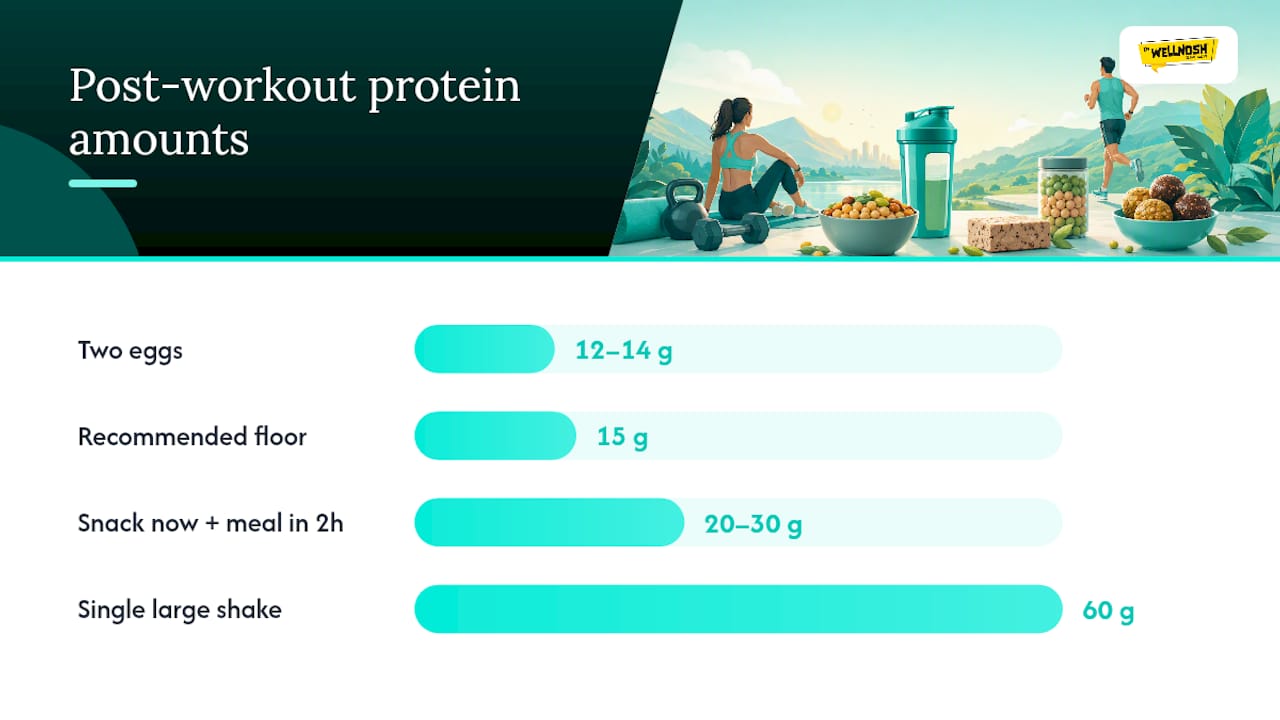
A third mistake is assuming two eggs alone cover you after a hard lifting session. Two eggs provide roughly 12 to 14 grams of protein, which is useful but sits below the 15 gram floor most guidance recommends. Add toast with peanut butter or a slice of cheese and you close the gap without much effort.
Finally, plenty of people skip the carb side entirely, thinking carbs will undo their workout. That backfires for anyone training hard more than a few times a week, since skipping glycogen replacement leaves you sluggish for the next session. Protein without any carb is an incomplete recovery snack, not a smarter one.
Adjusting Snacks for Allergies and Dietary Restrictions
Dairy sensitivity rules out Greek yogurt and cottage cheese, two of the most common recommendations on this list. Swap in a soy or pea protein shake, or lean on tuna and eggs if those aren’t restricted too.
Egg allergies are common enough that “egg plus toast” isn’t a universal fallback. A fava bean or pea protein snack sidesteps eggs, dairy, and soy at once, which makes it useful for anyone managing multiple restrictions rather than just one.
Tree nut or peanut allergies knock out most protein balls and nut-butter smoothies as written. Sunflower seed butter works as a direct substitute in almost every recipe that calls for peanut butter, gram for gram.
Gluten sensitivity mainly affects the carb side of the pairing, not the protein side. Swap whole-grain toast or crackers for rice cakes, gluten-free oats, or fruit, and the ratio still holds.
For strict vegans, whey and casein are both off the table, which removes traditional protein shakes, Greek yogurt, and cottage cheese in one swing. Pea, soy, and fava bean sources fill that gap and, when combined with a grain or legume side, still deliver a complete amino acid profile. The science on protein completeness backs this up: it’s about the combination across a day, not any single ingredient carrying the full load alone.
Why the “Perfect Snack” Doesn’t Exist, and What to Focus on Instead
Every list like this one, including the snacks above, implies there’s an ideal choice waiting to be found. There isn’t. The most useful framing on this comes down to habit: the best post-workout snack is the one you’ll actually eat again next week, not the one with the most impressive macro breakdown.
Conventional advice overindexes on precision, exact grams, exact minutes, exact ratios, when the real gap for most people is simpler: they don’t have anything ready when they’re hungry and tired after a workout. That’s a logistics problem, not a nutrition science problem.
Prioritize having two or three go-to options you genuinely enjoy, one that needs zero prep and one that takes five minutes. Rotate them so you don’t get bored. The carb-to-protein ratio matters, but it matters far less than whether the snack is sitting in your bag when you need it.
Wellnosh Chips: A Savory Way to Hit Your Post-Workout Protein Target
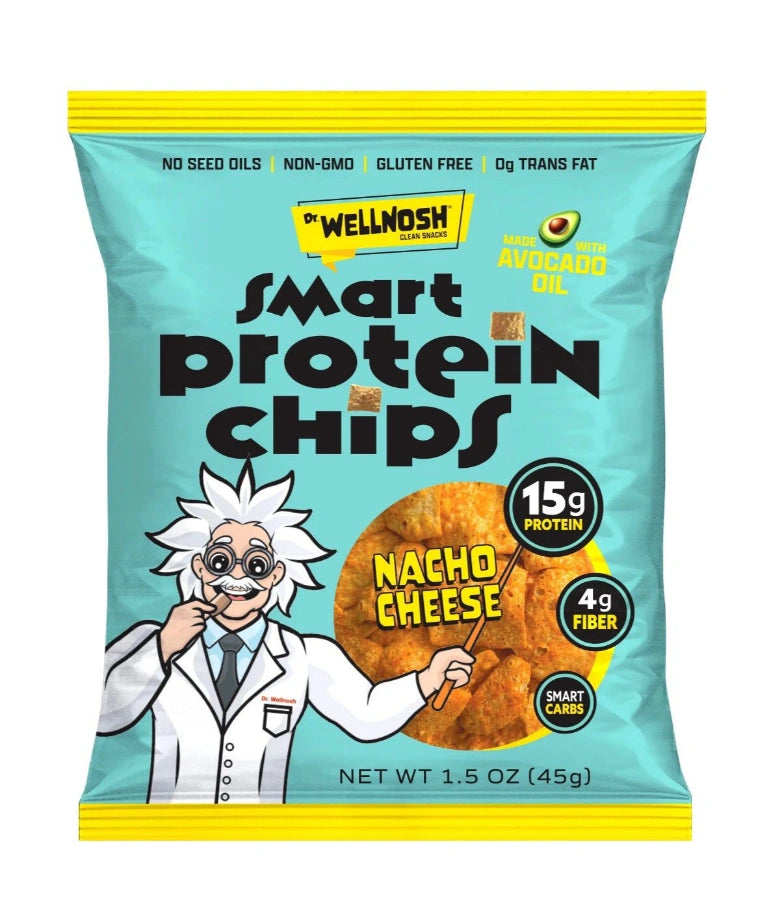
Not every recovery snack has to come out of a blender. Plant-based protein chips with plant protein per bag, cooked in avocado oil, with no seed oils, no artificial additives, and no added sugar.
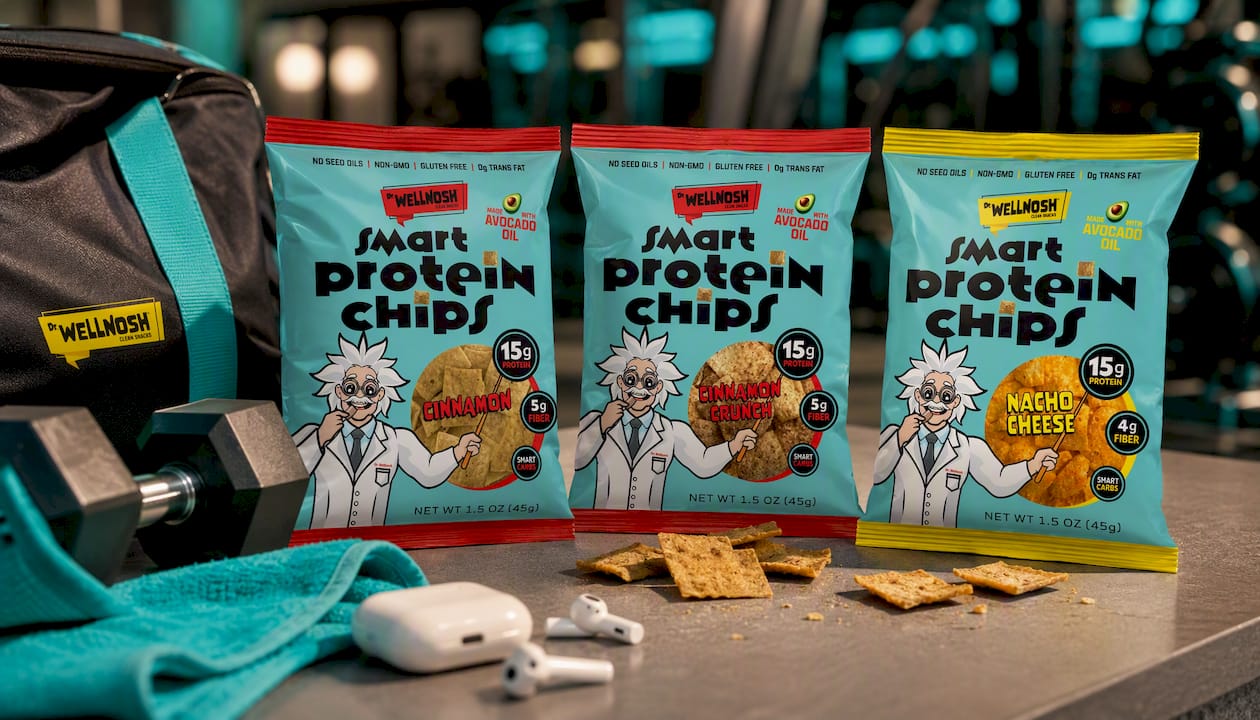
They are non-GMO, gluten free, and low carb, potentially fitting into keto, vegan, or clean-eating routines. Three easy ways to use them post-workout: pair a bag with a piece of fruit for a quick 3:1 style combo, crumble a handful over plant-based yogurt for texture, or toss a bag into a gym bag alongside jerky and nuts for a grab-and-go recovery pack.
Flavors currently available include Nacho Cheese and Cinnamon, with the Cinnamon variant sometimes running out of stock given demand, so check the Cinnamon product page for current availability before you plan a batch order. If you want more combinations built around these chips, the Wellnosh gym snack guide walks through several more pairings that hit 20 to 30 grams of protein fast. Order a bag or two and see how it fits into your own post-workout rotation.
Sources
Protein amount and timing guidance draws primarily from Brown University’s health office, Health.com’s dietitian roundup, and Cleveland Clinic.
- Piedmont Healthcare blog (protein completeness explanation)
- Dietitians share the 5 best high-protein post-workout snacks | Health
FAQ
What should I eat for protein after a workout?
Greek yogurt, cottage cheese, eggs, tuna, protein shakes, or a plant-based option like Wellnosh chips all work well, as long as the snack delivers 15 to 30 grams of protein.
What is the 45 minute protein rule?
It refers to eating 15 to 30 grams of protein within roughly 45 minutes of finishing exercise to support muscle repair while your body is primed to use those nutrients.
How do I get 30 grams of protein in one snack?
A protein shake with a scoop of powder typically delivers 25 to 35 grams on its own, and combining a Wellnosh chip bag (15g) with a plant-based yogurt or protein-fortified drink can close the rest of the gap.
Are two eggs enough protein after a workout?
Two eggs provide about 12 to 14 grams of protein, which falls just under the recommended 15 gram minimum, so pairing them with toast, cheese, or a second protein source closes that gap.


