

· By Dr. Wellnosh
What to Eat After a Workout: Vegan Post Workout Snacks
Aim for 20 to 30 grams of protein (about 0.25 to 0.4 grams per kilogram of bodyweight) within roughly 60 minutes of finishing your session, paired with some carbs to refill glycogen. Three picks that hit that mark without any thinking involved: a soy milk and protein powder shake, a bag of Wellnosh chips with a piece of fruit, or edamame with a slice of toast.
- Fastest: blend 1 cup soy milk, 1 scoop plant protein powder, and a banana. Around 25 to 30 g protein in under five minutes.
- Grab-and-go: a Wellnosh bag (15 g fava bean protein) plus an apple or orange for the carb side.
- Whole-food combo: 1 cup edamame with two slices of whole-grain toast, which provides a solid amount of protein once you count both foods.
Quick fact: research on post-exercise feeding consistently points to the 20 to 30 g protein window as the sweet spot for triggering muscle repair, not more, not less.
Key Takeaways
The core recovery strategy is simple: hit 20 to 30 grams of protein within about an hour of training, pair it with carbs after long sessions, and keep at least one grab-and-go option always stocked.
| Point | Details |
|---|---|
| Protein target | Aim for 20 to 30 g, or about 0.25 to 0.4 g per kilogram of bodyweight, per recovery snack. |
| Timing flexibility | The 60 minute window helps, but total daily protein intake matters more than exact timing. |
| Carb pairing | Add 20 to 40 g carbs after endurance sessions to speed glycogen resynthesis. |
| Fat matters too | A moderate amount of healthy fat slows digestion and delivers fat-soluble vitamins. |
| Ready-made option | A bag of Wellnosh fava bean protein chips delivers 15 g protein per serving with no prep required. |
Table of Contents
- Vegan Post Workout Snacks Ranked by Convenience and Protein
- How Much Protein and When It Actually Matters
- Make-Ahead Recipes for Busy Weeks
- Where Wellnosh Fits Your Recovery Routine
- Grab-and-Go and Homemade High-Protein Snack Ideas
- Why Healthy Fats Belong in Your Recovery Snack
- Hydration and What to Drink After Training
- Endurance vs. Strength: Does Timing Change?
- Allergen-Friendly Snack Options
- What Actually Matters in Vegan Recovery Nutrition
- Keep a High-Protein Snack Ready Before You Need It
- Sources
Vegan Post Workout Snacks Ranked by Convenience and Protein
Not every recovery snack needs a blender or a grocery run. Some days you want something you can rip open in the car; other days you have ten minutes and a fridge full of ingredients. Here’s how the best vegan gym snacks break down by how much effort they take and how much protein they actually deliver.
Group A: Ready-to-eat, zero prep
- Packaged protein bars. Most vegan bars land between 10 and 20 g protein per serving, though sugar content varies wildly, so check the label before assuming “protein bar” means “healthy.”
- Plant-based protein chips. Wellnosh’s fava bean protein chips deliver 15 g of protein per bag, cooked in avocado oil instead of seed oils, with no added sugar and a gluten-free, low-carb profile. They travel better than most bars because they don’t melt, crumble into paste, or need refrigeration.
- Pre-pressed tofu bites. Firm tofu, cubed and lightly seasoned, holds up fine in a lunch box for a few hours and gives you a decent amount of protein per half-cup serving.
Group B: Quick combos, five minutes or less
- Apple or banana with 2 tablespoons of peanut or almond butter. Around 7 to 8 g protein, plus the fat slows digestion just enough to keep you satisfied until your next meal.
- Edamame, steamed or thawed from frozen. A cup delivers close to 17 g of protein according to USDA FoodData Central, making it one of the highest-protein whole foods you can eat straight from the bag.
- Hummus with whole-grain crackers or carrot sticks. A half-cup of hummus adds about 8 g protein; pair with crackers for the carb side of recovery.
- Roasted chickpeas. A half-cup gives roughly 6 to 7 g protein based on USDA FDC values for chickpeas, and the crunch factor makes them a decent stand-in for chips if you’re out of your usual bag.
Group C: Shakes and smoothies
- Base + powder + fat template. Start with a cup of soy milk, which contributes 7 to 8 g protein on its own, add one scoop of plant protein powder (roughly 20 g), and finish with a tablespoon of chia or hemp seeds for another 3 g plus omega fats. That combination alone clears 25 g without trying hard.
- Frozen fruit smoothie with tofu. Silken tofu blends invisibly into a smoothie and adds a moderate protein amount per half-cup without changing the flavor much.
Liquid snacks digest faster, which matters if you’re nauseated after a hard interval session and can’t face solid food yet. Chewable snacks like the chips or edamame work better when you have an hour before you need the nutrients absorbed, since digestion just takes longer. Neither is more “effective” for muscle repair. It’s a comfort and timing call, not a performance one.
How Much Protein and When It Actually Matters
The number to remember is 20 to 30 grams, or 0.25 to 0.4 grams per kilogram of bodyweight, eaten after a training session. That range shows up again and again in the research on maximizing muscle protein synthesis, and it holds for most training styles, not just heavy lifting days.
The 60-minute window is real, but it’s not a cliff edge. Studies on protein ingestion after resistance training show a measurable bump in muscle protein synthesis when protein arrives soon after exercise compared to a carb-only recovery drink. That said, total daily protein intake matters more than nailing the timing to the minute. If you ate a protein-rich meal two hours before training, your body isn’t starving the second you rack the weights.
Pair that protein with 20 to 40 grams of carbohydrate if your session was long or endurance-focused. Combining carbs with protein speeds glycogen resynthesis after depleting runs or rides.
- Fast carb options: banana, dates, white rice, toast, or a splash of juice in a smoothie.
- Skip the “protein only” mindset after a two-hour run. Your muscles need refueling, not just repair.
Make-Ahead Recipes for Busy Weeks
You don’t need to cook every day to have plant-based recovery snacks ready. A batch on Sunday covers you through Friday.
- Protein balls. Mix 1 cup oats, 1 scoop protein powder, 2 tablespoons nut butter, and a splash of maple syrup as the binder. Roll into balls; each one runs about 5 to 6 g protein. Keeps in the fridge for a week.
- Freezer protein bars. Press a thicker version of the same mixture into a pan, cut into bars, and freeze on wax paper. They thaw in your gym bag by the time you finish your workout, and they’ll hold in the freezer for up to three months.
- White bean or edamame dip with veggie sticks. Blend a can of white beans with lemon, garlic, and olive oil. A quarter-cup serving with carrots or celery gets you close to 6 g protein and travels in any container with a lid.
- Smoothie packs. Portion frozen fruit, spinach, and seeds into freezer bags ahead of time. Blend with soy milk and protein powder when you’re ready; swap oat milk in if you want a nuttier flavor, though it runs lower in protein than soy.
Pro Tip: Freeze smoothie packs flat in quart bags. They thaw faster and stack better than round containers, which matters when your freezer is already full of protein bars.
Where Wellnosh Fits Your Recovery Routine
If you’re the type who forgets to meal prep on a Sunday, a bag of Wellnosh fava bean protein chips solves the “I have nothing ready” problem. Each bag carries 15 g of protein, is cooked in avocado oil rather than seed oils, and comes non-GMO, gluten-free, low-carb, and without added sugar.
- One bag plus a cup of soy milk provides a practical amount of protein suitable for recovery.
- One bag plus a small banana smoothie covers both the protein and carb side of the equation in about two minutes of prep.
- Stack a scoop of protein powder into a quick shake alongside your chips if you trained heavy and want to push past 30 g.
Flavor options include Nacho Cheese, Celtic Salt, Chipotle Barbecue, and Cinnamon, plus a Variety Pack if you want to test all four before committing to a favorite. For more pairing ideas built around real food, the plant protein snack guide for athletes covers several combinations worth trying.
| Point | Details |
|---|---|
| Wellnosh chips | 15 g protein per bag, cooked in avocado oil, no added sugar, gluten-free. |
| Best pairing | One bag with soy milk or a small smoothie clears 20 g total protein. |
Grab-and-Go and Homemade High-Protein Snack Ideas
The best post workout meal ideas usually split into two categories: things you buy once and grab for weeks, and things you make in batches. Grab-and-go options include the Wellnosh bag, pre-cooked edamame pods, roasted chickpea packs, and single-serve nut butter packets you can throw in a gym bag without a second thought.
Homemade options take more effort upfront but cost less per serving over time. A batch of protein balls or freezer bars covers a week for less than a box of bars from the store. If you’re rotating between both, keep one ready-made option in your bag at all times (a protein chip bag doesn’t spoil, unlike a banana) and reserve homemade snacks for days you actually planned ahead.
The dairy-free protein snack roundup covers more grab-and-go picks if you want variety beyond what’s listed here. Rotating between three or four go-to snacks keeps recovery nutrition from feeling like a chore, which is honestly the biggest reason people fall off consistent post-workout eating within a few weeks of starting a new program.
Why Healthy Fats Belong in Your Recovery Snack
Protein gets all the attention after a workout, but fat plays a quieter, still necessary role. A moderate amount of healthy fat, think a tablespoon of nut butter, a handful of seeds, or the avocado oil in a bag of protein chips, slows digestion just enough to keep you satisfied for longer instead of hungry again in 45 minutes.
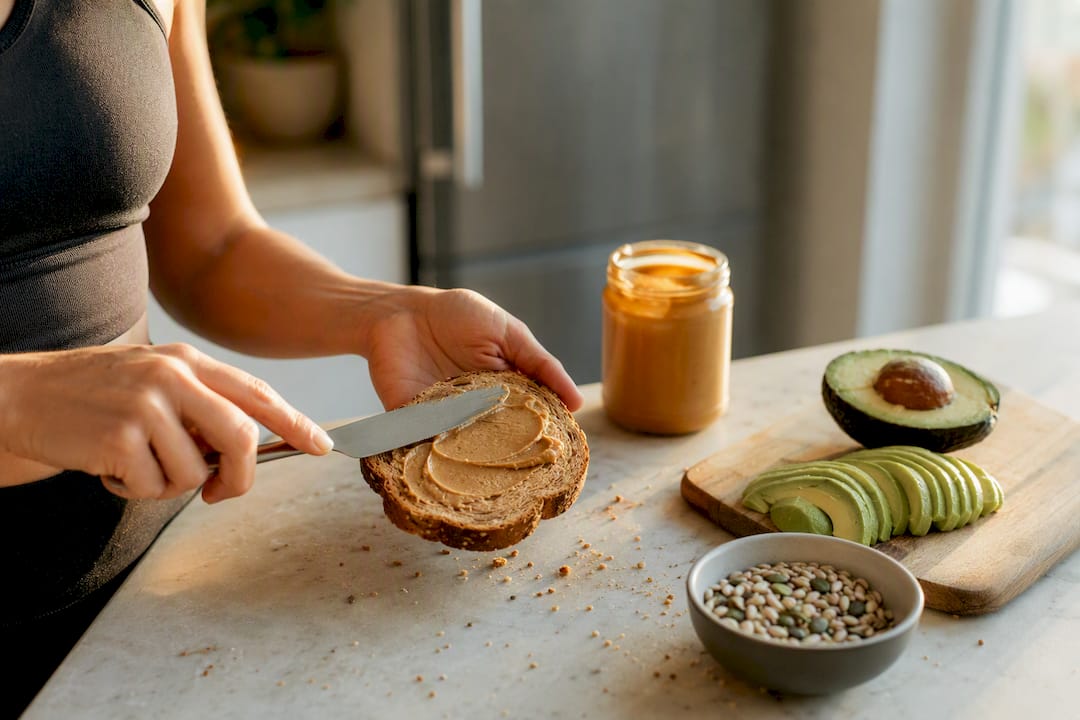
Fat also carries fat-soluble vitamins (A, D, E, K) that your body needs for tissue repair and immune function, both of which get taxed during hard training. Skipping fat entirely in favor of a lean protein shake might feel “cleaner,” but it usually means you’re back in the kitchen an hour later hunting for more food.
The goal isn’t piling on fat. Two tablespoons of nut butter, a quarter of an avocado, or a serving of chips cooked in avocado oil (rather than a seed oil that’s been linked to inflammation concerns in some research) gives you enough to round out a snack without weighing down your stomach before your next meal.
Hydration and What to Drink After Training
Water is the baseline, but if you sweated through a long run or a hot studio class, plain water alone won’t replace the sodium and electrolytes you lost. A pinch of Celtic salt in a glass of water, a store-bought electrolyte packet, or even the sodium already present in savory snacks like protein chips can help you rehydrate more completely than water alone.
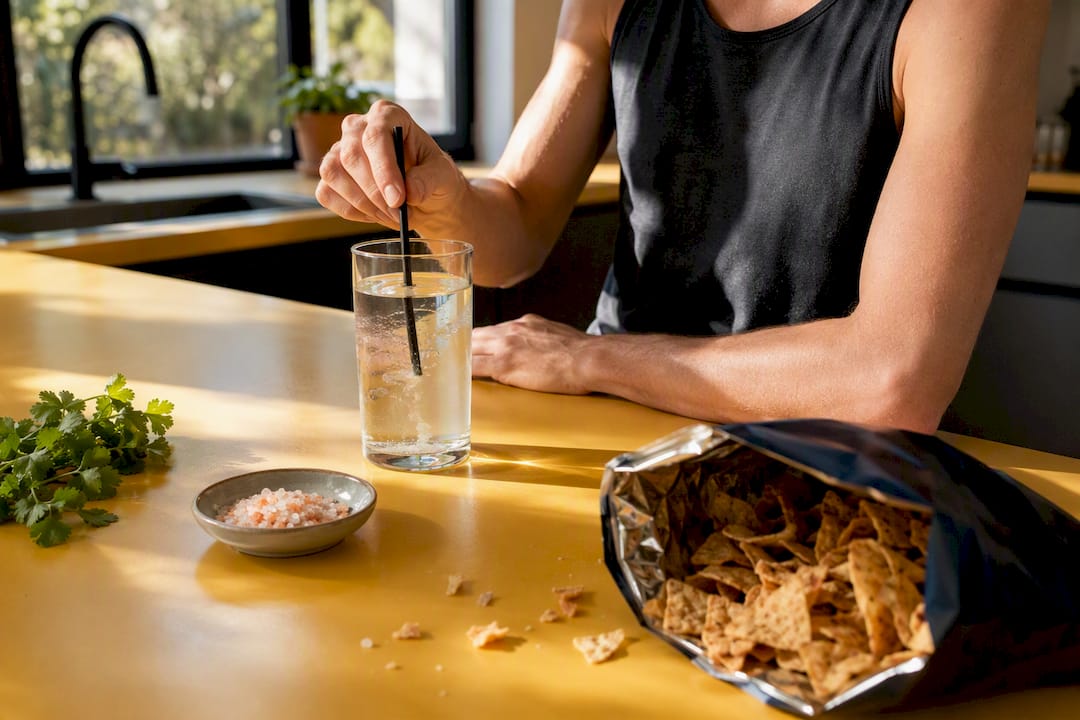
Soy milk deserves a mention here too. It’s not just a protein source, it’s also a fluid, so a smoothie built on soy milk does double duty: recovery protein and rehydration in one glass. Coconut water works as a lighter option if you trained under an hour and didn’t sweat heavily.
Skip the assumption that you need a sports drink after every session. Most gym workouts under 60 minutes don’t deplete electrolytes enough to require anything beyond water and a normal snack. Save the electrolyte drinks for long runs, hot yoga, or anything over 90 minutes of continuous sweating.
Endurance vs. Strength: Does Timing Change?
Strength training and endurance work don’t demand identical recovery snacks. After a heavy lifting session, your main job is muscle repair, so the 20 to 30 g protein target matters most, and carbs are a nice-to-have rather than urgent.
After a long run, ride, or swim, glycogen depletion becomes the bigger issue. Pairing 20 to 40 g of carbohydrate with your protein speeds glycogen resynthesis meaningfully compared to protein alone, which is why a banana-heavy smoothie or toast with hummus makes more sense post-run than a protein-chip-only snack.
Shorter, high-intensity interval sessions sit somewhere in between. You’re breaking down muscle tissue and burning through some glycogen, so a balanced snack, protein plus a moderate carb, covers both bases without overthinking it. The practical rule: the longer and more aerobic the session, the more carbs deserve a seat at the table.
Allergen-Friendly Snack Options
Nut allergies, soy sensitivities, and gluten intolerance all complicate vegan snacking, since so many go-to plant protein sources overlap with common allergens. Fortunately, the workarounds aren’t complicated once you know where to look.
- Nut-free: Wellnosh chips use fava beans, not tree nuts, and pumpkin seed butter swaps in cleanly for peanut or almond butter.
- Soy-free: oat milk or pea milk replaces soy milk in smoothies, though check the protein count since most alternatives run lower than soy.
- Gluten-free: edamame, roasted chickpeas, tofu, and Wellnosh chips are naturally gluten-free without substitution.
If you’re cooking for a group with mixed allergies, a Variety Pack of chips sidesteps the guessing game since every flavor shares the same base ingredients and allergen profile.
What Actually Matters in Vegan Recovery Nutrition
Most advice on vegan gym snacks gets stuck on protein quantity and forgets protein consistency. A single 30-gram post-workout shake means far less if the rest of your day runs low on protein. The research backs total daily intake as the bigger lever, timing is a secondary optimization, not the whole game.
The bigger gap I see is portability. Nutrition guides love to recommend “a smoothie with hemp seeds and silken tofu” without acknowledging that half the readership is changing in a gym locker room with no blender in sight. That’s the gap a shelf-stable, high-protein snack fills, and it’s exactly why a product like Wellnosh chips earns a place on this list. Fifteen grams of clean protein you can eat one-handed in a parking lot solves a real problem that recipe blogs tend to ignore.
Prioritize having something ready before you need it. The best recovery plan is the one you’ll actually follow on a Tuesday when you’re exhausted, not the elaborate one you only manage on a rested Sunday.
— Dr. Wellnosh
Keep a High-Protein Snack Ready Before You Need It
Most recovery advice assumes you have ten minutes and a blender after every workout. Wellnosh exists for the days you don’t. A bag of fava bean protein chips gives you 15 grams of clean protein with zero prep, cooked in avocado oil instead of seed oils, and built without added sugar or artificial fillers.
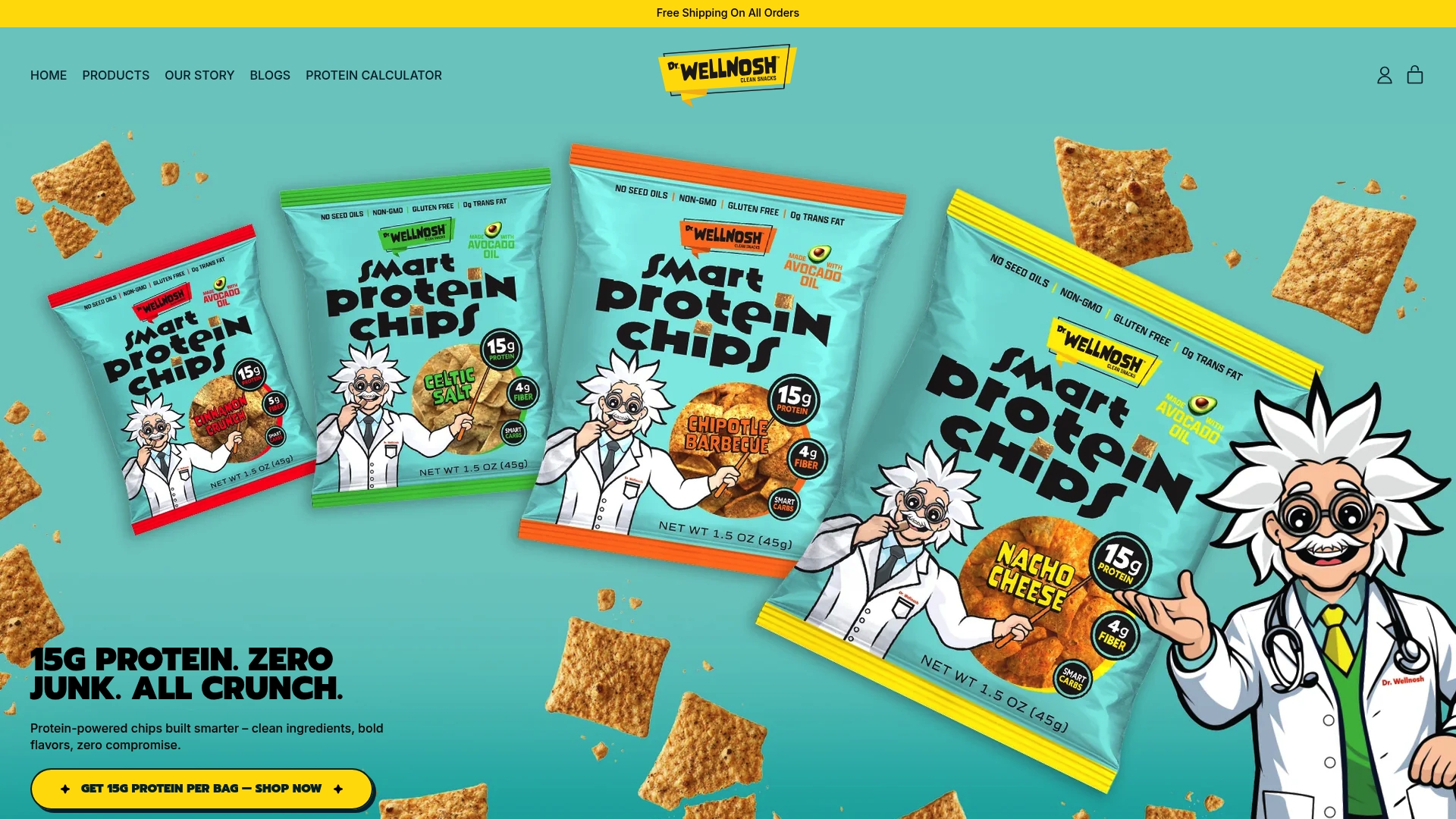
Whether you’re grabbing Nacho Cheese on your way out the door or keeping a Variety Pack in your gym bag for whichever flavor sounds good that day, the goal is the same one this article has been making the whole way through: recovery nutrition works best when it’s already within reach. Order a bag or set up a recurring subscription through Subscribe & Save, and you’ll never be stuck with an empty pantry after leg day again.
Sources
“Complete protein” means a food carries all nine essential amino acids in meaningful amounts, something animal products do by default and plants often need combining to achieve. A few plant foods pull it off on their own.
Soy, in its many forms (tofu, edamame, soy milk, tempeh), is the most reliable standalone complete protein in a vegan diet and shows up throughout this list for that reason. Quinoa is a complete protein too, though its protein density per serving is lower than soy. Fava beans, the base ingredient in Wellnosh chips, along with other legumes, come close to complete on their own and become fully complete when paired with a grain like rice or oats over the course of a day. Research on plant proteins and muscle outcomes confirms that adequate total protein intake, combined with attention to leucine content, supports the same strength and muscle gains as animal protein, provided you’re eating enough of it across the day, not necessarily in one perfect complete-protein snack.
- Protein requirements and muscle protein synthesis guidance (PMC11171741)
- USDA FDC entry used for per-food protein estimates (e.g., chickpeas)


