

· By Dr. Wellnosh
20–30g Late Night Protein Snacks Dietitians Approve
Yes, protein snacks at night are fine, and for most people they help more than hurt. Dietitians point to slow-digesting proteins like cottage cheese, Greek yogurt, eggs, and lean deli turkey, plus plant-based combos, as the best late night protein choices for supporting overnight recovery. Keep the portion moderate in calories, skip anything greasy or heavily spiced, and give your body some time before you lie down.
TL;DR:
- Consuming slow-digesting proteins like cottage cheese or Greek yogurt before bed supports muscle recovery and overnight fullness.
- Keep late-night snacks within 150 to 250 calories and 15 to 25 grams of protein to avoid interfering with sleep and digestion.
- Avoid high-fat, greasy, or spicy foods late at night to reduce reflux risk and sleep disruption, especially if consumed within 30 to 45 minutes of lying down.
- Pairing protein sources with fiber or healthy fats, such as nuts or seeds, helps slow digestion and stabilize blood sugar during sleep.
- Portable options like protein chips or pre-portioned nuts work well for decision-making and provide high protein counts with minimal prep.
Table of Contents
- The Best High-Protein Snacks for Nighttime Cravings
- How to Pick the Right Late-Night Protein Snack
- What the Research Says About Protein Before Bed
- Snack Combos That Hit 20 to 30 Grams of Protein
- From Dr. Wellnosh: Why Clean-Label Protein Belongs in Your Nightly Routine
- Shop Wellnosh Protein Chips for a No-Prep Late-Night Fix
- Sources
- FAQ
The Best High-Protein Snacks for Nighttime Cravings
Not all protein hits the same at 10 p.m. as it does at noon. The best late night protein snacks lean on slow-digesting sources, skip the sugar bombs, and come in portions you can actually finish without feeling stuffed. Here’s a rundown of twelve options worth keeping stocked, each with a rough protein count and a note on why it works after dark.
- Cottage cheese (1 cup): About 24 to 28 grams of protein, mostly casein, which digests slowly overnight. No prep needed straight from the container.
- Greek yogurt (1 cup, plain): Around 20 grams of protein and a good tryptophan source. Portable if you grab a single-serve cup.
- Two hard-boiled eggs: Roughly 12 grams of protein, zero cooking required if you batch-boil them on Sunday.
- Turkey roll-ups (3 to 4 slices around a string cheese): About 15 to 18 grams combined, no utensils, no dishes.
- Edamame (1 cup, shelled): Close to 17 grams of plant protein plus fiber, ready in three minutes from frozen.
- Hummus (half cup) with sliced vegetables: Around 10 grams of protein with fiber that slows digestion and steadies blood sugar overnight, according to research on protein, satiety, and blood sugar regulation.
- Roasted chickpeas (half cup): About 7 grams of protein, shelf-stable, and a good crunchy substitute for chips.
- Low-sugar jerky (1 ounce): Roughly 9 to 11 grams, no cooking, no refrigeration, ideal for a nightstand stash.
- Casein or plant-based protein shake (1 scoop in water or milk): Typically 20 to 25 grams, mixed in under a minute.
- Portioned nuts or seeds (quarter cup): About 6 to 8 grams of protein along with healthy fat that can blunt a sugar crash.
- Oatmeal made with casein powder stirred in: Roughly 15 to 20 grams total, warm and filling without being heavy.
- Banana with a tablespoon of nut butter: Around 5 to 7 grams, plus natural sugars that won’t spike as hard as candy.
For a portable plant-based option, Wellnosh’s protein chips deliver 15 grams of fava bean protein straight from the bag, no prep or dishes involved. Portion sizes above come from standard USDA food composition data, though brands vary, so check labels when you can.
How to Pick the Right Late-Night Protein Snack
The right choice depends on your goal, not just what’s in the fridge. A few rules keep you from picking something that backfires.
- Favor casein and whole-food proteins when the goal is muscle recovery or steady overnight fullness. Cottage cheese, Greek yogurt, and eggs digest slower than whey, keeping amino acids available longer.
- Cap the snack at 150 to 250 calories with 15 to 25 grams of protein. Bigger meals close to bedtime tend to sit heavy and interfere with sleep quality, per research on meal timing and sleep.
- Watch sodium and acidity. Salty jerky, spicy hummus, or citrus-heavy dips can aggravate reflux if you’re prone to it. Plain, low-acid options are the safer default after 9 p.m.
- Stop eating roughly 30 to 45 minutes before lying down, with one exception: if you trained hard in the evening, a slightly larger protein snack right after your workout supports recovery without the same reflux risk, since you’re still upright and moving.
Pro Tip: Keep one no-cook, low-sodium option within reach at all times, whether that’s a single-serve yogurt cup or a bag of protein chips. Decision fatigue at midnight is real, and the easiest snack in reach is the one you’ll actually eat instead of raiding the cookie jar.
What the Research Says About Protein Before Bed
A peer-reviewed study on bedtime protein intake found that consuming protein before sleep can support overnight muscle protein synthesis compared to eating no protein at all. That’s the mechanism behind the common advice to reach for cottage cheese or a casein shake instead of skipping the snack entirely.
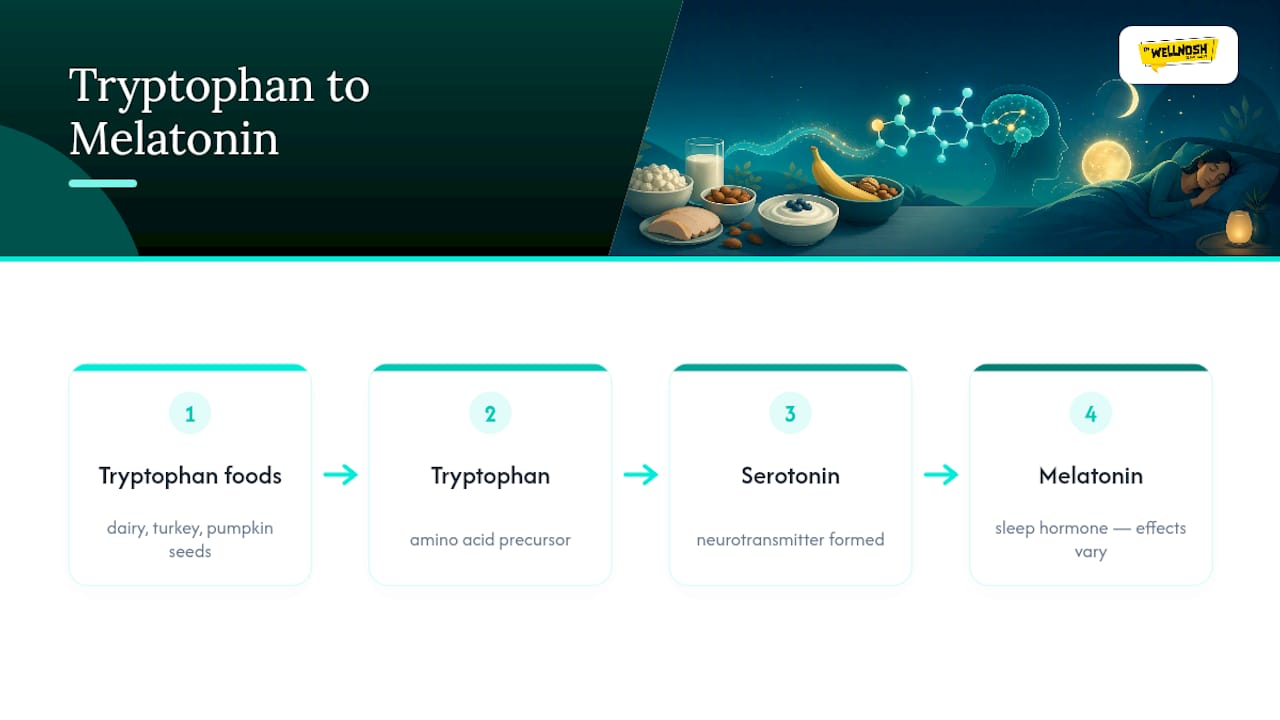
The tryptophan connection matters too. Tryptophan is an amino acid your body converts into serotonin and, eventually, melatonin. Foods like dairy, turkey, and pumpkin seeds carry meaningful amounts of it, and review literature on nutrition and sleep links these nutrients to sleep-related pathways, though the effect size varies by person and food source.
The caveat: bigger or greasier isn’t better. Large, high-fat meals close to bedtime can worsen reflux and fragment sleep, according to the same body of clinical literature. A tablespoon of nut butter is fine; a loaded nacho plate at midnight is not. The practical takeaway is simple. Keep the snack small, keep it protein-forward, and avoid large meals close to bedtime, which could worsen reflux and sleep quality.
Snack Combos That Hit 20 to 30 Grams of Protein
Hitting a real protein target doesn’t require a kitchen scale. These combos get you into the 20 to 30 gram range using ingredients most people already have.
- Cottage cheese bowl: 1 cup cottage cheese, 2 tablespoons nut butter, and a handful of berries lands around 25 grams.
- Greek yogurt parfait: 1 cup plain Greek yogurt plus 2 tablespoons chia seeds and a drizzle of honey comes to roughly 24 grams.
- Casein shake: 1 scoop casein powder blended with milk instead of water pushes the total closer to 28 to 30 grams.
- Plant-based shake: 1 scoop pea or fava protein powder with unsweetened almond milk and half a banana runs about 22 grams.
- Savory plate: 2 hard-boiled eggs, a quarter cup of edamame, and a small handful of nuts adds up to around 22 grams.
- Travel or dorm cheat: A single-serve pouch of tuna or a stick of jerky paired with a bag of Wellnosh protein chips gets you to 20-plus grams with zero prep and nothing to refrigerate.
Pairing protein with a little fat or fiber, as in the nut butter and chia examples, also slows digestion and helps prevent the blood sugar dip that wakes some people up around 3 a.m.
From Dr. Wellnosh: Why Clean-Label Protein Belongs in Your Nightly Routine
Late-night hunger isn’t a failure of willpower. It’s biology asking for fuel, and the ingredient list matters as much as the protein count. A crunchy, plant-based chip cooked in avocado oil pairs naturally with Greek yogurt or a handful of edamame. Balance the crunch with something slow-digesting, and moderation still wins.
— Dr. Wellnosh
Shop Wellnosh Protein Chips for a No-Prep Late-Night Fix
These protein chips provide a plant-based protein snack alternative to greasy chips or sugary cereal at midnight, offering protein cooked in avocado oil instead of seed oils, with no added sugar and no artificial ingredients.
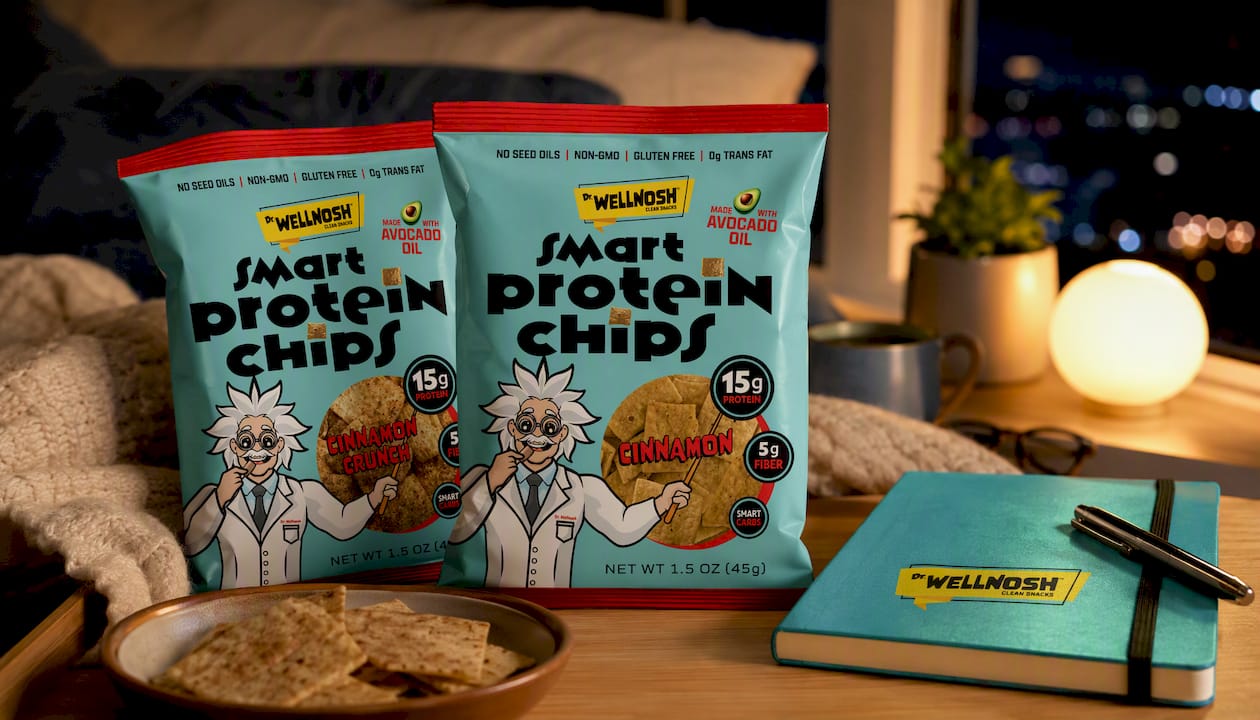
Two easy pairings: crush a handful of Cinnamon Protein Chips over a bowl of Greek yogurt for a sweet-savory combo, or pair the Celtic Salt flavor with hummus for a savory plate that hits your protein target without turning on the stove. As noted on the FDA’s nutrition label guidance, protein claims on packaging reflect grams per labeled serving, so check the bag for exact counts. Browse the full protein chips collection or check the Cinnamon flavor page for current availability, and add a bag to your next order.
Sources
Claims in this article draw on PubMed research on bedtime protein synthesis, USDA food composition data, and dietitian-reviewed snack guidance.
FAQ
Is It Good to Eat Protein Late at Night?
Yes, small protein-focused snacks in the 150 to 250 calorie range can support overnight muscle recovery without disrupting sleep, especially slow-digesting options like cottage cheese or Greek yogurt.
What Should I Eat at Night for Protein?
Cottage cheese, Greek yogurt, hard-boiled eggs, turkey roll-ups, edamame, and portable plant-based options like Wellnosh protein chips all deliver meaningful protein without a heavy, greasy feeling.
What to Eat at 3 A.M. When Hungry?
Reach for something small and low-sodium, like a spoonful of Greek yogurt or a handful of nuts, rather than a full meal, since large late-night meals are linked to worse reflux and sleep quality.
How Do I Get 30 Grams of Protein in One Snack?
Blend a scoop of casein powder into milk instead of water, or combine 1 cup of cottage cheese with 2 tablespoons of nut butter and berries to land close to 25 to 30 grams total.


