

· By Dr. Wellnosh
30g Pantry Protein Snacks: A 3x3 Rotation With Jerky, Tuna, Nuts
Jerky, canned fish, roasted chickpeas, nuts, seeds, protein bars, protein crisps, and nut butter packets top the list of pantry protein snacks that actually deliver. The real trick isn’t just protein content, it’s pairing that protein with fiber from fruit, vegetables, or whole grains to keep you full longer, as explained in this guide to good protein snacks that actually keep you full. Do that right and hitting 30 grams of protein in a single snack becomes simple math, not guesswork.
TL;DR:
- Jerky, canned fish, roasted legumes, nuts, and protein bars are reliable pantry options with long shelf lives and solid protein content.
- Pairing protein with fiber from fruit or grains significantly enhances fullness and prolongs satiety.
- To reach 30 grams of protein per snack, combining canned fish or meat sticks with nuts or whole grains is most effective.
- Proper storage, portioning, and label checks are essential to maintain freshness, safety, and allergen awareness.
- Incorporating plant-based options like fava bean chips reduces environmental impact while providing high protein levels.
Table of Contents
- Pantry-Ready High-Protein Snacks Worth Stocking
- How to Build a Pantry Rotation That Pairs Protein With Fiber
- How to Hit 30 Grams of Protein in a Snack
- Shelf Life, Label Cues, and Safe Storage
- Why Wellnosh Chips Belong in a Protein-Forward Pantry
- Allergen Information for Pantry Protein Snacks
- Making Pantry Protein Snacks Taste Better Without Cutting Shelf Life
- The Environmental Side of Pantry Protein Choices
- A Practical Perspective From Dr. Wellnosh
- Where to Start Stocking Your Pantry With Wellnosh
- Sources
Pantry-Ready High-Protein Snacks Worth Stocking
Not every shelf-stable snack earns pantry space. The ones below combine real protein numbers with practical storage windows, so you’re not just buying food, you’re buying time before your next real meal.
Jerky and meat sticks
- Beef jerky — contains a moderate to high amount of protein per ounce, unopened bags have a long shelf life. Pair with a small apple for fiber.
- Turkey jerky — offers a source of protein with generally lower fat than beef. Pair with dried apricots.
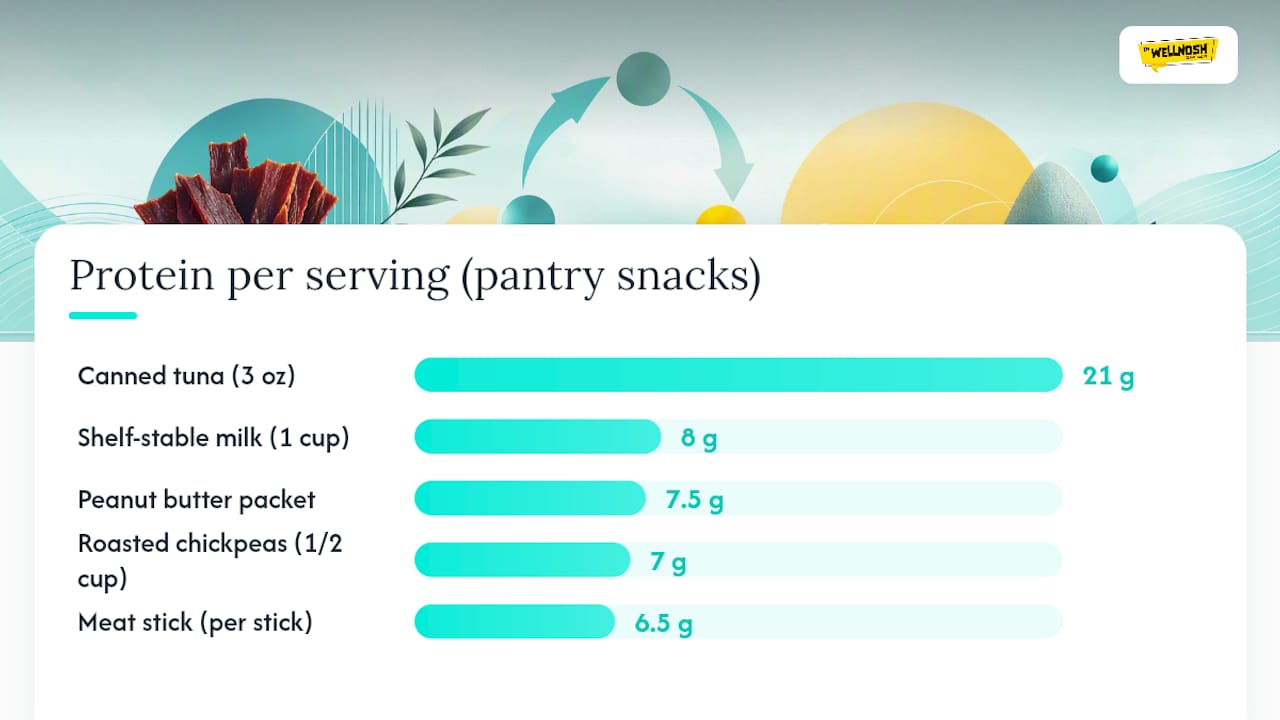
- Meat sticks (beef or venison) — 6 to 7 g protein per stick, individually wrapped for grab-and-go. Pair with a handful of grapes.
Canned and pouched fish 4. Canned tuna (3 oz) — about 21 g protein, shelf-stable for 2 to 5 years unopened. Pair with whole-grain crackers. 5. Pouched salmon — contains a good amount of protein per pouch and requires no can opener. Pair with a piece of fruit. 6. Sardines in olive oil — deliver a significant protein amount per can along with omega-3 fatty acids. Pair with rye crisps.
Roasted legumes and seeds 7. Roasted chickpeas — about 7 g protein and 5 g fiber per half cup, opened bags stay crisp about 2 weeks in an airtight container. 8. Edamame (dried, roasted) — combines protein and fiber in comparable ratios and keeps well for several months unopened. 9. Pumpkin seeds — contain a good protein level per ounce, along with beneficial minerals like magnesium. Pair with dried cranberries. 10. Sunflower seeds — contribute a moderate protein amount per ounce, useful in trail mix blends.
Nuts and nut butters 11. Almonds — provide a moderate protein content per ounce and have an extended shelf life when unopened. 12. Peanuts — 7 g protein per ounce, the cheapest per-gram protein option in this list. 13. Single-serve peanut butter packets — 7 to 8 g protein per packet, ideal with apple slices or celery. 14. Almond butter packets — provide a moderate amount of protein, pairing nicely with banana for added fiber.
Protein bars and crisps 15. Whey or plant protein bars — typically supply a range of protein amounts depending on the brand, with shelf lives of several months. 16. Protein crisps (meat or cheese-based) — concentrated, double-digit protein grams per single-serve bag, according to Verywell Health’s roundup of high-protein snacks. 17. Plant-based protein chips — Wellnosh’s fava bean chips provide a notable protein amount per bag, cooked without seed oils or added sugar. Pair with hummus for extra fiber.
Dairy and shelf-stable alternatives 18. Shelf-stable milk boxes — 8 g protein per cup, useful for smoothies. 19. Powdered protein or milk packets — mix into oatmeal for a fiber-protein combo.
Healthline’s breakdown of portable high-protein snacks confirms most of these categories as staples people already reach for, which is exactly why building a rotation from them works so well.
How to Build a Pantry Rotation That Pairs Protein With Fiber
Protein alone fills you up temporarily. Add fiber, and you slow digestion enough to stay satisfied for hours, according to Cleveland Clinic’s guidance on high-protein snacking. A peer-reviewed review on satiety backs this up: protein-plus-fiber combos outperform protein alone for fullness.
Try a 3x3 rotation:
- Protein bases: jerky, canned fish, nut butter.
- Fiber pairings: apple, roasted chickpeas, whole-grain crackers.
- Weekly restock check: confirm you have one item from each base and pairing category before the week starts.
Portion nuts and jerky into 1-ounce bags ahead of time, so grabbing a balanced snack takes seconds, not decisions.
Pro Tip: Keep a small travel pouch with one protein item and one fiber item pre-packed in your bag or car. You’ll eat it instead of vending machine junk, guaranteed.
How to Hit 30 Grams of Protein in a Snack
Getting to 30 g protein isn’t complicated once you know your building blocks, based on USDA FoodData Central figures.
- Canned tuna (21 g) + whole-grain crackers with peanut butter (8 g) = 29 g
- Two meat sticks (14 g) + almond butter packet (7 g) + apple = 21 g, add a hard-boiled egg for +6 g
- Wellnosh chips (15 g) + hummus (2 g) + pumpkin seeds (9 g) = 26 g
- Sardines (20 g) + roasted chickpeas (7 g) = 27 g
Trade-off to watch: canned fish and jerky often carry higher sodium, while nut-based combos run higher in calories per gram. Swap animal protein for a second protein bar or an extra egg to add 5 to 10 g without changing the fiber side of the equation.
Shelf Life, Label Cues, and Safe Storage
Unopened jerky, canned fish, and protein bars last 6 months to several years; nuts and seeds run 12 to 18 months unopened but only 2 to 4 weeks once opened before oils turn rancid.
- Check the label for protein grams per serving, using the FDA’s interactive nutrition label guide to interpret the numbers correctly.
- Scan ingredient lists for added sugars, seed oils, and sodium content, not just the protein figure.
- Rancid nuts smell sharp or bitter, not nutty. Toss them.
- Store opened nuts and seeds in airtight containers; a silica packet extends freshness by weeks.
Why Wellnosh Chips Belong in a Protein-Forward Pantry
Wellnosh’s plant-based chips pack 15 g of fava bean protein per bag, cooked in avocado oil instead of seed oils. They’re non-GMO, gluten free, low carb, and carry no added sugar.
- Fits pantry needs for a crunchy, savory snack without the grease of traditional chips.
- Pairs well with fresh fruit, whole-grain crackers, or a nut butter packet for extra fiber.
- Available in Nacho Cheese, Celtic Salt, Chipotle Barbecue, Cinnamon, and a Variety Pack for readers who want to sample flavors before committing.
Allergen Information for Pantry Protein Snacks
Nuts and seeds top the allergen list for most pantry protein snacks, followed by fish, shellfish (in some seafood snacks), soy (common in edamame and some protein bars), dairy (whey protein, milk-based bars), and eggs. Gluten shows up in some jerky marinades and most conventional protein bars unless labeled gluten free.
Cross-contamination is a real risk in facilities that process multiple allergens on shared equipment, so check for “may contain” statements even on products that don’t list an allergen as a primary ingredient. Tree nut and peanut labeling can also differ. A product labeled “nut-free” might still be produced near peanuts, so read the full allergen statement, not just the front-of-package claim.
For readers managing a soy or dairy allergy, plant-based options built around fava beans, chickpeas, or peas sidestep two of the most common triggers found in whey-based bars and cheese-based crisps. Wellnosh’s fava bean protein chips are gluten free and contain no dairy, which makes them a workable option for people avoiding both allergens without giving up a protein-dense snack.
Always check the current packaging rather than relying on memory. Manufacturers reformulate, and a flavor that was safe last year might source an ingredient differently now. If you have a severe allergy, call the manufacturer directly when a label feels ambiguous.
Making Pantry Protein Snacks Taste Better Without Cutting Shelf Life
Bland pantry snacks get abandoned in the back of the cabinet. A few tricks make them more appealing without touching the ingredients that keep them stable.
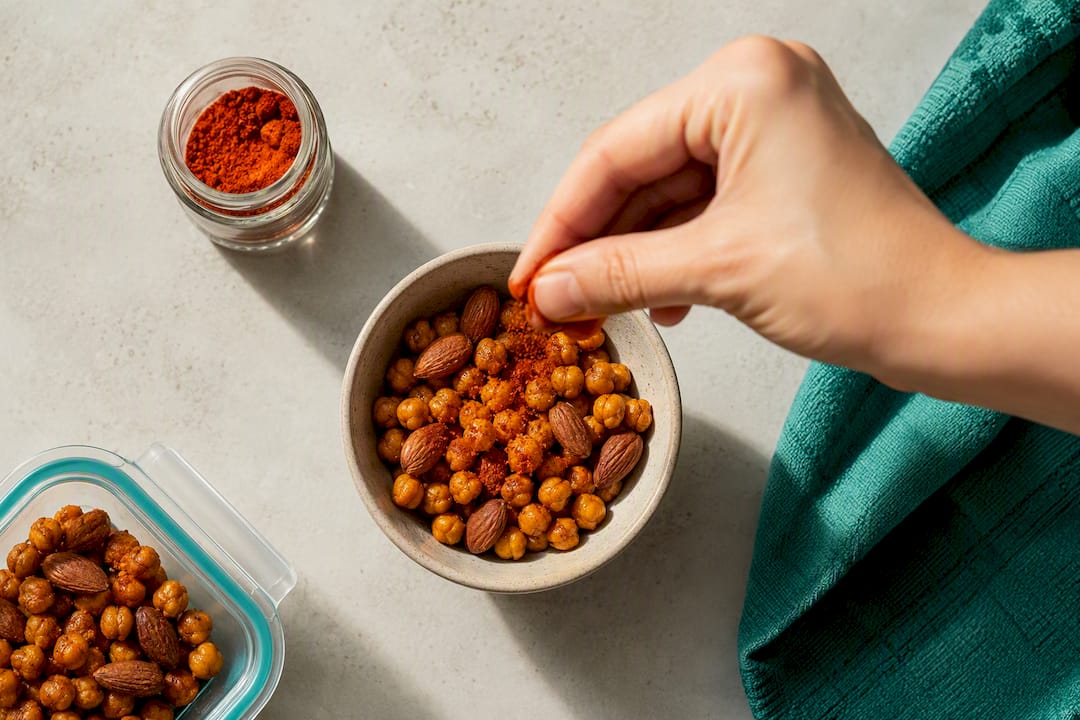
Add spice blends at the point of eating, not before storage. Toss roasted chickpeas or nuts with chili powder or smoked paprika right before you eat them, rather than pre-seasoning the whole bag, which can introduce moisture and shorten freshness.
Pair contrasting textures. A crunchy protein chip like Wellnosh’s Chipotle Barbecue flavor next to a soft pairing, like apple slices or hummus, keeps a snack interesting without adding prep time.
Rotate flavors instead of buying one variety in bulk. A Variety Pack format solves “protein snack fatigue,” the real reason most people quit a healthy snacking habit within a few weeks. Boredom, not lack of discipline, kills consistency.
Warm up cold-weather favorites. A cup of hot water with a shelf-stable bone broth packet, or heating canned soup with a protein boost, makes pantry protein feel less like an afterthought in colder months.
Keep sauces and dips separate from shelf-stable items until serving. A packet of hot sauce or a small container of guacamole added right before eating boosts flavor dramatically without touching the base product’s shelf stability. This “assemble, don’t pre-mix” approach is the single biggest lever for making pantry snacking feel less repetitive.
The Environmental Side of Pantry Protein Choices
Plant-based pantry proteins generally carry a lower environmental footprint than animal-based ones. Fava beans and chickpeas need less water and land per gram of protein than beef or dairy, which is part of why legume-based snacks have grown as a pantry category.
Canned fish carries its own sustainability questions. Look for cans labeled with sourcing certifications when available, since wild-catch practices vary widely by species and region. Sardines and smaller fish generally carry a lighter ecological footprint than larger predatory species.
Packaging matters as much as ingredients. Single-serve plastic pouches are convenient but add up in waste over a year of daily snacking. Buying larger bags and portioning into reusable containers cuts down on packaging waste, even for shelf-stable items designed to last months.
Wellnosh’s use of fava beans as a base protein reflects a broader shift toward legume-based snacking, which tends to require fewer resources per gram of protein than meat-based jerky or dairy-based crisps. That doesn’t mean animal-based pantry proteins are off the table, it means balancing your rotation with some plant-based staples reduces your overall footprint without sacrificing the protein-per-serving numbers you’re chasing.
A Practical Perspective From Dr. Wellnosh
The biggest failure point in pantry snacking isn’t knowledge, it’s placement. Put protein-fiber pairs at eye level, pre-portion them, and set a Subscribe & Save order so restocking isn’t a decision you have to make weekly. The Cleveland Clinic’s protein-fiber pairing guidance works, but only if the snack is actually visible when hunger hits.
— Dr. Wellnosh
Where to Start Stocking Your Pantry With Wellnosh
Building a protein-forward pantry doesn’t require an overhaul, just smarter swaps for the snacks you already reach for. Wellnosh’s chips give you 15 g of fava bean protein per bag without seed oils, added sugar, or the greasy aftertaste of traditional chips, so you’re not trading flavor for nutrition.
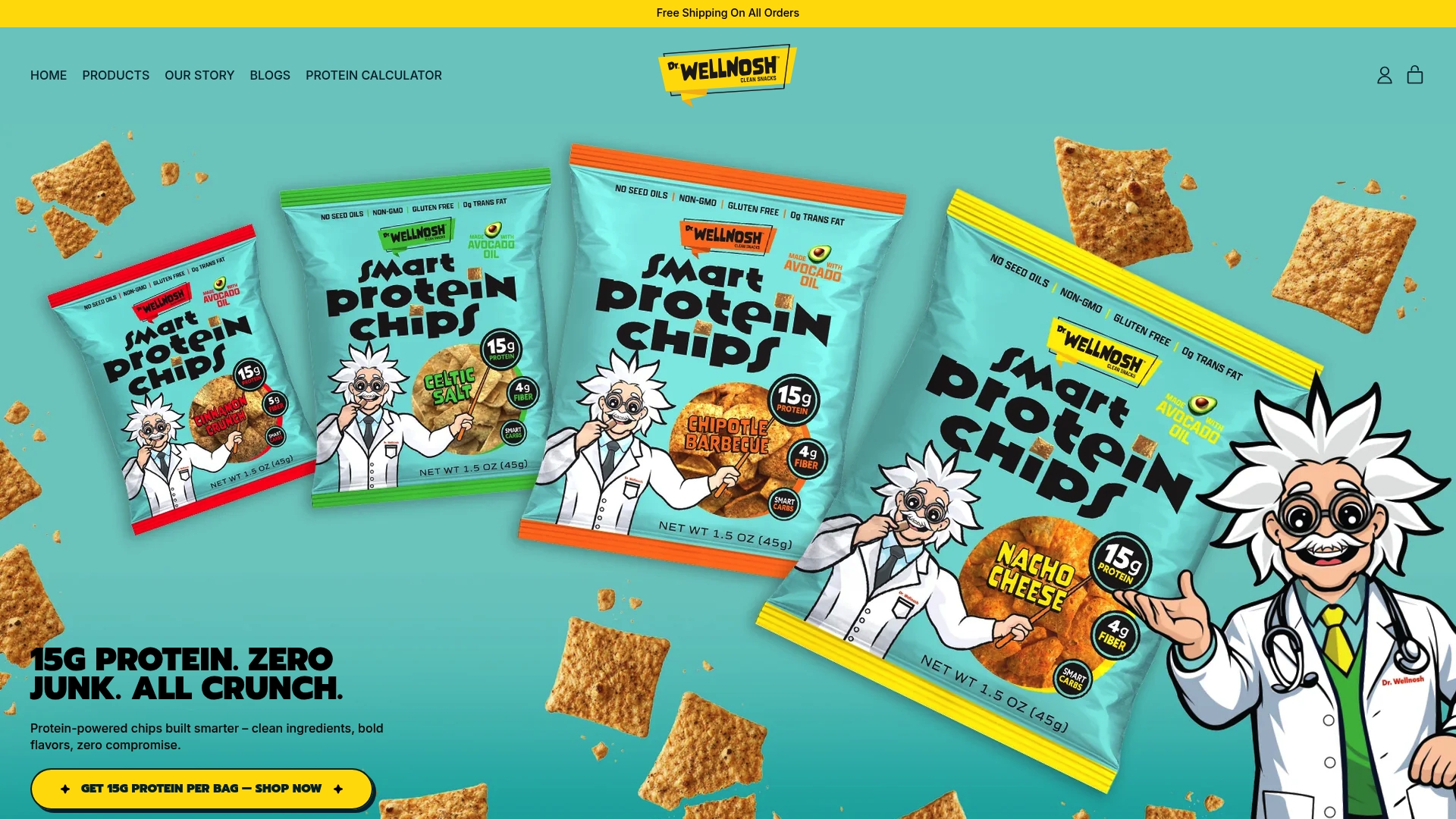
If you’re not sure which flavor fits your taste, the Variety Pack lets you try Nacho Cheese, Celtic Salt, Chipotle Barbecue, and Cinnamon before committing to one. Prefer to jump straight to a favorite? The Nacho Cheese chips and Celtic Salt chips are both solid starting points for a pantry that needs more protein and less filler. Set up Subscribe & Save at checkout so your pantry restocks itself before you run out.
Sources
- 9 high-protein snacks to help keep you full and fueled | Cleveland Clinic
- Peer-reviewed nutrition review on satiety (PMC)


