

· By Dr. Wellnosh
Daily Protein Snack Checklist for Women: 2026 Guide
A daily protein snack checklist for women is defined as a structured plan that targets 10–25 grams of protein per snack to support muscle maintenance, blood sugar stability, and sustained energy between meals. Nutrition authorities widely accept this range as the threshold for meaningful muscle protein synthesis during snacking. Women who hit this target consistently report better satiety, fewer energy crashes, and stronger progress toward fitness goals. The need becomes even more pressing after 40, when metabolic shifts accelerate muscle loss and the body becomes less efficient at using dietary protein. A well-built protein snack plan is not a luxury. It is a daily nutritional tool.
1. What does a daily protein snack checklist for women include?
The foundation of any protein-rich snacks checklist is variety across both animal-based and plant-based sources. Relying on one category limits your nutrient coverage and increases the risk of snack fatigue. A strong checklist pulls from multiple food groups and delivers fiber, healthy fats, and antioxidants alongside protein.
Animal-based snack options:
- Hard-boiled eggs (2 eggs = ~12g protein): portable, inexpensive, and prep-friendly
- Deli turkey breast (3 oz = ~18g protein): pairs well with cheese or raw veggies
- Greek yogurt, plain (3/4 cup = ~17g protein): add berries for antioxidants
- String cheese (1–2 sticks = ~8g protein): no prep required, stays fresh in a bag
- Canned tuna or salmon (3 oz = ~20g protein): shelf-stable and filling
- Cottage cheese (1/2 cup = ~14g protein): high in casein, which digests slowly
Plant-based snack options:
- Edamame (1/2 cup shelled = ~9g protein): rich in fiber and magnesium
- Roasted chickpeas (1/3 cup = ~7g protein): crunchy and travel-friendly
- Tempeh slices (3 oz = ~16g protein): fermented for better gut absorption
- Fava bean protein chips (1 bag of Wellnosh = 15g protein): cooked in avocado oil, non-GMO, and gluten free with no added sugar
Combo snacks for maximum impact:
- Apple slices with almond butter (~7g protein) plus a string cheese (~8g) = ~15g total
- Hummus with raw veggies plus 2 hard-boiled eggs = ~18g total
A balanced snack box combining hard-boiled eggs, turkey breast, sharp cheddar, almonds, veggies, berries, and hummus delivers roughly 50 grams of protein with fiber, healthy fats, and antioxidants. That is a full afternoon’s worth of snack nutrition in one prep session.
2. How to use your protein snack plan effectively when life is busy
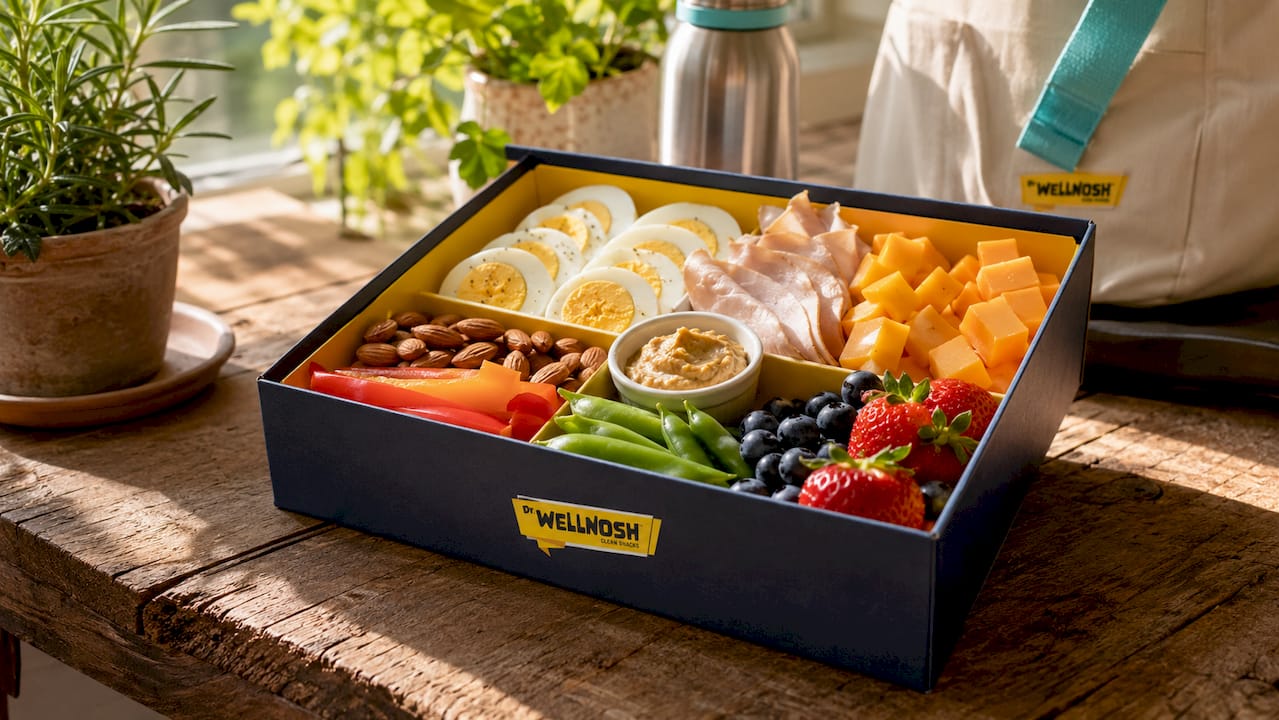
Busy schedules are the single biggest reason women fall short on protein between meals. The fix is not willpower. It is preparation done once, eaten all week.
A simple weekly prep system:
- Pick one prep day (Sunday works for most schedules).
- Boil a batch of eggs, portion deli turkey, and cube cheese into snack-sized amounts.
- Wash and chop raw vegetables like cucumber, bell pepper, and celery.
- Portion hummus, nut butter, or guacamole into small sealed containers.
- Assemble snack boxes or bags for each day of the week.
Batch prepping high-protein snacks weekly takes only 15–25 minutes and keeps snacks fresh for up to 4 days. That is a small time investment for five days of consistent protein intake.
Bento boxes with separate compartments are the most practical container for this system. They keep moist ingredients away from dry ones, which prevents sogginess and extends freshness. Label each box with the day of the week so you grab and go without thinking.
Pro Tip: Pack your snack box the night before and store it at eye level in the fridge. You are far more likely to grab it when it is visible and ready.
Scaling portions is straightforward. If you weigh 130 pounds and train three days a week, two snacks per day at 15–20g protein each covers most of your between-meal needs. If you train more intensely or weigh more, bump each snack toward the 25g end of the range. Tracking your daily protein intake for one week gives you a clear baseline before you adjust.
3. Protein snack planning adjustments for women over 40
Women over 40 face a specific biological challenge called sarcopenia, the gradual loss of muscle mass that accelerates after menopause. The body also becomes less efficient at converting dietary protein into muscle tissue, a process called anabolic resistance. Both factors mean the standard protein targets are not enough.
Women over 40 need at least 25–35 grams of protein at each major meal and 10–25 grams per snack to counteract age-related muscle loss. That is a meaningful step up from general recommendations, and it changes how you build your snack checklist.
Practical adjustments for women over 40:
- Swap a single hard-boiled egg for two eggs to add 6g protein per snack
- Choose full-fat Greek yogurt over low-fat versions for better satiety and hormone support
- Add a serving of Wellnosh protein chips alongside a cheese stick to push a snack past 20g
- Use cottage cheese as a base and stir in protein powder for a quick 25g snack
- Replace crackers with sliced turkey breast as a “vehicle” for hummus or avocado
Pairing consistent resistance training three times per week with higher protein intake produces the best results for lean muscle maintenance in women over 40. Protein alone slows muscle loss. Protein plus strength training reverses it. The snack checklist supports the training. The training makes the snacks count.
Adequate protein intake in midlife is also linked to healthy aging outcomes beyond muscle, including bone density and metabolic health. Getting enough protein at each snack is one of the most direct levers women over 40 can pull.
4. Common pitfalls in daily protein snacking and how to avoid them
The most common mistake is treating protein bars as a complete snack strategy. Most bars are processed, high in sugar alcohols, and deliver a chalky texture that becomes unpleasant after a few days. Relying on them exclusively leads to snack burnout, which is the point where you stop snacking on protein at all.
Pro Tip: Rotate at least four different snack combinations each week. Variety keeps your palate interested and fills nutritional gaps that any single snack leaves open.
The most common pitfalls and their fixes:
- Eating the same snack daily: Rotate between eggs, yogurt, edamame, and chips to prevent boredom
- Skipping the label check: Many “high-protein” products contain only 5–7g per serving. Read the nutrition facts before buying
- Ignoring fiber and fat: A protein snack without fiber or fat digests too fast and leaves you hungry within an hour
- Prepping too far ahead: Assembled snack boxes lose texture and freshness past four days. Prep in smaller batches if needed
- Forgetting hydration: Protein metabolism requires water. Pair every snack with at least 8 oz of water
A mix-and-match approach using staples like string cheese, edamame, and Greek yogurt sustains motivation and covers nutrients beyond protein alone. Think of your snack checklist as a menu, not a prescription. You pick from it based on what sounds good that day.
Checking nutrition labels is non-negotiable. The protein per serving listed on a package is the only number that matters when building your checklist. Marketing claims on the front of a package mean nothing without the label to back them up.
5. Food safety and freshness tips for prepared protein snacks
Prepped snacks only work if they are still good when you eat them. Food safety is not complicated, but it does require a few specific habits.
Storage rules for protein snack boxes:
- Do not assemble snack boxes more than 4 days in advance to maintain texture and freshness
- Store all assembled boxes at or below 40°F (4°C)
- Keep deli meats and cooked eggs in airtight containers, separate from produce
- Freeze individual portions of edamame or cooked chicken if prepping beyond four days
Keeping moist and dry ingredients separate:
- Place hummus, guacamole, or yogurt dips in small sealed silicone cups or mini containers.
- Pack dry items like nuts, chips, or crackers in a separate compartment.
- Add cut fruit only on the day you plan to eat the snack, since fruit releases moisture quickly.
- Use bento boxes with dividers or silicone liners to maintain texture across multiple days.
For hard-boiled eggs specifically, the boil-and-soak method produces the best texture. Bring water to a boil, add eggs, remove from heat, and let them soak for 12 minutes. Transfer immediately to an ice bath. This method prevents the rubbery texture that makes prepped eggs unpleasant by day three.
Key takeaways
A consistent protein snack plan for women works best when it combines variety, smart prep habits, and protein targets matched to your age and activity level.
| Point | Details |
|---|---|
| Target 10–25g protein per snack | This range supports muscle protein synthesis and blood sugar stability between meals. |
| Prep once, eat all week | A 15–25 minute weekly prep session keeps snack boxes fresh and ready for up to 4 days. |
| Women over 40 need more protein | Aim for 25g per snack and pair it with resistance training three times per week. |
| Rotate snack types to avoid burnout | Use a mix-and-match system with at least four different snack combinations each week. |
| Separate moist and dry ingredients | Use bento boxes with dividers to prevent sogginess and extend freshness. |
What I’ve learned from building a real protein snack routine
The conventional advice says to “just prep your meals on Sunday.” That is true, but it misses the part that actually makes it stick.
What I have found is that the snack checklist works best when it feels like a menu, not a chore. When you give yourself four or five options and pick based on what sounds good that morning, you actually eat the snack. When you force yourself to eat the same Greek yogurt every afternoon, you stop by Wednesday.
The other thing most articles skip is the hydration connection. Protein metabolism is water-dependent. Women who hit their protein targets but drink too little water often still feel sluggish and bloated. Pairing every snack with a full glass of water is not optional. It is part of the system.
For women over 40, the resistance training piece is where I see the biggest gap. Protein snacks without strength training slow muscle loss. Protein snacks with strength training build muscle. Those are two very different outcomes. The snack checklist is the fuel. The training is the engine. You need both.
The small prep effort, 20 minutes on a Sunday, pays back in energy, focus, and fewer hunger-driven decisions all week. That is not a small return.
— Dr. Wellnosh
Wellnosh protein chips: a smart addition to your snack checklist
Building a protein-rich snacks checklist gets easier when you have a grab-and-go option that actually delivers on protein without seed oils, artificial additives, or added sugar.
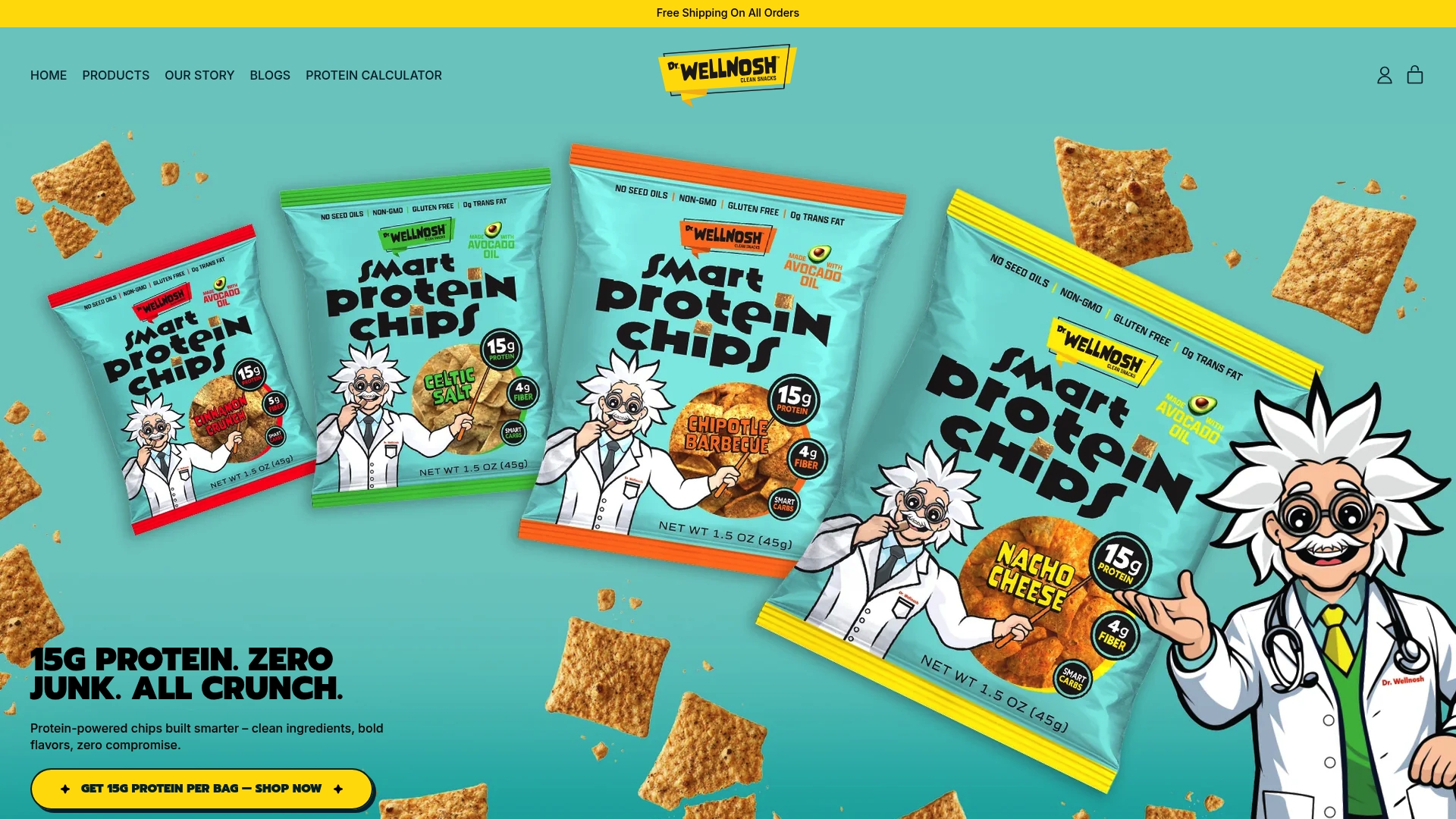
Wellnosh protein chips are made with fava bean protein and cooked in avocado oil, delivering 15g of protein per bag. They are non-GMO, gluten free, and low carb, which means they fit cleanly into any snack plan without derailing other nutrition goals. Flavors like Celtic Salt, Chipotle Barbecue, and Cinnamon give you real variety without compromise. The Wellnosh Variety Pack is the easiest way to test all the flavors and find your go-to. For a savory option with a kick, the Chipotle Barbecue chips pair well with a hard-boiled egg or cottage cheese to push a snack past 20g protein.
FAQ
How many grams of protein should a snack have for women?
Women should target 10–25 grams of protein per snack to support muscle protein synthesis and blood sugar stability. Women over 40 should aim toward the higher end of that range.
What are the best high-protein snacks for women on the go?
Hard-boiled eggs, Greek yogurt, string cheese, edamame, deli turkey, and fava bean protein chips are among the best high-protein snacks for women because they require little to no prep and travel well.
How far in advance can I prep protein snack boxes?
Assembled protein snack boxes stay fresh for up to 4 days in the refrigerator. Keep moist and dry ingredients in separate compartments to prevent sogginess.
Do women over 40 need more protein in their snacks?
Yes. Women over 40 need 25–35g of protein per meal and 10–25g per snack to counteract sarcopenia and anabolic resistance. Pairing higher protein intake with resistance training produces the strongest results.
How do I avoid getting bored with the same protein snacks?
Rotate at least four different snack combinations each week using a mix-and-match system with staples like Greek yogurt, edamame, cheese, and protein chips. Variety covers more nutrients and keeps the routine sustainable.


