

· By Dr. Wellnosh
3 Quick Checks to Tell If Chips Are Vegan in the Aisle
Most plain chips are vegan. Potato chips, tortilla chips, and corn chips start with plant ingredients: potatoes or corn, oil, and salt. The trouble starts with flavoring. Cheese powders, ranch seasoning, buttermilk solids, and shared fryers can turn an otherwise plant-based snack into something a vegan should skip. Brands like Wellnosh build vegan status into the formula from the start, so you don’t have to gamble on the seasoning blend.
TL;DR:
- Most plain chips are vegan, but flavored varieties often contain dairy ingredients like cheese powders, buttermilk solids, or lactose.
- Ingredient labels should be checked for dairy terms or ambiguous phrases like “natural flavors,” with allergen statements providing quick confirmation.
- Certified vegan seals or clear plant-based claims on packaging offer the most reliable indication of vegan status.
- Shared fryers in restaurants pose a high risk of cross-contact, making house-made and packaged vegan chips a safer choice.
- Legume-based chips and brands like Wellnosh provide higher protein content and transparent labeling, reducing guessing risks for vegan snackers.
Table of Contents
- What Makes a Chip Vegan: Ingredients Versus Processing
- Common Non-Vegan Ingredients and Label Red Flags
- How to Read the Bag and Look for Certification in 3 Quick Steps
- Vegan-Friendly Chip Types and Practical Examples
- Restaurant and House-Made Chips: What to Ask and When to Avoid
- Fast “Is This Bag Vegan?” Checklist You Can Screenshot
- Popular Vegan Chip Brands and Flavors
- Homemade Vegan Chip Recipes
- Nutritional Differences Between Vegan and Non-Vegan Chips
- Brand Expert View: Why Formulation Transparency Matters
- Where to Buy Reliable Vegan-Friendly Protein Chips
- Sources
What Makes a Chip Vegan: Ingredients Versus Processing
A basic chip recipe is about as plant-based as snack food gets. Potatoes or corn, frying oil, and salt make up the entire ingredient list on a plain bag, and none of that comes from an animal. The seasoning step is where things get complicated. Manufacturers add flavor systems that frequently include dairy derivatives, and that seasoning stage is the single most common point where a chip stops being vegan, even when the base recipe never touched an animal product.
Frying introduces its own risk. Most large-scale chip production uses vegetable oil, but some specialty and restaurant fryers use animal fat like lard or tallow, especially for “extra crispy” claims. Then there’s cross-contact: a factory that runs a cheese-flavored batch through the same seasoning drum as a plain batch can leave trace dairy residue behind, which is exactly why allergen statements exist. A “may contain” or “Contains: Milk” line on the label isn’t legal boilerplate. It’s the company telling you what actually touched your food.
Common Non-Vegan Ingredients and Label Red Flags
Once you know the usual suspects, scanning a chip label takes about ten seconds. Certain ingredient names disqualify a bag immediately, no further research needed. Others are gray areas that require a bit more digging.
Watch for these on the ingredient panel:
- Whey, casein, or milk powder
- Buttermilk solids or lactose
- Cheese powder (cheddar, ranch, and sour cream flavors are the worst offenders)
- Gelatin (rare in chips, common in some seasoned snack mixes)
- Honey
- Lard or tallow
Ambiguous terms like “natural flavors” and “mono- and diglycerides” can technically be plant-derived or animal-derived, and the label won’t tell you which. When you hit one of those, the fastest move is contacting the manufacturer directly rather than guessing. One shortcut skips all the guesswork: the allergen statement. If a bag says “Contains: Milk,” you’re done deciding. It’s not vegan, full stop, regardless of what the ingredient list above it seems to suggest.
How to Read the Bag and Look for Certification in 3 Quick Steps
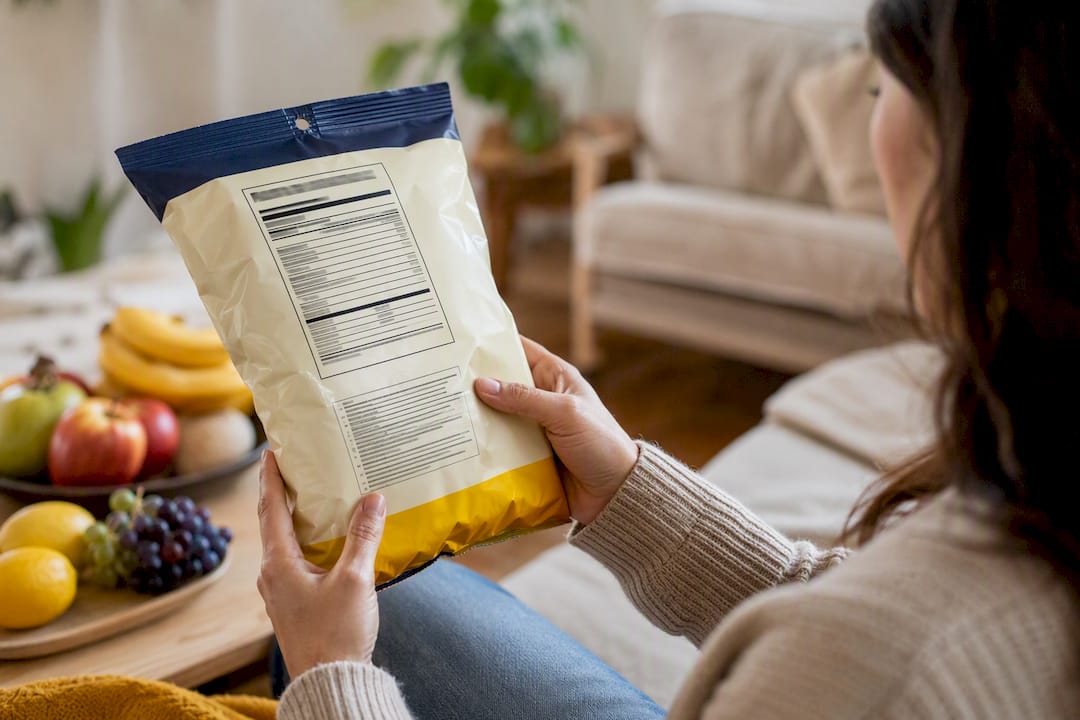
You don’t need a nutrition degree to check a bag in the snack aisle. Three steps, in order, get you an answer almost every time.
- Scan for a vegan claim or seal first. A Certified Vegan logo or an explicit “plant-based” claim on the front of the bag saves you from reading fine print at all.
- Check the allergen panel, then the ingredient list. Look for “Contains: Milk” as your fastest disqualifier, then scan for the specific dairy terms covered above.
- When it’s still unclear, go to the source. Manufacturer FAQ pages often spell out vegan status directly. Lay’s, for example, states plainly on its own FAQ page that none of its flavors are currently classified as vegan, which settles the question instantly instead of leaving you to interpret a seasoning list.
Pro Tip: Certification beats detective work every time. Vegan advocacy groups recommend leaning on a certified vegan seal rather than trying to parse “natural flavors” yourself, because that phrase legally covers both plant and animal sources with zero obligation to specify which.
Vegan-Friendly Chip Types and Practical Examples
Plain potato chips, plain tortilla or corn chips, and legume-based chips are the three safest categories for anyone avoiding animal products. Skip anything with a cheese, ranch, sour cream, or barbecue name on the front unless the label explicitly says vegan, since that’s exactly where dairy tends to sneak in through buttermilk and lactose additives. Vegan tortilla chips tend to hold up well too, since the base of masa harina, oil, and salt is plant-based by default as long as the seasoning stays simple.
A reliable bag usually shares three traits: a short ingredient list you can read in one breath, a clear vegan or plant-based claim somewhere on the packaging, and an allergen statement with no milk listed. That combination removes almost all the guesswork.
This is exactly where Wellnosh fits. Every flavor, Nacho Cheese, Celtic Salt, Chipotle Barbecue, and Cinnamon, delivers a notably higher amount of fava bean protein per bag compared to standard potato chips, which generally carry a much lower protein content per serving. The chips are cooked in avocado oil instead of seed oils, use non-GMO ingredients, and carry no added sugar, gluten, or artificial fillers. You get flavor names that usually raise a vegan red flag, minus the dairy that normally comes with them.
Restaurant and House-Made Chips: What to Ask and When to Avoid
Packaged bags are the easy case. Restaurant chips and house-made tortilla chips carry more risk, mainly because you can’t read a label. Shared fryers are the biggest issue: a kitchen that fries chicken and chips in the same oil has effectively made every chip in that batch non-vegan by cross-contact, even if the chip itself contains nothing but corn and oil.
Ask three questions before ordering: what oil does the kitchen use, is that fryer shared with meat or dairy items, and does anything animal-derived go into the same oil at any point in the day. Some vegans accept shared-fryer trace contact as unavoidable; others don’t. Know your own line before you ask.
Fast “Is This Bag Vegan?” Checklist You Can Screenshot
Save this one for the snack aisle. It works whether you’re standing in a store or scrolling a product page online.
- Look for a Certified Vegan seal or an explicit plant-based claim on the packaging.
- Read the allergen block first. “Contains: Milk” ends the search immediately.
- Scan the ingredient list for dairy terms, honey, gelatin, or lard/tallow.
- For any flavored chip without a clear vegan claim, default to “verify or skip.”
- Favor brands that disclose dedicated vegan production lines if you’re avoiding even trace cross-contact.
Pro Tip: Bookmark a brand’s FAQ page instead of re-Googling the same question every grocery run. Most major manufacturers keep vegan status current there, and it’s faster than parsing an ingredient list from memory.
Popular Vegan Chip Brands and Flavors
The plain-chip category is crowded with safe options once you know what to look for. Classic salted potato chips from most major brands are vegan in their base form, and plain corn tortilla chips are a near-universal safe bet at any grocery store. Kettle-cooked plain potato chips, unsalted or lightly salted, also clear the bar consistently since there’s no seasoning system to introduce dairy.
Beyond the plain aisle, a growing set of brands build vegan status directly into their branding rather than making shoppers guess. Curated roundups of vegan snack options consistently point toward legume-based and vegetable-based chips as a reliable middle ground between plain potato chips and heavily seasoned mainstream flavors, since the base ingredients (lentils, chickpeas, beans) are inherently plant-based and the seasoning blends used tend to skip dairy shortcuts altogether.
Flavor variety is where vegan shoppers usually feel the most restricted, since cheese, ranch, and sour-cream-and-onion dominate the flavored end of the aisle and virtually all of them use dairy. That’s the gap Wellnosh built its flavor lineup around. Nacho Cheese and Chipotle Barbecue deliver the bold, savory flavor profile that normally signals “check the label twice,” while Celtic Salt and Cinnamon cover the simpler end of the spectrum, all without dairy shortcuts in the seasoning.
Homemade Vegan Chip Recipes
Making chips at home removes every guessing game, since you control every ingredient that goes into the fryer or oven. A basic oven-baked potato chip needs only thinly sliced potatoes, a light coat of oil, and salt, baked at around 400°F until the edges curl and crisp. Tortilla chips are just as simple: cut corn tortillas into wedges, brush lightly with oil, and bake or air-fry until they snap instead of bend.
For more nutrition, kale chips and chickpea chips are popular vegan staples. Toss kale leaves in a small amount of oil and bake at a low temperature (around 300°F) until crisp but not burnt, since kale scorches fast at higher heat. Roasted chickpeas, tossed in oil and whatever seasoning you like (smoked paprika, garlic powder, cumin) and roasted until crunchy, work as a chip substitute with far more protein and fiber than a potato ever offers.
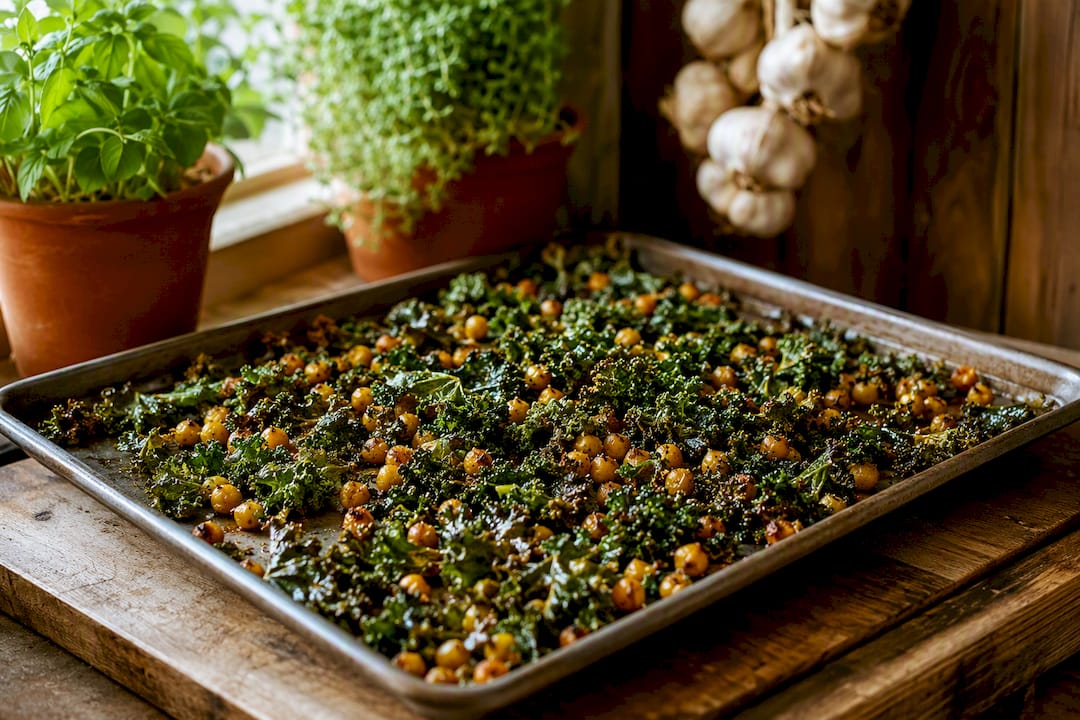
The upside of homemade chips is total ingredient control. The downside is time, and the fact that they don’t travel or store as well as commercial bags, which tend to use preservatives that keep texture intact for weeks. If you want the convenience of a packaged bag without the seasoning-blend guesswork, a protein-forward alternative built with a short, transparent ingredient list solves both problems at once.
Nutritional Differences Between Vegan and Non-Vegan Chips
Removing dairy from a chip doesn’t automatically make it healthier, and that surprises a lot of shoppers. A vegan-labeled bag can still be fried in the same oils, carry the same sodium load, and offer the same near-zero protein as its dairy-containing counterpart. Vegan status is an ingredient question, not a nutrition question, and treating the two as the same thing is a common mistake.
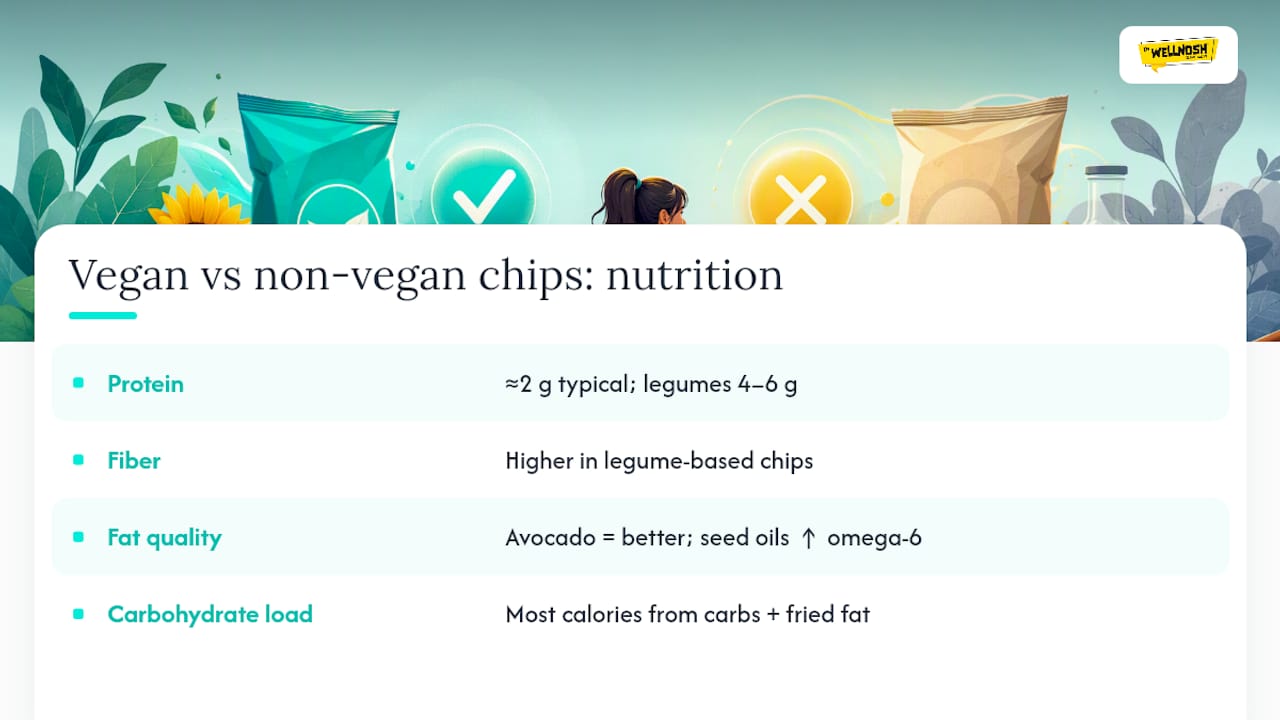
Where the categories genuinely diverge is in protein and fat quality. Standard potato chips, vegan or not, typically deliver around 2 grams of protein per serving and get most of their calories from carbohydrates and fried fat. Legume-based and bean-based vegan chips shift that ratio meaningfully, often doubling or tripling the protein count while adding fiber the potato version never had. Oil choice matters too: chips fried in avocado oil carry a different fat profile than those fried in soybean or corn oil, which tend to be higher in the omega-6 fats most American diets already overload on.
This is where checking the nutrition panel matters as much as checking the ingredient list. A low-carb, high-protein snacking approach treats vegan status as the floor, not the ceiling, looking past “no animal products” toward what the chip actually does for your body once you factor in protein, fiber, and fat quality.
Brand Expert View: Why Formulation Transparency Matters
Ingredient lists shouldn’t require a chemistry background to read. When we formulate at Wellnosh, we start from the same question every vegan shopper asks in the aisle: what’s actually in this, and can I say it out loud without checking a dictionary? Avocado oil, fava bean protein, and a clear vegan claim on the front of the bag exist so you don’t have to play detective with a seasoning blend. Balancing flavor and nutrition isn’t a trade-off if the ingredient list stays short enough to trust on sight.
— Dr. Wellnosh
Where to Buy Reliable Vegan-Friendly Protein Chips
Reading labels for hidden dairy gets old fast, and that’s exactly the problem Wellnosh set out to solve. Compared to sorting through vague “natural flavor” disclosures or gambling on a shared fryer, Wellnosh puts the vegan-friendly claim, the protein count, and the ingredient list right on the front where you can actually see it before you buy.
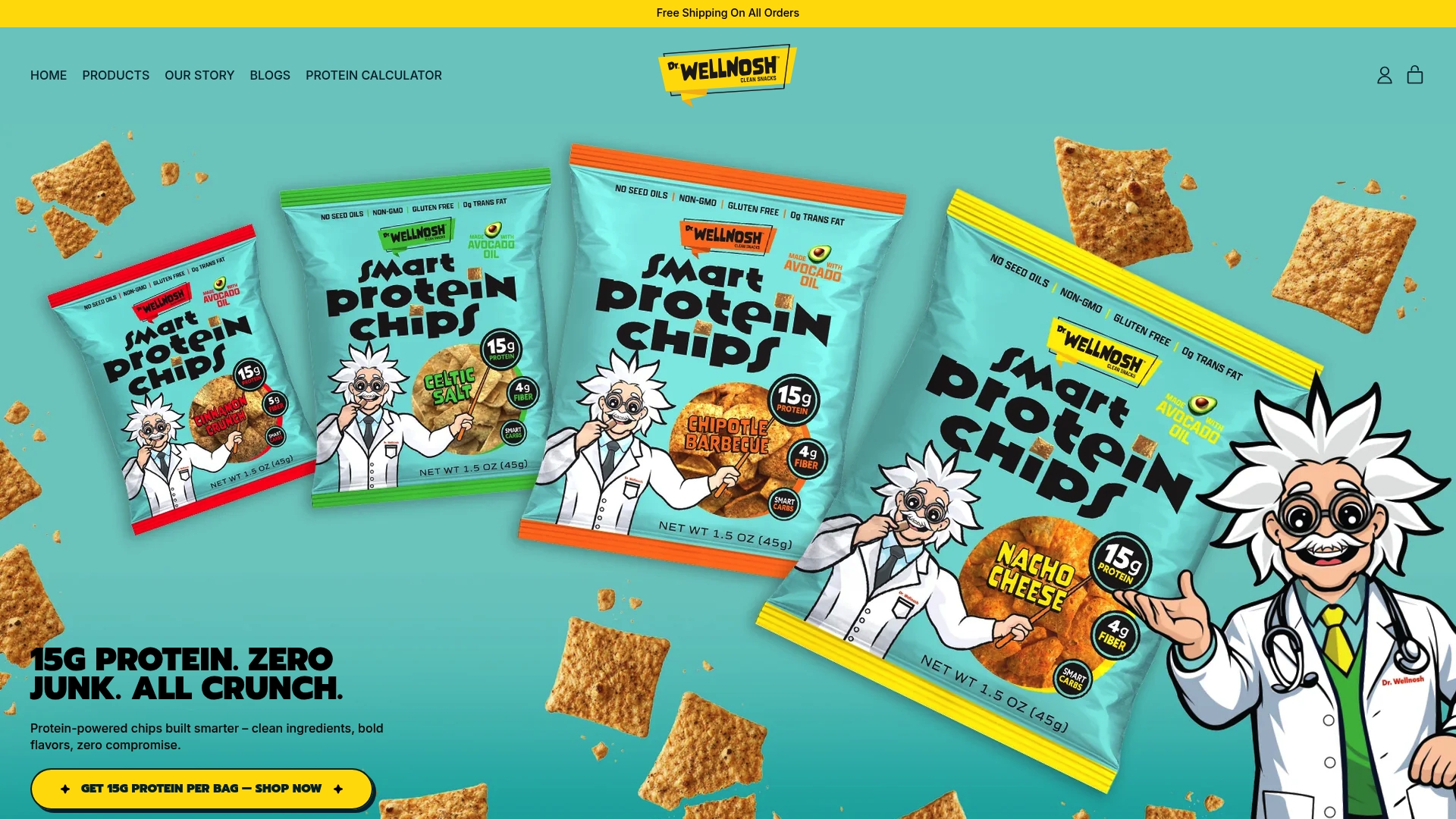
Every bag delivers 15 grams of fava bean protein, gets cooked in avocado oil instead of seed oils, and skips added sugar, gluten, and artificial fillers entirely. Nacho Cheese and Chipotle Barbecue cover the bold, savory flavors that usually mean double-checking a label for dairy. Celtic Salt handles the simple end of the spectrum, and Cinnamon gives you a sweeter option without leaving the vegan-friendly lineup. If you snack often enough that reading every new bag gets tiring, Subscribe & Save locks in regular deliveries so the decision only happens once. Otherwise, grab a single bag of Nacho Cheese and see how the protein count changes how satisfied you feel after a snack.
Sources
- Are Potato Chips Vegan? The Ultimate Guide to Plant- …
- Is your potato chip fix vegan? unraveling the mystery of ingredients - Taste Pursuits
- Are Tortilla Chips Vegan? A Complete Guide


