

· By Dr. Wellnosh
Protein Tracking Snack Examples for Adults: 2026 Guide
The best protein tracking snack examples for adults deliver 10–25 grams of protein per serving, paired with fiber and minimal additives, to support satiety, stable energy, and accurate macro logging. Registered dietitians call this the “protein plus fiber” framework, and it is the standard that separates genuinely useful snacks from products that just look healthy on the label. Greek yogurt, cottage cheese, hard-boiled eggs, and roasted edamame are the most cited whole-food examples because they hit the protein target without requiring a nutrition degree to track. Adults who apply this framework consistently report fewer energy crashes and less snack-driven calorie creep.
1. Protein tracking snack examples for adults: whole-food foundations
Whole-food snacks are the easiest to track because their macros are fixed and predictable. A 170g pot of 0% Greek yogurt delivers 17–20g of protein for roughly 90–120 calories. That ratio makes it one of the most efficient snacks per calorie in any tracking plan.
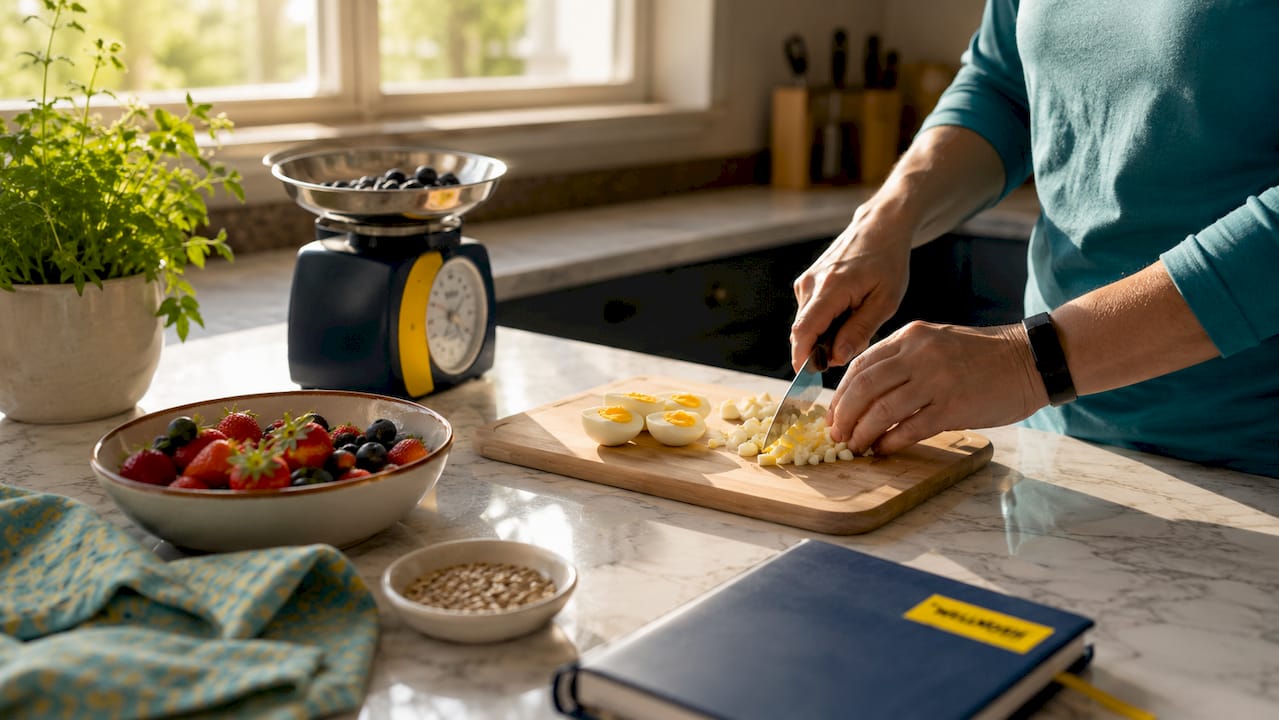
Cottage cheese is even denser. One cup provides 20–24g of protein, and pairing it with sliced cucumber or berries adds fiber without complicating the log. Hard-boiled eggs clock in at 6g of protein each, so two eggs plus a handful of baby carrots gives you a clean 12g protein snack with built-in fiber.
Plant-based adults have strong options too. Roasted edamame provides 11–13g of protein per quarter cup, and roasted chickpeas land in a similar range. Both are shelf-stable and portion-friendly.
- Greek yogurt (0% fat, 170g): 17–20g protein, 90–120 kcal
- Cottage cheese (1 cup): 20–24g protein, pairs well with fruit or vegetables
- Hard-boiled eggs (2 large): 12g protein, zero prep after boiling
- Roasted edamame (¼ cup): 11–13g protein, shelf-stable and portable
- Roasted chickpeas (¼ cup): 7–9g protein, high fiber, easy to batch-prep
Pro Tip: Batch-cook a dozen hard-boiled eggs on Sunday and store them peeled in a container. You eliminate daily prep and always have a fixed-macro snack ready to log.
2. Convenient high-protein snacks for on-the-go adults
Portability is the variable most adults underestimate when building a tracking plan. A snack that requires refrigeration, utensils, or prep time gets skipped. Skipped snacks lead to unplanned eating, which breaks tracking accuracy.
Canned tuna is the most underrated portable protein source. A 3-ounce serving delivers 16g of protein and fits in a bag or desk drawer. Rotisserie chicken breast, pre-pulled into strips, provides 22g of protein per 3-ounce portion and reheats in under two minutes.
Nut butters paired with apple slices or celery sticks give you protein plus fiber in one grab. Two tablespoons of almond or peanut butter add roughly 7–8g of protein. The fiber from the fruit or vegetable slows digestion and extends fullness.
- Canned tuna (3 oz): 16g protein, pairs with whole grain crackers for fiber
- Rotisserie chicken strips (3 oz): 22g protein, easy to pre-portion into containers
- Nut butter with apple slices: 7–8g protein, natural fiber from the fruit
- String cheese with a piece of fruit: 7g protein per stick, portable and pre-portioned
- Jerky (low-sodium varieties): 9–11g protein per ounce, check sodium before buying
Pro Tip: Build a weekly snack kit on Sunday. Divide tuna pouches, nut butter packets, and pre-cut vegetables into individual bags. Decision fatigue drops, and your tracking stays consistent.
3. How to portion and track protein snacks without errors
Visual estimation is the most common source of macro errors in snack tracking. Consistent portion control using a kitchen scale or pre-portioned containers reduces estimation errors by a meaningful margin. Adults who rely on eyeballing regularly undercount calorie-dense foods like nut butters and overcount lower-density foods like yogurt.
The fix is a standardized system. Use the same container size every time for the same snack. A 170g yogurt container, a single-serve tuna pouch, or a pre-weighed bag of edamame removes the guesswork entirely. Whole food snacks with fixed macros reduce the cognitive load of logging compared to multi-ingredient processed snacks.
- Weigh once, portion many. Weigh a serving of your most common snack once, then use a matching container as your reference going forward.
- Use single-serve packaging. Tuna pouches, Greek yogurt cups, and string cheese are already portioned. They log in seconds.
- Avoid “snack drift.” Snack drift happens when portions creep up over time. Recalibrate with a scale every two weeks.
- Log before you eat. Logging after eating invites rounding errors. Log the snack when you pull it out, not after.
- Minimize multi-ingredient snacks. Every added ingredient is another variable. Simpler snacks mean faster, more accurate logs.
Pro Tip: Set a recurring phone reminder at your two most common snack times. The prompt keeps you’re logging consistently instead of catching up at the end of the day.
4. Situational snack choices based on activity and health goals
The right protein snack depends on when you eat it and what you are trying to accomplish. A post-workout snack has different requirements than a mid-afternoon energy bridge.
| Situation | Protein target | Best snack options | Key priority |
|---|---|---|---|
| Post-workout recovery | 20–25g | Cottage cheese, rotisserie chicken, Greek yogurt | Fast absorption, low fat |
| Mid-afternoon energy | 12–15g | Hard-boiled eggs, edamame, nut butter with fruit | Fiber pairing for sustained energy |
| Weight management | 15–20g | Greek yogurt, tuna pouch, roasted chickpeas | High protein, high fiber, low calorie |
| Less active days | 10–12g | String cheese with vegetables, small yogurt cup | Lighter calorie load, still trackable |
| Older adults (55+) | 20–25g | Cottage cheese, chicken strips, fortified options | Higher protein per meal to counter muscle loss |
Adults training regularly need at least 20–25g of protein around workouts to support muscle repair. Less active adults or those managing weight do well at the lower end of the 10–25g range, where fiber becomes the more important variable for fullness.
Older adults face a specific challenge. Muscle protein synthesis becomes less efficient with age, so hitting the upper end of the protein range per snack matters more after 55. Cottage cheese and Greek yogurt are ideal here because they are soft, easy to digest, and nutrient-dense.
5. Common mistakes in protein snack tracking
The biggest mistake adults make is choosing “protein-adjacent” snacks. These are products marketed with protein claims but built on fillers, added sugars, and seed oils. Nutritionists advise choosing snacks with simple, pronounceable ingredients to align choices with actual health goals.
- Trusting front-of-package claims. “High protein” on a label can mean 5g in a 300-calorie bar. Always check the nutrition panel.
- Ignoring sodium in processed snacks. Jerky and cheese-based snacks can carry 400–600mg of sodium per serving. High sodium increases water retention and can mask fat loss progress.
- Skipping fiber. Protein alone does not sustain fullness as effectively as protein paired with fiber. A snack with 20g of protein and zero fiber will leave you hungry faster than one with 15g protein and 4g fiber.
- Inconsistent portion sizes. Changing the amount you eat from day to day makes tracking meaningless. Use the same container or weight every time.
- Relying on processed bars as primary snacks. Bars are convenient but often contain 10+ ingredients, making accurate tracking harder. Whole foods with fixed macros are simpler and more reliable.
Tracking protein via whole food sources also provides micronutrients and supports gut health in ways that processed protein products do not. The snack choice is never just about the macro number.
Key takeaways
The most effective protein snacks for adults combine 10–25g of protein with fiber, minimal additives, and consistent portioning to support accurate tracking and lasting satiety.
| Point | Details |
|---|---|
| Target 10–25g protein per snack | This range stabilizes blood sugar and reduces hunger between meals. |
| Pair protein with fiber | Fiber extends fullness beyond what protein achieves alone. |
| Use fixed-portion snacks | Pre-portioned options like yogurt cups and tuna pouches eliminate logging errors. |
| Avoid protein-adjacent products | Check the nutrition panel, not the front label, before counting a snack as high-protein. |
| Adjust by situation | Post-workout needs 20–25g; lighter activity days need 10–15g with fiber emphasis. |
What I have learned from tracking protein snacks every day
Most adults overcomplicate this. They spend time researching bars and powders when the answer is almost always a container of cottage cheese and a handful of edamame.
The snack assembly strategy changed how I approach the whole system. Keeping a dedicated shelf in the fridge with pre-portioned snacks removes the daily decision entirely. When the snack is already made and labeled, you eat it and log it. When it is not, you improvise, and improvising breaks tracking.
The other thing I have noticed is that whole-food snacks are not just easier to track. They are more satisfying. A cup of Greek yogurt with berries keeps me full for three hours. A processed protein bar at the same calorie count rarely lasts two. The gut health research backs this up, but you feel it before you read it.
My honest advice: build your snack list around five whole-food staples you actually enjoy. Rotate them by situation. Use a protein calculator to set your daily target, then work backward to figure out how much each snack needs to contribute. That is the whole system.
— Advantage
Wellnosh fits the protein tracking criteria adults actually need
Adults tracking protein need snacks that are clean, portioned, and worth eating. Wellnosh protein chips deliver 15g of fava bean protein per bag, cooked in avocado oil with no seed oils, no artificial additives, and no added sugar. Every ingredient is pronounceable, which means logging is fast and accurate.
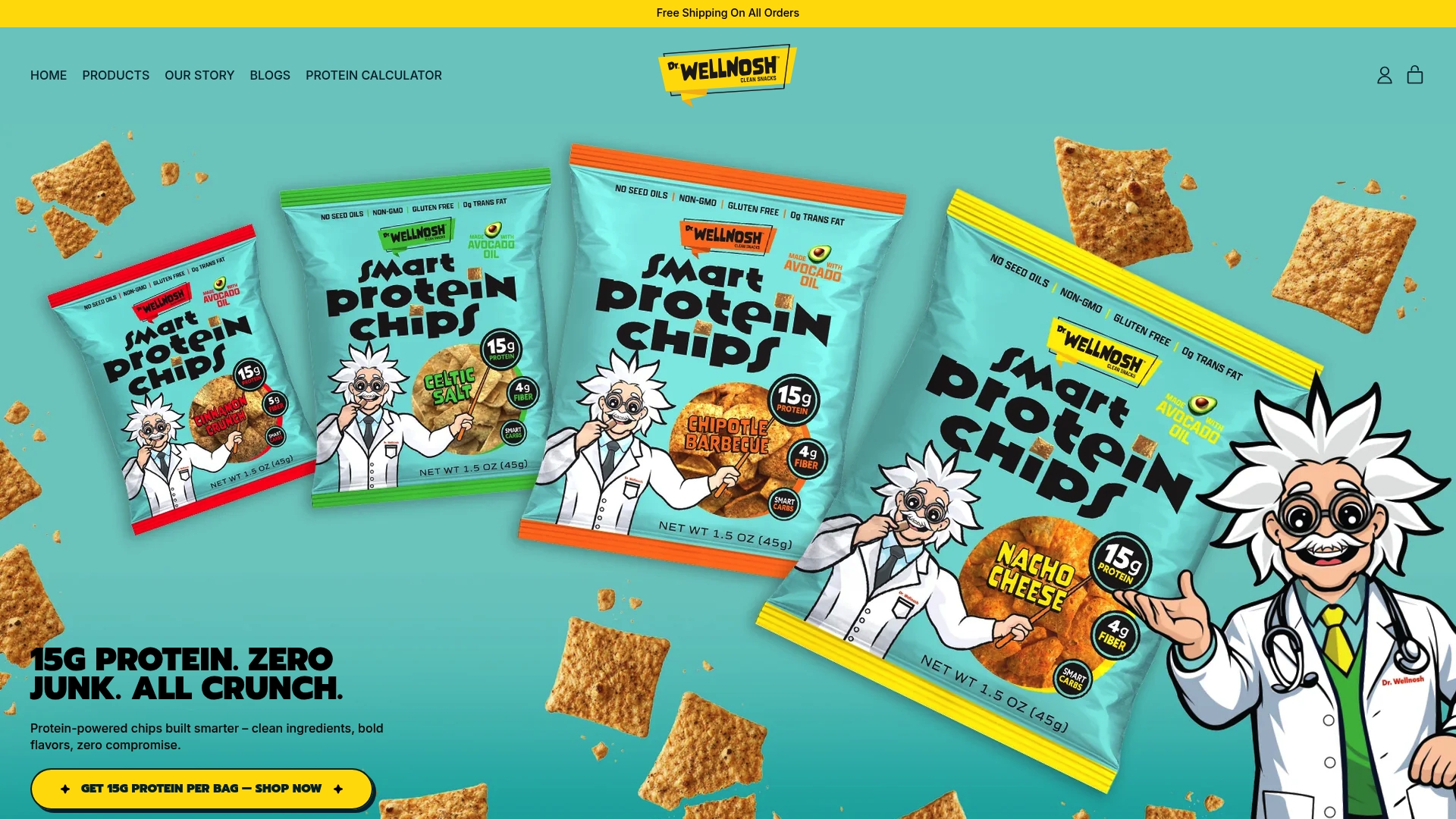
The Chipotle Barbecue chips hit the lower end of the 10–25g tracking range in a single bag, making them one of the few chip-style snacks that actually belongs in a protein tracking plan. Wellnosh is also non-GMO, gluten free, and low carb, so it fits most dietary frameworks without adjustment. If you want a snack that logs cleanly and tastes like a real chip, the Variety Pack is the place to start.
FAQ
What is the ideal protein amount per snack for adults?
Adults should target 10–25g of protein per snack to slow digestion, stabilize blood sugar, and reduce hunger. Pairing that protein with 3–5g of fiber improves satiety further.
Which whole foods are the best protein snack examples?
Greek yogurt, cottage cheese, hard-boiled eggs, canned tuna, and roasted edamame are the top whole-food options. They provide fixed, predictable macros that make tracking fast and accurate.
How do I avoid errors when tracking protein snacks?
Use a kitchen scale or pre-portioned containers instead of visual estimates. Consistent portioning is the single most effective way to prevent macro errors in snack tracking.
Are plant-based protein snacks effective for tracking?
Yes. Roasted edamame, chickpeas, and fava bean-based products like Wellnosh chips provide meaningful protein with fiber. They track as cleanly as animal-based options when portions are fixed.
What makes a snack “protein-adjacent” rather than truly high-protein?
A protein-adjacent snack uses protein marketing language but delivers fewer than 7–10g per serving while carrying high sugar, sodium, or filler content. Always read the nutrition panel, not the front label.


