

· By Dr. Wellnosh
Low Carb Sweet Snacks: 8 Easy DIY Recipes and Quick Store Buys
You can satisfy a sweet tooth on a low-carb plan by pairing protein and fiber-rich ready-to-eat snacks with a handful of 3 to 6 ingredient homemade recipes. The trick is watching net carbs, not total carbs, and leaning on low-impact sweeteners like allulose or monk fruit instead of sugar. A snack like Wellnosh’s protein chips, or a quick chia pudding, can close the gap between “I want something sweet” and “I stayed on track” in under five minutes.
TL;DR:
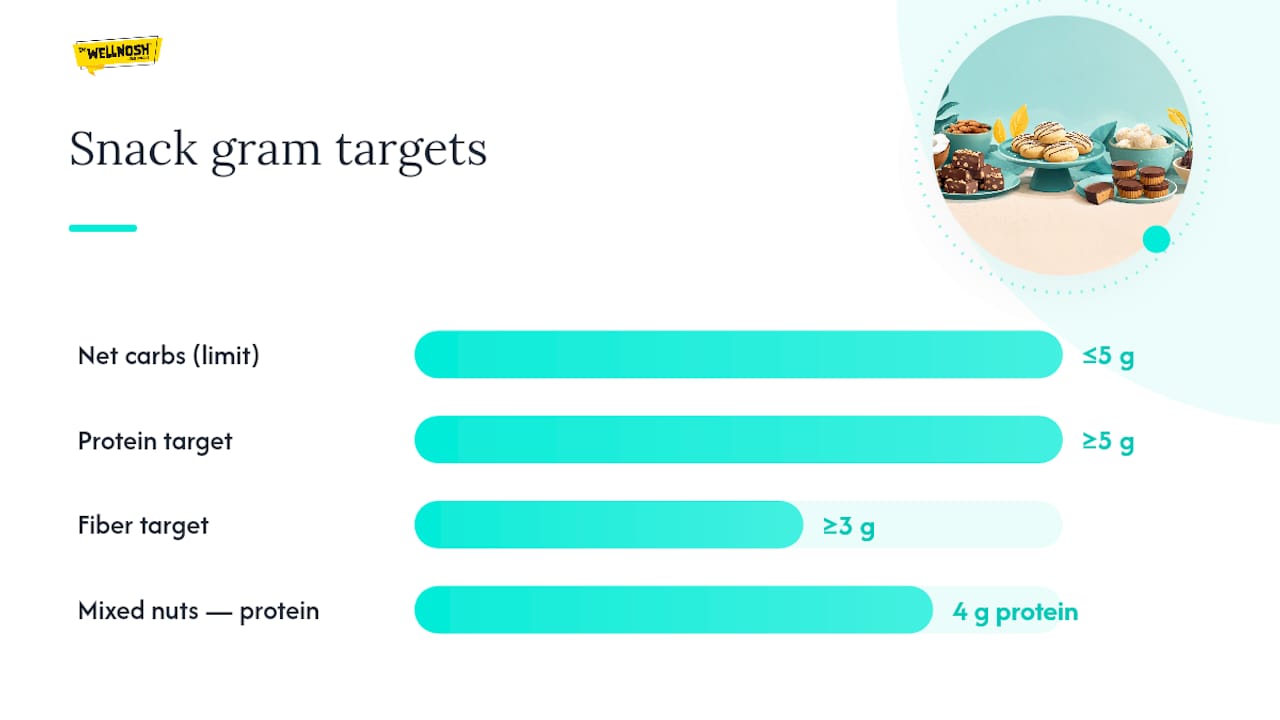
- Most low-carb snacks should contain under 5 grams of net carbs per serving, with at least 3 grams of fiber or 5 grams of protein to boost fullness.
- Read labels carefully, focusing on serving size, total carbs, fiber, and sugar alcohols or allulose to accurately calculate net carbs and avoid hidden sugars.
- Homemade low-carb desserts like fat bombs and chia jam take less than five minutes to prepare and help satisfy cravings more effectively than store-bought options.
- Swapping wheat flour for almond or coconut flour, sugar for allulose or erythritol, and dairy milk for unsweetened alternatives can dramatically reduce recipe carbs while maintaining taste.
- Pair high-protein plant-based snacks with berries or small amounts of dark chocolate to stabilize blood sugar and curb sweet cravings longer.
Table of Contents
- Best Ready-to-Eat Low Carb Sweet Snacks You Can Buy Today
- Easy Homemade Low Carb Dessert Recipes You Can Make Tonight
- How to Read Labels and Calculate Net Carbs the Right Way
- Quick Swaps and Pantry Hacks for Turning Sweets Low-Carb
- Why Protein-Rich Plant Snacks Help Curb Sweet Cravings
- Nutritional Considerations and Portion Control
- Adapting Your Favorite Dessert Recipes to Be Low-Carb
- Managing Sweet Cravings Long-Term on a Low-Carb Lifestyle
- A Nutritionist-Minded Take on Low-Carb Sweet Snacking
- Try Wellnosh as Your Everyday Low-Carb Sweet Snack Fix
- Where This Information Comes From
- Sources
Best Ready-to-Eat Low Carb Sweet Snacks You Can Buy Today
Not every packaged snack labeled “keto” or “low carb” earns that claim once you flip it over and read the panel. Some genuinely deliver; others just repackage sugar alcohols and call it a day. Here’s what actually works, and why.
Portioned nut packs (almonds, walnuts, pistachios) bring healthy fats and a slight sweetness that satisfies without spiking blood sugar. Single-serve nut butter cups work as a grab-and-go option when you need something creamy fast. High-protein crisps, like Wellnosh’s fava bean chips, aren’t traditionally “sweet,” but pairing a savory, protein-dense snack with a small piece of fruit rounds out a craving better than reaching for candy alone. Low-carb cookies or bites made with almond flour and erythritol scratch the cookie itch at a fraction of the carb cost of the real thing.
Whole-food combinations of protein and healthy fats, like nuts paired with a few berries, help stabilize blood sugar and stretch out satiety far better than a processed sugar hit, according to the Cleveland Clinic. That’s the whole game with low carb sweet snacks: you’re not just avoiding sugar, you’re actively choosing something that keeps you fuller longer.
Pro Tip: Scan the nutrition label in this order: serving size first, then total carbs, then fiber, then sugar alcohols or allulose. If the serving size looks tiny compared to what you’d actually eat, do the math before you commit.
Quick thresholds worth memorizing:
- Net carbs under 5 grams per serving for a “safe” everyday sweet snack
- At least 3 grams of fiber or 5 grams of protein per serving to slow digestion
- Sugar alcohols listed separately from “added sugars” (a red flag if they’re not)
- Serving sizes that match a realistic portion, not a token bite
A useful data point here: a typical serving of mixed nuts and dried fruit provides about 4 grams of protein and 3 grams of fiber, which is roughly the floor you want to hit with any packaged sweet snack. Below that, you’re mostly eating flavor with no functional payoff.
For pairing ideas that stretch a snack further: try a square of dark chocolate with a spoonful of almond butter, or a handful of Wellnosh chips alongside a few raspberries for a sweet-and-savory plate that hits both protein and fiber targets. If you want a deeper breakdown of what to grab at the store, this guide to choosing low carb snacks at checkout walks through label traps most shoppers miss.
Easy Homemade Low Carb Dessert Recipes You Can Make Tonight
Store-bought snacks solve the “I’m out the door” problem. Homemade recipes solve the “I want something specific right now” problem, and most of these take less time than driving to a store.
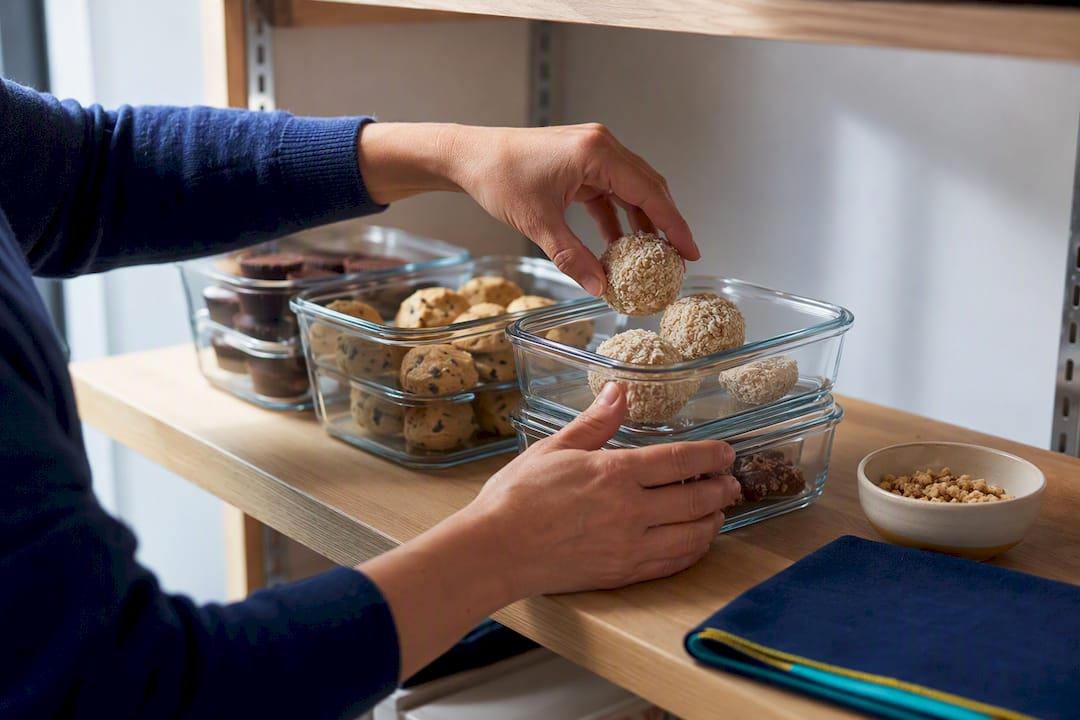
- Peanut butter fat bombs. Mix natural peanut butter, softened cream cheese, and a low-carb sweetener like allulose, then freeze in small balls. Net carbs run about 1 to 2 grams per piece. Best for portable, grab-and-freeze cravings. Swap peanut butter for almond butter if you want a milder flavor.
- Chia seed jam. Simmer frozen berries with chia seeds and a splash of monk fruit sweetener until it thickens. Roughly 3 to 4 grams net carbs per two-tablespoon serving. Great spread over Greek yogurt or a low-carb cracker. This is one of the quick 3 to 4 ingredient recipes that shows up across keto recipe roundups for good reason: it takes ten minutes and stores in the fridge for a week.
- Microwave mug cake. Almond flour, an egg, cocoa powder, baking powder, and a sweetener of choice, microwaved for 90 seconds. About 4 to 6 grams net carbs depending on the sweetener used. Best for an urgent, single-serving dessert fix.
- Dark chocolate nut clusters. Melt sugar-free dark chocolate, stir in chopped pecans or almonds, and chill until firm. Around 2 to 3 grams net carbs per cluster. Good for batch-prepping a week’s worth of sweet snacks at once.
- Five-minute chocolate mousse. Whip heavy cream with cocoa powder and a sweetener until fluffy. Roughly 3 grams net carbs per half cup. This is the fastest option on the list, done from fridge to bowl in under five minutes.
- Frozen yogurt bark. Spread full-fat Greek yogurt on a tray, sprinkle with crushed berries and a drizzle of sugar-free chocolate, then freeze and break into pieces. About 4 grams net carbs per piece. Best kept frozen and broken off in small portions to avoid overeating.
- Cinnamon almond flour cookies. Almond flour, a beaten egg, cinnamon, and erythritol, baked at 350°F for 10 minutes. Roughly 2 grams net carbs per cookie. A solid dessert substitute for anyone missing a classic cookie texture.
- No-bake coconut bites. Unsweetened shredded coconut, melted coconut oil, and a sweetener, rolled into balls and chilled. About 1 to 2 grams net carbs per bite. Best for a quick fat-and-fiber combo that curbs a craving fast.
Pro Tip: Keep a batch of fat bombs or coconut bites in the freezer at all times. The recipes that actually stop a 9 p.m. sugar craving are the ones already made, not the ones you’d have to start from scratch.
Three of these, the mug cake, the mousse, and the coconut bites, take under five minutes start to finish, which matters more than any nutrition stat when a craving hits hard.
How to Read Labels and Calculate Net Carbs the Right Way
Net carbs is simple math once you know the formula: total carbohydrates minus fiber minus allulose (when it’s broken out separately on the label). Erythritol gets subtracted too, since it’s largely not absorbed by the body, though a small percentage of people notice mild digestive effects at higher doses.
Not all sweeteners behave the same way, and the differences matter more than most labels let on:
- Allulose tastes and bakes almost exactly like sugar, with minimal effect on blood sugar. Many low-carb recipe writers subtract it from net carb totals, though it’s worth checking current U.S. labeling guidance directly since practices have shifted.
- Erythritol is the most common keto baking sweetener, but it can cause a cooling aftertaste in larger amounts.
- Monk fruit has zero glycemic impact and no aftertaste for most people, but it’s often blended with other sweeteners, so check the full ingredient list.
- Stevia is potent and calorie-free, but its bitter aftertaste in some products turns people off dessert applications entirely.
Common guidance across keto recipe resources treats these four as the go-to low-glycemic substitutes, though taste and baking performance vary enough that most people end up with a favorite after some trial and error. For flavor-forward options in drinks, a natural sweetener guide for tea breaks down how each one performs beyond baking.
Run every package through this four-point check: serving size, total carbs, fiber grams, and how sugar alcohols or allulose are listed. If a “low-carb” bar hides 8 grams of maltitol with no net carb breakdown, that’s not a snack you can trust at face value. For a deeper look at how brands disguise carbs on labels, see this breakdown of hidden carbs in snacks.
Quick Swaps and Pantry Hacks for Turning Sweets Low-Carb
You don’t need a new recipe book to cut carbs out of desserts you already love. A few swaps handle most of the work:
- Sugar to allulose or erythritol, a 1:1 swap in most recipes with minimal taste difference.
- All-purpose flour to almond or coconut flour, cutting net carbs dramatically, though you’ll need slightly more liquid since almond flour absorbs differently.
- Regular milk to unsweetened almond or macadamia milk, saving 10 to 12 grams of carbs per cup.
- Store-bought jam to homemade chia jam, dropping from 13 grams of carbs per tablespoon to around 2.
- Chocolate chips to sugar-free dark chocolate chunks, which also happen to taste richer once you adjust to less sweetness.
Try applying two swaps at once: a mug cake made with almond flour and allulose instead of flour and sugar cuts the net carbs by more than half compared to a standard recipe. Pair any of these hacks with a spoonful of Greek yogurt or a few almonds to add protein and fiber, which slows digestion and makes the treat more satisfying per bite. For more swap ideas built around protein-forward snacking, this guide on replacing sugary snacks covers the routine side of making swaps stick.
Why Protein-Rich Plant Snacks Help Curb Sweet Cravings
Certain high-protein plant-based chips pack a substantial amount of fava bean protein per bag, cooked in avocado oil with no added sugar and no seed oils, which makes them a practical anchor for the protein-first approach outlined above. High-protein snacks help stabilize blood sugar and reduce hunger, according to the Cleveland Clinic, which is exactly the mechanism that keeps a sweet craving from spiraling into a second and third snack.
- Pair a handful of Nacho Cheese or Chipotle Barbecue chips with a small square of dark chocolate for contrast.
- Use Celtic Salt chips alongside berries for a sweet-salty combination that satisfies faster than sugar alone.
- Keep a Variety Pack on hand for whichever craving hits, sweet, savory, or somewhere between.
For more on how protein keeps cravings in check longer, read what keeps you full all day.
Nutritional Considerations and Portion Control
Low-carb doesn’t automatically mean low-calorie, and that trips up a lot of people who assume any keto-labeled treat is a free pass. Nut-based fat bombs and chocolate clusters are calorie-dense: a single peanut butter fat bomb can run 90 to 120 calories despite its tiny size, mostly from fat.
The fix isn’t avoiding these snacks. It’s respecting the portion the recipe was built around. Pre-portioning fat bombs, cookies, and chocolate clusters into single servings right after making them removes the guesswork, since eating “a couple” of a batch that was never divided is how a 100-calorie treat turns into 400.
A practical target for any sweet snack, homemade or store-bought, is landing somewhere around 10 to 15 grams of protein and 3 to 6 grams of fiber per serving, similar to a pairing like half a cup of Greek yogurt with a tablespoon of almond butter and a few raspberries, per guidance referenced by the Cleveland Clinic. Hitting that combination tends to naturally cap how much you eat, since the fat and protein blunt appetite faster than sugar or starch alone ever could. Watch total daily calories the same way you’d watch total daily carbs, especially if fat bombs and nut-based treats are a daily habit rather than an occasional fix.
Adapting Your Favorite Dessert Recipes to Be Low-Carb
Most classic desserts convert with three changes: swap the flour, swap the sweetener, and cut the baking time slightly since low-carb flours brown faster than wheat flour. Almond flour works well in cookies and mug cakes; coconut flour absorbs more liquid, so recipes usually need an extra egg or a splash more milk to avoid a dry, crumbly result.
Cheesecake converts almost perfectly to low-carb since the base ingredients (cream cheese, eggs, vanilla) are already low in carbs. The only real change is swapping the graham cracker crust for a crushed almond and butter crust, and the sugar for erythritol or allulose.
Brownies are trickier. Cocoa powder is naturally low-carb, but the texture depends on sugar’s moisture-retaining properties, which erythritol doesn’t replicate perfectly. A blend of allulose and a small amount of erythritol tends to get closest to a fudgy texture without the dryness straight erythritol can cause.
Ice cream is the easiest win: full-fat cream, a low-carb sweetener, and vanilla churned in an ice cream maker produces a dessert nearly indistinguishable from the sugar-loaded version, since fat, not sugar, is what gives ice cream its texture. Start with recipes you already know well before experimenting with something new. Adapting a favorite is far more sustainable than hunting for a whole new low-carb dessert repertoire from scratch.
Managing Sweet Cravings Long-Term on a Low-Carb Lifestyle
Cravings usually spike hardest in the first two weeks of cutting sugar, as your palate recalibrates to less sweetness overall. That adjustment period is temporary, and pushing through it with the right tools matters more than white-knuckling it.
Keep a small rotation of go-to options ready rather than deciding what to eat in the moment; decision fatigue is what sends most people toward whatever’s fastest, which is rarely the low-carb choice. A stocked freezer with fat bombs, a stocked pantry with sugar-free dark chocolate, and a stocked fridge with chia jam covers most cravings without a single decision needed.
Nutritionists commonly advise focusing on the quality of what you eat rather than obsessively counting every gram, prioritizing whole-food ingredients higher in fiber and protein, a point echoed by Mackenzie Burgess, RDN. That mindset shift, from restriction to quality, tends to make low-carb sweet snacking sustainable instead of something you white-knuckle through for a month and abandon.
Give yourself permission to have a planned treat rather than fighting every craving into submission. A single square of dark chocolate enjoyed slowly satisfies more than a rushed handful eaten out of guilt.
A Nutritionist-Minded Take on Low-Carb Sweet Snacking
The biggest mistake in low-carb sweet snacking isn’t reaching for a treat. It’s reaching for the wrong kind of empty win, a “sugar-free” cookie that’s really just erythritol and refined almond flour with nothing else going for it. The snacks and recipes that actually work long-term are the ones built around protein and fiber first, sweetness second. That’s not a compromise; it’s the entire mechanism that makes a low-carb treat satisfying instead of a stopgap that leaves you back in the pantry twenty minutes later. Minimally processed sweeteners like allulose and monk fruit deserve more credit than they get, and a protein-forward snack in the pantry solves more cravings than any recipe ever will.
— Dr. Wellnosh
Try Wellnosh as Your Everyday Low-Carb Sweet Snack Fix
Most low-carb sweet snack solutions ask you to choose between convenience and nutrition, a candy bar swap that’s fast but empty, or a recipe that’s clean but takes prep time you don’t have. Wellnosh skips that trade-off: 15 grams of fava bean protein per bag, cooked in avocado oil, no added sugar, no seed oils, ready in the time it takes to open the bag.
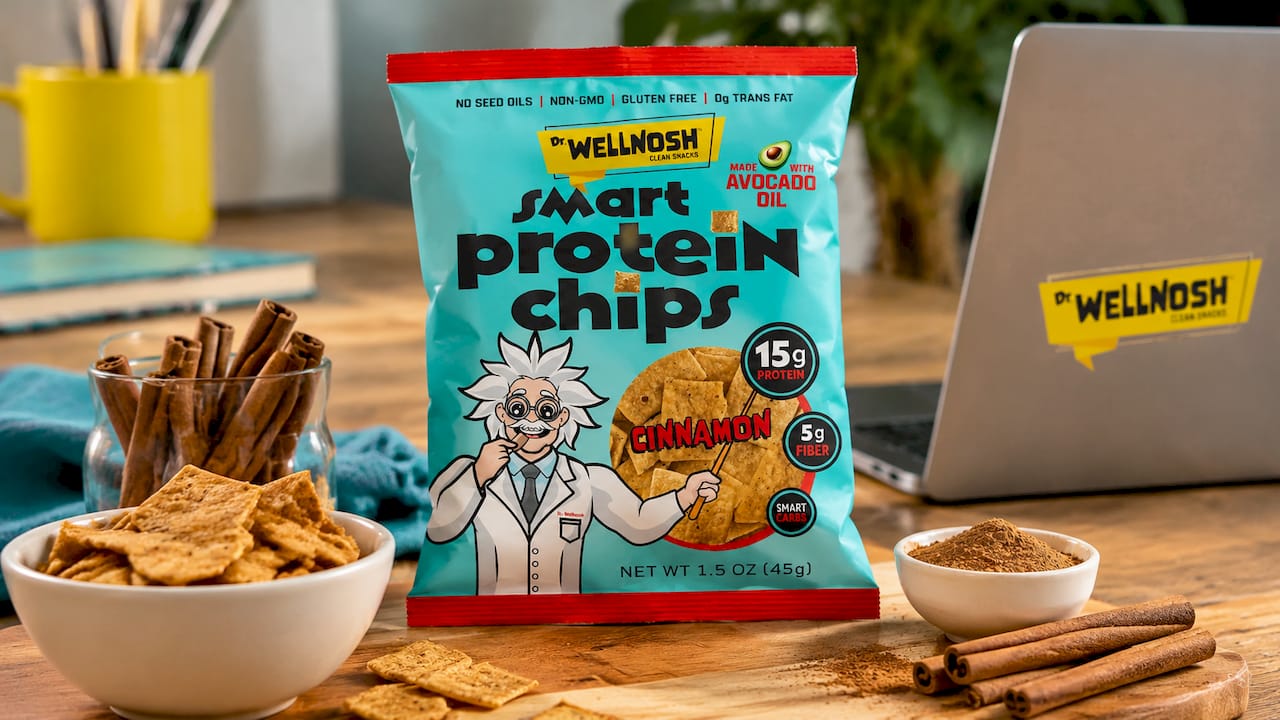
Try crumbling a handful of savory plant-based chips over unsweetened Greek yogurt with a few berries for a combination that hits sweet, salty, and protein-dense all at once. If you’re craving something warmer and more dessert-like, the Cinnamon flavor is a natural fit for that role, though it’s currently listed as out of stock on the product page. Check availability there or explore the full lineup at Wellnosh to find a flavor that fits your next craving.
Where This Information Comes From
The Cleveland Clinic provided the clinical grounding on protein and fiber’s role in blood sugar stability and satiety. Oprah Daily supplied practical snack category examples and nutritionist commentary on prioritizing whole foods. Kleinworth & Co. offered recipe structure and ingredient ratios for quick, low-carb dessert formats.
Sources
- Snacks for people with type 2 diabetes | Cleveland Clinic Health Essentials
- 25 Low Carb Sweet Snacks to Satisfy Your Biggest Cravings | Oprah Daily
- 16 Keto Low-Carb Dessert Recipes & Sweet Treats | Kleinworth & Co.


