

· By Dr. Wellnosh
Snacks That Won't Spike Insulin: Your Practical Guide
Choose snacks that combine protein, fiber, and healthy fats in modest portions — that single rule covers most of what you need to know. Your quickest grab-and-go options:
- A small handful of nuts (about 1.5 oz)
- One hard-boiled egg
- Plain Greek yogurt with a few berries
- A tuna or salmon packet
- Vegetables with hummus (about 1/3 cup)
- A slice of cheese with cucumber
If you take insulin or glucose-lowering medication, timing matters as much as food choice. Plan a snack when meals are more than four hours apart, and always follow your care provider’s guidance on adjusting for meds.
Table of Contents
- What makes a snack blood-sugar-friendly?
- 12 snacks that tend not to raise blood sugar
- Packaged snacks that commonly cause insulin spikes
- When to snack and how much to eat
- What clinicians actually recommend for pairing macronutrients
- How hydration affects blood sugar during snacking
- Key Takeaways
- The part most snack guides get wrong
- A ready-made snack built around these rules
- Authoritative sources and further reading
What makes a snack blood-sugar-friendly?
Protein, fiber, and healthy fat work together to slow digestion, which flattens the glucose curve after eating. No single macronutrient does this alone. Fat slows gastric emptying; fiber, as CDC guidance confirms, slows carbohydrate absorption and reduces post-meal glucose spikes; protein triggers a modest insulin response without the sharp rise that refined carbs cause.
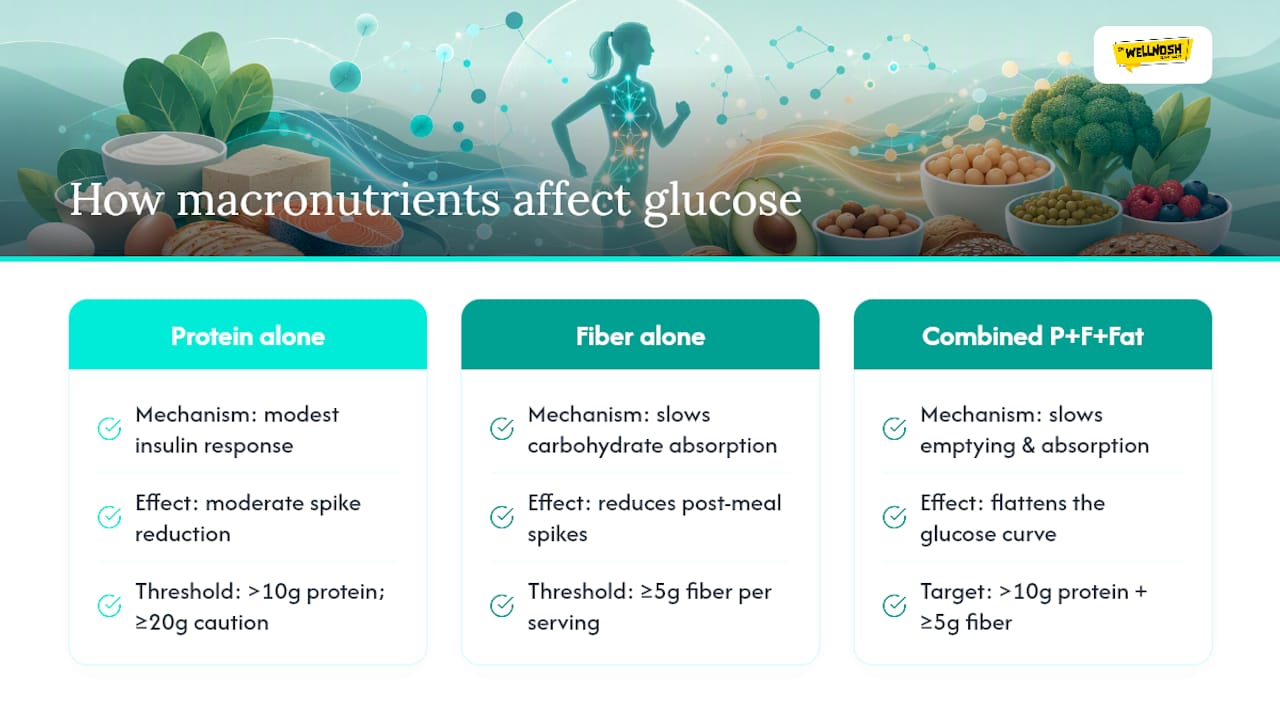
Registered dietitians define a high-protein snack as one with more than 10 g of protein and a high-fiber snack as one with at least 5 g of fiber per serving. Hitting both thresholds in one snack is the target. One endocrinologist perspective worth keeping in mind: “All foods raise blood sugar to some degree; the goal is to minimize the magnitude and speed of the rise.” Glucose variability, not zero carbs, is the real management aim.
One caution: large protein portions (20 g or more from protein alone) can still raise glucose in some people, according to UW Health practitioners. The macronutrient combination matters more than any single number.
Understanding the insulin response to snacks helps you apply these rules to any food, not just the ones on this list.
12 snacks that tend not to raise blood sugar
The selection rule is simple: pick foods that naturally deliver at least two of the three macronutrients (protein, fiber, fat) and keep portions consistent. WebMD’s snack guidance and dietitian recommendations back every item below.
| Snack | Portion | Approx. Protein | Why it works |
|---|---|---|---|
| Mixed nuts | 1.5 oz | Fat + protein + fiber slow absorption | |
| Hard-boiled egg | 1 large | ~6 g | Pure protein, near-zero carbs |
| Plain Greek yogurt | 1 serving (plain cup) | 15–20 g | High protein, low sugar when plain |
| Canned tuna | 3 oz can | ~21 g | Protein-dense, no carbs |
| Hummus + raw veggies | 1/3 cup hummus | — | Fiber from veggies blunts any carb load |
| Avocado (half) | 1.5 oz | ~2 g | Mostly fat and fiber, minimal carbs |
| Edamame | 1/2 cup shelled | — | Protein + fiber combo |
| Cottage cheese | 1/2 cup | — | High protein, low glycemic |
| Air-popped popcorn | 3 cups | — | Whole grain, modest carbs; pair with protein |
| Canned salmon packet | 3 oz | — | Omega-3 fat + protein |
| Nut butter + apple slices | moderate serving | — | Fat blunts fruit sugar spike |
| Legume-based protein chips | Per-bag serving | 15 g | High protein, low carb, convenient |
A few practical packing notes: pre-portion nuts into small zip bags so you don’t drift past 1.5 oz. Keep tuna and salmon packets in your bag or desk drawer. For air-popped popcorn, pair it with a cheese stick or a boiled egg — the popcorn alone sits at the higher end of the glycemic range for this list.
Packaged snacks that commonly cause insulin spikes
Avoid refined-flour snacks, added-sugar bars, many flavored yogurts, and sugar-laden beverages if minimizing insulin spikes is the goal. The FreeStyle Libre nutrition team notes that “sugar-free” labeling does not guarantee low glycemic impact — sugar alcohols and other sweeteners can still affect glucose, and some cause a meaningful rise in sensitive individuals.
Ingredient patterns to watch for: added sugars listed under any of their 60-plus names (dextrose, cane syrup, fruit juice concentrate), refined flours (enriched wheat flour, white rice flour), maltodextrin, and seed oils paired with heavy starch bases. These ingredients signal a heavily processed product that will likely spike blood sugar fast.
Practical shortcuts when shopping: favor single-ingredient foods or products with short, readable ingredient lists. Check that fiber and protein are actually present in meaningful amounts, not just listed as trace grams. Swap sugary drinks for water, sparkling water, or unsweetened tea — beverages are where hidden sugar hides most effectively. For a deeper look at what lurks in packaged snacks, the Wellnosh guide on hidden carbs in snacks is worth a read.
When to snack and how much to eat
Plan a snack when the gap between meals runs longer than about four hours, or when you need to prevent a medication-related glucose low. Snacking purely out of habit, without a real gap or physiological need, can add unnecessary carb load across the day.
Practical portion anchors: keep nuts to 1.5 oz, hummus to 1/3 cup, and Greek yogurt to a single-serving plain cup. These amounts come from WebMD’s blood sugar snack guidance and reflect what tends to keep glucose stable without overshooting. If you notice a spike after a snack you expected to be safe, reduce the portion first before eliminating the food entirely — your own glucose monitor is the most reliable feedback tool you have.
Medication caveat: if you use insulin or sulfonylureas, your snack needs may differ significantly from general guidance. Always carry a fast-acting carbohydrate (glucose tablets, juice) if you’re at risk of hypoglycemia, and confirm snack timing with your diabetes care provider.
What clinicians actually recommend for pairing macronutrients
Combining protein, fiber, and fat in a single snack consistently outperforms eating any one of them alone. The reason is additive: each macronutrient slows a different part of the digestion and absorption process, and their effects stack. Healthline’s diabetes snack review reinforces this, recommending that fruit and whole-grain snacks always be paired with protein or fat to reduce glycemic impact.
“Consistent balancing of protein, fiber, and healthy fats is more effective than focusing on any single food item. The goal is to minimize glucose variability, not to eliminate carbohydrates entirely.” — Prevention, dietitian panel
Four ready combos that work in practice:
- Plain Greek yogurt + 1/4 cup berries + 1 tsp chia seeds
- Apple slices + 1 tbsp almond butter
- Cottage cheese + cucumber slices + a pinch of everything bagel seasoning
- Celery sticks + 2 tbsp hummus + a hard-boiled egg on the side
Pro Tip: Pre-boil a batch of six eggs on Sunday, portion hummus into 1/3-cup containers, and bag nuts into 1.5-oz servings. Three minutes of prep gives you a week of grab-and-go snacks that require zero decisions at 3 PM.
How hydration affects blood sugar during snacking
Dehydration concentrates glucose in the bloodstream, which can push readings higher even when you haven’t eaten anything unusual. Drinking enough water throughout the day helps your kidneys flush excess glucose and keeps blood concentration stable. The effect is subtle but real — a well-hydrated person will often see lower fasting glucose than the same person mildly dehydrated.

During snacking specifically, drinking water before or alongside a snack can slow eating pace and reduce the total amount consumed, which indirectly supports portion control. Avoid pairing snacks with juice, sweetened coffee drinks, or sports beverages — those liquids carry their own glucose load and can turn a blood-sugar-friendly snack into a spike. Sparkling water, plain water, or unsweetened herbal tea are the defaults that won’t interfere.
Key Takeaways
Snacks that combine protein, fiber, and healthy fat in controlled portions are the most reliable way to keep blood sugar steady between meals.
| Point | Details |
|---|---|
| Use the macronutrient triad | Combine protein (at least 10 g), fiber (at least 5 g), and healthy fat in every snack to blunt glucose spikes. |
| Control portions consistently | Stick to 1.5 oz for nuts, 1/3 cup for hummus, and one plain Greek yogurt cup per snack. |
| Read labels before buying | Check serving size, total carbs, fiber, and protein first; scan ingredients for added sugars and refined starches. |
| Time snacks to meal gaps | Plan a snack when meals are more than four hours apart; follow your provider’s guidance if you use insulin or glucose-lowering meds. |
| Wellnosh as a ready option | Wellnosh chips deliver 15 g of fava bean protein per bag, cooked in avocado oil, with no added sugar — a packaged snack built around the macronutrient rules in this guide. |
The part most snack guides get wrong
Most blood sugar snack advice focuses entirely on what to eat and ignores the two variables that matter just as much: how much and when. You can eat every food on the “safe” list and still see spikes if your portions drift or you snack at random intervals without accounting for your medication schedule.
The other thing worth saying plainly: “healthy” on a package label means almost nothing for blood sugar management. A granola bar with oats, honey, and dried fruit can spike glucose faster than a small handful of chips cooked in avocado oil with 15 g of protein. The macronutrient profile is what matters, not the marketing claim on the front of the bag.
Real-world constraints — time, budget, taste fatigue — are legitimate. Perfection isn’t the goal. A snack that’s 80% optimal and actually gets eaten beats a perfect snack you skip because it’s inconvenient. Build a short rotation of four or five options you genuinely like, prep them in batches, and you’ll make better choices automatically without having to think hard at 3 PM.
A ready-made snack built around these rules
When meal prep isn’t happening and you need something crunchy that actually fits the macronutrient framework, Wellnosh protein chips are worth keeping on hand. Each bag delivers 15 g of fava bean protein, is cooked in avocado oil (no seed oils), contains no added sugar, and is non-GMO and gluten free — which means it checks the label criteria this guide lays out.
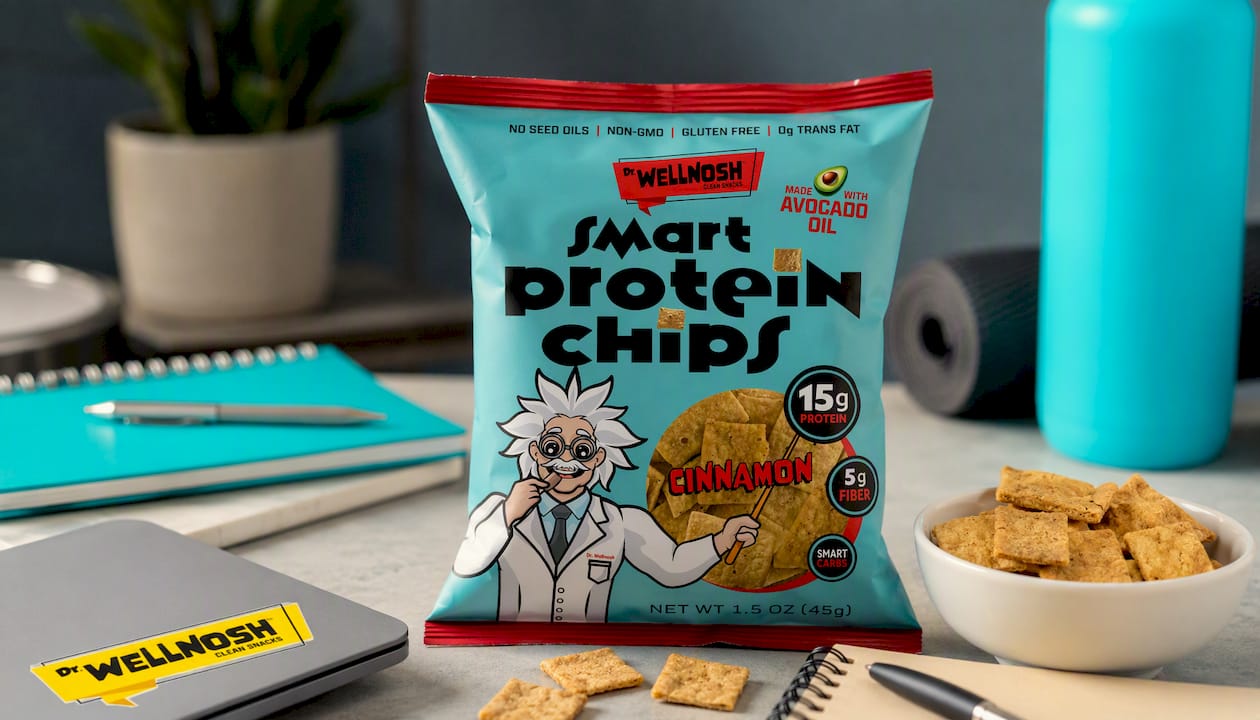
Pair a bag with a few cucumber slices or a small serving of plain Greek yogurt for the fiber component the chips don’t supply on their own. Available in Nacho Cheese, Celtic Salt, Chipotle Barbecue, Cinnamon, and a Variety Pack, with one-time purchase or Subscribe & Save options. For readers comparing high-protein chip options, Wellnosh’s fava bean base puts it in a different category from corn- or potato-based snacks.
Pro Tip: Pre-portion chips into a small container rather than eating from the bag — it takes 10 seconds and removes the guesswork on serving size.
Authoritative sources and further reading
These are the sources referenced throughout this article, each worth bookmarking for ongoing guidance.
- Experts Reveal the Best Snacks to Help Keep Blood Sugar Stable
- 8 Simple Snacks That Won’t Spike Your Blood Sugar
- Fiber helps diabetes | CDC
- 7 Healthy Snacks for Diabetes | FreeStyle Libre US
- How to understand and use the Nutrition Facts label | FDA
- The 20 Best Snack Ideas If You Have Diabetes | Healthline
- Healthy snack ideas for diabetes patients | UW Health
This article is general nutrition information, not medical advice. Confirm snack choices and medication adjustments with your diabetes care provider or a registered dietitian.


