

· By Dr. Wellnosh
18 Low Calorie High Protein Snacks That Deliver 10–30g Under 300 Calories
Lean single-ingredient proteins like canned tuna, hard-boiled eggs, and edamame, plus measured single-serve items like Greek yogurt, protein puffs, and Wellnosh chips give you the highest protein-to-calorie payoff of any snack category. A single serving typically delivers anywhere from 7 to 25 grams of protein for well under 200 calories. The rest comes down to picking the right combo and portion for the moment. Below are specific options, protein and calorie numbers, and quick pairing tips you can use today.
TL;DR:
- Choosing whole-food options like edamame, Greek yogurt, and canned fish provides a high protein-to-calorie ratio for better satiety.
- Packaged snacks such as beef jerky, protein puffs, and Wellnosh chips offer convenient, portable sources with comparable protein content, but label scrutiny is necessary.
- Limiting added sugars and checking ingredient lists are crucial for ensuring snacks deliver steady energy without unnecessary fillers.
- The ideal protein target varies from 10 grams for mid-afternoon energy to 30 grams for post-workout recovery, depending on your goals.
- Emphasizing recognizable, minimally processed ingredients ensures better digestion and consistent energy release from your snacks.
Table of Contents
- 18 Low Calorie High Protein Snacks Worth Keeping On Hand
- Savory, Sweet, or Plant-Based: How to Pick Your Category
- How Much Protein Should Your Snack Actually Have?
- What Actually Separates a Good Protein Snack From a Marketing Label
- Making High-Protein Snacking an Actual Habit
- A Clean-Label Snack Built Around One Recognizable Protein Source
- Where These Protein and Calorie Numbers Come From
- Sources
18 Low Calorie High Protein Snacks Worth Keeping On Hand
Some of these belong in your fridge, some in your desk drawer, and a couple in your gym bag. All of them earn their spot by protein grams per calorie, not just protein grams.
Whole-food options:
- Edamame (1 cup, shelled): About 18 grams of protein and roughly 190 calories. One cup of shelled edamame provides close to that same figure, which makes it one of the best plant-based options on this list. Eat it warm with a pinch of sea salt.
- Greek yogurt (3/4 cup, plain nonfat): Provides a high amount of protein for moderate calories. Top with cinnamon instead of granola to keep the sugar down.
- Cottage cheese (1/2 cup, low fat): Roughly 12 to 14 grams of protein, 90 to 100 calories. Add black pepper and cherry tomatoes.
- Canned tuna (3 oz, packed in water): About 20 grams of protein, only 70 to 100 calories. Mix with a squeeze of lemon and eat it straight from the can with cucumber slices.
- Hard-boiled eggs (2 large): 12 to 13 grams of protein, about 140 calories. Batch-cook a dozen on Sunday and you have grab-and-go snacks through Thursday.
- Canned salmon (3 oz): About 17 grams of protein, 120 calories, plus omega-3 fats you don’t get from tuna.
- Low-fat string cheese (1 stick): 6 to 7 grams of protein for 50 to 60 calories. Pair with a small apple for a snack that actually holds you over.
- Deli turkey slices (3 oz) with bell pepper strips: About 15 grams of protein, under 100 calories total.
- Roasted chickpeas (1/2 cup): Around 6 grams of protein, 140 calories. A crunchy, savory stand-in for chips when you’re craving texture.
- Pumpkin seeds (1/4 cup, shelled): About 9 grams of protein, 180 calories. Higher in calories than most on this list, so stick to a measured portion.
Packaged and portable options:
- Single-serve beef or turkey jerky (1 oz): 9 to 12 grams of protein, 70 to 100 calories, depending on brand and sugar content.
- Protein puffs (1 bag or 100-calorie pack): Around 11 grams of protein for roughly 100 calories, though ingredient quality swings widely between brands, so check the label before you buy in bulk.
- Pre-portioned nut packs (1 oz): 5 to 7 grams of protein, 160 to 180 calories. Good for a slower-digesting snack, not ideal if you’re watching calories closely.
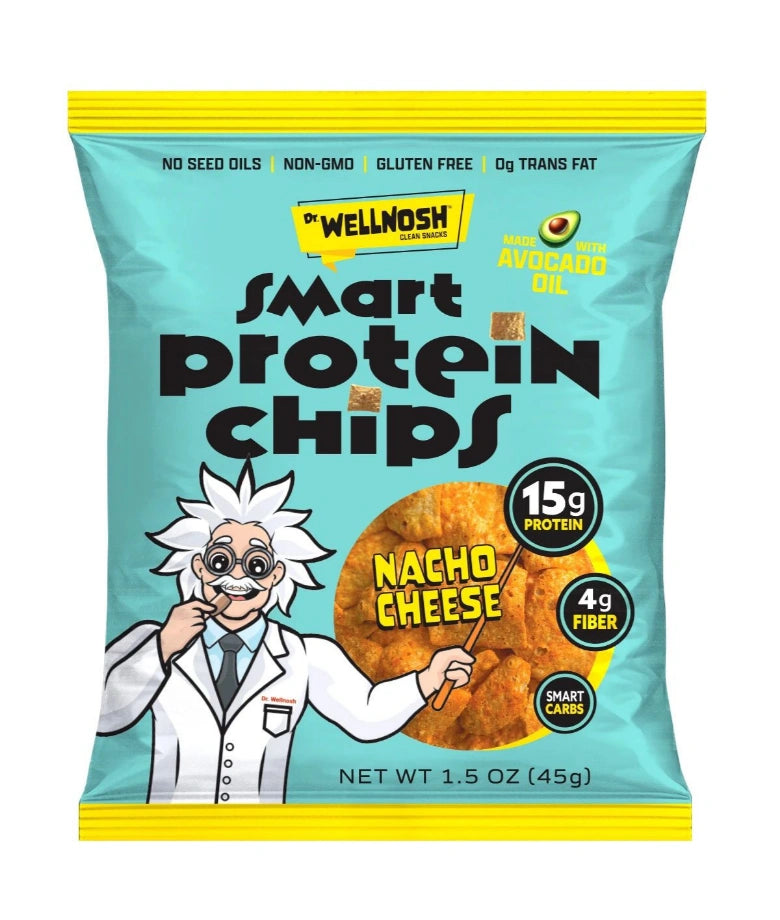
- Wellnosh plant-based protein chips (1 bag): 15 grams of plant protein per bag, cooked in avocado oil with no seed oils or added sugar. A savory, crunchy option that fills the same craving as a bag of chips without the ingredient list you’d rather avoid.
Pro Tip: Keep a running mental note of your protein-per-calorie ratio, not just your total protein. A snack with 8 grams of protein in 90 calories often does more for satiety than one with 15 grams packed into 300 calories.
High-protein snacks slow digestion and reduce overeating at the next meal, which is exactly why this list leans so heavily on whole foods. Fewer additives, more staying power.
Savory, Sweet, or Plant-Based: How to Pick Your Category
Savory snacks like jerky, roasted chickpeas, and protein chips tend to run higher in sodium, especially the packaged ones. That’s not automatically bad, but if you’re managing blood pressure, check the milligrams per serving rather than assuming “savory” means “healthy.”
Sweet snacks, meanwhile, are where added sugar sneaks in. A “protein” yogurt cup with fruit syrup can carry as much sugar as a candy bar while still marketing itself as clean. Read the label for grams of added sugar, not just total carbs.
Plant-based and dairy-free snackers have more options than they did even a few years ago. Edamame, roasted chickpeas, pumpkin seeds, and fava-bean-based chips all deliver solid protein without dairy or animal products. If you want more ideas built specifically for that lifestyle, dairy-free protein snack options cover a wider range of combinations.
Four quick label flags to check before buying any packaged snack:
- Grams of added sugar per serving (aim under 5 grams for a savory or sweet snack)
- Saturated fat content, especially in nut-based or cheese-based snacks
- Ingredient list length. Shorter usually means fewer fillers
- Protein per serving relative to total calories in the package
Pro Tip: Pair a small handful of nuts or seeds with a half-cup of dairy or soy yogurt. The fat slows digestion, the protein builds satiety, and you’re still under 250 calories combined.
How Much Protein Should Your Snack Actually Have?
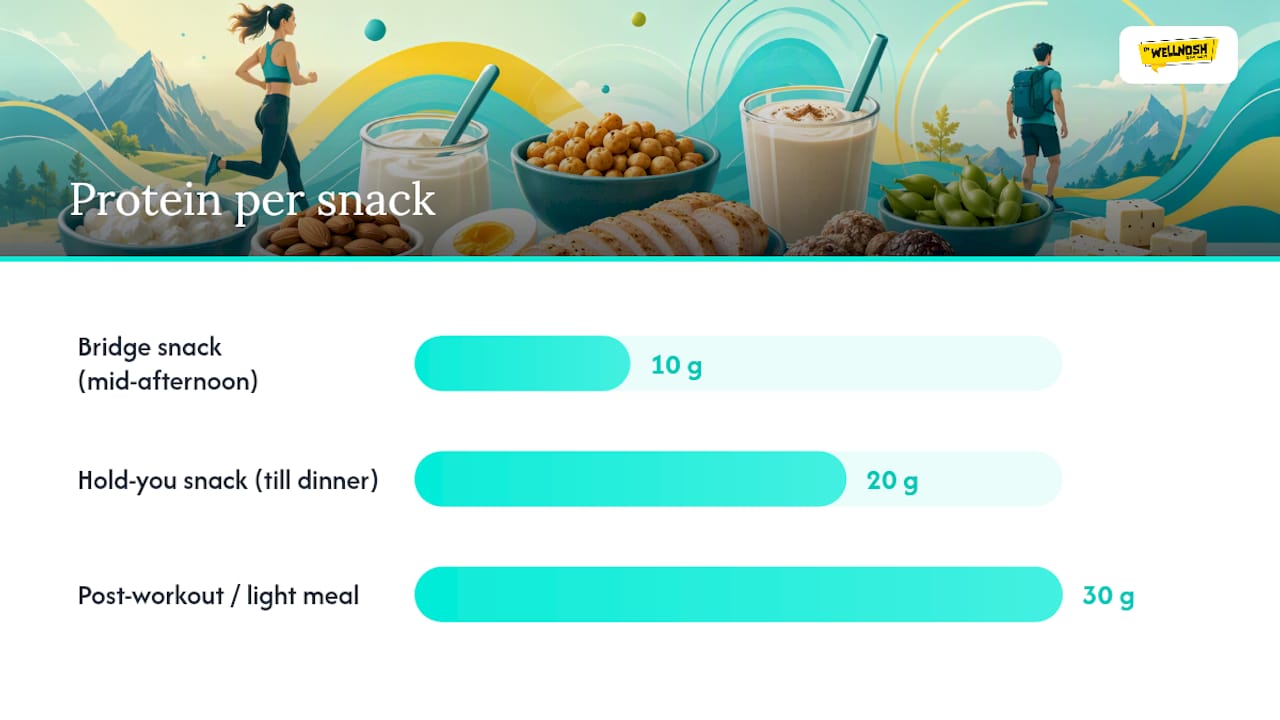
The right protein target depends on why you’re snacking, not just what’s in the fridge. Use these three benchmarks:
- 10 grams, for a between-meal bridge. One low-fat string cheese plus six almonds gets you there for around 110 to 120 calories total.
- 20 grams, for a snack that holds you until dinner. Three-quarters cup of Greek yogurt mixed with one tablespoon of peanut butter lands close to 20 grams of protein for roughly 200 calories.
- 30 grams, for post-workout recovery or a light-meal replacement. Three ounces of tuna plus a hard-boiled egg delivers around 30 grams of protein for about 180 calories, or swap the egg for cucumber slices if you want the crunch without the extra fat.
Practical combos like these can deliver 10 to 30 grams of protein in 150 to 300 calories depending on how you build them, which makes the math easier than counting macros from scratch every time.
Timing matters more than most people think. A 20 to 30 gram protein snack works best in the 30 to 60-minute window after resistance training, or whenever you know dinner is more than three hours away. Smaller 10 gram snacks are better suited to a mid-afternoon dip in energy, where you’re bridging, not fueling recovery. For more structured combos you can log against a daily target, protein tracking snack examples break down portions in more detail.
What Actually Separates a Good Protein Snack From a Marketing Label
Whole-ingredient protein sources tend to digest more predictably than heavily processed protein isolates, which matters if you’re snacking for steady energy rather than a quick spike. A snack built around a recognizable ingredient, fava beans, eggs, dairy, fish, gives your body something it can break down at a normal pace. A snack built around six kinds of protein isolate and a sugar alcohol blend can hit the same gram count on paper while behaving very differently in your stomach.
This is where the ingredient list matters as much as the nutrition panel. Wellnosh chips use fava bean protein as the primary source rather than stacking multiple isolates, landing at 15 grams of protein per bag. That’s a different approach than snacks that pad protein counts with isolates and fillers.
Three things worth checking on any package before you buy:
- Protein per serving, and whether that serving size is realistic for how much you’ll actually eat
- Added sugars, since some “high-protein” snacks carry more sugar than a dessert
- Whether you recognize most ingredients on the list without a nutrition degree
Snack quality isn’t just about hitting a protein number. It’s about whether that protein comes from a source your body processes well and whether the rest of the ingredient list supports or undermines that number.
Making High-Protein Snacking an Actual Habit
The snacks that work long-term aren’t the fanciest ones. They’re the ones already sitting in your fridge when hunger hits at 3 p.m. Batch-cook eggs on Sunday. Keep single-serve packs portioned instead of digging into a family-size bag. Stock a mix of savory and sweet so you’re not stuck eating the same thing every day and quietly starting to dread it.
Product design should follow that same logic: something you can actually keep stocked, that tastes good enough to reach for without a debate, and that doesn’t require you to be perfect, just consistent.
— Dr. Wellnosh
A Clean-Label Snack Built Around One Recognizable Protein Source
If you want a savory, crunchy snack that fits the criteria in this article, fava bean protein, avocado oil, no seed oils, no added sugar, then Wellnosh chips deliver 15 grams of protein per bag without the ingredient list you’d need a dictionary to read.
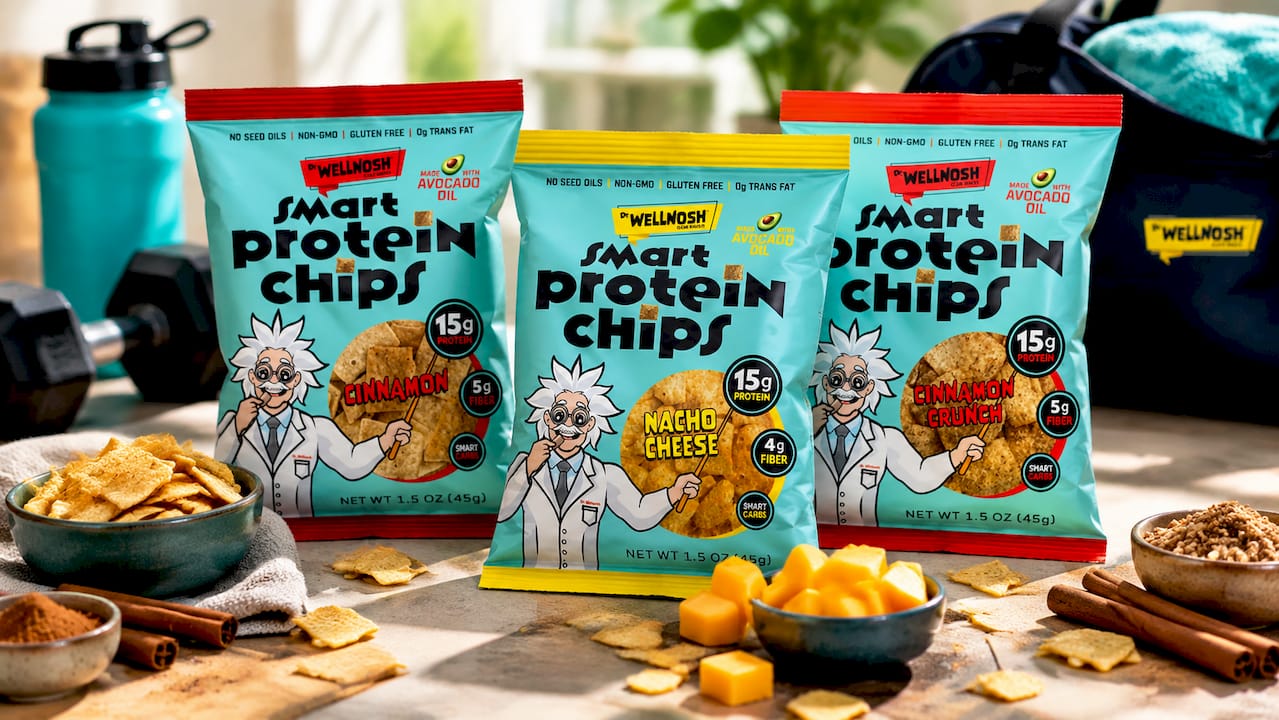
They work as a pantry staple for the 3 p.m. slump, a post-workout snack when you want crunch instead of a shake, or a travel-friendly option that survives a gym bag better than yogurt does. The Nacho Cheese flavor is the most popular starting point for new snackers, and the Cinnamon flavor covers the sweeter side of the shelf, though it’s currently listed as temporarily out of stock while more is produced. Grab a bag of Nacho Cheese to see how it fits into your own rotation, or consider an order option to keep a backup snack in your pantry.
Where These Protein and Calorie Numbers Come From
- Harvard Health on protein, satiety, and muscle maintenance
- Healthline on portable high-protein snack options
- Skinnytaste on practical protein-calorie snack combos
Sources
- High-protein snacks to build muscle and keep hunger at bay - Harvard Health
- 30 high protein snacks that are healthy and portable - Healthline
- High-protein snacks - Skinnytaste


