

· By Dr. Wellnosh
Best Snack for Lean Muscle Retention Women Need
A snack designed for lean muscle retention in women must deliver 20–30 grams of high-quality protein, timed around workouts and spread across daily intake goals. This is the standard in sports nutrition, formally called muscle protein synthesis (MPS) support. Active women need 0.8–1.2 grams of protein per pound of body weight daily. For a 150-pound woman, that means 120–180 grams every day. Hitting that number through meals alone is harder than it sounds. The right snack closes that gap, supports recovery, and keeps muscle intact during fat loss phases.
What makes a snack effective for lean muscle retention in women?
The best snacks for muscle retention do three things: deliver enough protein to trigger MPS, provide leucine as the key amino acid signal, and fit into a realistic daily eating pattern. A snack that checks only one of those boxes will not move the needle.
Leucine triggers muscle protein synthesis more than any other amino acid. Without enough leucine in a snack, the body does not receive the signal to build or preserve muscle tissue. Foods like eggs, Greek yogurt, chicken, salmon, and legumes all rank high in leucine content. Plant-based women are not left out. Edamame and lentils both provide meaningful leucine alongside a solid amino acid profile.

Protein quality also matters. Complete proteins contain all nine essential amino acids. Animal sources like Greek yogurt, cottage cheese, and eggs are complete by default. Plant sources often need pairing. Combining rice and legumes, or eating edamame on its own, covers the full amino acid spectrum. The protein per serving benchmark for a muscle-supporting snack sits at 20 grams minimum.
How much protein per snack is optimal for women?
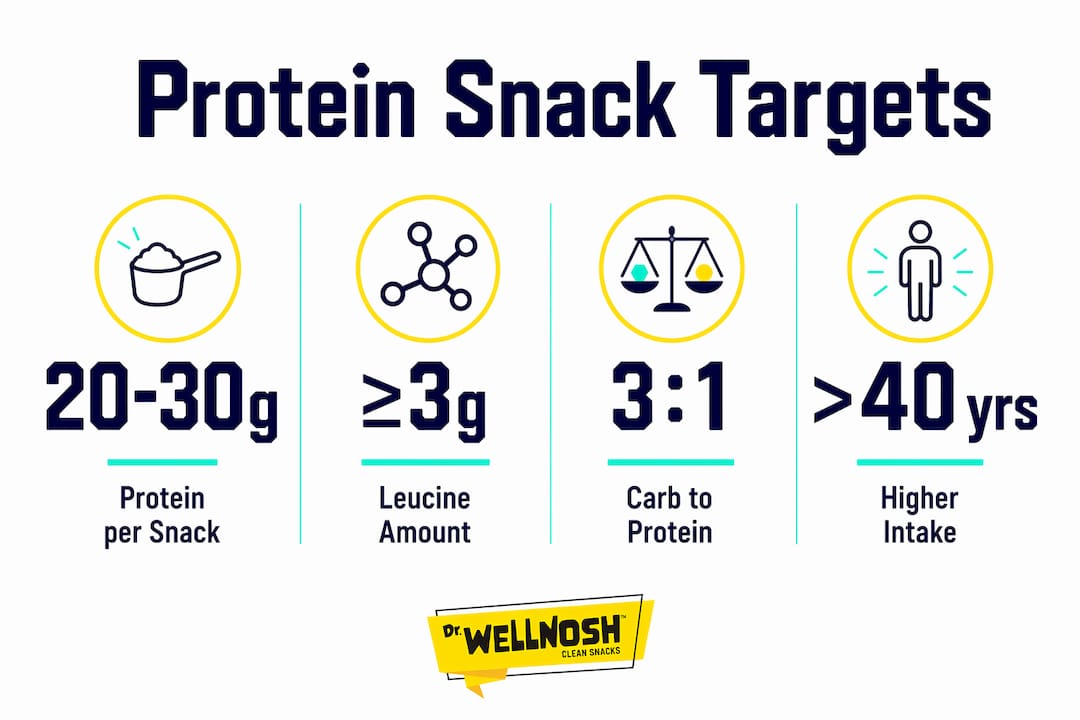
Research is clear: 20–30 grams of protein per snack maximizes MPS in most women. Going below 15 grams produces a weaker anabolic response. Going above 40 grams in a single sitting adds little extra benefit for most women under 40.
The satiety effect is just as significant. Consuming 25–30 grams of protein at breakfast reduces total daily calorie intake by 135 calories compared to eating the same protein in the evening. That reduction adds up over weeks without requiring any conscious restriction.
Key factors that determine the right protein amount per snack:
- Body weight. Heavier women with more muscle mass need more protein per snack to hit their daily target.
- Training intensity. Hard resistance sessions increase MPS demand for up to 24 hours post-workout.
- Age. Women over 40 face anabolic resistance, meaning the body responds less efficiently to protein. Women 40+ may need higher protein per snack, closer to the 30-gram upper end, to achieve the same MPS response.
- Distribution. Spreading protein across 4–5 eating occasions outperforms front-loading or back-loading the same total amount.
Pro Tip: If you are 40 or older, aim for the upper end of the 20–30 gram range at every snack. The same total daily protein spread differently can produce better muscle retention results.
What are the best high-protein snack options for women?
Practical snack choices matter as much as the science behind them. The best muscle-building snacks for women combine high leucine content, convenience, and a calorie profile that supports body composition goals.
Here are the top options ranked by protein quality and practicality:
- Greek yogurt (plain, full-fat or 2%). A single cup delivers roughly 20 grams of protein with strong leucine content. It also provides calcium, which supports bone density alongside muscle function. Pair it with berries for carbohydrates that aid glycogen replenishment after training.
- Cottage cheese. Half a cup provides a solid protein dose from casein, a slow-digesting protein. Casein releases amino acids steadily over several hours, making it the best choice for an evening snack to limit overnight muscle breakdown.
- Hard-boiled eggs. Two eggs provide about 12 grams of complete protein with high bioavailability. They are portable, require no refrigeration for a few hours, and pair well with whole-grain crackers to add carbohydrates.
- Edamame. One cup of shelled edamame delivers roughly 17 grams of plant-based complete protein. It is one of the few plant foods that qualifies as a complete protein source without pairing.
- Lean deli turkey or chicken slices. Three to four ounces provide 20–25 grams of protein with minimal fat. Roll them with hummus and cucumber for a portable, balanced snack.
- Protein chips made from legumes. Products like Wellnosh Smart Protein Chips deliver 15 grams of fava bean protein per bag with no seed oils, no artificial additives, and no added sugar. They fill the crunch craving without the empty calories of conventional chips.
Pro Tip: Post-workout, pair any of these protein sources with a carbohydrate at a 3:1 carb-to-protein ratio. A post-workout protein and carb combination of 25 grams protein with 75 grams of carbs from a banana or oats maximizes glycogen replenishment and muscle repair.
Replacing sugary snacks with protein-rich options also reduces cravings by stabilizing blood sugar. High-protein snacks like Greek yogurt and eggs reduce subsequent calorie intake and cravings more effectively than carbohydrate-based snacks.
When is the best time to eat protein snacks for muscle retention?
Timing protein snacks strategically adds a meaningful benefit on top of hitting your daily total. Total daily protein explains 89% of lean mass retention variance. Timing accounts for an additional 3–4% difference. That extra margin matters when you are in a fat loss phase or trying to hold muscle while aging.
The table below outlines the most effective snack timing windows:
| Timing window | Goal | Recommended snack |
|---|---|---|
| Within 90 minutes of waking | Satiety, MPS activation, cortisol control | Greek yogurt with berries, or 2–3 eggs |
| 30–45 minutes post-workout | Muscle repair, glycogen replenishment | Protein chips + banana, or cottage cheese + oats |
| Mid-afternoon (3–4 PM) | Prevent muscle catabolism, reduce evening overeating | Hard-boiled eggs, edamame, or lean turkey slices |
| 60–90 minutes before bed | Overnight muscle preservation | Cottage cheese (casein protein source) |
Morning protein intake within 90 minutes of waking improves satiety throughout the day and supports muscle retention by countering the overnight fasting state. The post-workout window of 30–45 minutes is the most studied. Consuming protein and carbohydrates in that window accelerates muscle repair and refills glycogen stores depleted during training.
Women who train in the evening should shift their post-workout snack to align with that schedule. The biology does not change based on the clock. What matters is the relationship between the snack and the workout, not the time of day.
How to make high-protein snacking sustainable and convenient
Consistency beats perfection every time. The best snack plan is the one you actually follow for months, not the one that looks ideal on paper. Batch prepping snack portions reduces decision fatigue and makes it far easier to stay on track with protein goals.
Practical habits that make high-protein snacking stick:
- Prep in batches. Hard-boil a dozen eggs on Sunday. Portion Greek yogurt into individual containers. Pre-measure nut butter into small jars. Having grab-and-go options removes the friction that leads to poor snack choices.
- Read labels on packaged snacks. Many products marketed as “high-protein” contain fewer than 10 grams per serving. A nutrient-dense snack for muscle support should hit at least 15–20 grams per serving.
- Measure nut butters. Eyeballing nut butter portions often leads to consuming 2–3 times the intended calorie amount. During a fat loss phase, that surplus stalls progress without you realizing it.
- Use casein strategically. Cottage cheese before bed is not just a trend. The slow-digesting casein protein it contains provides a steady amino acid release overnight, directly reducing muscle breakdown during the fasting period of sleep.
- Keep portable options stocked. Edamame in single-serve bags, hard-boiled eggs, and protein chips travel well. Removing the excuse of “nothing available” is half the battle.
Dietary protein for athletes requires both quantity and consistency. A single high-protein day does not build or preserve muscle. The cumulative effect of hitting your target across weeks and months does.
Key Takeaways
The most effective snack for lean muscle retention in women delivers 20–30 grams of high-quality protein, prioritizes leucine-rich foods, and fits consistently into a daily eating pattern timed around training.
| Point | Details |
|---|---|
| Protein per snack | Aim for 20–30 grams of complete protein to trigger muscle protein synthesis. |
| Leucine is the trigger | Choose leucine-rich foods like eggs, Greek yogurt, edamame, and legumes at every snack. |
| Timing adds a small edge | Post-workout and morning windows improve results, but total daily protein drives 89% of outcomes. |
| Evening snacking matters | Cottage cheese before bed provides slow-release casein to limit overnight muscle breakdown. |
| Consistency over perfection | Batch prepping and portable snacks make high-protein habits sustainable long-term. |
What I have learned about snacking for lean muscle as an active woman
Most women I work with get the protein math right eventually. What trips them up is the gap between knowing and doing. They understand that 25 grams of protein per snack matters. They just do not have the right foods ready when hunger hits at 3 PM.
The single biggest shift I have seen produce real results is treating snack prep with the same seriousness as meal prep. A portioned container of Greek yogurt in the fridge is not a small detail. It is the difference between hitting your protein target and falling 30 grams short by the end of the day.
Timing gets overcomplicated. Women stress about the exact post-workout window, the ideal pre-bed snack, and whether morning protein matters more than evening protein. The honest answer is that total daily protein explains the vast majority of what happens to your lean mass. Timing is a refinement, not a foundation. Get the foundation right first.
One thing the research does not emphasize enough: women over 40 need to actively push protein higher per snack, not just higher overall. Anabolic resistance means the same 20-gram snack that worked at 30 may not produce the same MPS response at 45. Bumping to 28–30 grams per snack is a practical, low-effort adjustment with real payoff.
Quality whole-food sources like Greek yogurt, eggs, and cottage cheese outperform most packaged convenience products for satiety and micronutrient density. That said, a clean, high-protein packaged snack has a legitimate role when you are traveling, at work, or simply out of prep time. The key is reading labels and choosing products that actually deliver the protein they promise.
— Dr. Wellnosh
Wellnosh Smart Protein Chips: a convenient snack built for active women
Active women need snacks that travel well, taste good, and actually deliver protein. Wellnosh Smart Protein Chips check all three boxes.
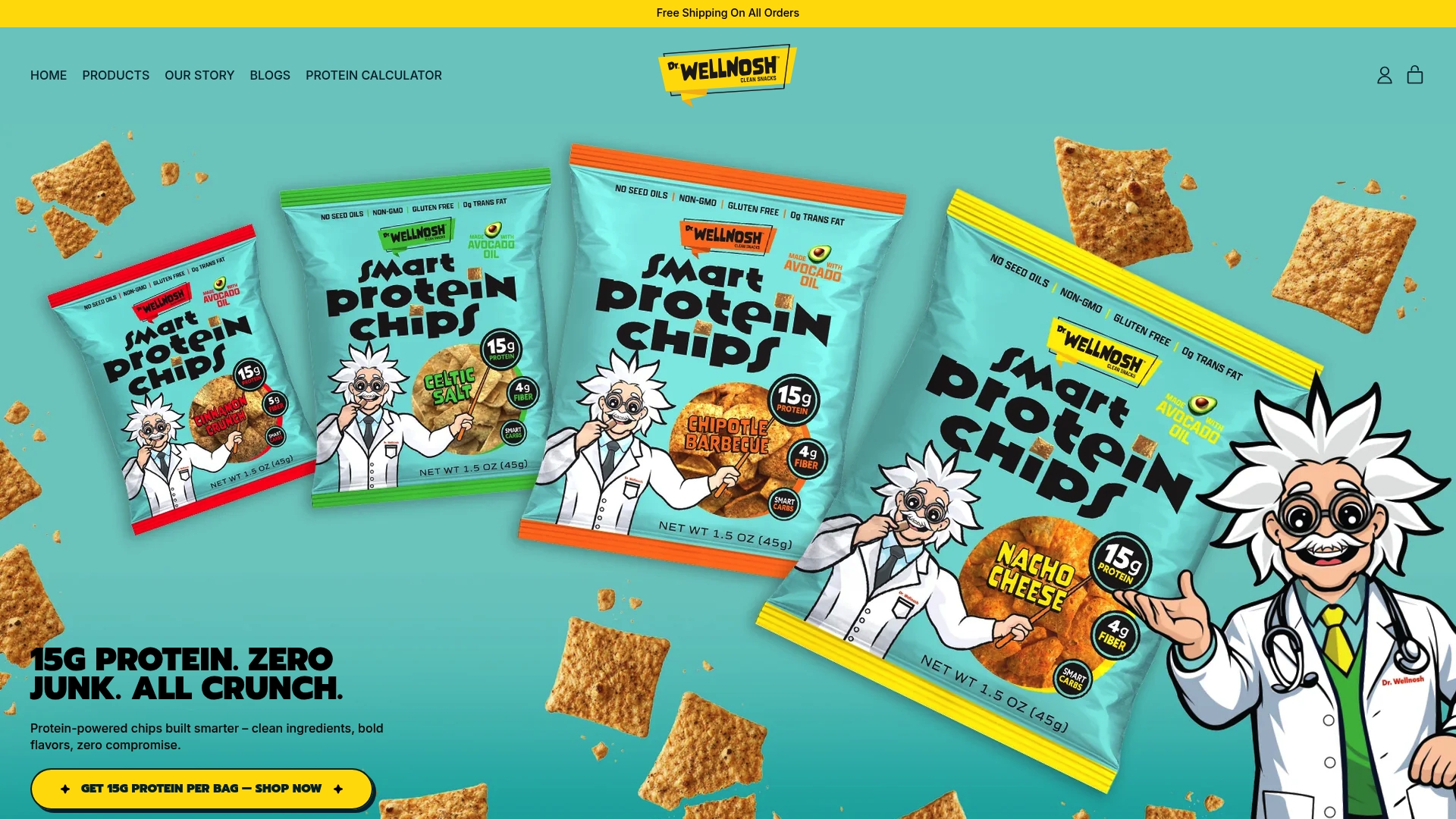
Each bag provides 15 grams of fava bean protein, cooked in avocado oil with no seed oils, no artificial additives, and no added sugar. They are non-GMO, gluten free, and low carb. Flavors include Nacho Cheese, Celtic Salt, Cinnamon, and the fan-favorite Chipotle Barbecue. Wellnosh chips are built for women who want a real snack that supports their protein goals without compromising on ingredients. Learn more about the Wellnosh story and what goes into every bag.
FAQ
How much protein should a snack have for muscle retention?
A snack should contain 20–30 grams of high-quality protein to stimulate muscle protein synthesis. Women over 40 benefit from targeting the upper end of that range due to anabolic resistance.
What is the best post-workout snack for women?
A combination of 20–25 grams of protein with carbohydrates at a 3:1 ratio works best after training. Examples include Greek yogurt with oats or a protein snack paired with a banana.
Does snack timing matter for lean muscle retention?
Timing adds a 3–4% improvement in lean mass preservation on top of total daily protein. The post-workout window and morning protein intake are the two most impactful timing points.
Are plant-based snacks effective for muscle retention in women?
Yes. Edamame, lentils, and legume-based protein chips provide complete or near-complete amino acid profiles. Pairing complementary plant proteins covers any gaps and supports MPS effectively.
What is the best evening snack to prevent muscle breakdown overnight?
Cottage cheese is the top choice because its casein protein releases amino acids slowly over several hours. This steady supply limits muscle catabolism during the overnight fasting period.


