

· By Dr. Wellnosh
Are Wilde Protein Chips Healthy? A 2026 Nutrition Review
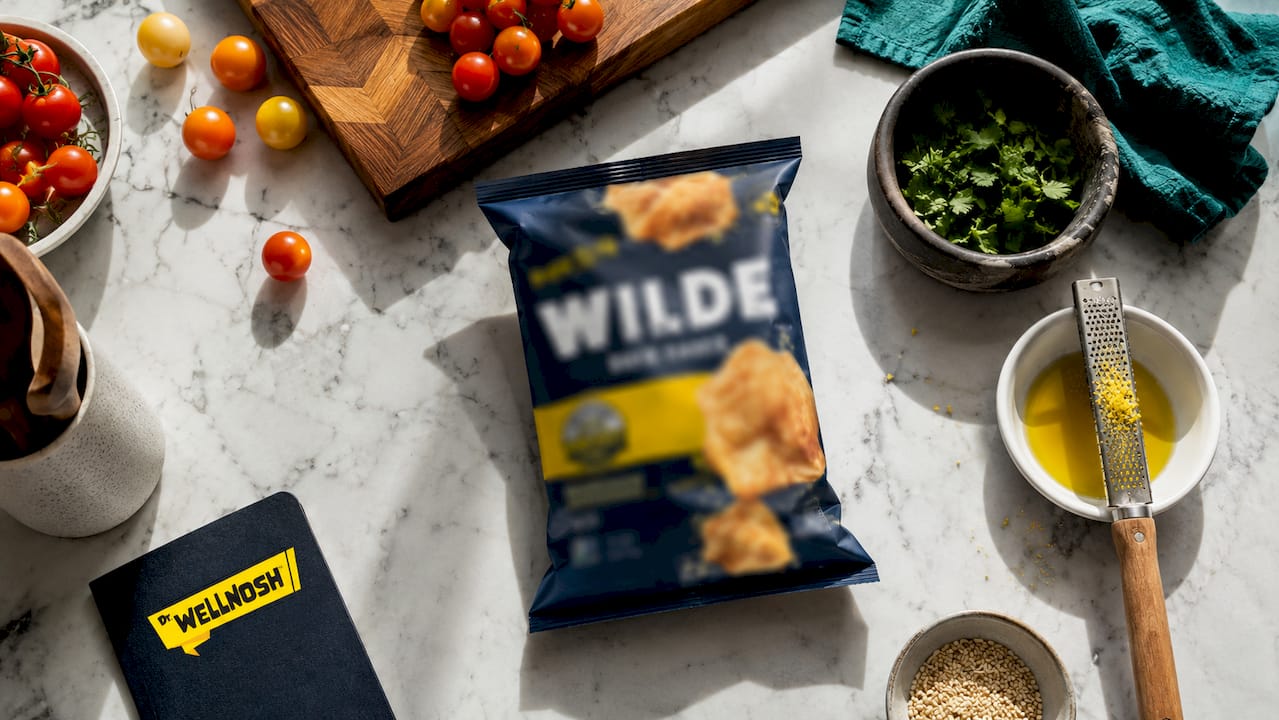
Wilde Protein Chips are defined as a high-protein snack made from chicken breast, egg whites, and bone broth, positioned as a nutritionally superior alternative to traditional potato chips. If you are asking whether Wilde protein chips are healthy, the short answer is: yes, conditionally. They deliver 10–14 grams of protein per serving versus roughly 2 grams in standard potato chips, and they carry a cleaner ingredient list than most processed snacks. The trade-offs, including sodium levels and calorie density, require honest evaluation before you make them a daily staple.
Are Wilde protein chips healthy? What the nutrition label actually says
The nutritional profile of Wilde Protein Chips is the strongest argument for their healthfulness. Each serving delivers 10–14g of protein, sourced from real chicken breast, egg whites, and bone broth rather than soy or pea protein isolates. That protein density is the defining feature that separates them from conventional chip options.
Macronutrient breakdown
Carbohydrates come in at 7–9 grams of net carbs per serving, with less than 1 gram of sugar. That profile puts them firmly in low-glycemic territory, which matters for anyone managing blood sugar or following a ketogenic approach. The macronutrient ratio favors protein at roughly twice the amount of net carbs, supporting a steadier energy release than a standard chip.
Calories land at approximately 160–170 per serving, which is comparable to traditional chips. That similarity surprises most people. The calorie count does not drop just because the protein goes up, so portion awareness still applies.
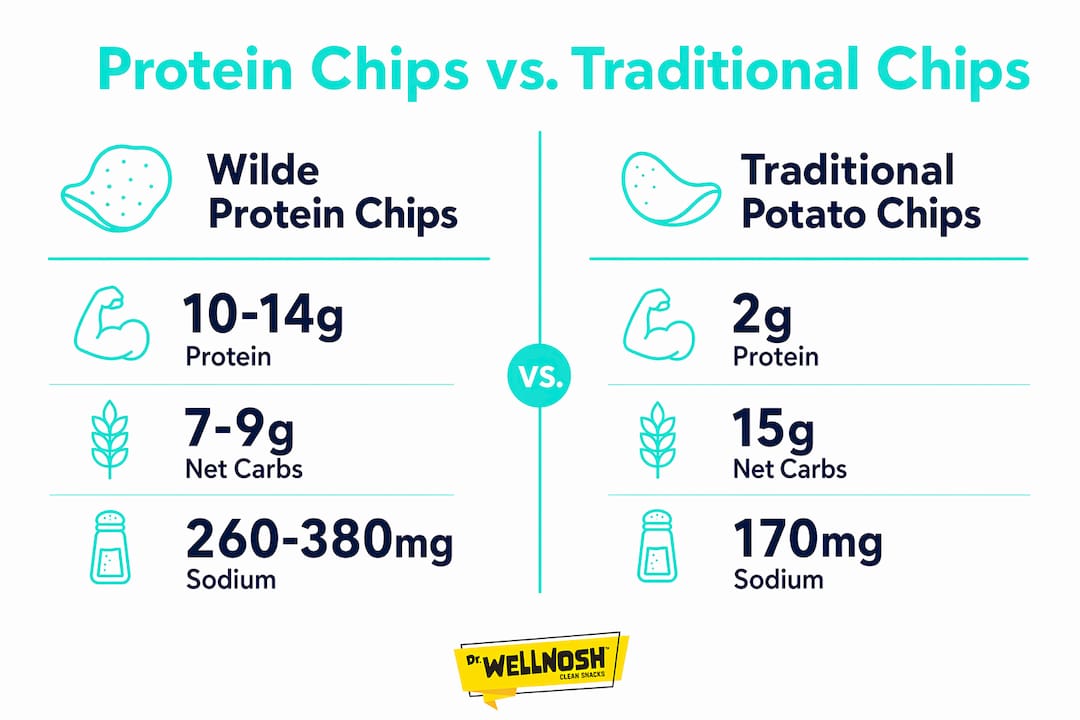
| Nutrient | Wilde Protein Chips (per serving) | Traditional Potato Chips (per serving) |
|---|---|---|
| Protein | 10–14g | ~2g |
| Net carbs | 7–9g | ~15g |
| Sugar | <1g | ~1g |
| Calories | 160–170 | 150–160 |
| Sodium | 260–380mg | 150–180mg |
Ingredients and processing status
The primary ingredients are chicken breast, egg whites, and bone broth. That list is shorter and more recognizable than most packaged snacks. Even so, Wilde chips are still a processed food. Processing affects nutrient density compared to eating a grilled chicken breast or a hard-boiled egg, and that distinction matters when you are building a full day of eating.
Pro Tip: Read the sodium line on the label before buying. Sodium per serving ranges from 260mg to 380mg depending on the flavor, and that range adds up quickly if you eat more than one serving.
What are the health benefits of Wilde Protein Chips?
The protein content is the clearest benefit. Protein supports muscle maintenance, reduces hunger between meals, and slows the absorption of carbohydrates. A snack that delivers 10–14 grams of protein does real nutritional work, unlike most chip-aisle options that offer little beyond starch and fat.
The low sugar and moderate fat content also support energy stability. Traditional chips spike blood sugar quickly because they are dense in refined starch. Wilde chips, with less than 1 gram of sugar and a protein-forward ratio, avoid that spike. For people with type 2 diabetes or insulin sensitivity, that difference is meaningful.
Dietary compatibility is another genuine advantage. Wilde chips are keto-friendly, gluten-free, grain-free, and dairy-free. That combination covers a wide range of dietary restrictions in a single product. People avoiding gluten for celiac disease or following a grain-free protocol do not have to sacrifice a crunchy snack entirely.
Portability rounds out the benefit list. A sealed bag of protein chips travels well, requires no refrigeration, and fits into a gym bag, desk drawer, or carry-on. For active people who need protein between meals, that convenience has real value. Whole-food protein sources like grilled chicken or Greek yogurt are nutritionally superior, but they are not always accessible.
Pro Tip: Pair Wilde chips with a piece of fruit or raw vegetables. You get the protein and crunch from the chips plus the fiber and micronutrients that a chip bag cannot provide.
What are the potential drawbacks of Wilde Protein Chips?
Sodium is the most significant concern. Sodium per serving ranges from 340–380mg in several flavors, and nutrition experts warn that frequent consumption can push daily sodium intake well above recommended levels. For people managing blood pressure or kidney health, that accumulation is not trivial.
The processing classification also deserves attention. Despite the real-food ingredient list, Wilde chips are still an ultra-processed snack. Processing strips out fiber, reduces micronutrient density, and adds preservatives or flavor compounds that whole foods do not contain. Calling a chip “clean” because it lists chicken breast first does not make it equivalent to eating chicken breast.
Calorie density creates a second risk. At 160–170 calories per serving, the bag looks reasonable. The problem is that chips are easy to eat past one serving. The texture and flavor mimic traditional snacks closely enough that portion control requires active effort.
Here are the key drawbacks to keep in mind:
- Sodium accumulation: Multiple servings per day can push sodium intake toward or past the 2,300mg daily limit recommended by the Dietary Guidelines for Americans.
- Processed food status: Real ingredients do not cancel out the effects of industrial processing on overall nutrient density.
- Calorie risk: The 160–170 calorie count applies to one serving. Eating the full bag in one sitting doubles or triples that number.
- Not a whole-food replacement: Practitioners recommend using protein chips as a convenient protein supplement rather than a substitute for lean meats, legumes, or eggs.
- Egg white sensitivity: People with egg allergies need to check the label carefully, as egg whites are a primary protein source.
How do Wilde Protein Chips compare to traditional chips and other protein snacks?
The protein gap between Wilde chips and standard potato chips is dramatic. Traditional potato chips deliver roughly 2 grams of protein per serving. Wilde chips deliver 10–14 grams. That is a five to seven times difference in a macronutrient that directly affects satiety and muscle repair.
The carbohydrate comparison is equally striking. Standard chips carry around 15 grams of net carbs per serving, mostly from refined starch. Wilde chips cut that to 7–9 grams. For anyone tracking net carbs or following a low-glycemic eating plan, that reduction is significant.
Against whole-food protein sources, the picture shifts. A hard-boiled egg delivers about 6 grams of protein with zero processing, zero sodium additives, and a full complement of vitamins. A handful of almonds provides protein, fiber, and healthy fats in a minimally processed package. Wilde chips win on flavor and crunch. They lose on nutrient density and sodium when compared to unprocessed options.
The most practical advice from nutrition professionals is to swap rather than add. Replace your afternoon potato chip habit with Wilde chips and you gain protein while reducing refined starch. Add Wilde chips on top of your existing snack routine and you simply consume more calories and sodium without a proportional benefit.
Pro Tip: Check the healthiest chip alternatives before committing to any single product. The protein chip category has expanded significantly, and ingredient quality varies widely across brands.
How should you incorporate Wilde Protein Chips into a healthy diet?
Fitting protein chips into a health-conscious eating plan requires a clear strategy. Use them as a targeted protein supplement, not as a casual snack you reach for without thinking. Here is a practical framework:
- Replace, do not add. Swap Wilde chips for whatever chip or cracker you currently eat in the afternoon. You gain protein without adding net calories to your day.
- Stick to one serving. Measure out a single serving before you start eating. Eating from the bag makes portion control nearly impossible.
- Track your sodium for the day. If you have already eaten salty foods at lunch, choose a lower-sodium flavor or skip the chips that day.
- Pair with whole foods. Add a piece of fruit, raw vegetables, or a small handful of nuts alongside the chips. That combination fills the fiber and micronutrient gaps that a chip bag cannot address.
- Check allergen labels. Egg whites are a primary ingredient. Anyone with an egg sensitivity should read the full label before eating.
- Use them for convenience, not convenience as a habit. Protein chips shine when whole-food options are unavailable, like at an airport, during a long drive, or between back-to-back meetings. They are a tool for those moments, not a daily protein strategy.
The best protein chip options share one trait: they work within a diet, not as the foundation of one. Wilde chips fit that description when used with intention.
Key Takeaways
Wilde Protein Chips are a genuinely better snack than traditional potato chips for protein intake, but sodium levels and processed food status mean moderation and label-reading are non-negotiable.
| Point | Details |
|---|---|
| Protein advantage is real | Wilde chips deliver 10–14g of protein per serving versus ~2g in standard potato chips. |
| Sodium requires attention | Sodium ranges from 260–380mg per serving and accumulates fast with multiple servings. |
| Swap, do not stack | Replace existing chip snacks with protein chips rather than adding them on top. |
| Processing matters | Real ingredients do not equal whole-food nutrition; treat these as a processed supplement. |
| Diet compatibility is strong | Keto-friendly, gluten-free, grain-free, and dairy-free suits a wide range of dietary needs. |
What I have learned from watching people snack on protein chips
The health halo around protein chips is the real nutritional hazard, not the chips themselves. I have seen health-conscious people eat an entire bag of protein chips in one sitting because the label says “high protein” and they assume that cancels out everything else. It does not. The health halo effect is well-documented: when a food is labeled as nutritious, people consistently eat more of it than they would otherwise.
Wilde chips are a genuinely useful product when used correctly. The ingredient list is cleaner than most packaged snacks. The protein content is real and meaningful. For someone who would otherwise eat a bag of potato chips, the swap is a clear upgrade. I do not dispute that.
What I push back on is the idea that protein chips solve the snacking problem. They shift it. You are still eating a processed, calorie-dense, sodium-heavy food. The crunch and flavor that make chips satisfying are also what make them easy to overeat. That dynamic does not disappear because the chip is made from chicken breast instead of potato starch.
My honest recommendation: use Wilde chips the way you would use any convenient protein source. Reach for them when whole foods are not available, keep the portion to one serving, and pair them with something that provides fiber. If you want to replace sugary snacks with something that actually keeps you full, protein chips are a reasonable bridge. Just do not mistake “better than chips” for “as good as real food.”
— Dr. Wellnosh
Wellnosh Smart Protein Chips: a cleaner option worth trying
If the Wilde Protein Chips review has you thinking about upgrading your snack routine, Wellnosh offers a plant-based alternative worth serious consideration.
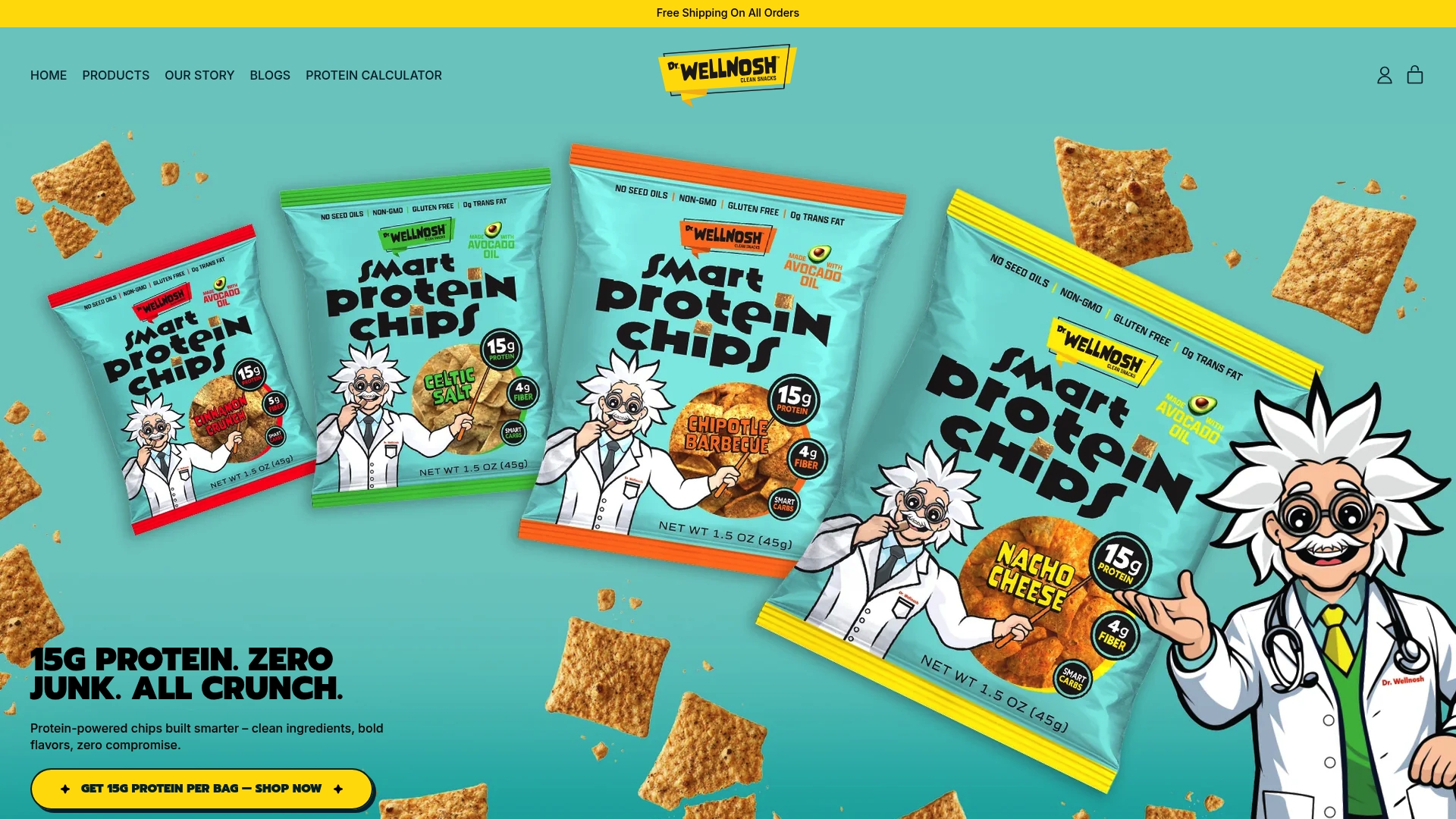
Wellnosh Smart Protein Chips deliver 15 grams of fava bean protein per bag, cooked in avocado oil with no seed oils, no artificial additives, and no added sugar. Every ingredient is pronounceable. The chips are non-GMO, gluten-free, and low-carb, which checks the same dietary boxes as animal-based protein chips without the sodium concerns tied to meat-derived flavoring. Flavors like Chipotle Barbecue give you the bold crunch you want from a chip without the ingredient compromises you are trying to avoid. For fitness enthusiasts, plant-based snackers, and anyone serious about nutrient-dense snacking, Wellnosh is a direct upgrade.
FAQ
Are Wilde Protein Chips actually high in protein?
Yes. Wilde Protein Chips contain 10–14 grams of protein per serving, sourced from chicken breast, egg whites, and bone broth. That is five to seven times more protein than a standard serving of potato chips.
Do Wilde Protein Chips spike blood sugar?
No. With 7–9 grams of net carbs and less than 1 gram of sugar per serving, Wilde chips have a low glycemic impact. The protein-to-carb ratio supports steady energy release rather than a blood sugar spike.
How much sodium is in Wilde Protein Chips?
Sodium ranges from 260mg to 380mg per serving depending on the flavor. People managing blood pressure or kidney health should track this carefully, especially if eating more than one serving.
Are Wilde Protein Chips good for weight loss?
They can support weight management when used as a direct swap for higher-carb snacks. At 160–170 calories per serving, they are not low-calorie, so portion control is required to avoid a calorie surplus.
Are Wilde Protein Chips gluten-free?
Yes. Wilde chips are gluten-free, grain-free, and dairy-free, making them compatible with celiac, paleo, and keto dietary protocols.


