

· By Dr. Wellnosh
Insulin Response to Snacks: A Guide for Metabolic Health
Your body releases insulin every time you eat, including between meals. The insulin response to snacks is that hormonal release triggered by rising blood glucose after a small amount of food, and its magnitude depends almost entirely on what you ate, how much, and when. For anyone managing blood sugar, whether through diabetes, prediabetes, or general metabolic health, understanding this response is the difference between snacking that helps you and snacking that quietly works against you.
Here is what actually matters:
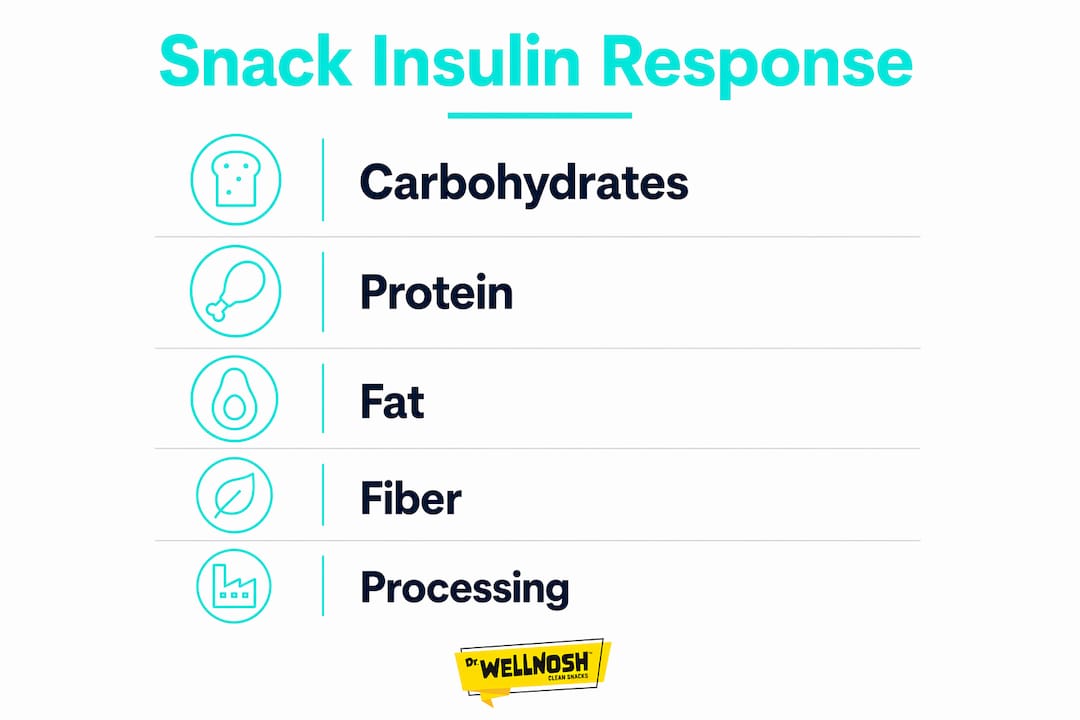
- Snack composition drives the size of the insulin spike. High-glycemic carbohydrates cause the sharpest, fastest rises; protein, fat, and fiber each blunt that curve.
- Snack timing shapes how your body handles the next meal. A well-chosen snack eaten 30–60 minutes before eating can actually lower postprandial glucose and insulin at that meal.
- Processing level matters independently of macronutrients. A processed chip and a whole-food snack with similar carbohydrate counts can produce meaningfully different insulin responses.
- Repeated snacking keeps insulin elevated between meals, which over time can reduce insulin sensitivity and impair fat metabolism.
- Modern insulin therapies have reduced the need to snack purely to prevent hypoglycemia, shifting the focus toward snacks that minimize unnecessary spikes.
How your body processes glucose and insulin after a snack
When you eat a snack containing carbohydrates, your digestive system breaks those carbs into glucose, which enters the bloodstream within minutes. Pancreatic beta cells detect the rise and release insulin in response. Insulin then binds to receptors on muscle, liver, and fat cells, signaling them to absorb glucose from the blood and either use it for energy or store it as glycogen.
The key difference between a snack and a full meal is scale and timing. A meal triggers a larger, more sustained insulin release because it delivers more total glucose over a longer digestion window. A snack, by contrast, produces a smaller and shorter insulin peak, though the shape of that peak still varies widely depending on what the snack contains. A handful of crackers and a handful of almonds both qualify as snacks, but they produce very different hormonal responses.
Frequent snacking creates a specific metabolic problem. When you eat every 1–2 hours, insulin never fully returns to baseline between eating occasions. Chronically elevated insulin reduces the sensitivity of your cells to insulin’s signal over time, meaning you eventually need more insulin to accomplish the same glucose clearance. This is one of the early mechanisms behind insulin resistance.
Pro Tip: If you use a continuous glucose monitor (CGM) like Dexterity or a Libre device, watch not just the peak glucose reading after a snack but how quickly it returns to your personal baseline. A slow return, taking more than 2 hours, often signals a snack that was too high in refined carbs or too large in portion.
The hormones glucagon-like peptide-1 (GLP-1) and peptide YY (PYY) also play a role here. Both are released from the gut in response to food, and both amplify insulin secretion while slowing gastric emptying. Snacks rich in fiber and protein stimulate GLP-1 and PYY more than low-fiber, high-carb snacks do, which is part of why they produce a gentler insulin curve.
- Carbohydrate-heavy snacks raise blood glucose fastest, peaking around 30–45 minutes post-consumption.
- Protein slows gastric emptying and stimulates insulin independently of glucose, but at a lower and more gradual rate.
- Fat has minimal direct effect on insulin but slows the absorption of carbohydrates eaten alongside it.
- Fiber delays glucose entry into the bloodstream, flattening both the glucose and insulin peaks.
How snack macronutrients shape your insulin response
The macronutrient makeup of a snack is the single biggest lever you have over your insulin response to food. Not all calories behave the same way once they hit your bloodstream.
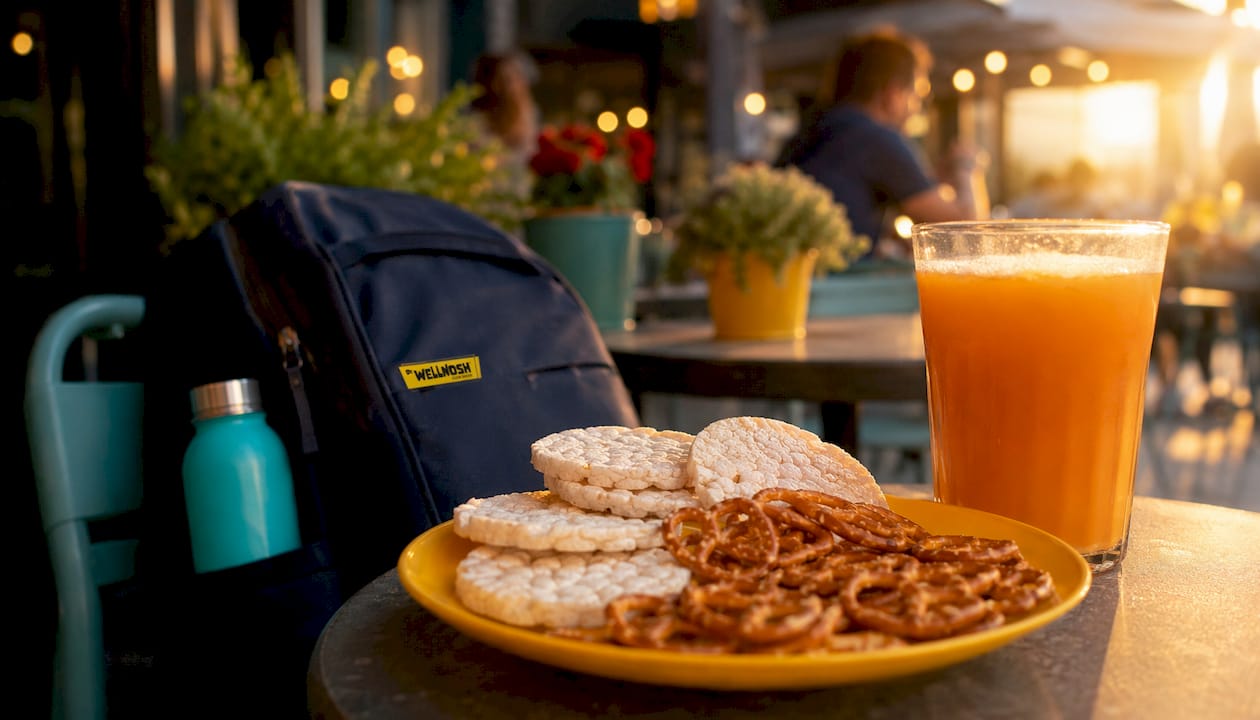
High-glycemic carbohydrates, think white rice crackers, pretzels, or fruit juice, break down rapidly and flood the bloodstream with glucose. Your pancreas responds with a sharp, high-amplitude insulin spike. That spike clears the glucose quickly, but it often overshoots, leaving blood sugar lower than it started and triggering hunger again within an hour or two. This cycle is sometimes called the “glucose roller coaster,” and it is particularly problematic for people with type 2 diabetes or insulin resistance.
Protein changes the picture considerably. High-protein snacks in a clinical study of type 2 diabetes patients produced significantly slower postprandial blood glucose increases compared to the white bread control, with insulin secretion meaningfully lower at 45 minutes post-consumption. The incremental area under the curve, the total insulin exposure over two hours, was higher in the control group than in either high-protein snack group. That is a concrete demonstration of how swapping macronutrients changes the hormonal load on your pancreas.
Fat is more nuanced. It has minimal direct insulin-stimulating effect, but a snack high in fat and low in protein can still affect insulin resistance depending on timing. Research shows that a macadamia nut snack increased insulin resistance when eaten as a midmeal snack but not when consumed as a preload before a main meal, suggesting that context matters as much as composition.
Fiber deserves its own emphasis. Soluble fiber forms a gel in the gut that physically slows glucose absorption, reducing both the height and the duration of the insulin peak. Plant-based snacks rich in fiber and vitamins improved antioxidant status and reduced insulin spikes in clinical trial participants with type 2 diabetes, partly through stimulation of GLP-1 and PYY.
| Snack profile | Glucose peak speed | Insulin spike magnitude | Duration of elevation |
|---|---|---|---|
| High-glycemic carbs only (pretzels, crackers) | Fast (15–30 min) | High | Short but sharp |
| Mixed carb + protein (cheese + apple) | Moderate (30–45 min) | Moderate | Moderate |
| High protein, low carb (nuts, seeds, protein chips) | Slow (45–60 min) | Low | Brief |
| High fiber + protein (plant-based bar) | Slow (45–60 min) | Low to moderate | Moderate, gradual |
| Fat-dominant, low protein (macadamia nuts alone) | Slow | Low direct, variable indirect | Depends on timing |
Practical choices follow directly from this:
- Pair any carbohydrate-containing snack with a protein or fat source to slow glucose absorption.
- Choose snacks with fiber to meaningfully blunt the insulin curve.
- Avoid snacks where refined sugar or white flour appears in the first two ingredients.
- Read labels for total carbohydrates and subtract fiber to estimate net carbs, which predicts glucose load.
- For people managing type 2 diabetes, snack macronutrient balance is as important as total calorie count.
How processing, portion size, and timing affect insulin sensitivity
Beyond macronutrients, three factors shape your insulin response in ways that most snack advice ignores: how processed the food is, how much you eat, and when you eat it relative to your meals.
Processing level
Whole-food snacks and processed snacks with similar macronutrient profiles do not produce the same insulin response. A study comparing pecans to tortilla chips found that tortilla chips elevated insulin more and maintained higher insulin levels for hours after the snack, despite the chips having a medium glycemic index of approximately 60. Pecans, which are high in fat and fiber with minimal carbohydrates, produced a far smaller and shorter insulin response. Processing strips away fiber, increases the surface area of starch granules for faster digestion, and often adds sugars and refined starches that accelerate glucose entry into the bloodstream.
Portion size
Larger portions mean more total glucose delivered to the bloodstream, which requires more insulin to clear. Beyond a certain threshold, the pancreas must sustain elevated insulin output for longer, creating what researchers call “prolonged insulin elevation.” For people with impaired insulin sensitivity, this extended elevation compounds the problem because cells are already less responsive to insulin’s signal. Keeping snack portions moderate, generally 150–200 calories for most adults, helps prevent this sustained hormonal load.
Timing and frequency
Snack timing relative to meals is an underused tool. A preload snack consumed 30–60 minutes before a main meal can reduce postprandial glucose and insulin at that meal, acting as a metabolic buffer. The same snack eaten between meals, with no meal following, does not produce this benefit and may instead keep insulin elevated without the compensatory glucose clearance that a meal provides. Snack frequency matters too. Eating every 1–2 hours prevents insulin from returning to baseline, which over time impairs the body’s ability to respond efficiently to insulin.
- Limit snacking to a moderate number of occasions per day, spaced several hours apart from meals.
- If you snack, time it either as a preload 30–60 minutes before a meal or at least 2 hours after one.
- Avoid late-night snacking, when insulin sensitivity is naturally lower due to circadian rhythm effects on glucose metabolism.
- Keep portions moderate with a protein and fiber anchor.
Pro Tip: Try eating a small protein-and-fiber snack, such as a handful of nuts or a plant-based protein chip, about 45 minutes before your largest meal of the day. Clinical data suggests this preload approach can reduce the insulin demand of that meal, which is particularly useful if dinner tends to be your heaviest eating occasion.
For people interested in snack timing and energy management, the preload strategy is one of the most practical applications of the research on insulin dynamics.
Practical snack choices that support healthy blood sugar control
The best snacks for insulin control share three characteristics: low in refined carbohydrates, meaningful protein content, and enough fiber to slow glucose absorption. That combination keeps the insulin response gradual and proportionate rather than sharp and excessive.
Snacks to prioritize:
- Raw or dry-roasted nuts (almonds, walnuts, pecans): high in fat, fiber, and protein with minimal carbohydrates
- Seeds (pumpkin, chia, hemp): similar macronutrient profile to nuts, with added omega-3 fatty acids
- Whole fruit paired with protein (apple with almond butter, berries with Greek yogurt): the fiber in whole fruit slows glucose absorption; protein further flattens the curve
- Hard-boiled eggs: essentially zero carbohydrates, high protein, minimal insulin stimulus
- Plant-based protein chips made with fava bean or pea protein: high protein, low net carbs, no added sugar
- Hummus with raw vegetables: fiber from both the chickpeas and the vegetables, moderate protein
- Full-fat cheese with cucumber or celery: fat and protein with negligible carbohydrates
Snacks to limit or avoid:
- Pretzels, rice cakes, and crackers made with white flour: high glycemic load, minimal protein or fiber
- Fruit juice and sweetened yogurt: concentrated sugars with little to slow absorption
- Granola bars with added sugar listed in the first three ingredients
- Flavored popcorn and corn-based chips cooked in seed oils: processed starches with inflammatory fats
- Dried fruit in large quantities: concentrated fructose and glucose without the fiber buffer of whole fruit
Reading labels effectively comes down to three numbers: total carbohydrates, dietary fiber, and protein. Subtract fiber from total carbs to get net carbs. A snack with 20g total carbs but 8g fiber has a net carb load of 12g, which is meaningfully different from a snack with 20g total carbs and 1g fiber. Aim for a protein-to-net-carb ratio of at least 1:2 for snacks intended to minimize insulin spikes.
For people managing diabetes specifically, replacing sugary snacks with protein-anchored options is one of the most direct ways to reduce daily insulin exposure without changing meal structure. The research on nutrient-dense snack choices consistently points toward whole-food, minimally processed options as the foundation.
Common questions about snacks and insulin spikes:
Does eating fruit spike insulin? Whole fruit raises blood glucose more slowly than juice or refined sugar because the fiber in the fruit slows digestion. Pairing fruit with a protein source, such as nut butter or cheese, further flattens the response. Dried fruit, however, behaves more like concentrated sugar and should be eaten in small quantities.
Are all protein snacks equal for insulin control? No. A high-protein snack with significant added sugar, like many commercial protein bars, can still produce a notable insulin spike from the sugar content. Look for protein bars with less than 5g of added sugar and at least 10g of protein per serving.
How quickly does insulin rise after a snack? For high-glycemic snacks, insulin begins rising within 10–15 minutes of eating and peaks around 30–45 minutes. For high-protein, low-carb snacks, the rise is slower and the peak lower, often not occurring until 45–60 minutes post-consumption.
Does snacking at night affect insulin differently? Yes. Insulin sensitivity follows a circadian pattern, with sensitivity generally lower in the evening and overnight. The same snack eaten at 10 PM will typically produce a higher and more prolonged insulin response than the same snack eaten at 10 AM.
What the latest research says about snacks and insulin management
The science on snack formulation and insulin response has moved well beyond simple glycemic index tables. Recent clinical work points to three areas where the evidence is particularly strong.
Whole foods versus processed snacks
The comparison between pecans and tortilla chips, both consumed as mid-morning snacks in a controlled trial, illustrates the processing effect clearly. Tortilla chips, despite a medium glycemic index, produced prolonged insulin elevation with carryover effects that may impair the insulin response to subsequent meals. Pecans produced a fraction of that insulin load. The difference is not just glycemic index; it is the combination of processing, fiber removal, and refined starch structure that makes processed snacks metabolically costly.
The preload concept
One of the more surprising findings in recent snack research is that the same snack can have opposite effects on insulin depending on when it is eaten. An apple consumed as a preload 30 minutes before a meal stabilized glucose without raising insulin, while the same apple eaten as a between-meal snack did not produce that benefit. Chicken breast reduced postprandial insulin regardless of timing. This suggests that snack timing strategy is not a minor detail but a meaningful variable in metabolic management.
- Eat a protein-rich preload snack well before your largest meal.
- Choose snacks with at least 10g of protein and 3g of fiber for the strongest metabolic buffer effect.
- Avoid high-fat, low-protein snacks as standalone midmeal options; they increase insulin resistance without the compensatory benefit of a following meal.
- Time snacks to allow insulin to return to baseline before the next eating occasion.
- For type 2 diabetes management, prioritize plant-based snack formulations with functional fiber and micronutrients over conventional processed options.
Plant-based functional snack bars in clinical trials
A clinical trial examining a plant-based snack bar rich in protein, fiber, vitamins, and minerals found significantly lower postprandial insulin compared to usual snacks in participants with type 2 diabetes. The bar also improved antioxidant status, suggesting that micronutrients in whole-plant snacks contribute to metabolic protection beyond their macronutrient profile alone. The mechanism involves GLP-1 and PYY stimulation from fiber and polyphenols, which slow gastric emptying and amplify the body’s own insulin-sensitizing signals.
The snack-hormone connection extends beyond insulin alone. Cortisol, estrogen, and other hormones interact with insulin signaling, which is why snack composition affects metabolic health differently across individuals and life stages.
Wellnosh chips fit the profile for steady insulin response
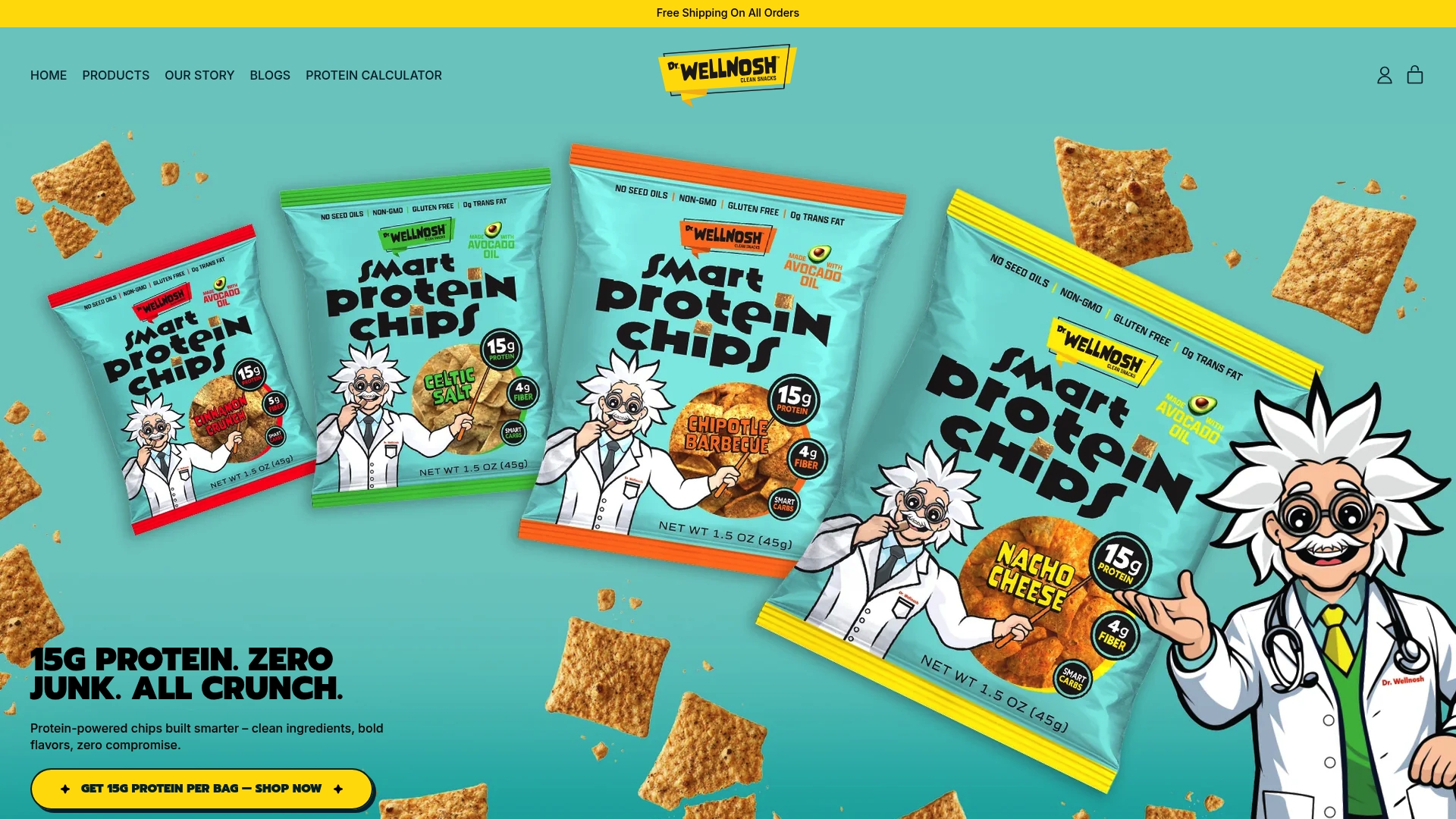
Wellnosh protein chips are built around the exact macronutrient profile the research points to: 15g of fava bean protein per bag, low net carbs, no added sugar, and cooked in avocado oil rather than seed oils. That combination, high protein with minimal refined carbohydrates, is precisely what clinical studies show produces a slower, lower insulin response compared to conventional chip snacks.
Every flavor, including Chipotle Barbecue, Celtic Salt, Nacho Cheese, and Cinnamon, uses real, pronounceable ingredients with no artificial additives. Non-GMO, gluten free, and free of seed oils, Wellnosh chips work as a preload snack before meals or as a standalone option that keeps insulin response gradual rather than sharp. For fitness enthusiasts, plant-based eaters, and anyone actively managing blood sugar, that is a snack doing real metabolic work.
Key Takeaways
Snack composition, timing, and processing level each independently shape the insulin response, and getting all three right is what separates snacking that supports metabolic health from snacking that quietly undermines it.
| Point | Details |
|---|---|
| Macronutrients drive insulin magnitude | High-protein, high-fiber snacks produce lower, slower insulin peaks than high-glycemic carb snacks. |
| Processing amplifies insulin load | Tortilla chips produced prolonged insulin elevation compared to whole-food snacks like pecans in controlled trials. |
| Preload timing reduces meal insulin demand | A protein or fiber snack eaten 30–60 minutes before a meal can lower postprandial insulin at that meal. |
| Frequent snacking impairs insulin sensitivity | Eating every 1–2 hours keeps insulin chronically elevated, reducing cellular responsiveness over time. |
| Plant-based functional snacks show clinical benefit | Snack bars rich in protein, fiber, and micronutrients significantly lowered postprandial insulin in type 2 diabetes patients. |


