

· By Dr. Wellnosh
The Role of Snacks in Daily Macro Targets
Snacks are a functional nutrition tool, not an afterthought. The role of snacks in daily macro targets is to close the gap between what your meals deliver and what your body actually needs by end of day. For anyone tracking macronutrients, especially protein, snacks are the difference between hitting your numbers and falling short. Eating every 3–5 hours with planned snacks optimizes metabolic rate and prevents the energy conservation states that follow long fasting periods. Get this right and your macro tracking becomes far more consistent and sustainable.
How snacks support daily macro targets and steady energy
Snacks do more than prevent hunger. They keep your metabolism active and your blood sugar stable between meals. When you go more than five hours without eating, your body shifts into an energy conservation mode. That shift triggers cravings, slows fat metabolism, and makes it harder to hit protein targets by dinner.

Eating every 3–5 hours with one or two planned snacks prevents that conservation state. The key is snack composition. A snack built around protein plus a carbohydrate or healthy fat stabilizes blood glucose far better than a carb-only option. Think of it as a small metabolic bridge, not a mini meal.
The impact of snacks on macros compounds across the day. A 200-calorie snack with 15g of protein at 10 a.m. and another at 3 p.m. adds 30g of protein to your daily total without disrupting your meal structure. That is often the difference between reaching your protein target and missing it by a wide margin.
- Protein + fiber: Slows digestion, extends satiety, and prevents blood sugar spikes
- Protein + healthy fat: Supports hormone function and keeps energy steady for 2–3 hours
- Protein + complex carbs: Ideal pre-workout to fuel performance without a sugar crash
Pro Tip: Set a phone reminder every 3–5 hours during your workday. Eating on a schedule removes the guesswork and keeps your metabolism running at full capacity.
What is the ideal protein range for a macro-friendly snack?
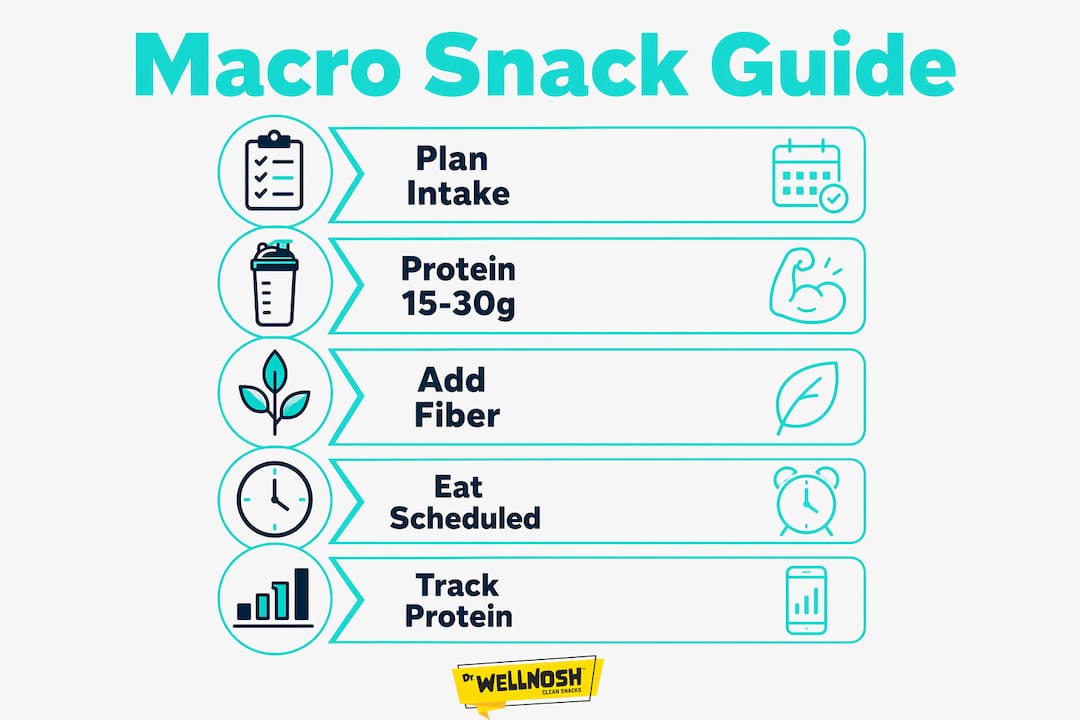
The evidence-based target for a functional snack is 15–30g of protein, depending on your body size and training schedule. That range comes from the ISSN position stand on protein distribution, which recommends spreading intake across the day rather than loading it into one or two meals. Snacks are the practical vehicle for that distribution.
Fifteen grams is the floor for most active adults. It is enough to stimulate muscle protein synthesis without filling you up so much that your next meal suffers. Thirty grams is appropriate for larger individuals or those with aggressive muscle-building goals. Staying within that window balances digestibility and satiety while keeping your overall macro budget intact.
Pairing protein with fiber and healthy fats adds another layer of benefit. Protein plus fiber regulates blood sugar and prevents the energy crashes that come with sugary, low-protein snacks. Avocado, nuts, and legume-based chips all deliver that combination in a portable format.
| Snack goal | Protein target | Macro pairing | Best timing |
|---|---|---|---|
| Muscle maintenance | 20–30g | Protein + complex carb | Post-workout |
| Fat loss / appetite control | 15–20g | Protein + fiber | Mid-morning or mid-afternoon |
| General energy stability | 15–20g | Protein + healthy fat | Any gap between meals |
| Evening hunger control | 15–20g | Protein + high-volume fiber | 1–2 hours before bed |
Pro Tip: Log your snack protein before you eat it, not after. Pre-logging takes 30 seconds and prevents you from grabbing something that blows your fat or carb budget.
High-protein snacks close the gap between what meals provide and what your daily protein target requires. For active individuals, that gap is often larger than expected, especially on training days when protein needs rise.
Common snacking mistakes that wreck macro goals
Random grazing is the single biggest threat to macro tracking success. Picking up a handful of crackers here or a cookie there adds calories and carbs without contributing meaningful protein. Those unplanned additions quietly push fat and carb macros over budget while leaving protein targets unmet.
Random grazing undermines macro success in a specific way: it makes your daily numbers unpredictable. When you cannot reproduce a day’s eating, you cannot assess whether your plan is working. Pre-logged, high-protein snacks solve that problem by making your intake consistent and measurable.
Sugar-heavy snacks create a second problem. They spike blood glucose, trigger an insulin response, and leave you hungrier an hour later than before you ate. That cycle drives overeating at the next meal and makes it nearly impossible to stay within your macro targets.
Hidden calories from cooking oils and mindless snacking are also a common plateau trigger. Stabilizing meal templates and eliminating those hidden sources is more effective than cutting calories when progress stalls.
- Skipping snacks entirely: Leads to overeating at meals and makes protein distribution uneven across the day
- Choosing low-protein snacks: Fruit, crackers, and granola bars rarely deliver enough protein to move the needle on your daily target
- Eating without logging: Untracked snacks are the most common reason macro targets drift off course
- Relying on “healthy” labels: Many labeled health snacks are high in sugar and low in protein, which does not serve macro goals
How to build a practical snack system for your macro plan
The 3-box snack system is the most practical framework for macro-focused snacking. It organizes snacks by context rather than by calorie count, which makes the right choice automatic in any situation.
The work box
Work box snacks are shelf-stable and easy to eat at a desk. They need zero prep and no refrigeration. The goal is 15–20g of protein with moderate fat and low carbs to keep you focused without a post-lunch energy dip. Good options include protein chips, jerky, and mixed nuts with a protein bar.
Wellnosh protein chips fit this box well. Each bag delivers 15g of fava bean protein, cooked in avocado oil with no seed oils or artificial additives. They are non-GMO, gluten free, and low carb, which means they add protein without pushing carb macros over budget. Flavors like Celtic Salt and Chipotle Barbecue work equally well at a desk or in a bag.
The gym box
Gym box snacks prioritize easy digestion and fast protein delivery. Eating something heavy before a workout slows you down. The target here is 15–20g of protein with a moderate carbohydrate to fuel performance. A light protein chip option or a small Greek yogurt with fruit fits this window without causing digestive discomfort.
Post-workout, the priority shifts to muscle repair. High-protein snacks consumed within an hour of training help close the gap between protein consumed at meals and the daily target needed for muscle maintenance and growth.
The night box
Night box snacks solve a specific problem: evening hunger that leads to unplanned eating. The goal is high volume and high fiber to create fullness without a large calorie load. Cottage cheese, a small protein shake, or a fiber-rich protein chip option all work here. Keeping protein at 15–20g prevents muscle breakdown overnight without adding excess calories.
- Audit your day first. Check your macro tracker at 2 p.m. to see where you stand on protein, fat, and carbs before choosing an afternoon snack.
- Prep your boxes weekly. Stock your work bag, gym bag, and kitchen shelf with the right snacks every Sunday so the decision is already made.
- Match snack size to the gap. If you are 30g short on protein, choose a higher-protein snack. If you are close, a lighter option works.
- Adjust every 2–3 weeks. Nutrition plans need adjustment based on data trends, not daily fluctuations. Give your snack system time to show results before changing it.
For variety across the week, a Wellnosh variety pack covers multiple flavor profiles while keeping the macro profile consistent. That consistency is what makes snacking and macro goals work together over time.
Key takeaways
Snacks are the most practical tool for hitting daily protein targets because they distribute intake evenly across the day rather than concentrating it in two or three large meals.
| Point | Details |
|---|---|
| Snack timing matters | Eating every 3–5 hours prevents metabolic slowdown and keeps protein distribution consistent. |
| Protein range per snack | Target 15–30g of protein per snack to support muscle maintenance without disrupting meal appetite. |
| Composition drives results | Pairing protein with fiber or healthy fat stabilizes blood sugar and extends satiety between meals. |
| Planning beats willpower | Pre-logged, structured snacks make macro tracking reproducible and sustainable over weeks. |
| Use the 3-box system | Organize snacks by context (work, gym, night) to match hunger needs and macro gaps automatically. |
Why I think most people underestimate snack planning
Most macro trackers obsess over meal prep and then treat snacks as an afterthought. That is the wrong order of operations. In my experience, snacks are where daily protein targets are won or lost. Breakfast, lunch, and dinner rarely deliver enough protein on their own for active individuals. The gap almost always shows up in the snack windows.
Beginners struggle most with the protein target per snack. Fifteen grams sounds easy until you realize that most convenient snack foods deliver 2–5g at best. Crackers, fruit, and even most granola bars do not move the needle. The first time you audit your snack protein, the number is usually lower than expected. That audit is the most useful thing you can do in week one.
The 2–3 week adjustment window matters more than most people realize. Changing your snack plan every few days based on how you feel is the fastest way to get no useful data. Stick with a structured approach, track consistently, and then assess. The dietary protein needs for active individuals are higher than general guidelines suggest, and snacks are the most practical way to meet them without overeating at meals.
Snacks do not replace meals. They enhance the overall macro structure by filling gaps that meals cannot cover given normal portion sizes and schedules. Treat them as a planned part of your nutrition, not a reaction to hunger, and your consistency will improve within two weeks.
— Advantage
Wellnosh protein chips for on-the-go macro tracking
Hitting protein targets between meals gets harder when you are away from your kitchen. Wellnosh protein chips are built for exactly that situation. Each bag delivers 15g of fava bean protein, cooked in avocado oil with no seed oils, no artificial additives, and no added sugar. They are non-GMO, gluten free, and low carb, which means they fit cleanly into most macro budgets.
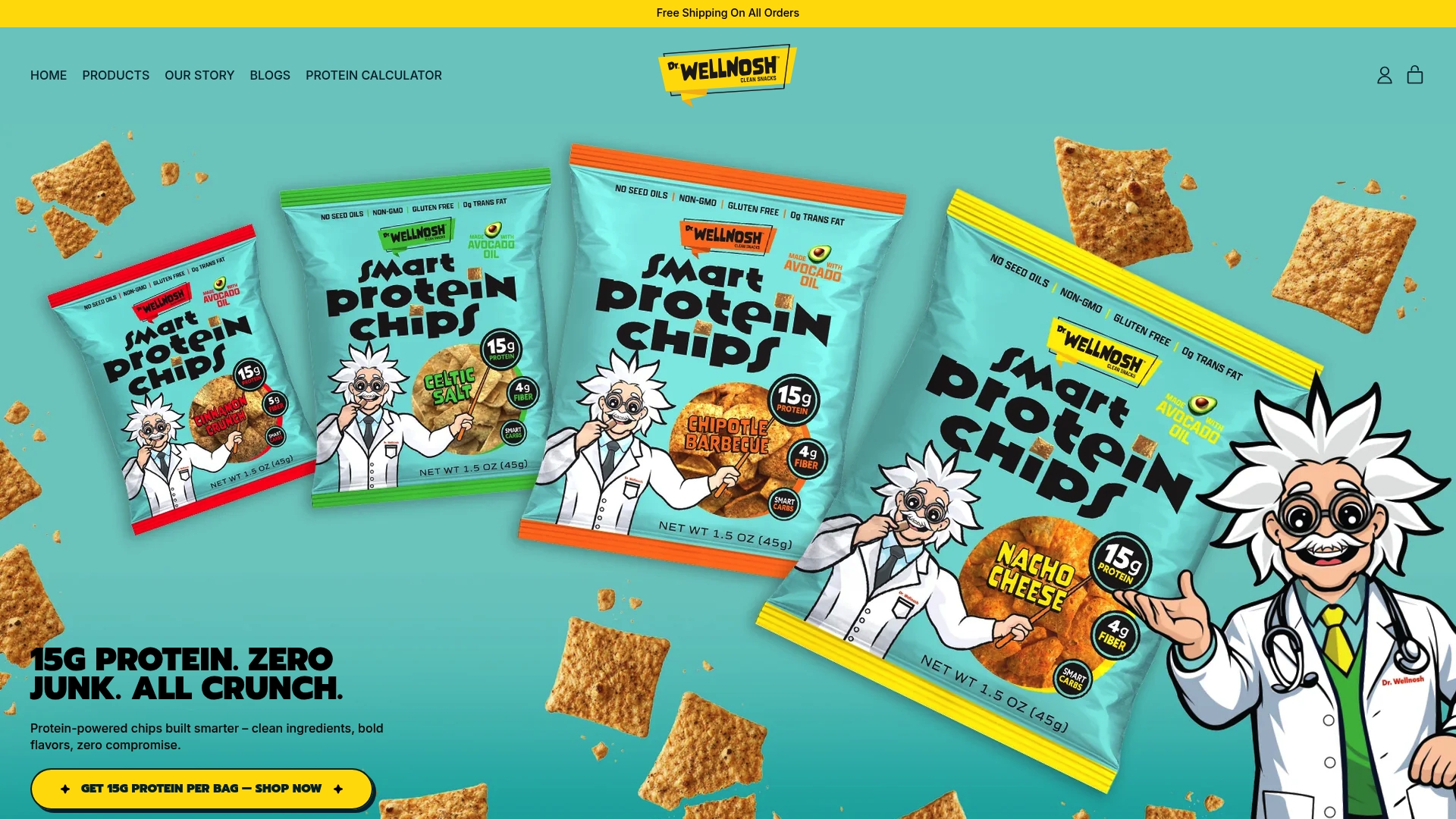
The Chipotle Barbecue flavor is a strong starting point for savory snackers, while the Cinnamon option works well for those who prefer a sweeter profile without the sugar hit. For trackers who want to test the full range, the Wellnosh variety pack covers all five flavors in one order. Real ingredients, real protein, and a crunch that holds up in a gym bag or desk drawer.
FAQ
What is the role of snacks in daily macro targets?
Snacks fill the nutritional gap between meals by contributing protein, healthy fats, and fiber that meals alone rarely deliver in full. For active individuals, planned snacks are the most practical way to hit daily protein targets without overeating at main meals.
How much protein should a macro-friendly snack contain?
A functional snack contains 15–30g of protein, depending on body size and training schedule. That range supports muscle maintenance and satiety without interfering with appetite at the next meal.
How do snacks help maintain macros between meals?
Eating every 3–5 hours with planned snacks prevents metabolic slowdown and keeps blood sugar stable. Pairing protein with fiber or healthy fat extends satiety and reduces the cravings that lead to unplanned eating.
Why does random grazing hurt macro tracking?
Unplanned snacks add calories and carbs without contributing meaningful protein, making daily totals unpredictable. Pre-logged snacks keep your numbers consistent and give you reliable data to assess your plan.
When is the best time to eat a snack for macro goals?
Mid-morning and mid-afternoon are the most effective snack windows for most trackers. A post-workout snack within one hour of training is also a high-priority window for muscle repair and protein distribution.


