

· By Dr. Wellnosh
22 PCOS Friendly Snacks That Follow the Dietitian Pairing Rule
PCOS-friendly snacks pair a fiber-rich carbohydrate with protein and/or healthy fat to blunt blood-sugar spikes and reduce cravings. Keep added sugar under 6 to 7 grams per serving, and don’t stress about hitting a full 20 to 30 grams of protein at snack time. That’s a meal-sized target. For real options, jump to the snack list below.
TL;DR:
- Most packaged snacks marketed as healthy are high in added sugar and low in fiber, making them unsuitable for PCOS management unless carefully chosen.
- Combining a fiber source with protein or healthy fat and keeping added sugar below 6 to 7 grams per serving creates a balanced, blood-sugar-friendly snack.
- Preparing snacks in advance, like batch-boiled eggs or roasted chickpeas, ensures access to convenient, PCOS-compatible options that prevent impulsive, high-sugar choices.
- High-protein snacks such as Wellnosh’s plant-based protein chips can be a nutritious alternative to regular chips if they are low in added sugar and cooked in healthy oils.
- Individual responses vary; monitoring hunger and energy levels after snacks helps tailor their effectiveness rather than solely relying on general guidelines.
Table of Contents
- What Makes a Snack Actually PCOS-Friendly
- 22 Practical PCOS-Friendly Snack Ideas You Can Actually Keep Stocked
- How to Read a Snack Label Without Overthinking It
- Building Snack Kits So You’re Never Stuck Reaching for the Wrong Thing
- Why a Protein Chip Can Actually Earn a Spot in a PCOS Snack Rotation
- Start Small, Then Watch How Your Body Actually Responds
- Try a Protein-First Snack Without Overhauling Your Pantry
- Sources
- FAQ
What Makes a Snack Actually PCOS-Friendly
Insulin resistance sits at the center of most PCOS symptoms, from irregular cycles to stubborn weight gain. When you eat a carbohydrate by itself, especially a refined one, your blood sugar spikes fast, insulin surges to compensate, and that surge feeds the hormonal imbalance that makes PCOS harder to manage. Adding protein, fiber, or fat to that same carbohydrate slows digestion and flattens the glucose curve. This is the entire logic behind PCOS-friendly snacking, and it’s simpler than most meal plans make it sound.
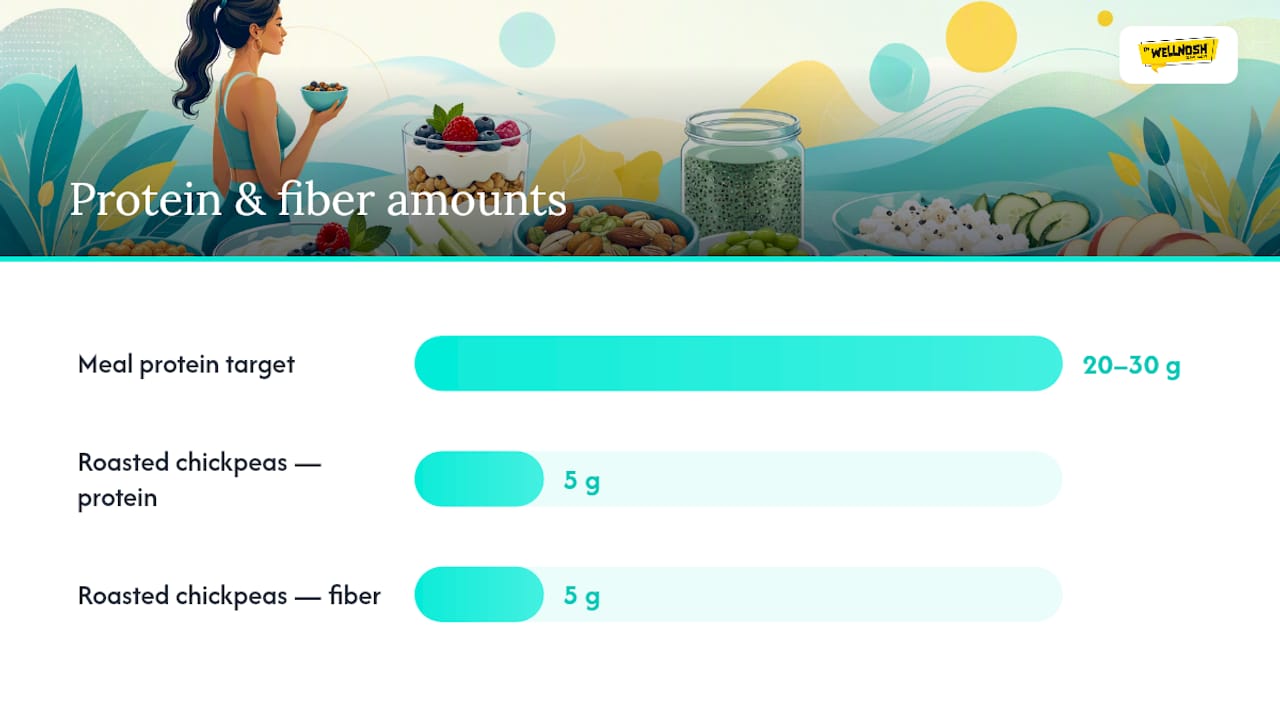
Dietitians generally recommend building meals around 20 to 30 grams of protein, but snacks don’t need to carry that same load. A PCOS-friendly meal plan from The Hormone Dietitian suggests combining at least two of three elements at snack time: protein, fiber, or healthy fat. A snack doesn’t have to check every box. It just can’t be a naked carbohydrate.
For packaged snacks specifically, the sugar ceiling matters more than people expect. Aim to keep added sugar low per serving, and lean toward high-fiber, low-glycemic choices like nuts, seeds, and non-starchy vegetables, according to Plate & Canvas’s dietitian-reviewed snack guide. Most granola bars, flavored yogurts, and “protein” cookies blow past that number before you’ve finished reading the label.
Here’s what a workable PCOS snack rule actually looks like in practice:
- Pick one fiber source (fruit, vegetable, whole grain, legume).
- Pair it with one protein or fat source (nuts, dairy, eggs, seeds).
- Check the added sugar line, not just “total sugars.”
- Stop worrying about hitting an exact protein gram count every time.
Snack math that matters: A quarter cup of roasted chickpeas delivers about 5 grams of protein and 5 grams of fiber in one small handful, according to Aspect Health’s PCOS snack breakdown. That’s a real dent in both targets from a snack you can eat straight from a jar.
One caveat worth repeating: everyone with PCOS responds a little differently to the same foods. Some women tolerate fruit on its own just fine; others notice more hunger or shakiness an hour later. Pay attention to your own appetite and energy after eating, and adjust portions and pairings based on what your body actually tells you, not just what a guide says should work.
22 Practical PCOS-Friendly Snack Ideas You Can Actually Keep Stocked
These aren’t theoretical “eat more vegetables” suggestions. Every item below follows the pairing rule, and most take under five minutes to put together.
1. Greek Yogurt With Berries
Plain Greek yogurt delivers a significant amount of protein per 3/4 cup, according to Aspect Health, and the berries add fiber without dumping in added sugar. Skip flavored versions. They’re often dessert in disguise. For a dairy-free swap, use unsweetened coconut or almond-milk yogurt with a scoop of hemp seeds to keep the protein up.
2. Apple or Celery With Nut Butter
One tablespoon of almond or peanut butter turns fruit into a legitimate blood-sugar-stable snack instead of a sugar bomb. Practitioners often note that fruit eaten alone can spike glucose for some women with PCOS, but pairing it with a spoonful of nut butter or cheese usually flattens that response, per Plate & Canvas. Nut-free households can swap in sunflower seed butter without losing the effect.
3. Hard-Boiled Eggs
Each egg carries a modest amount of protein and zero carbs, making it one of the cleanest snacks on this list. Boil a half-dozen on Sunday and you’ve got grab-and-go protein through midweek.
4. Roasted Chickpeas
A quarter cup provides a meaningful amount of protein and fiber in one crunchy handful, matching the profile referenced above from Aspect Health. They’re shelf-stable, portable, and satisfy the same craving a bag of chips would.
5. Edamame
A cup of steamed edamame in the pod is closer to a meal than a snack in terms of protein and fiber combined, and it’s naturally gluten-free and vegan. Sprinkle with sea salt and eat it straight from the pod for a slower pace that curbs mindless overeating.
6. Cottage Cheese With Fruit
Cottage cheese is dense in protein and pairs well with sliced peaches, pineapple, or berries. If dairy doesn’t sit well, a plant-based cottage cheese alternative or extra-firm silken tofu blended with a splash of lemon gets close.
7. Mixed Nuts With Dark Chocolate
Portion control is the whole game here. Pre-measuring nuts into 1 to 1.5 ounce servings protects both your calorie count and your satiety, a point echoed in WebMD’s blood sugar snack guide. Add two squares of dark chocolate (70% cacao or higher) for a treat that doesn’t undo the fiber and fat you just ate.
8. Hummus With Vegetables
Carrot sticks, cucumber, and bell pepper strips dipped in two tablespoons of hummus deliver fiber from the vegetables and protein plus fat from the chickpea base. This one holds up especially well for meal-prepping into small containers.
9. Avocado on Whole-Grain Toast
Half an avocado mashed onto a slice of whole-grain or seeded bread gives you fiber from the bread, healthy fat from the avocado, and enough substance to actually hold hunger off. Top with a sprinkle of hemp seeds for a small protein boost.
10. Chia Pudding
Two tablespoons of chia seeds soaked overnight in unsweetened almond milk swell into a pudding loaded with fiber and omega-3 fat. Stir in cinnamon and a few berries in the morning and it’s ready before your coffee is.
11. Tuna or Salmon Mini Cups
Single-serve pouches of tuna or salmon are underrated because they need zero prep and travel well in a bag or desk drawer. Pair with a few whole-grain crackers or cucumber slices for the fiber half of the equation.
12. Seed Crackers With Cheese
Look for crackers made primarily from flax, chia, or sesame seeds rather than refined flour. A slice of cheese on top adds protein and fat, rounding out what would otherwise be a fiber-only snack.
13. No-Bake Protein Bites
Oats, nut butter, and a touch of honey rolled into bite-sized balls give you a portable snack with fiber and protein built in. Keep a batch in the freezer and grab two or three when you need something sweet without reaching for a candy bar.
14. Popcorn Paired With Protein
Air-popped popcorn alone is low-calorie and fiber-rich (about 93 calories and 3 grams of fiber per 3 cups), but it’s also fairly high in carbs at roughly 18 grams for that same portion, according to WebMD. That carb load is exactly why popcorn needs a protein partner, like a string cheese or a small handful of nuts, rather than standing alone as your only snack.
15. Wellnosh Protein Chips
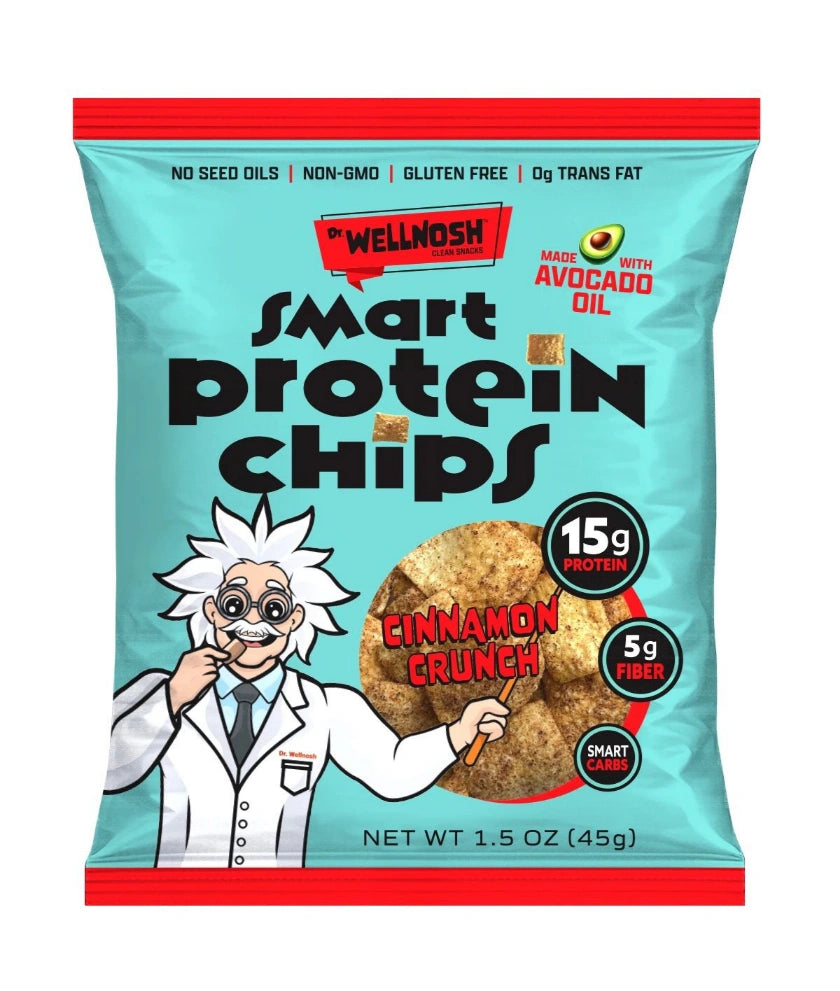
A single bag of Wellnosh’s plant-based protein chips delivers 15 grams of fava bean protein, which already puts it ahead of most packaged snack chips on the protein side of the equation. They’re cooked in avocado oil instead of seed oils, carry no added sugar, and come in a short, recognizable ingredient list. Portion one bag as a standalone snack, or split it in half and pair it with a boiled egg or a piece of fruit if you want extra fiber alongside the protein.
16. Pumpkin Seeds
An ounce of roasted pumpkin seeds provides protein, magnesium, and healthy fat in one shelf-stable package. Toss a small bag in your purse for the afternoon slump at work.
17. Turkey or Veggie Roll-Ups
Roll a slice of turkey or plant-based deli alternative around a stick of cheese or avocado slice. It’s essentially a low-carb, high-protein finger food that needs no utensils.
18. Protein Smoothie (Small Portion)
Blend unsweetened almond milk, a scoop of protein powder, half a banana, and a spoonful of ground flaxseed. Keep the portion small, around 8 ounces, so it reads as a snack rather than a meal replacement.
19. Olives and Feta
A small handful of olives with a cube of feta cheese covers healthy fat and protein in one Mediterranean-style bite. It’s also naturally low in carbs, which makes it easy to pair with fruit if you want more fiber.
20. Whole-Grain Crackers With Guacamole
Choose crackers with 3 grams of fiber or more per serving, then top with guacamole for healthy fat. If gluten is an issue, swap in seed-based or brown rice crackers.
21. Frozen Grapes With Almonds
Frozen grapes taste almost like candy but carry natural fiber, and a small handful of almonds on the side adds the fat and protein that keep them from spiking blood sugar alone.
22. Bell Pepper Strips With Egg Salad
Mash a hard-boiled egg with a spoonful of Greek yogurt instead of mayonnaise, then scoop it onto pepper strips. You get protein, fat, and fiber in one dish, with almost no carbs to manage.
How to Read a Snack Label Without Overthinking It
Most packaged snacks marketed as “healthy” aren’t built for someone managing PCOS. The fix isn’t memorizing a nutrition degree’s worth of terminology. It’s checking four numbers every time, in this order:
- Serving size first, because everything else on the label is meaningless without it.
- Added sugar, not total sugar. Total sugars include natural sugar from fruit or dairy, while added sugar is the number that actually predicts a blood-sugar spike, per Young Women’s Health Guide.
- Fiber, aiming for 3 to 5 grams or more per serving when possible.
- Protein, and if it’s under 5 grams, plan to pair the snack with something else.
Keep the added-sugar cutoff at under 6 to 7 grams per serving, and treat anything higher as a dessert rather than a snack, following the same threshold Plate & Canvas recommends for PCOS. Watch for sugar hiding under other names in the ingredient list too. Sucrose, maltose, dextrose, and any word ending in “syrup” all count as added sugar even when the front label says “natural.”
Ingredient lists themselves are a fast filter. If you can’t recognize or pronounce most of what’s in the bag, or the list runs longer than eight or ten items, that’s usually a sign of ultra-processing. Many bars and chips marketed as protein-forward or “healthy” still lean on inflammatory seed oils and hidden sugars, a pattern flagged repeatedly in Plate & Canvas’s snack guide.
Pro Tip: If a packaged snack fails the protein check, don’t put it back. Just grab a string cheese, a hard-boiled egg, or a small container of Greek yogurt to eat alongside it. The pairing fixes the gap in under ten seconds.
Building Snack Kits So You’re Never Stuck Reaching for the Wrong Thing
The single biggest predictor of whether you eat a PCOS-friendly snack or a vending-machine candy bar is whether the good option was already within reach. Preparation beats willpower almost every time.
- Batch-prep on one day a week. Boil six eggs, wash and cut vegetables into sticks, and portion nuts into 1 to 1.5 ounce bags so you’re not eyeballing servings at 3 p.m. when you’re already hungry.
- Make roasted chickpeas in bulk. Toss drained, dried chickpeas with olive oil and spices, then roast at 400°F for 25 to 30 minutes until crisp. They keep in an airtight container at room temperature for about a week.
- Batch no-bake protein bites. Mix oats, nut butter, a touch of honey, and a scoop of protein powder, roll into balls, and freeze. They thaw in about ten minutes at room temperature, so grab one on your way out the door.
- Assemble grab-and-go snack cups. Pre-portion hummus, guacamole, or nut butter into small containers alongside cut vegetables or apple slices so lunch bags and desk drawers are always stocked.
- Rotate your options weekly. Repeating the same three snacks for a month is how boredom quietly turns into skipped snacks and worse choices later. Swap in a new pairing every week or two to keep things interesting.
Preparation strategies like these consistently show up in dietitian guidance for exactly this reason: a stocked fridge beats a strong will every single afternoon, according to Stony Brook Medicine’s nutrition guidance for PCOS. If you travel for work, pack shelf-stable options like nuts, seed crackers, or a Wellnosh chip bag the night before, the same way you’d plan snacks for a trip or holiday where good food isn’t guaranteed to be nearby.
Why a Protein Chip Can Actually Earn a Spot in a PCOS Snack Rotation
Most chips fail every rule in this article at once. They’re refined-carb heavy, low in protein, cooked in seed oils, and loaded with sodium that adds nothing toward satiety. That’s the gap some protein chips aim to close, offering a higher protein content per bag, being cooked in avocado oil instead of seed oils, and often being non-GMO, gluten-free, low-carb, and free of added sugar, aligning with label guidelines for healthier snack options.
For portioning, treat a bag as either a standalone snack on its own or split it and add a boiled egg or string cheese if you want extra staying power before a workout or a long meeting. Learn more about how snack composition affects glucose response in Wellnosh’s guide to insulin and snacking, or browse flavor options in the protein chip collection to find one that fits your rotation.
Start Small, Then Watch How Your Body Actually Responds
The biggest mistake I see in PCOS nutrition advice is treating it like an all-or-nothing overhaul. It isn’t. Swap one snack a day for a pairing that actually includes protein or fiber, and give it two weeks before judging whether it’s working. Pay attention to real signals: fewer energy crashes, steadier hunger, less of that shaky, ravenous feeling an hour after eating. Those responses tell you more than any general guideline ever could, because PCOS doesn’t behave identically in every body. If you’re making bigger changes or managing medication alongside your diet, loop in a registered dietitian or your prescribing clinician. They can tailor these general rules to your specific labs and symptoms in a way a snack list never will.
— Dr. Wellnosh
Try a Protein-First Snack Without Overhauling Your Pantry
Most “healthy” snack swaps ask you to give something up, whether that’s convenience, flavor, or the actual satisfaction of eating something crunchy. Some chips skip that trade-off entirely, offering a product cooked in avocado oil instead of seed oils, carrying a significant amount of plant protein per bag with zero added sugar.
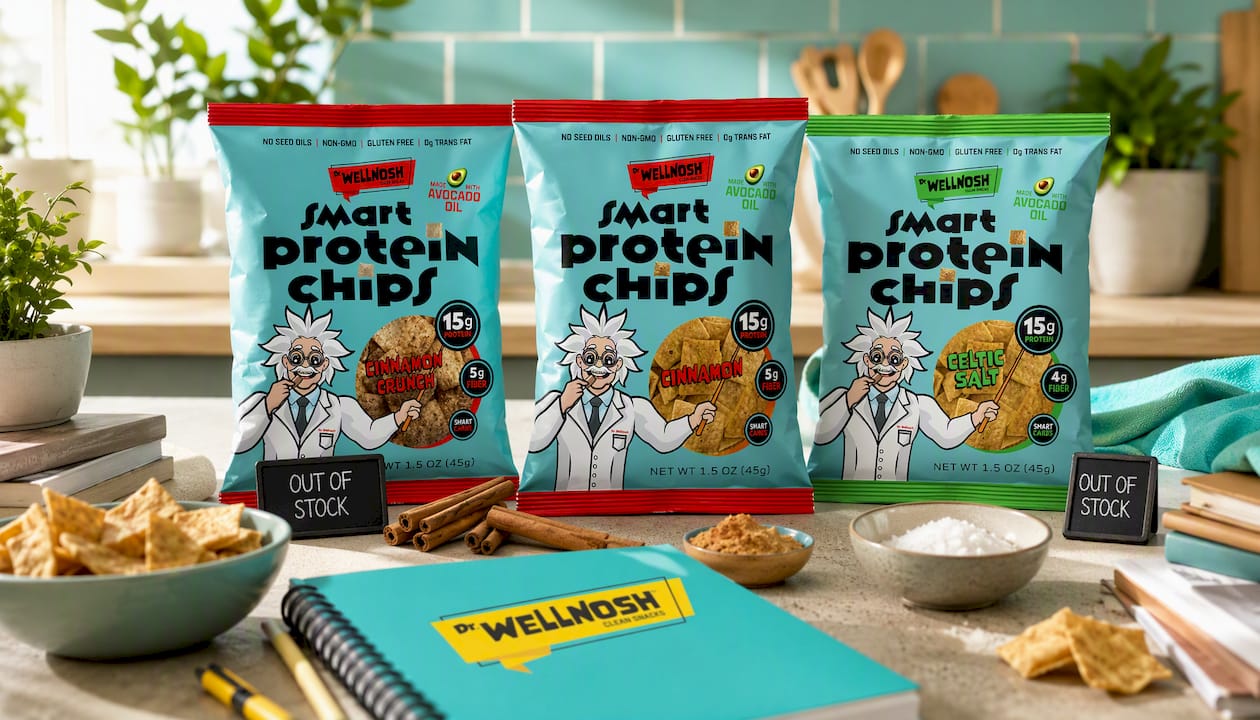
That protein count matters more than it sounds like on paper. Most bagged chips give you starch and salt with nothing to slow the blood-sugar response the rest of this article walks through. A bag of Wellnosh’s protein chips already does half the pairing work for you, whether you reach for Cinnamon for something sweeter or Celtic Salt for a savory pick. Keep a couple of flavors on hand and rotate them into your weekly snack kit so you’re never stuck choosing between “convenient” and “actually fits my plan.” Check current stock and flavor availability on the protein chip collection page and order a bag to try with your next snack rotation.
This article is general information, not a substitute for advice from a qualified doctor. Consult a qualified healthcare professional about your own circumstances before acting on anything here.
Sources
- Top 20 Easy Snacks for PCOS From a Dietitian – Plate & Canvas
- 12 PCOS snacks for weight loss – Aspect Health
- Nutrition management for PCOS – Stony Brook Medicine
- Snacks and blood sugar – WebMD
FAQ
Is SkinnyPop OK for PCOS?
Plain air-popped popcorn like SkinnyPop’s original flavor is a reasonable occasional snack since it’s low-calorie and provides fiber, but it runs higher in carbs at roughly 18 grams per 3 cups, according to WebMD. Pair a serving with a string cheese or a small handful of nuts to keep your blood sugar steadier.
What Should a Woman With PCOS Eat for Snacks?
The rule is straightforward: pair a fiber-rich carbohydrate with protein and/or healthy fat, and keep added sugar under 6 to 7 grams per serving on anything packaged, per Plate & Canvas. Good starting points include Greek yogurt with berries, roasted chickpeas, hard-boiled eggs, or a portioned bag of Wellnosh protein chips.
What Crackers Are Safe to Eat With PCOS?
Since most crackers are low in protein on their own, pair them with cheese, hummus, or nut butter to round out the snack.
What Chips Are PCOS-Friendly?
The best chip choices are low in added sugar, free of seed oils, and carry enough protein to slow the blood-sugar response instead of spiking it. Wellnosh’s plant-based protein chips fit that profile with 15 grams of fava bean protein per bag, avocado oil instead of seed oils, and no added sugar.


