

· By Dr. Wellnosh
5 Dietitian Backed Gluten-Free Snacks Kids Will Eat
Certified packaged bars, fruit pouches, gluten-free crackers or pretzels, popcorn, and portable protein bites cover most lunchbox and after-school needs, and a plant-protein chip bag can fill the higher-protein gap when extra protein is needed. Always check for a certified gluten-free label and read the “may contain” line before anything goes in a backpack. From here, this guide walks through the shopping shortlist, naturally gluten-free combos, five-minute recipes, and how to read a label without a magnifying glass.
TL;DR:
- Certified gluten-free snack bars and crackers are the safest options for lunchboxes, especially when checked for third-party certification and clear “may contain” warnings.
- Pairing a protein with a fruit or vegetable, such as cheese with fruit or eggs with vegetables, enhances satiety and maintains steady blood sugar levels during the day.
- Homemade gluten-free snacks like oat and seed bars or fruit and yogurt bark offer customizable options that are ideal for children with allergies or celiac disease.
- Reading labels carefully is essential, with the GFCO seal and ingredient lists being reliable indicators of truly gluten-free products, especially for children with celiac disease.
- Plant-based protein chips provide a portable, high-protein, gluten-free after-school snack that can replenish energy and satisfy craving for crunchy treats.
Table of Contents
- Store-Bought Gluten-Free Snacks for Kids Worth Stocking
- Naturally Gluten-Free Foods and Mini-Meal Combos Kids Will Eat
- Easy Homemade Gluten-Free Snack Recipes for Lunchboxes
- Reading Labels Without Getting Fooled
- Higher-Protein After-School Snacks That Are Gluten-Free
- What Actually Matters When You’re Packing These Lunches
- A Gluten-Free Snack That Doubles as a Protein Boost
- Sources
- FAQ
Store-Bought Gluten-Free Snacks for Kids Worth Stocking
You do not need a specialty store to build a solid rotation. Grocery aisles now carry certified gluten-free versions of nearly everything a kid already likes, but not every “gluten-free” sticker means the same thing, and portability matters as much as ingredients when you’re packing for a classroom.
Here’s how the main categories break down:
- Applesauce pouches and fruit cups: Naturally gluten-free in almost every case, shelf-stable for months, and require zero prep. Best for toddlers and preschoolers who still need squeeze-friendly textures; check for “no added sugar” if you’re watching total sugar intake.
- Certified kid-friendly snack bars: Look for a GFCO seal or clear “certified gluten-free” language on the front. Brands like Skout Organic print short ingredient lists and certification marks that make label-scanning fast at the store.
- Gluten-free crackers and pretzels: Great for lunchboxes because they hold up in a bag all day without going stale. Retail listings for products like Glutino’s chocolate-covered pretzels specifically flag lunchbox and travel suitability, which tells you the brand is thinking about the exact use case you need.
- Crunchy puffs and veggie straws: Usually corn or rice-based, which makes them naturally gluten-free, but always confirm since some seasoning blends sneak in wheat-based flavoring.
- Yogurt-covered treats and cookies: Fun for parties, but check twice here. This category has the highest rate of hidden gluten from flour-based coatings or shared processing lines.
- Trail mix or seed-and-nut mixes: High in protein and fat, which means better satiety, but they’re a choking risk for kids under four and off-limits in nut-free classrooms.
For satiety, bars and trail mixes beat fruit pouches and crackers, which digest fast and leave kids hungry again within an hour; consider these high-protein breakfast ideas for busy kids and adults alike. If you’re prepping for a classroom with mixed allergies, prepacked kits marketed as top-9 allergen-free and 100% gluten-free take the guesswork out of party planning, since somebody else already did the cross-checking.
Naturally Gluten-Free Foods and Mini-Meal Combos Kids Will Eat
Whole foods are gluten-free by default, and that’s the fastest way to stop reading labels altogether. Fresh fruit, carrot and cucumber sticks, hard-boiled eggs, cheese sticks, nut or seed butters, rice cakes, and popcorn are the backbone of nearly every dietitian-recommended snack list, largely because none of them require a factory to guarantee safety.
The real trick isn’t picking one food. It’s pairing a protein with a fruit or vegetable, sometimes called a “mini-meal,” which keeps blood sugar steadier than a carb-only snack and helps kids avoid the mid-afternoon crash. This approach shows up consistently in pediatric nutrition guidance from Nemours KidsHealth, and it works because protein slows digestion just enough to stretch out the energy from the carbohydrate.
Five combos that actually get eaten instead of traded away at the lunch table:
- Apple slices with sunflower seed butter (nut-free classroom safe)
- String cheese with grapes cut in half for younger kids
- Hard-boiled egg with cherry tomatoes
- Rice cakes topped with mashed avocado and a pinch of salt
- Carrot sticks with a small container of hummus
Texture matters more than parents expect. A four-year-old who gags on chunky nut butter might happily eat the same flavor blended smoother, and celiac-diagnosed kids sometimes need extra reassurance that a food is “safe” before they’ll touch it, so keeping the same 4 or 5 combos on repeat for a few weeks builds trust faster than novelty does.
Easy Homemade Gluten-Free Snack Recipes for Lunchboxes
Homemade snacks give you full control over ingredients, which matters most for kids managing celiac disease or multiple allergies at once. Dietitian guidance consistently points toward whole, minimally processed ingredients that you can customize for other allergies without losing the recipe entirely, and these five formulas are built for exactly that kind of swapping.
- No-bake oat and seed bars: Mix certified gluten-free oats, sunflower seed butter, honey, and a scoop of mini chocolate chips, press into a pan, chill, and cut into bars. Keeps refrigerated for a week.
- Banana muffin tops: Swap regular flour for a 1:1 gluten-free baking blend, use extra ripe bananas for moisture, and bake as flat “tops” instead of full muffins for faster cooling and easier packing.
- Fruit and yogurt bark: Spread thick yogurt on a lined tray, top with berries, freeze, then break into pieces. Store frozen and pack in an insulated bag so it survives the ride to school.
- Savory chickpea and veggie cups: Portion hummus into small cups with cucumber and bell pepper strips for dipping. Refrigerate up to four days.
- Quick protein bites: Combine oat flour, a protein powder of choice, nut or seed butter, and a splash of milk, roll into balls, and refrigerate. These freeze well for up to two months.
Pro Tip: Batch-make one recipe on Sunday and freeze half in individual bags. Grab-and-go mornings go a lot smoother when the work is already done.
For nut-free classrooms, sunflower seed butter is the most reliable swap across all five recipes. It behaves almost identically to peanut butter in baking and spreading, without the allergen risk.
Reading Labels Without Getting Fooled
“Gluten-free” on the front of a package and a genuine certification are two different promises. The GFCO seal means the product has been independently tested to fall under 10 parts per million of gluten, while a plain “gluten-free” claim on the front is a manufacturer’s self-declaration with no third-party check behind it.
Gluten hides in wheat, barley, rye, and triticale, and it turns up in surprising places like soy sauce, malt flavoring, and some seasoning blends. A quick four-point check before anything goes in the cart:
- Certification mark: GFCO or another recognized third-party seal beats an unverified front-label claim every time.
- Ingredient red flags: Scan for wheat, barley, rye, malt, or “modified food starch” without a source listed.
- Allergen panel: Check the “contains” and “may contain” statements together, not just one.
- Manufacturer transparency: A company that lists a phone number or clear contact info for allergen questions is usually more careful about its supply chain.
For a child with celiac disease, “may contain” warnings are not optional to skip. Cross-contact at the trace level can trigger real symptoms, so when a label says “may contain wheat,” treat it as a hard no for school lunches, even if the ingredient list looks clean otherwise. Many schools already have policies requiring certified products for shared snack bins, so check with the classroom before sending anything with an ambiguous label.
Higher-Protein After-School Snacks That Are Gluten-Free
Kids who’ve been running around all day need more than a sugar hit at 3:00 p.m. Pairing protein with a fruit or vegetable keeps energy steadier through homework time, which matters more on practice or rehearsal days than on quiet ones.
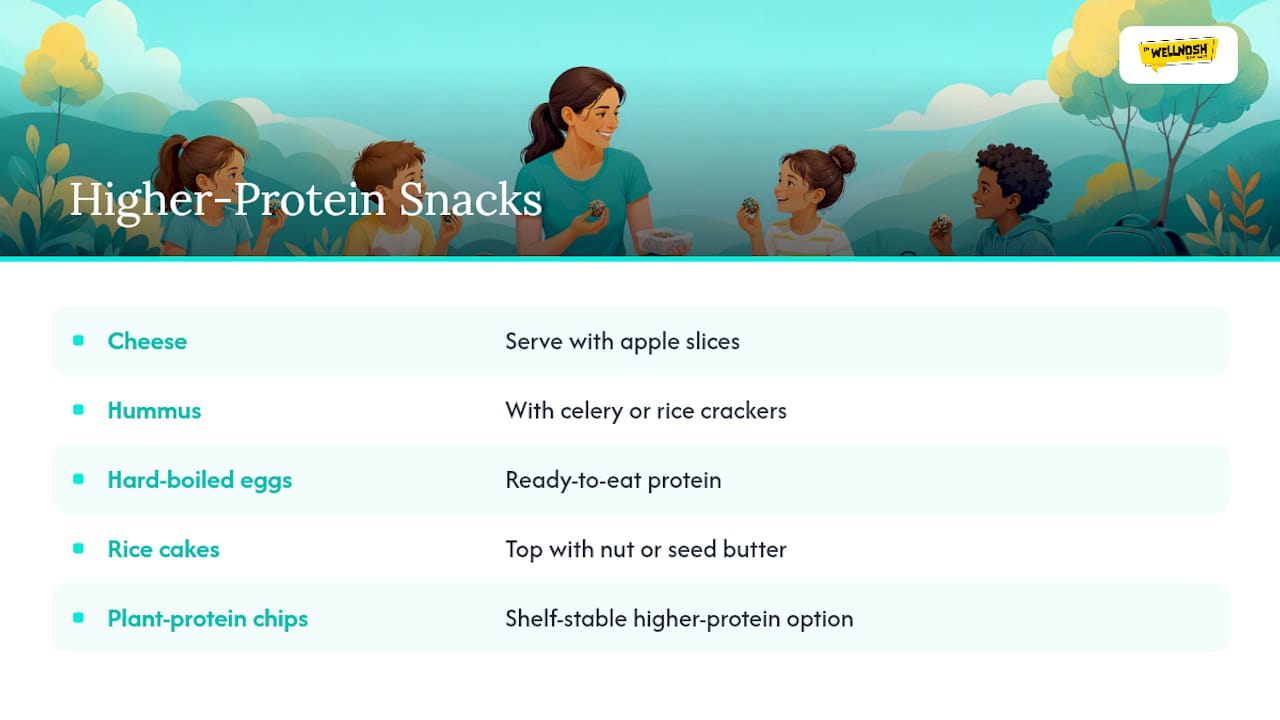
Reliable options: cheese with apple slices, hummus with celery or rice crackers, hard-boiled eggs, rice cakes with nut or seed butter, and a bag of plant-protein chips as a shelf-stable, higher-protein option that survives a backpack all day. For more after-school ideas, portion size scales with age: toddlers do well with 2 to 3 tablespoons of a protein food, while older elementary kids can handle a full serving without issue.
What Actually Matters When You’re Packing These Lunches
Favor whole foods first and treat packaged snacks as the backup plan, not the default. Simple swaps, like sunflower seed butter for peanut butter or rice cakes for wheat crackers, solve more problems than any specialty product ever will. A protein-forward snack with clean ingredients is worth testing when your kid needs more staying power between meals, but it’s one tool among several, not a fix for every situation. For celiac disease or layered food allergies, a pediatrician or registered dietitian should always have the final say over what goes in the lunchbox.
— Dr. Wellnosh
A Gluten-Free Snack That Doubles as a Protein Boost
After-school hunger doesn’t wait for dinner, and neither should your kid’s energy. Wellnosh makes plant-based protein chips with a high protein content per bag, cooked in avocado oil instead of seed oils, using real ingredients without added sugar. They’re gluten-free, non-GMO, and suitable for situations like lunchboxes, travel bags, and times when kids need more than a cracker to get through homework.
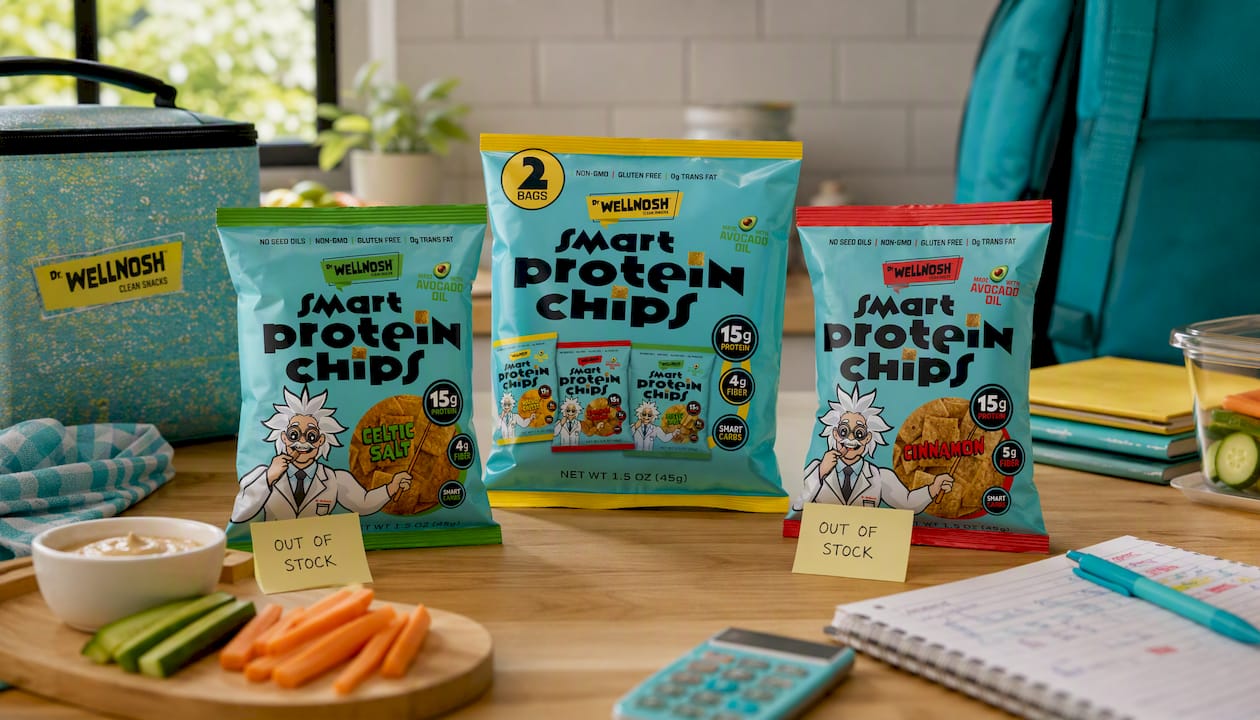
Pack a bag of Cinnamon protein chips for a sweeter after-school option, or grab the Celtic Salt flavor for a savory pick that pairs well with fruit. Not sure which flavor your kid will land on? The Variety Pack lets you test Nacho Cheese, Chipotle Barbecue, Celtic Salt, and Cinnamon without committing to a single bag. Check current availability and pricing on the protein chips collection page and see which flavor fits your kid’s lunchbox rotation this week.
Sources
FAQ
What popular snacks are gluten-free?
Many familiar snacks are naturally gluten-free, including plain popcorn, rice cakes, fruit, cheese, and most corn-based chips, along with certified gluten-free crackers and bars. Always check the label on packaged versions, since flavorings and shared factory lines can introduce gluten even in foods that seem safe by default.
What can a kid eat that is gluten-free?
Fresh fruit, vegetables with hummus or nut butter, cheese sticks, hard-boiled eggs, rice cakes, popcorn, and certified gluten-free crackers or bars all work well for kids. Pairing a protein with a fruit or vegetable, a mini-meal approach recommended by pediatric nutrition experts, helps keep energy steady between meals.
What are some good gluten-free snacks for a kid’s party?
Fruit skewers, yogurt-covered treats with a verified gluten-free label, popcorn, and prepacked allergen-safe snack kits all work well for group settings with mixed dietary needs. Kits marketed as top-9 allergen-free and 100% gluten-free remove the guesswork when you don’t know every guest’s restrictions.
What junk food doesn’t have gluten?
Most plain potato chips, corn chips, and some candy bars are gluten-free, though flavored versions often carry wheat-based seasoning, so the label still matters. A plant-based option like Wellnosh’s protein chips gives kids a crunchy, treat-like snack that’s gluten-free and non-GMO without the flavoring risk found in some seasoned chips.


