

· By Dr. Wellnosh
Best Snacks for Hikers: Fuel Every Mile
The best approach to trail snacking is simple: pack calorie-dense, durable food that covers all three macronutrients, then rotate flavors so you actually keep eating when fatigue sets in. Here are five picks that cover every need:
- Trail mix with dark chocolate chunks — quick carbs, fat, and a sweet hit in one bag
- Beef or turkey jerky — portable protein that holds up in heat
- Energy chews or gels — fast-acting sugar for steep climbs
- A fresh apple or banana — works perfectly for hikes under two hours
- Wellnosh plant-based protein chips — 15g fava bean protein per bag, cooked in avocado oil, with no seed oils, and genuinely crunchy even after hours in a pack
The one rule that applies to every hike: pair fast carbs with protein or fat, and swap between sweet and salty every few snack stops.
Key Takeaways
The most effective trail snack strategy pairs calorie-dense, durable food across all three macronutrients with deliberate flavor rotation to prevent palate fatigue and sustain energy across every mile.
| Point | Details |
|---|---|
| Prioritize energy density | Aim for a high calorie density; nuts, jerky, and nut butter pouches typically provide good energy density. |
| Rotate sweet and savory | Alternating flavors prevents palate fatigue, the leading reason hikers stop eating on long days. |
| Eat before hunger hits | Snack every 60–90 minutes on moderate hikes; pair fast carbs with protein or fat at every stop. |
| Pack for access, not just volume | Keep high-frequency snacks in hip-belt pockets; pre-portion into single-serve bags at home. |
| Wellnosh for protein rotation | Each bag delivers 15g fava bean protein, cooked in avocado oil, with no seed oils or added sugar. |
Table of Contents
- What makes a good snack for hikers?
- Which snack categories should you bring?
- How to match snacks to hike length and effort
- How much food should you bring, and when should you eat?
- How do you pack snacks to keep them safe and accessible?
- What are the best snack swaps for dietary restrictions?
- Easy no-cook snack combos you can prep at home
- Why macronutrient balance and flavor rotation actually matter
- Wellnosh chips belong in your trail kit
- Sources
What makes a good snack for hikers?
The best hiking snacks are lightweight, energy-dense, and balanced across carbohydrates, protein, and healthy fats, as Our Wanders confirms. Fresh fruit is fine for short outings but adds weight and spoils fast on longer trips. Five criteria separate a great trail snack from one that stays at the bottom of your pack:
- Energy density. Aim for roughly 100 calories per ounce on moderate hikes and a higher calorie density for strenuous multi-hour efforts. Nuts, nut butters, and jerky hit that range. An apple does not.
- Durability. Soft granola bars turn to crumbs; chocolate melts at 90°F. Choose items that survive compression and heat, or pack them in a hard-sided container.
- Packability. Single-serve pouches and resealable bags beat bulk bags you have to dig through. Hip-belt pocket access matters more than you’d think at mile eight.
- Palatability when tired. Hunger fades on long hikes. If a snack tastes bland when you’re sweaty and exhausted, you won’t eat it, and your energy will crater.
- Macronutrient balance. A snack that is pure sugar spikes energy and drops it fast. One that pairs carbs with protein and fat sustains you between breaks.
A practical shopping filter: if a snack fails two or more of these five criteria, leave it at home and swap it for something denser and more durable.
Which snack categories should you bring?
Every well-stocked trail kit draws from several categories, because no single food covers every need across a full day. Backpacker’s trail-tested picks consistently highlight small-format, calorie-dense items and novel, heat-resistant options as the ones hikers actually finish.
- Nuts and seeds. Almonds, cashews, pumpkin seeds, and sunflower seeds are calorie-dense, shelf-stable, and easy to portion. Mix with a few M&Ms or dried cranberries to make them more appealing mid-hike.
- Trail mix. The classic for a reason. Build your own with a nut base, dried fruit, and a small chocolate or yogurt-chip addition. Pre-portion into 200–250 calorie bags at home.
- Jerky and meat sticks. High protein, low moisture, and surprisingly filling. Beef, turkey, and salmon jerky all work. Kid-friendly pick: mini pepperoni sticks, which most children eat without complaint.
- Energy and protein bars. Dense and convenient, though bar fatigue is real on long trips. Rotate brands and flavors. Look for bars with at least 5g protein and under 20g added sugar.
- Chips and savory snacks. Salt replaces electrolytes lost in sweat, and a savory crunch breaks the monotony of sweet bars. Plant-based protein chips deliver protein alongside the salt hit.
- Dried fruit. Mango, apricots, dates, and raisins are fast-acting carbs in a small package. Dates in particular are calorie-dense and naturally sweet without added sugar.
- Fresh fruit. Apples, bananas, and oranges are great for hikes under two hours. After that, the weight and perishability become a liability.
- Candy and chocolate. Dark chocolate squares, gummy bears, and hard candies give a quick mental and physical lift. Pack them for summits or tough climbs as a reward and a fast energy source.
- Nut butter pouches. Single-serve squeeze packs pair with crackers or go straight into your mouth. A 33g Trail Butter pouch delivers roughly 200 calories and 6g protein, making it a compact, calorie-efficient option.
Pro Tip: For picky eaters and kids, stick to familiar flavors from home. A child who refuses a new energy bar at mile four is a problem. Pack one “fun” item they already love alongside the nutritious staples.
How to match snacks to hike length and effort
Snack selection should scale with how long and hard you’re going. Overpacking for a two-hour walk wastes money; underpacking for a ten-hour day hike is a real safety issue.
Short hikes (1–3 hours)
Keep it light. You don’t need a full resupply kit for a morning trail walk.
- 1 piece of fresh fruit
- 1 small bag of trail mix or nuts (about 150–200 calories)
- 1 energy bar or protein bar
- Water (at least 16 oz per hour)
Long day hikes (6–10 hours)
This is where macronutrient balance and flavor rotation matter most. Pack a mix of fast-burn and sustained-energy items.
- 2–3 pre-portioned bags of trail mix or nuts (200–250 calories each)
- 2 protein or energy bars
- 1–2 servings of jerky or meat sticks
- 1 serving of plant-based protein chips (for the savory rotation and protein boost)
- 1 small bag of candy, gummies, or dark chocolate for climbs and summits
- 1–2 nut butter pouches for sustained fat and calories
Multi-day backpacking
Calorie density becomes the top priority when you’re carrying everything. PCTA recommends planning resupply points or mail drops for long-distance trips, using town stops to replace perishables and specialty items.
- Focus on foods above 100 calories per ounce (nuts, nut butters, hard cheeses for the first day, jerky, protein chips)
- Pre-portion everything into single-serve bags before you leave
- Plan one “treat” per day to maintain morale
- Use town resupplies to restock fresh items and replace anything that ran out faster than expected
How much food should you bring, and when should you eat?
Most hikers underestimate how many calories they burn and overestimate how hungry they’ll feel. Appetite often drops on long efforts, which is exactly when consistent fueling matters most.
- Estimate your calorie burn. A moderate day hike burns roughly 300–500 calories per hour depending on body weight, pack weight, and terrain. A 6-hour hike with elevation gain could easily require 2,000+ calories beyond your base metabolic rate.
- Pre-portion into moderately sized snack packs. Smaller packs for easy terrain; larger ones for strenuous climbs. This removes the guesswork at the trailhead and prevents overeating from a bulk bag.
- Eat before you feel hungry. By the time hunger hits hard, your blood sugar has already dipped. Aim for a snack every 60–90 minutes on moderate hikes, and every 45 minutes on steep or sustained efforts.
- Pair fast carbs with protein or fat. Switchback Travel’s trail-tested guidance confirms that energy chews and gels provide quick bursts but don’t sustain satiety for multi-hour efforts. Follow a gel or a handful of gummies with a few bites of jerky or a nut butter pouch.
- Save a treat for the summit or turnaround point. A piece of dark chocolate or a small bag of candy at the high point gives a psychological boost and a fast energy hit for the descent.
For nutrient-dense snack portioning on longer efforts, the principle is consistent: small, frequent fueling beats one large snack eaten too late.
How do you pack snacks to keep them safe and accessible?
Organization and food safety are easy to overlook until a melted chocolate bar ruins your pack lining or a stomach bug cuts a trip short.
- Use your hip-belt pockets. The best snack is the one you can reach without stopping. Keep your highest-frequency items (trail mix, gummies, a bar) in hip-belt pockets or the top lid of your pack.
- Crush-proof containers for fragile items. Hard-sided containers protect crackers, chips, and anything that crumbles. A small Tupperware or a dedicated snack canister works.
- Resealable bags for everything else. Ziploc-style bags keep moisture out, contain crumbs, and let you re-seal after each snack stop. Pre-portioning at home means you never open a full bag on trail.
- Waterproof your food. A dry bag or a waterproof stuff sack protects snacks from rain and stream crossings. Wet crackers and soggy bars are demoralizing.
- Keep chocolate and soft bars cool. An insulated pouch or a frozen water bottle placed next to temperature-sensitive items buys a few extra hours before things melt. On hot days, swap chocolate for hard candy or gummies.
- Wash or sanitize hands before eating. Hand sanitizer weighs almost nothing and eliminates the most common source of trail stomach issues. Use it every time.
- Pack out every wrapper. Leave No Trace principles are clear: minimize packaging, carry out all waste, and never leave food scraps that could attract wildlife.
Pro Tip: Freeze a water bottle the night before a summer hike. It doubles as a cooler for the first few hours and becomes cold drinking water by midday.
What are the best snack swaps for dietary restrictions?
Dietary restrictions don’t have to mean boring trail food. Every major category has a workable alternative.
- Vegan hikers: Replace jerky with roasted chickpeas, sunflower seed butter pouches, or plant-based protein chips. Wellnosh chips deliver 15g fava bean protein per bag with no animal products, making them a direct protein swap for meat-based snacks. Seed-based bars (sunflower, pumpkin, hemp) replace nut-based options.
- Gluten-free hikers: Most nuts, seeds, jerky, and dried fruit are naturally gluten-free. Check bar labels carefully; many contain oat or wheat derivatives. Rice cakes, corn-based chips, and certified gluten-free bars are reliable alternatives. For more on high-protein chip options that fit a gluten-free approach, the category has expanded significantly.
- Nut-free hikers: Seed mixes (pumpkin, sunflower, hemp) replace trail mix. Sunflower seed butter pouches replace almond or peanut butter. Jerky, meat sticks, and protein chips fill the protein gap without any tree nuts or peanuts.
- Allergy safety on trail: Read labels at home, not at the trailhead. Store allergen-free snacks in a separate, clearly labeled bag. If hiking with a group, let everyone know about serious allergies before you leave the parking lot.
Easy no-cook snack combos you can prep at home
The best trail snacks are often assembled, not bought. A few minutes of prep at home saves weight, reduces packaging, and lets you customize flavors.
- Classic trail mix: 1 oz almonds + 1 oz dried mango + 0.5 oz dark chocolate chips. About 300 calories, portable, and endlessly customizable.
- Nut butter + crackers: 1 single-serve sunflower butter pouch + 6 rice crackers. Roughly 250 calories, no refrigeration needed, and satisfying in a way that pure carbs are not.
- Jerky + dried fruit: 1 oz turkey jerky + 1 oz dried apricots. Protein and fast carbs in one small bag, about 200 calories.
- Savory protein mix: 1 bag of plant-based protein chips + a small handful of roasted pumpkin seeds. High protein, salty, and crunchy enough to feel like a real snack stop.
- Kid-friendly mix: Pretzels + yogurt-covered raisins + a few gummy bears. Familiar flavors, low mess, and easy to eat with small hands. Pack in a small zip-lock with the child’s name on it so they feel ownership over their snack.
For no-cook backpacking food ideas, single-serve nut butter packs, tuna pouches, and jerky consistently appear as reliable, prep-free options that travel well.
Why macronutrient balance and flavor rotation actually matter
The science behind trail snacking is straightforward, but most hikers ignore it until something goes wrong.
Switchback Travel’s outdoor-industry research identifies palate fatigue as a primary reason hikers stop eating standard trail foods on long days. When every snack tastes the same, appetite shuts down, calorie intake drops, and energy crashes follow. Rotating between sweet, salty, and savory options keeps the appetite signal active.
Pairing fast carbs with protein and fat addresses the other half of the problem. Quick sugars from gels, chews, or candy spike blood glucose and drop it just as fast. Adding protein and fat to the same snack stop slows digestion and extends the energy window, which is exactly what you need on a sustained climb or a long flat stretch.
Pro Tip: For plant-based protein on trail, fava bean protein chips outperform most bars on the satiety-per-ounce metric because the combination of protein and fat from avocado oil slows digestion without the sugar load.
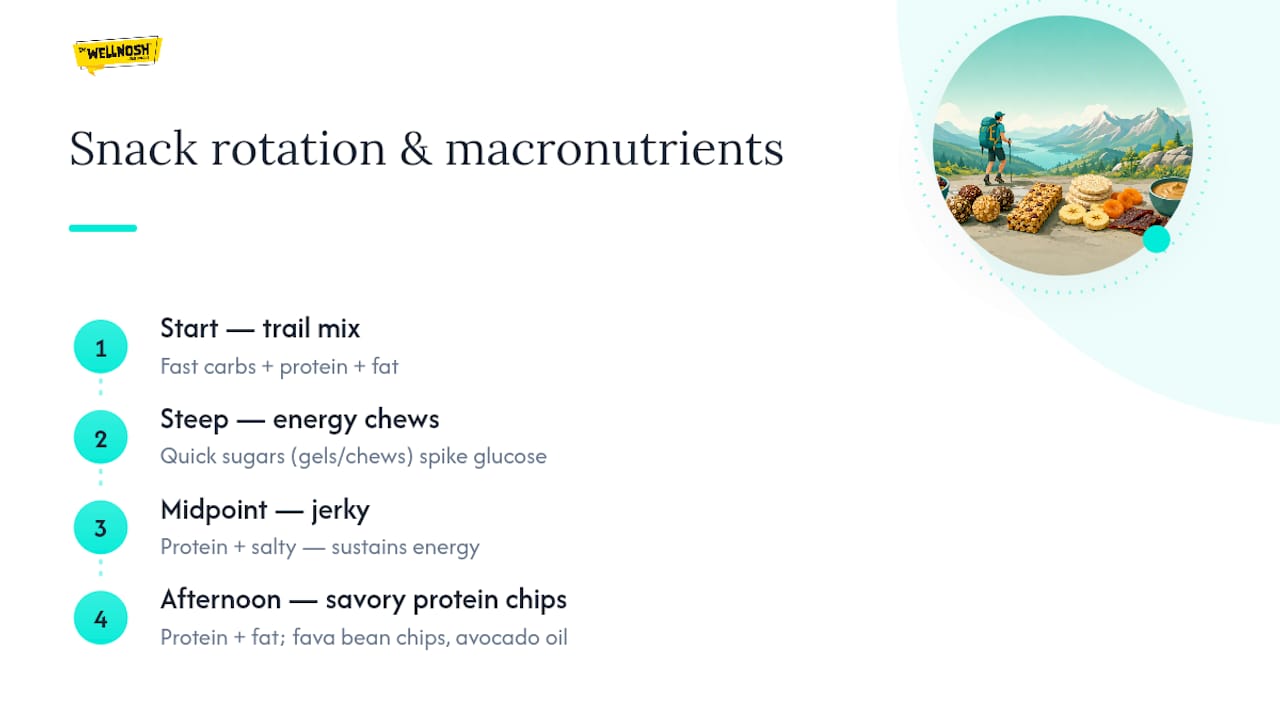
The data table above illustrates a practical rotation: open a hike with trail mix, use energy chews on the steepest section, hit jerky at the midpoint, and reach for a savory protein chip bag in the afternoon when sweet fatigue is highest.
What actually works when you’re tired and three miles from the car
Most trail-snacking advice assumes you’re fresh and motivated. The reality is different. At hour six, your taste preferences shift toward salt and fat, your willingness to dig through your pack drops to near zero, and the snack you packed “because it’s healthy” stays untouched.
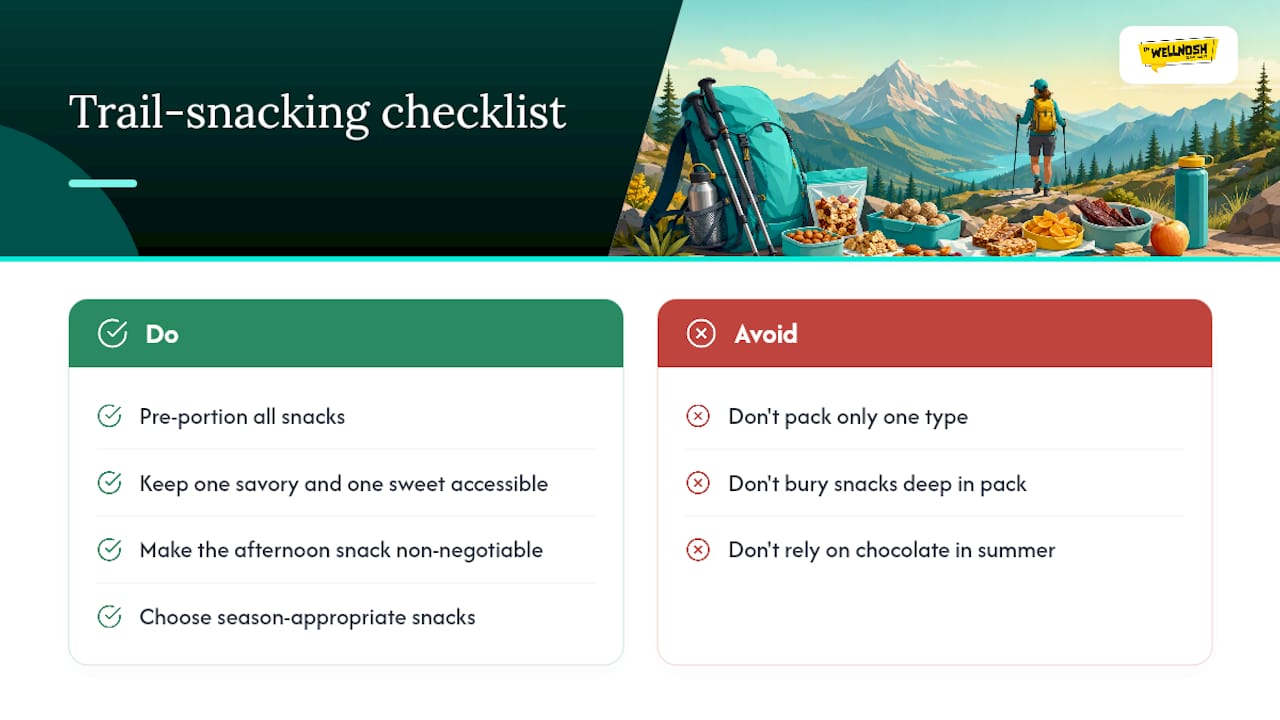
The hikers who eat consistently on long days share a few habits: they pre-portion everything so there’s no decision fatigue at snack time, they keep one savory and one sweet option in an accessible pocket, and they treat the afternoon snack as non-negotiable rather than optional.
Balancing pleasure snacks with nutritious staples isn’t a compromise. A piece of dark chocolate at the summit is both a morale boost and a fast energy source. The mistake is packing only one type. Season also matters: summer heat kills appetite and makes chocolate a liability; winter cold increases calorie burn and makes dense, fatty snacks more appealing than light bars.
Wellnosh chips belong in your trail kit
Most protein snacks for hikers are either too fragile, too sweet, or too heavy on ingredients you can’t pronounce; Wellnosh plant-based protein chips solve all three problems in one bag.
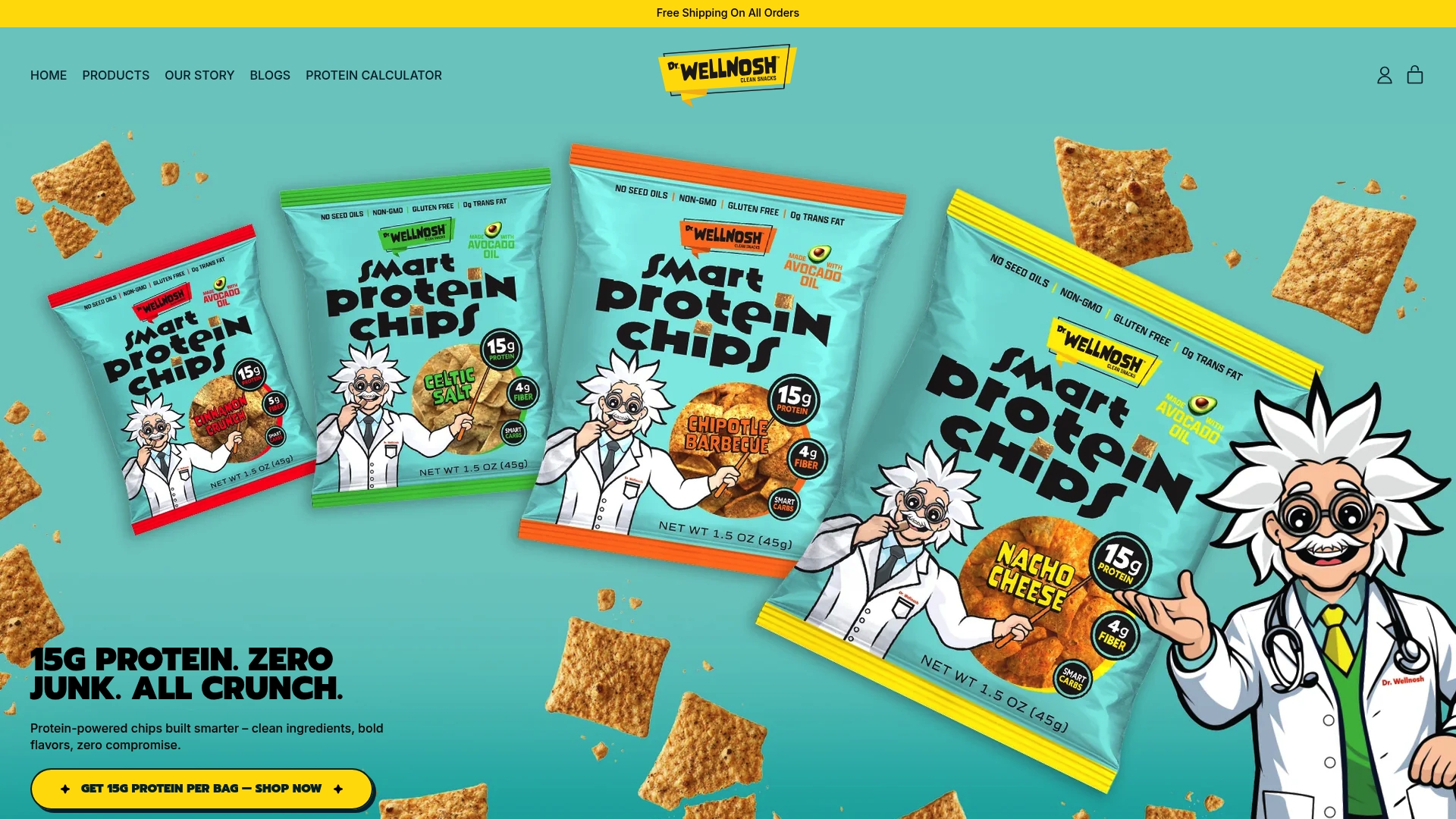
Each bag delivers 15g of fava bean protein, cooked in avocado oil with no seed oils, no artificial additives, and no added sugar. They’re non-GMO, gluten-free, and low-carb, which means they fit vegan, keto, and clean-eating trail kits without modification. The crunch holds up in a pack, the savory flavors cut through sweet-snack fatigue, and the protein content supports sustained energy rather than a quick spike.
- Nacho Cheese and Celtic Salt — available now for your next hike
- Chipotle Barbecue — the boldest savory option in the lineup
- Chipotle Barbecue (out of stock) and Cinnamon (out of stock) — check back for restocks
Stock up before your next trip at Wellnosh and add a bag to every snack rotation that needs a protein anchor.
Sources
- The Best Hiking Snacks | Switchback Tested
- These Are the Best Hiking Snacks We’ve Had in a Long Time
- The Ultimate Guide To The Best Hiking Snacks For Every Trail – Our Wanders
- Resupply | Pacific Crest Trail Association (PCTA)


