

· By Dr. Wellnosh
Why Carry On Snacks Save Money on Every Trip
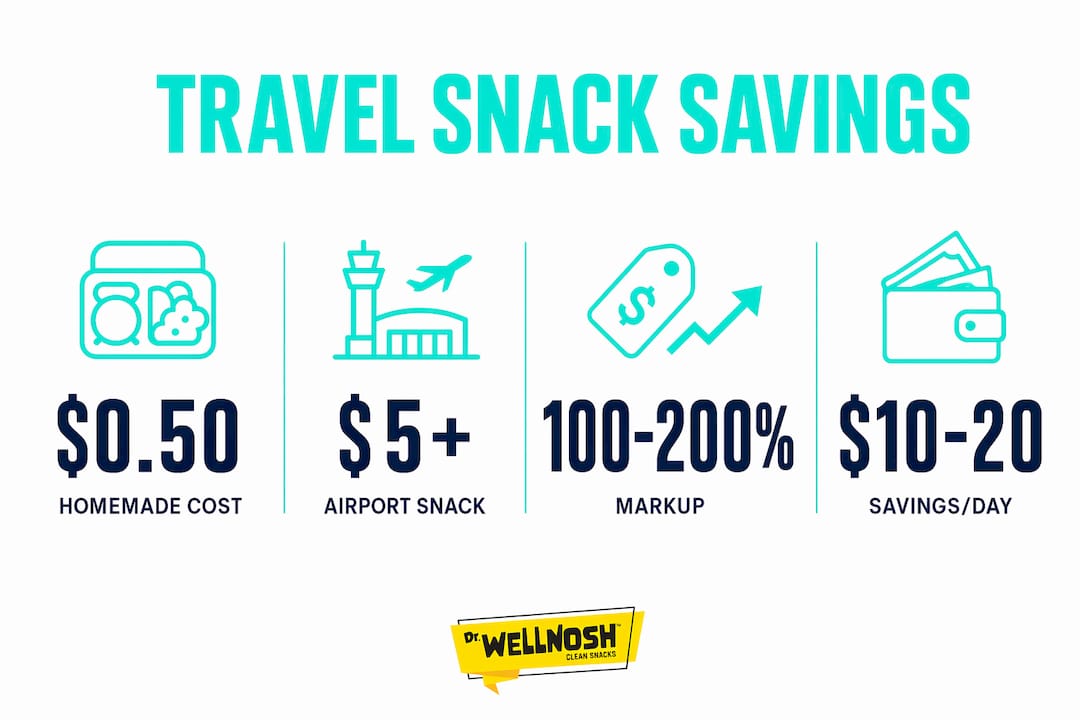
Carrying your own snacks is one of the most direct ways to cut food costs while traveling. Airport food prices carry a 100–200% markup, meaning a $2 granola bar at the grocery store becomes a $5 purchase past the security checkpoint. The TSA allows most solid foods in carry-on bags, so the only real barrier is planning ahead. Batch preparation, bulk buying, and smart packing turn snack packing into a repeatable money-saving habit that works on travel days and everyday commutes alike.
Why carry on snacks save money compared to buying on-the-go
The math is straightforward. A typical airport sandwich or bottled water costs $5 or more, while the grocery store equivalent runs half to a third of that price. Travelers who substitute even two snack purchases per day can save $10–$20 on a single travel day. Over a month of regular travel, those savings compound into a meaningful budget line.
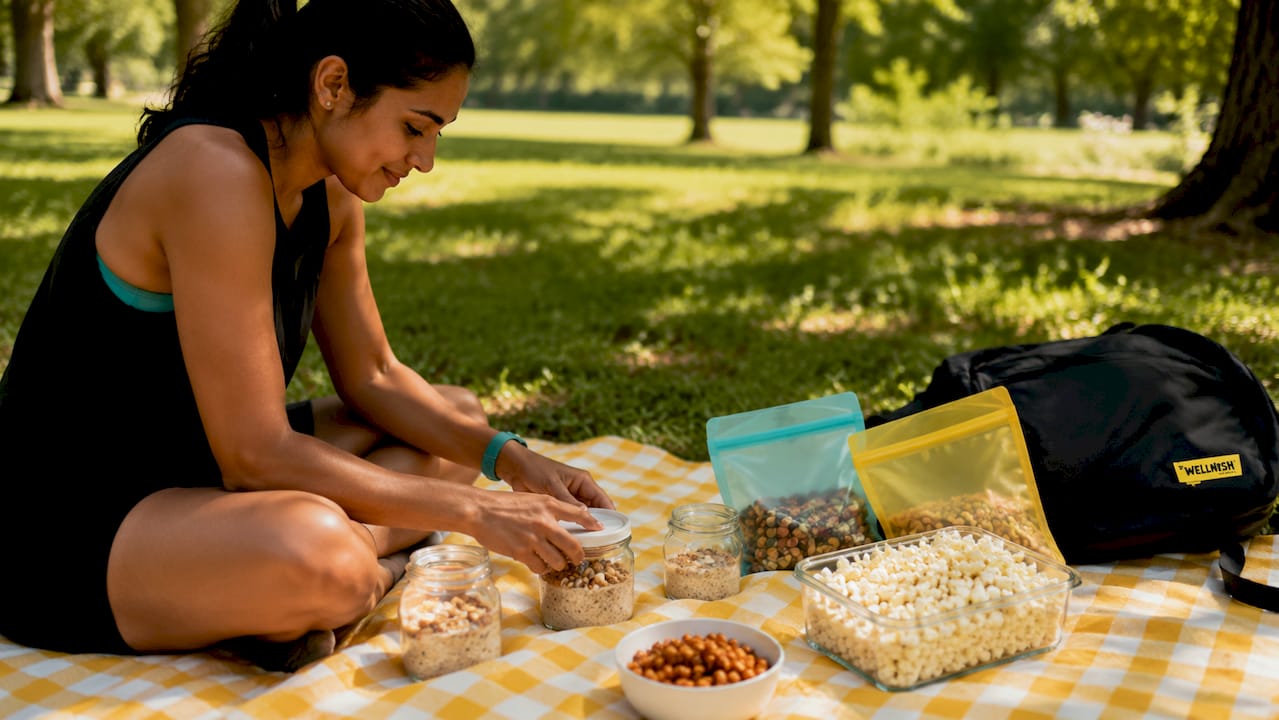
Homemade snacks cost even less. Roasted chickpeas, air-popped popcorn, and overnight oats each come in at $0.50–$1.00 per serving when you prepare them yourself. Pre-packaged versions of the same foods run $3–$5 per serving at convenience stores and airport kiosks. That gap is not a coincidence. Single-serve packaging, brand premiums, and captive-audience pricing all stack on top of the base food cost.
The table below shows the cost difference across common snacks:
| Snack | Homemade cost per serving | Store-bought cost per serving |
|---|---|---|
| Roasted chickpeas | $0.50 | $3.50 |
| Air-popped popcorn | $0.25 | $2.50 |
| Mixed nuts (portioned) | $0.75 | $4.00 |
| Overnight oats | $0.60 | $3.99 |
| Protein chips (bulk) | $1.00 | $4.50 |
The cost difference is not marginal. It is structural. Every time you buy a snack at a terminal kiosk, you pay for convenience, packaging, and location. Packing your own removes all three premiums at once.
Pro Tip: Pack two or three snack servings per travel day, not just one. A single prepared snack rarely covers a full travel day, and running out is exactly when impulse purchases happen.
What TSA rules actually allow you to bring
Solid foods are permitted in carry-on bags under TSA regulations. This covers the vast majority of practical travel snacks: nuts, dried fruit, granola bars, chips, crackers, sandwiches, and whole fruit. The rules that trip people up involve liquids, gels, and pastes.
Liquids and gels in containers over 3.4 oz are not allowed through security. That means peanut butter, hummus, yogurt, and salad dressings all fall under the liquid rule if they exceed that size. Solid versions of the same foods, such as nut butter packets under 3.4 oz or dry hummus powder, pass through without issue.
Here is a quick reference for what clears security:
- Allowed: Nuts, seeds, dried fruit, granola, chips, crackers, hard cheese, whole fruit, sandwiches, protein bars
- Restricted (3.4 oz limit): Peanut butter, hummus, yogurt, dips, sauces, juice
- Not allowed: Any liquid or paste over 3.4 oz in a single container
The hybrid approach works well for perishables. Bring dry and shelf-stable staples through security, then buy fresh fruit or a bottle of water inside the terminal. Terminal prices on simple produce are often lower than packaged snacks, and you avoid the bulk and weight of carrying perishables through screening.
Pro Tip: Frozen gel packs must be completely solid at the checkpoint to pass TSA screening. A partially thawed pack gets flagged as a liquid. Freeze them overnight and pack them last.
How batch cooking and bulk buying cut cost per serving
Buying bulk ingredients and portioning them yourself is the single most effective way to drop snack costs below $1.00 per serving. The unit price on a 2-pound bag of mixed nuts is a fraction of what you pay for a 1-ounce airport packet. The same logic applies to oats, dried chickpeas, seeds, and trail mix components.
Batch cooking takes that savings further. Here is a practical weekly prep routine:
- Roast chickpeas. Drain, dry, season, and roast a full can at 400°F for 30–40 minutes. Portion into four to five reusable bags. Cost per serving: under $0.50.
- Pop a large batch of popcorn. Air-pop one cup of kernels and divide into snack-size portions. Season with nutritional yeast, salt, or spices. Cost per serving: under $0.30.
- Prep overnight oats. Combine oats, frozen fruit, and a protein source in small jars. Frozen fruit lasts longer than fresh and costs less per ounce, with no nutritional trade-off.
- Mix a trail mix. Combine bulk nuts, seeds, and dried fruit. Portion into individual bags. Cost per serving: $0.60–$0.80 depending on ingredients.
- Pack protein chips. High-protein options like Wellnosh Smart Protein Chips require no prep, deliver 15g of fava bean protein per bag, and travel well without refrigeration.
The key habit is portioning at home rather than grabbing single-serve packages at the store. Pre-packaged snacks carry a 50–100% markup over the equivalent bulk volume. That markup is the “impulse packaging premium,” and avoiding it is where the real long-term savings live.
Reusable containers pay for themselves quickly. A set of silicone bags costs less than two airport snack purchases and lasts for years. Portioning into them at home also reduces food waste, since you control serving sizes rather than eating an entire large bag because it is open.
Pro Tip: Prep snacks on Sunday for the full week. Thirty minutes of batch prep eliminates daily decision-making and removes the temptation to buy convenience snacks when you are short on time.
Practical snack packing tips for freshness and security
Organization inside your carry-on determines whether snacks arrive intact and clear security without delays. Silicone reusable bags and bento-style containers protect snacks from crushing and make it easy to pull them out at the checkpoint without unpacking your entire bag.
Packing strategy matters as much as container choice:
- Place hard containers at the bottom of your bag to protect softer snacks stacked on top.
- Keep all snacks in one dedicated pouch or compartment so you can pull them out quickly at security.
- Separate liquids and gels into a clear quart-size bag, even if they are under 3.4 oz, to speed up screening.
- Use insulated pouches with frozen gel packs for perishables like hard-boiled eggs or cheese sticks. The gel pack must be fully frozen at the checkpoint.
- Pack condiments in solid form when possible. Single-serve olive oil packets, dry seasoning, and nut butter squeeze packs under 3.4 oz all work without triggering the liquid rule.
Replenishing after security is a smart move for fresh items. Buy a banana, an apple, or a bottle of water inside the terminal rather than carrying them through screening. Terminal produce is usually cheaper than packaged snacks and adds variety without adding carry-on bulk.
Pro Tip: Label your snack pouch clearly if you are traveling with others. It prevents confusion at security and makes it easy to hand snacks to kids or travel partners without digging through the whole bag.
The psychology behind airport overspending and how snacks stop it
Hunger-driven impulse buying at airports and convenience stores is one of the most predictable spending traps in travel. When you are hungry, tired, and surrounded by food options, your willingness to pay doubles. Airports are designed to capture that spending. High-traffic locations, limited competition, and time pressure all push prices up and judgment down.
The “convenience tax” is real. You pay it every time you buy a snack because it is there and you are hungry, not because it is a good deal. Carrying a prepared snack supply removes the decision entirely. When you are not hungry, you do not buy. When you do not buy, you do not overpay.
Nutrition plays a role here too. Protein and fiber-rich snacks keep energy stable longer than the high-sugar options that dominate airport food courts. A bag of chips from a kiosk spikes blood sugar and leaves you hungry again within an hour. A snack with real protein and fiber holds you through a layover without triggering another purchase.
“Bringing snacks with better nutritional profiles supports wellness and reduces reliance on unhealthy impulse snacks at airports.” — Reader’s Digest
Budget-conscious travelers who replace sugary snacks with protein-forward options report staying fuller longer and spending less overall. The financial and nutritional benefits reinforce each other. Better snacks mean fewer purchases, and fewer purchases mean more money stays in your pocket.
Key Takeaways
Carrying your own snacks saves $10–$20 per travel day by eliminating airport markups, reducing impulse purchases, and cutting cost per serving to under $1.00 through bulk prep.
| Point | Details |
|---|---|
| Airport markups are steep | Food at terminals costs 100–200% more than grocery store equivalents. |
| Homemade snacks cost under $1.00 | Roasted chickpeas, popcorn, and oats each come in well below pre-packaged prices. |
| TSA allows most solid foods | Plan around the 3.4 oz liquid rule and pack shelf-stable snacks freely. |
| Batch prep locks in savings | Portioning bulk ingredients weekly drops cost per serving and removes impulse buying. |
| Protein snacks reduce purchases | High-protein, high-fiber options keep you full longer and cut the need for repeat buys. |
The real cost of not packing snacks
I have watched budget-conscious travelers spend $40 on airport food during a single layover, not because they planned to, but because they were hungry and unprepared. The math is not complicated. Two snack purchases and a bottle of water at an airport terminal easily hit $20. Do that twice a month and you have spent $480 a year on food that cost $80 worth of groceries.
What surprises most people is how little prep it actually takes. A Sunday batch session of 30 minutes covers a full week of travel snacks. The containers pay for themselves in two trips. The habit, once built, becomes automatic.
The nutrition angle is underrated. Airports are not designed to sell you clean snacks for energy. They sell what sells fast: sugar, salt, and convenience packaging. When you pack your own, you control what goes in your body and what comes out of your wallet.
My honest take: the travelers who resist packing snacks usually cite the hassle. But the hassle is a one-time learning curve. After two or three trips with a well-packed snack pouch, it becomes as automatic as packing a phone charger. The savings are real, the nutrition is better, and the environmental footprint shrinks when you replace single-use packaging with reusable containers. There is no downside once the habit is set.
— Advantage
Wellnosh fits right into your snack packing routine
Budget-conscious travelers who want a no-prep, high-protein option that clears security without a second thought will find Wellnosh Smart Protein Chips worth keeping in the rotation.
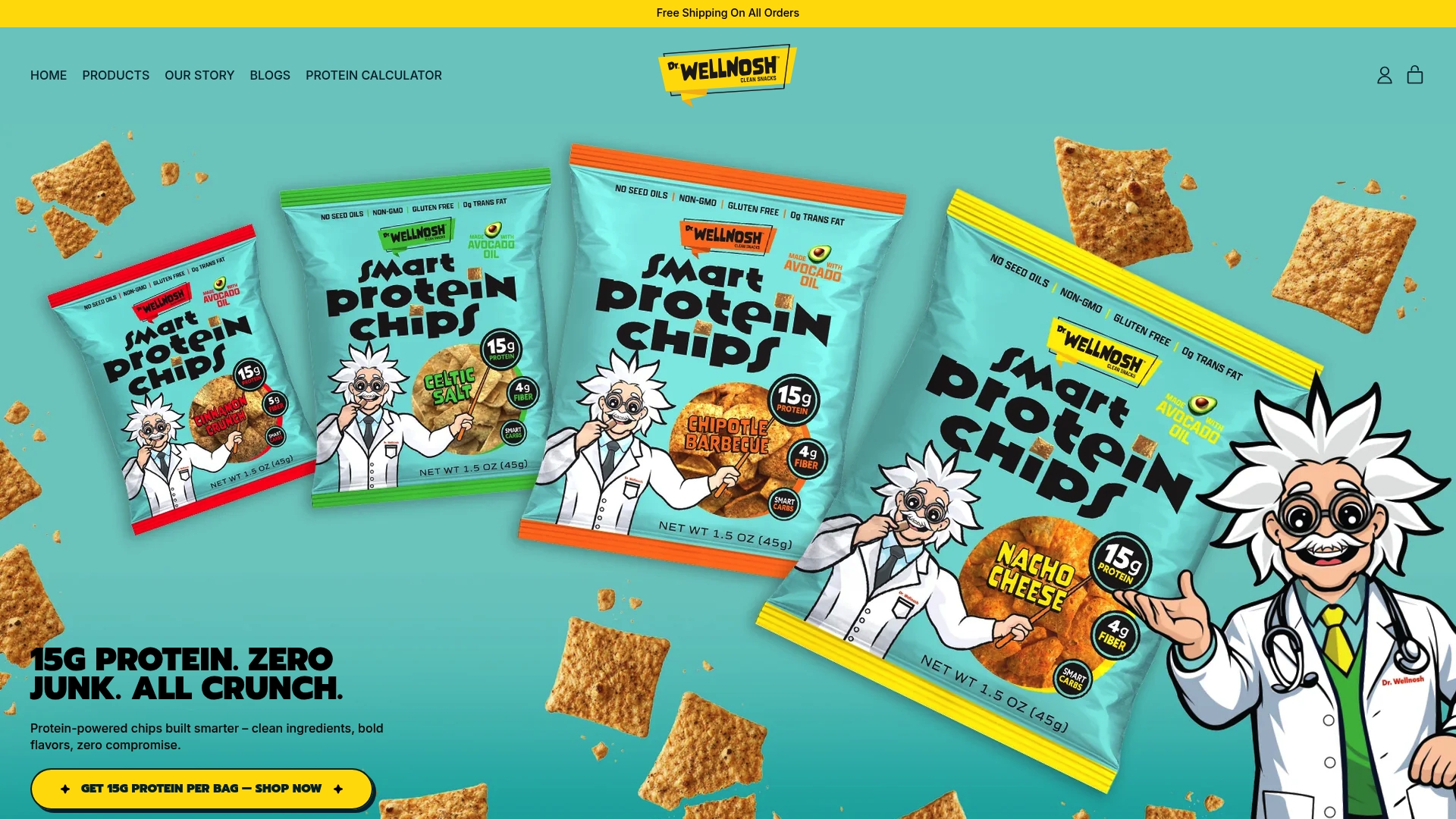
Each bag delivers 15g of fava bean protein, zero seed oils, no added sugar, and real ingredients you can actually read. Wellnosh chips are non-GMO, gluten free, and low carb, so they hold you through a layover without the crash that follows most airport snacks. The Variety Pack covers Nacho Cheese, Celtic Salt, Chipotle Barbecue, and Cinnamon in one order, which makes it easy to rotate flavors across travel days. For a single-flavor starting point, the Chipotle Barbecue is a strong first pick.
FAQ
Why do carry-on snacks save money on flights?
Airport food carries a 100–200% markup over grocery store prices. Packing your own snacks eliminates that markup entirely and can save $10–$20 per travel day.
What snacks are allowed in carry-on bags?
The TSA permits most solid foods including nuts, chips, granola bars, dried fruit, and sandwiches. Liquids and pastes in containers over 3.4 oz are not allowed through security.
How much do homemade snacks cost per serving?
Homemade snacks like roasted chickpeas and air-popped popcorn cost $0.50–$1.00 per serving. Pre-packaged equivalents at convenience stores and airport kiosks run $3–$5 per serving.
What is the best container for traveling with snacks?
Silicone reusable bags and bento-style containers protect snacks from crushing and speed up TSA screening. Frozen gel packs must be completely solid at the checkpoint to pass as a non-liquid.
How do snacks help avoid impulse spending at airports?
Hunger triggers impulse purchases at inflated airport prices. Carrying prepared snacks removes the decision point entirely, so you never buy out of hunger and never pay the convenience markup.


