

· By Dr. Wellnosh
How to Introduce Plant Protein Snacks to Kids
Plant protein snacks are defined as whole-food or minimally processed snacks that deliver protein from legumes, seeds, or grains rather than animal sources. The best way to introduce plant protein snacks to kids is to start with familiar textures, keep added sugar low, and hit at least 3 grams of protein per serving. Nutritionists confirm that snacks meeting this threshold support growth, concentration, and stable energy between meals. Children need three meals and two snacks daily to maintain energy and avoid junk food cravings. Get the snack formula right, and you prevent the 3 PM meltdown before it starts.
What nutritional criteria make plant protein snacks healthy and kid-friendly?
The two numbers that matter most are protein content and added sugar. Nutritionists recommend at least 3g of protein and fewer than 5 grams of added sugar per serving. That combination keeps kids full without spiking blood sugar and sending them back to the pantry 20 minutes later.
Beyond protein and sugar, parents should look for these criteria when selecting plant-based snacks for children:
- Protein source variety. Rotate between chickpeas, edamame, lentils, sunflower seeds, and fava beans to cover different amino acid profiles.
- Allergen awareness. Sunflower seed butter delivers 3g of protein per tablespoon and is fully nut-free, making it safe for school environments with peanut or tree nut bans.
- Fiber pairing. Combining plant protein with fiber-rich fruits or vegetables creates longer satiety and more stable energy. Think edamame with cucumber slices or sunflower seed butter with apple wedges.
- Micronutrient density. Plant-based snacks that include calcium-rich ingredients like fortified soy or sesame-based tahini add bone-building value beyond protein alone.
- Short ingredient lists. If a child cannot pronounce most of the ingredients, the snack is probably too processed to count as a genuine protein source.
Reading a protein per serving guide helps parents quickly compare options without spending 10 minutes in the grocery aisle.
Pro Tip: Check the “added sugars” line on the nutrition label separately from total sugars. Fruit naturally contains sugar, but added sugar is the number that drives cravings and energy crashes.
What are the best plant protein snack ideas kids will actually eat?
Taste and texture drive acceptance far more than nutrition labels do. A snack that looks fun and feels satisfying in the mouth will get eaten. One that looks unfamiliar will get pushed aside, no matter how nutritious it is.
Here are five preparation methods that consistently work with children:
- Roasted chickpeas. Season with cinnamon or mild paprika and roast until crunchy. Lightly smash them for toddlers to reduce choking risk and help the seasoning stick better. Older kids love the crunch as a chip substitute.
- Edamame with a dip. Steam frozen edamame and serve with a small bowl of low-sodium soy sauce or mild guacamole. The popping-out-of-the-pod ritual keeps kids engaged and makes eating feel like a game.
- Tofu fingers. Press firm tofu, cut into strips, coat lightly in nutritional yeast and garlic powder, and bake until golden. The texture mimics chicken fingers closely enough that most kids accept it without complaint.
- Seed butter with fruit. Spread sunflower seed butter on apple slices or celery sticks. The classic “ants on a log” format, celery with seed butter and raisins, remains one of the most accepted plant protein combinations across age groups.
- High-protein plant chips. Chips made from fava beans or lentils, like Wellnosh’s protein chips, deliver real protein in a format kids already recognize and love. Wellnosh provides 15g of fava bean protein per bag, cooked in avocado oil with no seed oils or artificial additives.
Visual variety matters as much as flavor. Mixing colors, shapes, and textures on a plate signals “interesting” to a child’s brain before the first bite.
Pro Tip: Use a multi-compartment “snackle box” filled with two or three plant proteins alongside fruit and vegetables. The snackle box method turns snack time into choice-based exploration, which increases the odds that kids try and accept new foods.
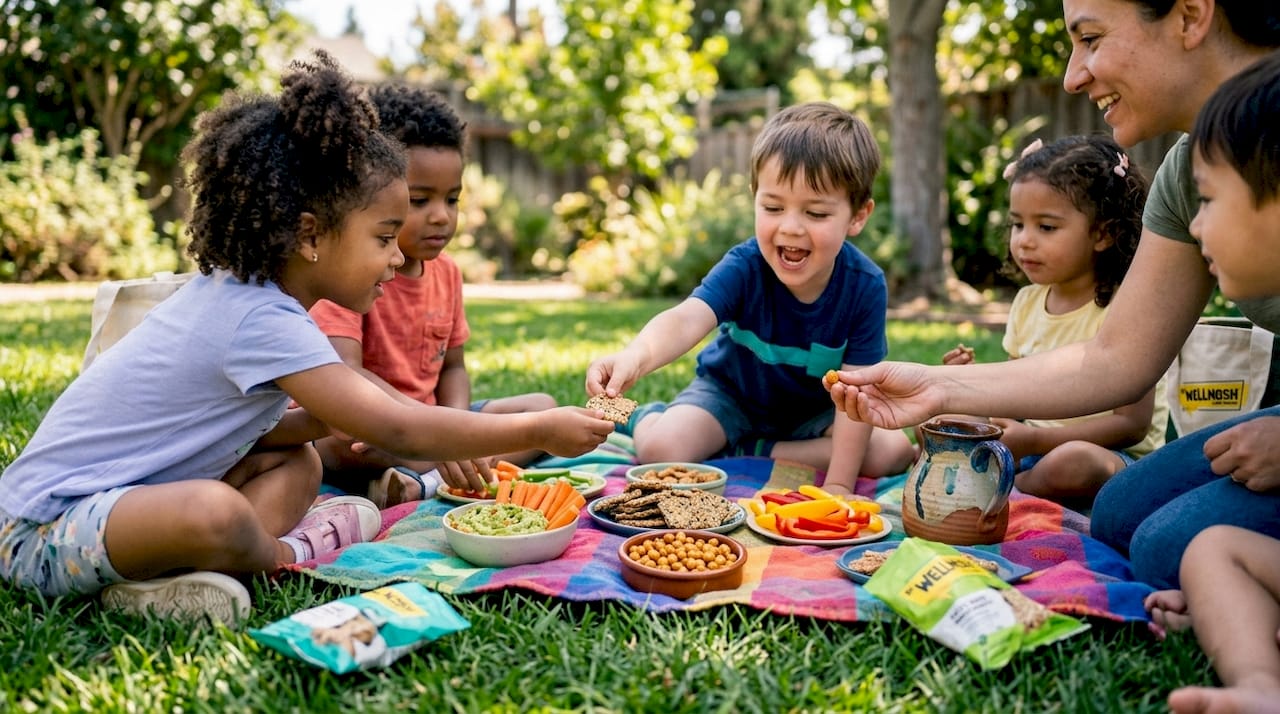
How do you introduce plant protein snacks without pushback?
Resistance to new foods is normal, not a character flaw in your child. The key is reducing the novelty of each introduction so the brain does not register the snack as a threat. Keeping one familiar element while introducing a new plant protein snack is the most reliable way to ease the transition.
These strategies work consistently across different ages and temperaments:
- Anchor to the familiar. If your child loves crackers and hummus, keep the crackers and swap the hummus for white bean dip. The familiar cracker makes the new dip feel safe.
- Make plant-based snacks the default. Offering plant-based snacks in fun formats as the automatic after-school option, rather than presenting them as a replacement for something better, normalizes them quickly. Kids accept what they see as normal.
- Avoid all-at-once replacement. Swapping every snack simultaneously creates resistance. Introduce one new plant protein snack per week alongside options your child already accepts.
- Involve kids in preparation. Children who help make a snack are significantly more likely to eat it. Let them pour, stir, or arrange toppings. Ownership reduces resistance.
- Repeat without pressure. Research on food acceptance shows children often need 10 or more exposures to a new food before accepting it. Serve the snack without comment, and let curiosity do the work.
Learning how to replace sugary snacks with protein-rich options is easier when you treat it as a gradual swap rather than a hard cutoff.
Common challenges when introducing plant protein snacks to kids
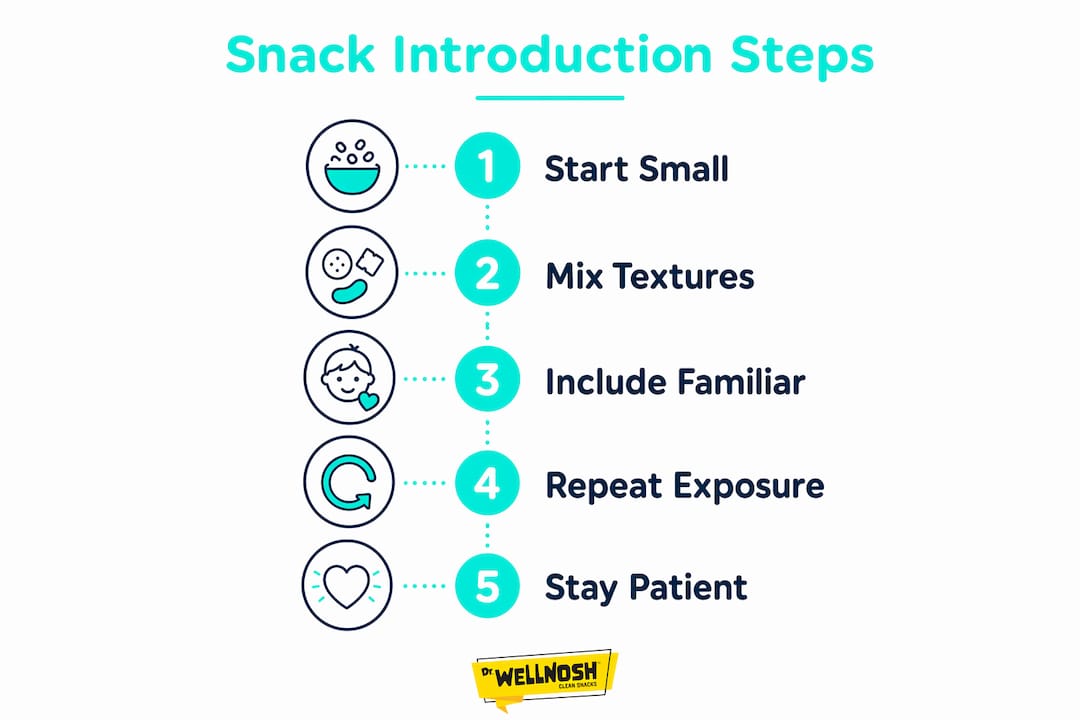
Even with the best approach, parents hit predictable roadblocks. Knowing what to expect makes each one easier to handle.
Choking hazards with toddlers. Whole roasted chickpeas, whole nuts, and large seeds are choking risks for children under four. Adjust textures based on chewing ability by smashing, pureeing, or choosing softer formats like hummus or mashed edamame. The protein content stays the same; only the texture changes.
School allergen policies. Many schools prohibit peanuts and tree nuts entirely. Sunflower seed butter, pumpkin seeds, and fava bean chips are all nut-free and school-safe. Check your school’s specific policy before packing, since some extend restrictions to sesame as well.
Picky eaters who reject anything new. Flavor variety is your best tool. A child who refuses plain edamame may accept it lightly salted. A child who rejects chickpeas plain may love them roasted with cinnamon. Wellnosh offers flavors like Nacho Cheese, Chipotle Barbecue, and Cinnamon, which give picky eaters familiar taste profiles in a plant-protein format.
Busy schedules and prep time. Batch-cook roasted chickpeas on Sunday and store them in an airtight container for the week. Pre-portion snackle boxes the night before. Choose ready-to-eat plant protein snacks for days when cooking is not realistic.
“The goal is not perfection. It’s consistency. Serving a plant protein snack five days a week, even imperfectly, builds a habit that lasts. One rejected snack is data, not failure. Keep the snack rotation going, and acceptance follows.”
Key Takeaways
Introducing plant protein snacks to kids works best when you combine the right nutritional targets with familiar textures, gradual exposure, and a little creativity at snack time.
| Point | Details |
|---|---|
| Hit the protein threshold | Choose snacks with at least 3g of protein and fewer than 5g of added sugar per serving. |
| Pair protein with fiber | Combine plant proteins with fruits or vegetables to extend satiety and stabilize energy. |
| Use the snackle box method | A multi-compartment box with varied plant proteins and produce increases acceptance through choice. |
| Introduce one snack at a time | Keep one familiar food element while adding a new plant protein snack to reduce resistance. |
| Adjust texture for age | Smash, puree, or soften plant protein snacks for toddlers to prevent choking and improve flavor delivery. |
Why patience is the real secret ingredient
Parents often ask me how long it takes before a child accepts a new plant protein snack. My honest answer is: longer than you want, and shorter than you fear. The research says 10 or more exposures. My experience says the number is less important than the attitude you bring to each one.
The biggest mistake I see is parents treating snack introduction as a negotiation. They offer the edamame, the child refuses, and the parent immediately offers something else to avoid conflict. That pattern teaches the child that refusal works. The better move is to serve the snack, eat it yourself with visible enjoyment, and move on without comment. No pressure, no reward, no drama.
Snack time is also one of the best windows for building a child’s relationship with food. It is low-stakes compared to dinner. There is no full plate to finish, no family audience, no performance pressure. Use that low-stakes environment to let kids explore plant-based protein options at their own pace. The child who refuses roasted chickpeas at age four may request them at age six. That is not failure followed by success. That is how food acceptance actually works.
Mindful snacking, meaning snacks chosen with intention rather than grabbed out of habit, is a skill. Teaching it early, through plant protein snacks that genuinely taste good, gives children a framework they carry into adulthood.
— Dr. Wellnosh
Wellnosh makes plant protein snacking easy for families
Finding a plant protein snack that kids actually want to eat is the hardest part of the whole process. Wellnosh solves that problem directly.
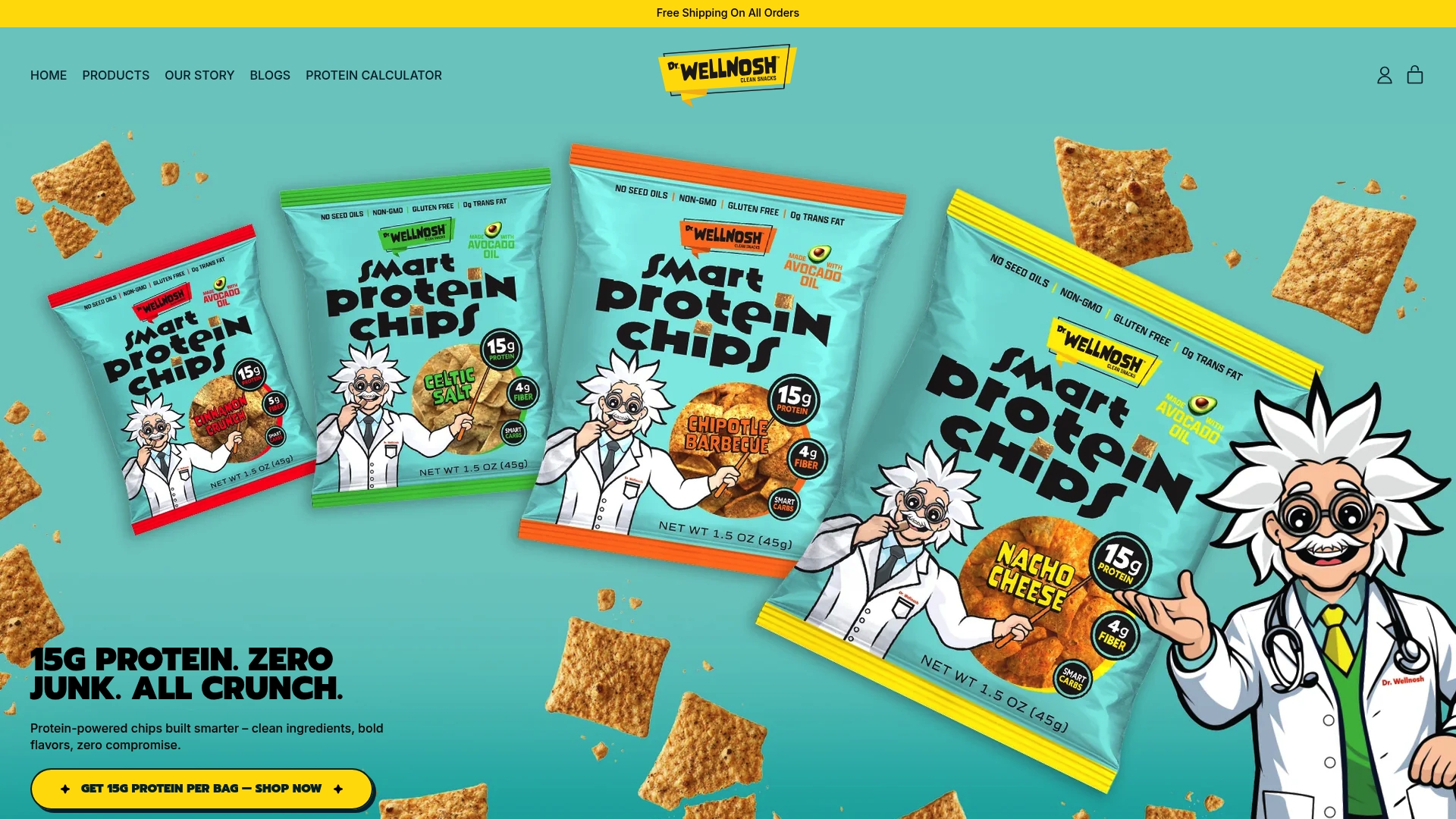
Wellnosh protein chips deliver 15g of fava bean protein per bag, cooked in avocado oil with no seed oils, no artificial additives, and no added sugar. They are non-GMO and gluten free. Flavors like Chipotle Barbecue and Cinnamon give picky eaters familiar taste profiles they recognize and enjoy. The Variety Pack is the easiest way to find which flavor your child reaches for first. Real ingredients, real protein, and a crunch kids love make Wellnosh a practical addition to any family’s snack rotation.
FAQ
What counts as a plant protein snack for kids?
A plant protein snack is any minimally processed snack that delivers protein from legumes, seeds, or grains. Examples include roasted chickpeas, edamame, sunflower seed butter with fruit, and fava bean chips.
How much protein should a kid’s snack have?
Nutritionists recommend at least 3 grams of protein and fewer than 5 grams of added sugar per serving to support growth and sustained energy between meals.
Are plant protein snacks safe for toddlers?
Yes, with texture adjustments. Smash roasted chickpeas, puree legumes, or choose soft formats like hummus for children under four to eliminate choking risks while preserving protein content.
How do I get a picky eater to try plant protein snacks?
Keep one familiar food alongside the new snack, involve your child in preparation, and repeat exposure without pressure. Most children need 10 or more exposures before accepting a new food.
What plant protein snacks are safe for nut-free schools?
Sunflower seed butter, pumpkin seeds, roasted chickpeas, edamame, and fava bean chips are all nut-free options that work within most school allergen policies.


