

· By Dr. Wellnosh
Are Quest Protein Chips Healthy? A 2026 Nutrition Guide
Quest Protein Chips are a high-protein, low-carb snack classified as a NOVA 3 processed food with 18–23g of protein and roughly 4g of net carbs per bag. Whether they are actually healthy depends entirely on your dietary goals and how you use them. They deliver real protein benefits, but their sodium content and processed ingredients mean they are not a whole food substitute. This guide breaks down the nutritional value of Quest chips, compares them to other snacks, and shows you how to use them wisely.
Are Quest protein chips healthy? What the nutrition label tells you
Quest Protein Chips pack a strong macronutrient profile into a small bag. Each serving contains 130–140 calories, roughly 18–23g of protein, and about 4g of net carbs. That calorie-to-protein ratio is genuinely impressive for a crunchy snack.
The protein comes primarily from milk protein isolate and whey protein isolate. Both are fast-absorbing, complete proteins that support muscle repair and satiety. The chips also contain 2g of psyllium fiber per serving, which aids digestion and helps you feel full longer.
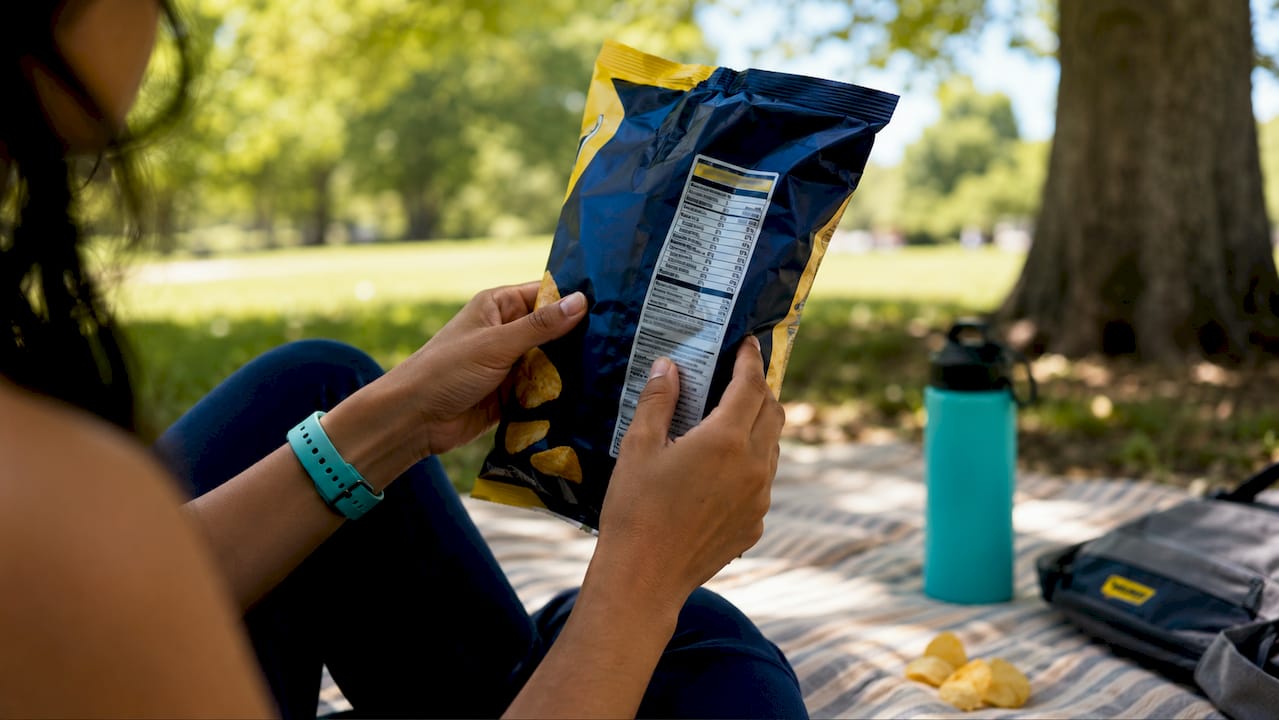
Sodium is where the label gets complicated. Quest Protein Chips contain up to 750mg of sodium per 100g. A single serving can account for up to 25% of the daily recommended sodium intake. For snackers managing blood pressure or water retention, that number matters.
The chips contain zero added sugar and negligible saturated fat. They do not provide meaningful amounts of vitamins or minerals. Think of them as a protein delivery tool, not a nutrient-dense food.
Pro Tip: Check the serving size on the bag before eating. Some bags contain more than one serving, which doubles the sodium and calorie count.
What Quest protein chips are made of
Quest uses a short but processed ingredient list. The base is typically a blend of protein isolates, corn starch, and sunflower oil. Flavorings and salt round out the formula. The ingredients are pronounceable, but the manufacturing process places these chips firmly in the processed food category. That matters for snackers who prioritize clean snacks for energy over convenience alone.
How do Quest protein chips compare to traditional chips?
Traditional potato chips average about 4g of protein per 100g. Quest Protein Chips deliver 71.88g of protein per 100g. That is not a small difference. It is a fundamental shift in what a chip can do for your body.
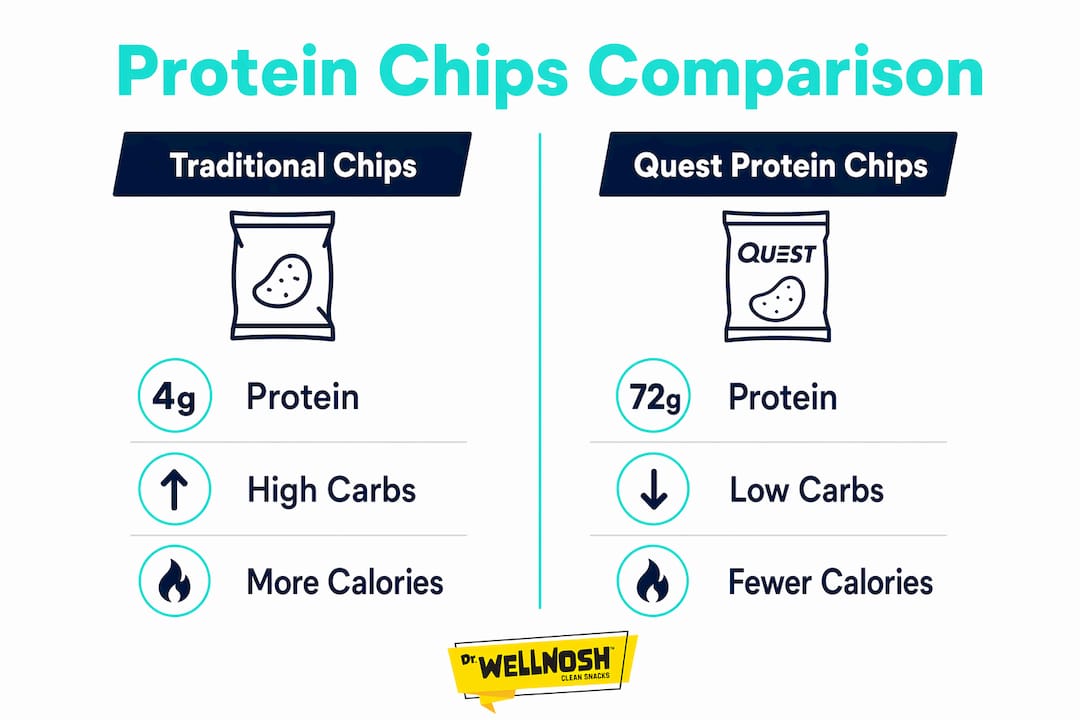
Here is how the two stack up across key nutrition categories:
| Category | Traditional potato chips | Quest Protein Chips |
|---|---|---|
| Protein per 100g | ~4g | ~71.88g |
| Net carbs per serving | ~15g | ~4g |
| Calories per bag | ~150–160 | ~130–140 |
| Added sugar | Varies | None |
| Sodium per serving | ~170mg | Up to 350–750mg |
| Micronutrients | Minimal | Minimal |
| Processing level | NOVA 3–4 | NOVA 3 |
Quest chips win on protein, carbs, and calories. Traditional chips win on nothing nutritionally, but they often have lower sodium per serving. Both lack the vitamins and minerals you get from whole foods like vegetables, legumes, or eggs.
Compared to air-popped popcorn or raw vegetables, Quest chips are more processed and higher in sodium. Popcorn provides fiber and antioxidants. Vegetables deliver micronutrients no protein chip can match. Quest chips fill the crunch craving with a protein boost, but they do not replace the nutritional breadth of whole food snacks.
The practical takeaway: Quest chips are a clear upgrade over regular chips for snackers tracking protein per serving. They are a step down from whole food options for anyone prioritizing micronutrient density.
What experts say about the health impact of protein chips
Nutrition experts agree that protein chips are functional snacks, not health foods. The distinction matters. A functional snack serves a specific purpose, like hitting a protein target or replacing a less nutritious option. A health food delivers broad nutritional value across vitamins, minerals, and phytonutrients. Quest chips do the first job well. They do not do the second.
The health halo effect is a real risk with protein-labeled snacks. Snackers see “high protein” on the bag and assume the entire product is healthy. That assumption leads to eating more than one serving or adding the chips on top of an already adequate diet rather than replacing a worse snack. The result is extra sodium and calories without extra benefit.
“Protein chips are tools for macro tracking, not clean eating staples. They suit those with specific protein targets, not those looking for whole food nutrition.”
Sodium is the most underappreciated concern. Sodium per serving can reach 25% of the daily recommended intake. Eating multiple servings across a day, combined with other salty foods, pushes total sodium well past recommended limits. Chronic high sodium intake is linked to elevated blood pressure and water retention.
Fitness professionals note that protein chips suit macro trackers with specific daily protein goals. For someone targeting 150g of protein per day, a bag of Quest chips is a convenient 20g contribution. For someone eating intuitively without tracking, the chips offer less clear benefit and more hidden risk.
Pro Tip: If you eat Quest chips regularly, log your total daily sodium from all sources. Most snackers are surprised how quickly it adds up.
How to use Quest protein chips without sabotaging your diet
Quest Protein Chips work best as a replacement, not an addition. Replacing junk food snacks rather than layering them on top of your existing diet is the key to getting value from them. If you currently eat a bag of potato chips in the afternoon, swapping to Quest chips cuts carbs and adds protein. That is a genuine win.
Here is a practical framework for using protein chips wisely:
- Limit to one serving per day. Nutrition experts recommend capping intake at roughly one serving daily to avoid excess sodium accumulation.
- Drink water alongside them. Pairing chips with water helps your body manage the sodium load and reduces the risk of water retention.
- Pair with whole food proteins. Use Quest chips as a snack bridge, not a meal. Eggs, Greek yogurt, or legumes at meals cover the micronutrients the chips cannot provide.
- Match them to your goal. Low-carb and keto snackers benefit most. Snackers focused on weight loss plateaus should track how the chips fit their total calorie budget.
- Avoid mindless eating. The health halo effect makes it easy to overeat protein chips. Portion them out before sitting down.
Protein chips also work well for adults tracking protein goals who need a portable, shelf-stable option. A bag fits in a gym bag, a desk drawer, or a carry-on. That convenience has real value for busy snackers who would otherwise reach for vending machine food.
Pro Tip: If you are on a keto plan, check the total carbs versus net carbs on the label. Quest chips use fiber to lower net carbs, but total carbs are higher.
Key Takeaways
Quest Protein Chips are a genuinely useful snack for protein-focused snackers, but their sodium content and processed nature mean they work best as an occasional replacement for worse options, not as a dietary staple.
| Point | Details |
|---|---|
| High protein, low carbs | Each bag delivers 18–23g protein and ~4g net carbs, far above traditional chips. |
| Sodium is the main risk | Sodium can reach 25% of daily recommended intake per serving, requiring careful monitoring. |
| NOVA 3 processed food | Quest chips are processed and lack the vitamins and minerals found in whole food snacks. |
| Use as a replacement | Swap Quest chips for worse snacks rather than adding them on top of your existing diet. |
| Context determines value | They suit keto, low-carb, and macro-tracking snackers most. They are less ideal for clean eating goals. |
My honest take on protein chips as a daily snack
I have spent years looking at how snackers actually use products like Quest chips versus how they intend to use them. The gap is wide. Most people buy them with the plan to eat one serving occasionally. Within two weeks, the bag is a daily habit, and sodium intake has quietly climbed.
The protein content is real and useful. If you are training consistently and need to hit a protein target without adding a full meal, a bag of Quest chips is a legitimate tool. I do not dismiss that. What I push back on is the idea that high protein automatically means healthy. The processing level, the sodium, and the absence of micronutrients are real trade-offs that the label does not highlight.
What I have found works best is treating protein chips the way you treat a protein bar. Useful in specific situations, not a food group. The snackers who do best with them are the ones who already eat a diet rich in vegetables, whole proteins, and fiber. The chips fill a convenience gap without becoming the foundation of their nutrition.
The snackers who struggle are the ones who use protein chips to justify skipping whole foods. That is where the health halo does real damage. A bag of Quest chips cannot replace the nutritional value of a handful of edamame, a boiled egg, or a serving of lentils. It can, however, replace a bag of Doritos. Know which swap you are making.
— Dr. Wellnosh
A cleaner alternative worth trying
If Quest chips have you thinking about what a truly clean protein chip looks like, Wellnosh offers a different answer.
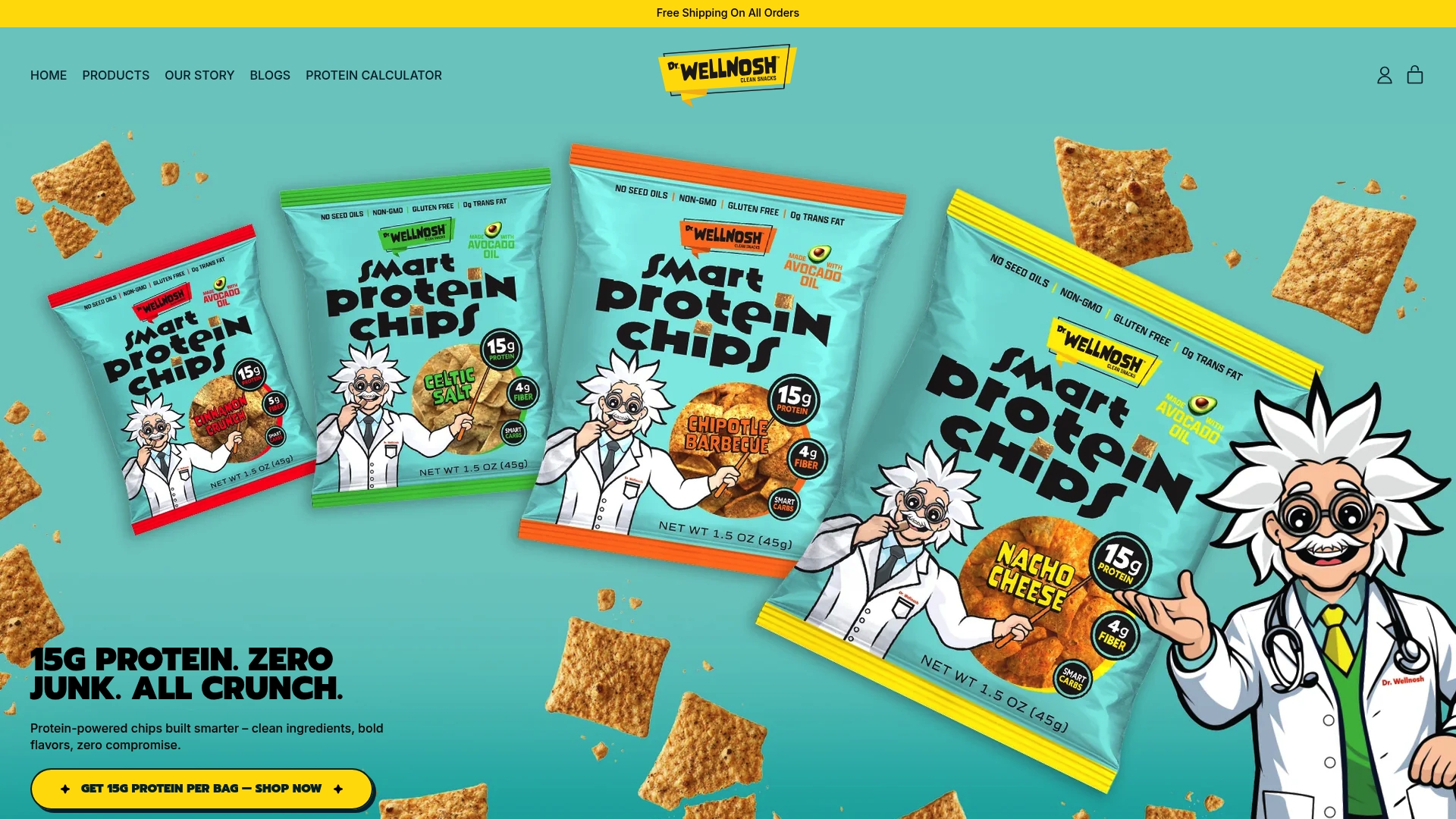
Wellnosh Smart Protein Chips deliver 15g of fava bean protein per bag with no seed oils, no artificial additives, and no added sugar. Every ingredient is pronounceable. The chips are cooked in avocado oil, non-GMO, gluten free, and low carb. Flavors like Chipotle Barbecue and Celtic Salt give you the crunch you want without the processed ingredient list. If you are evaluating your snack choices and want protein without compromise, the Wellnosh Variety Pack is the easiest way to find your favorite.
FAQ
Are Quest protein chips good for weight loss?
Quest Protein Chips aid satiety through protein and fiber, which can reduce overall calorie intake. They work best for weight loss when they replace higher-calorie, lower-protein snacks rather than being added on top of your diet.
Do Quest protein chips contain a lot of carbs?
Quest Protein Chips contain roughly 4g of net carbs per serving, making them suitable for low-carb and keto diets. Total carbs are higher because the fiber content is subtracted to calculate net carbs.
How much sodium is in Quest protein chips?
Sodium in Quest Protein Chips can reach up to 350mg per serving, which is approximately 25% of the daily recommended intake. Snackers managing blood pressure should track total daily sodium carefully.
Are Quest protein chips a whole food?
Quest Protein Chips are a NOVA 3 processed food and do not qualify as a whole food. They lack the vitamins, minerals, and phytonutrients found in whole food protein sources like eggs, legumes, or dairy.
Who benefits most from eating Quest protein chips?
Fitness enthusiasts and snackers tracking daily macros benefit most from Quest chips. They are particularly useful for people on keto, low-carb, or high-protein diets who need a portable, shelf-stable snack option.


