

· By Dr. Wellnosh
Bean Chips Nutrition: What's Really in the Bag
Bean chips pack roughly double the protein and fiber of potato chips per serving, according to USDA FoodData Central values and a small randomized trial linking bean-snack consumption to lower ApoB-100 cholesterol markers. That makes them more filling ounce for ounce. They’re still fried in many cases, often calorie-dense, and sometimes loaded with sodium, so the swap only pays off if you check the label.
TL;DR:
- The protein content of bean chips typically ranges from 4 to 6 grams per ounce, significantly higher than the 1 to 2 grams in potato chips.
- Beans like black and pinto provide more nutrients and fiber, but added starches and fillers can dilute their health benefits.
- The preparation method, such as baking or vacuum frying, impacts fat and calorie levels more than the bean type itself.
- Checking labels for whole bean ingredients early in the list, high protein (over 5 grams), and low sodium (below 200 milligrams) helps make healthier choices.
- Foods like Wellnosh bean chips offer higher protein (up to 15 grams per bag), cooked in healthier oils, and are non-GMO, gluten free, and low carb.
Table of Contents
- Bean Chips Nutrition Facts: Calories, Protein, Fiber, and Sodium
- Are Bean Chips Healthier Than Potato Chips?
- How Processing Changes Bean Chip Nutrition
- Reading a Bean Chip Label Before You Buy
- What the Research and a Dietitian Say About Bean Chips
- Vitamins and Minerals Hiding in Bean Chips
- Allergens to Watch for in Bean Chips
- The Antioxidants and Resistant Starch Angle
- Wellnosh Bean Chips: A Higher-Protein Option Worth Checking Out
- What Actually Matters When You’re Choosing a Bean Chip
- Sources
Bean Chips Nutrition Facts: Calories, Protein, Fiber, and Sodium
A standard 1 ounce serving (about 28 to 32 grams) of bean chips typically contains calories, protein, fiber, fat, and sodium amounts that vary depending on the brand and bean type, generally offering more protein and fiber than potato chips but exact numbers should be checked on the package. Those ranges come straight from label data tracked in databases like USDA FoodData Central, and they shift depending on which bean goes into the bag and how the chip gets made.
A black bean chip entry in Nutritionvalue shows about 130 calories, 4 grams protein, 4 grams fiber, 7 grams fat, and 105 milligrams sodium per 28 gram serving, a fairly typical fried bean chip profile. Compare that to a green bean chip listing in the CalorieKing database, which comes in at 130 calories per 1.1 ounce but only 2 grams protein and 3 grams fiber, closer to a vegetable chip than a legume-forward one.
The variability comes down to a few factors:
- Bean type: Black beans and pinto beans tend to carry more protein and fiber per gram than green beans or white beans that lean more on starch.
- Added fillers: Rice flour or corn starch, common binding agents, dilute the protein and fiber percentage even when “bean” sits first on the ingredient list.
- Fava-based formulas: Fava bean protein concentrate can push a serving well above the typical 4 to 6 gram protein range, since fava beans run higher in protein density than many other legumes.
- Net carbs: Subtract fiber grams from total carbs to get the net carb count, which matters if you’re tracking blood sugar impact rather than raw carb totals.
Read the nutrition panel, not just the front-of-bag marketing, since two “bean chip” bags sitting side by side on a shelf can differ by 50 calories and 3 grams of protein.
Are Bean Chips Healthier Than Potato Chips?
Bean chips generally beat potato and corn chips on protein and fiber, which matters more for hunger control than calorie count alone. Consumer Reports testing found bean chips scoring higher than many potato chip brands on combined taste and nutrition, with one bean chip brand delivering fewer calories, less fat, and substantially more fiber than a comparable potato chip serving.
Here’s the side-by-side breakdown that matters most:
- Protein: Bean chips typically deliver 4 to 6 grams per ounce versus 1 to 2 grams in potato chips.
- Fiber: Bean chips run 3 to 5 grams per ounce; potato chips usually land under 1 gram.
- Glycemic impact: The fiber and protein in bean chips slow digestion, which blunts the blood sugar spike that refined potato starch tends to cause.
- Calories: Often comparable, sometimes even higher in bean chips, since the frying oil adds up regardless of the base ingredient.
Bean chips average 4 to 6 grams of protein per ounce, compared to roughly 1 to 2 grams in a standard potato chip serving, according to database comparisons across USDA and Consumer Reports data.
The honest caveat: a “healthier” ingredient doesn’t cancel out a fryer. Registered dietitians point out that the real benefit of switching to bean chips is nutrient density and satiety, not an automatic calorie cut. If a bean chip is vacuum-fried in the same oil as a potato chip, you’re getting a protein bump, not a diet food.
How Processing Changes Bean Chip Nutrition
Not all bean chips are made the same way, and the method used changes the fat and calorie count more than the bean itself does.
- Baked chips use dry heat with minimal added oil, which usually keeps fat under 5 grams per ounce and calories closer to 110 to 130.
- Flash-fried chips get dunked briefly in hot oil for crispness, adding 2 to 4 grams of fat compared to a baked version of the same recipe.
- Vacuum-fried chips cook at lower temperatures under reduced pressure, which can preserve more of the bean’s nutrients while still landing in fried-chip fat territory.
Industry coverage on alternative snack chips notes that many “healthy” chip brands are still fried, so “bean chip” on the label doesn’t guarantee a baked product. Check the ingredient list for the cooking oil used: avocado oil and olive oil hold up better under heat than partially hydrogenated oils, which still show up in some budget brands.
Favor bags where whole beans or bean flour lead the ingredient list, with minimal added starch. Watch for added sugars in flavored varieties and long lists of gums or stabilizers, which usually signal a more processed formula. Rice flour and corn starch aren’t harmful, but they dilute the protein and fiber that make bean chips worth choosing in the first place.
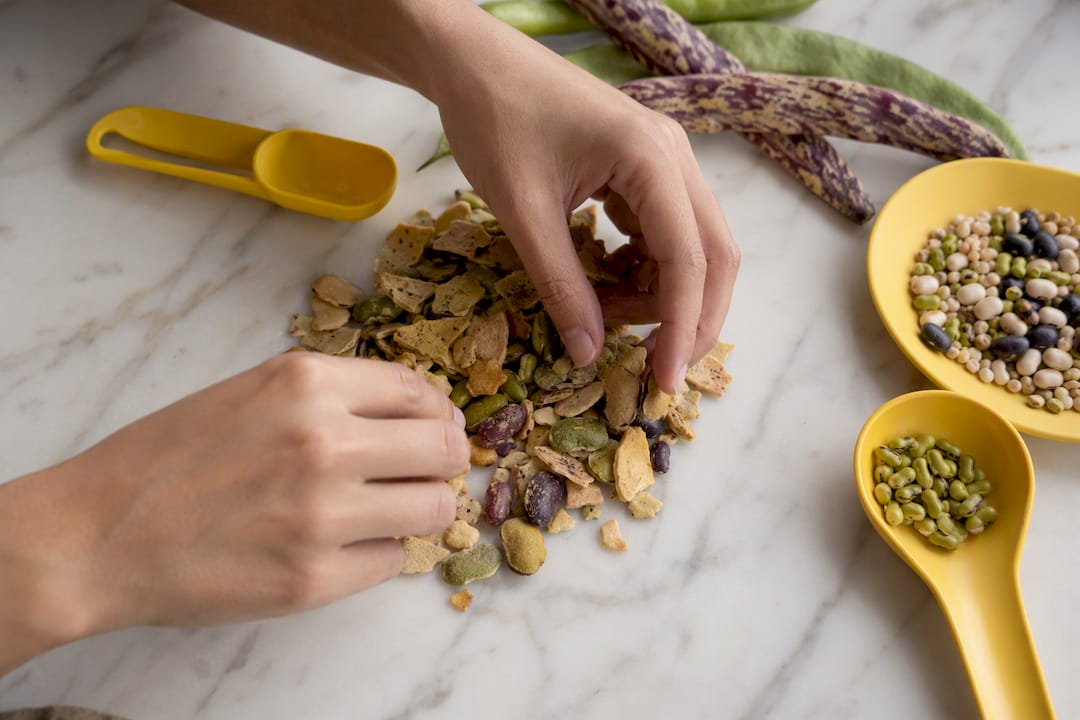
Pro Tip: *Processing also reduces the natural oligosaccharides in beans that cause digestive discomfort.
Reading a Bean Chip Label Before You Buy
Checking a bag in the snack aisle takes about 15 seconds if you know what to scan for.
- Check the serving size first. A “150 calorie” claim means nothing if the serving size is half the bag.
- Look at protein grams. Anything at 5 grams or more per serving is strong for a chip category snack.
- Scan fiber content. Aim for 3 to 5 grams per serving; below 2 grams, you’re basically eating a starch chip with a bean sticker on it.
- Flag sodium over 200 milligrams. That’s high for a single-ounce serving and adds up fast if you eat more than one portion.
- Read the ingredient order. Whole beans or bean flour should appear early, not buried after three types of starch.
For portion control, weigh out a single 1 ounce serving on a kitchen scale once so you know what it looks like in your usual bowl, since eyeballing chip portions is notoriously unreliable. Pairing a small serving with a protein source like Greek yogurt or a hard-boiled egg extends fullness longer than chips alone, a trick worth knowing before your next holiday snack table.
What the Research and a Dietitian Say About Bean Chips
Wellnosh’s own chips deliver 15 grams of fava bean protein per bag, cooked in avocado oil with no added sugar, gluten free and non-GMO. That places it well above the typical 4 to 6 gram range found in most bean chip brands on the shelf.
The clinical case for bean-based snacks isn’t hypothetical. A randomized crossover trial had participants with overweight eat 32 grams daily of a baked bean snack for four weeks and found a statistically significant drop in apolipoprotein B-100, a marker tied to cardiovascular risk. The sample was small and the trial ran only four weeks, so it’s a promising signal rather than proof of long-term heart benefits.
“The value of switching to bean-based snacks is improved nutrient density and satiety, not automatic calorie reduction,” is the consistent message from dietitian guidance on nutrient density. Watch sodium and the frying method just as closely as the protein number on the front of the bag.
Vitamins and Minerals Hiding in Bean Chips
Beans carry a mineral profile that most chip categories can’t touch, and that carries over into the finished snack, though processing and portion size determine how much survives into your bowl.
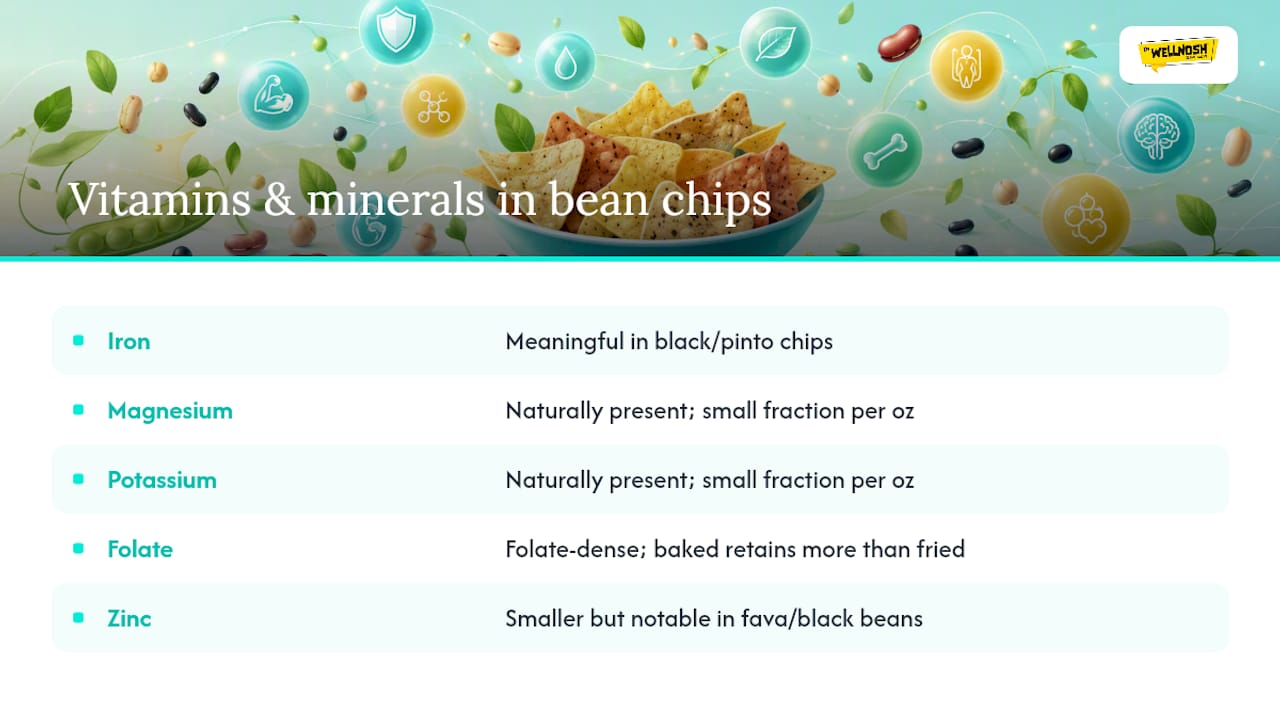
Iron shows up in meaningful amounts in black bean and pinto bean chips, relevant for anyone watching intake through food rather than supplements. Magnesium and potassium are also naturally present in legumes, both playing a role in muscle function and fluid balance, though a single ounce serving delivers only a fraction of daily needs.
Folate is another standout. Beans are one of the more folate-dense plant foods available, and while high-heat frying can degrade some of it, baked bean chips retain more than their fried counterparts.
Zinc appears in smaller but notable amounts, particularly in fava bean and black bean varieties. B vitamins, especially B6 and thiamine, ride along as well, since legumes are a solid source of both.
None of these numbers rival a multivitamin, and a single serving of chips shouldn’t be your mineral strategy for the day. But compared to a potato chip, which offers essentially no folate and minimal iron, bean chips add nutritional weight that a starch-only snack simply doesn’t carry. The catch is that added starches and fillers dilute this profile the same way they dilute protein and fiber, so a chip that’s mostly rice flour with a bean dusting won’t deliver the same mineral density as one where beans lead the ingredient list.
Allergens to Watch for in Bean Chips
Legumes sit in a gray zone for allergy awareness that’s worth understanding before you stock up. Peanuts are legumes and one of the most common food allergens, but common bean chip ingredients like black beans, pinto beans, and fava beans are botanically distinct and don’t trigger peanut allergies in most people.
Fava beans carry their own specific concern: a genetic condition called favism, or G6PD deficiency, causes a reaction to fava bean consumption in a subset of people, mostly of Mediterranean, African, or Southeast Asian descent. It’s not a typical allergy but a metabolic sensitivity, and anyone with a known G6PD deficiency diagnosis should check with a doctor before eating fava-based products regularly.
Cross-contamination is the more common risk. Many bean chip factories also process corn, soy, or wheat-based snacks on shared lines, so check the label for “may contain” statements if you have a diagnosed allergy to those ingredients. Gluten deserves a specific look too: while beans themselves are naturally gluten free, some brands add wheat-based binders or corn/wheat blends, which means a gluten-sensitive shopper can’t assume “bean chip” automatically means gluten free without reading the fine print. Soy also shows up in some recipes as a binding agent or flavoring base, another line worth scanning if you’re managing a soy allergy.
The Antioxidants and Resistant Starch Angle
Beans carry two nutritional assets that rarely get airtime in chip marketing: polyphenol antioxidants and resistant starch, and both survive processing better than most people assume.
Black beans and pinto beans, in particular, contain polyphenols concentrated in their skins, compounds linked in nutrition research to reduced oxidative stress in the body. Baking and light processing preserve more of these compounds than deep frying does, which is one more argument for choosing baked over heavily fried bags.
Resistant starch is the other underappreciated piece. It’s a type of starch that resists digestion in the small intestine and instead ferments in the colon, feeding beneficial gut bacteria the way fiber does. Beans naturally contain more resistant starch than potatoes or corn in their raw and lightly cooked forms, though high-heat frying can reduce resistant starch content somewhat compared to baking or steaming.
Combined with the fiber content already covered, this is part of why bean chips tend to feel more filling per calorie than a starch-only chip. The fiber slows digestion, the resistant starch feeds gut bacteria rather than spiking blood sugar, and the protein adds a third layer of satiety that potato starch alone can’t provide. It’s not a reason to eat the whole bag, but it does explain why a handful of bean chips holds you over longer than the same portion of a corn chip.
Wellnosh Bean Chips: A Higher-Protein Option Worth Checking Out
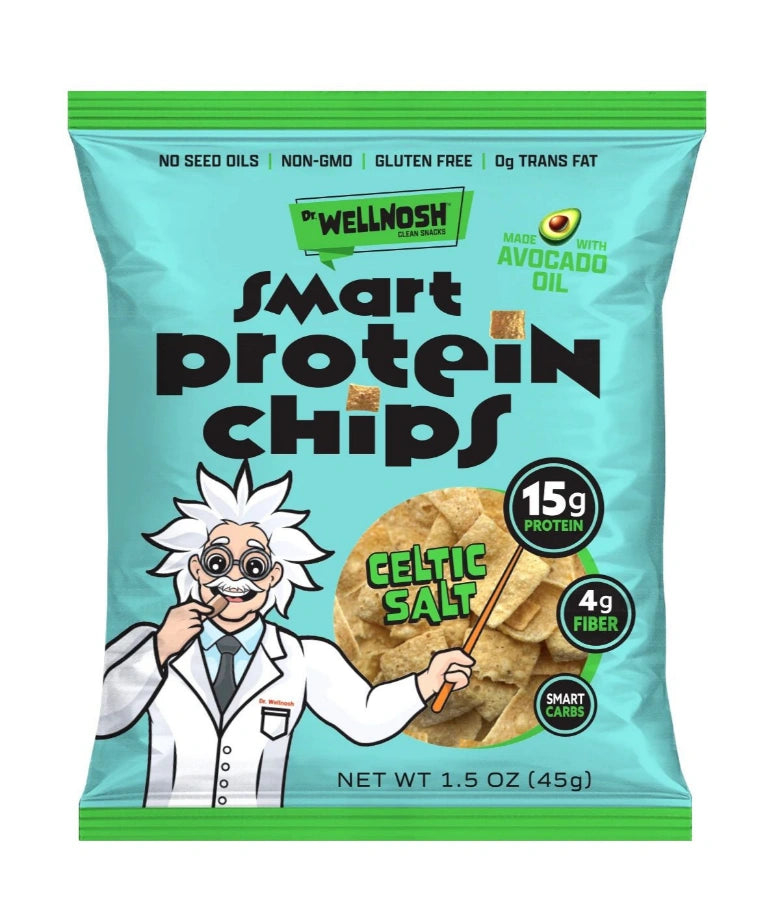
If the label-reading checklist above left you wanting a chip that clears every threshold without the guesswork, Wellnosh’s protein chips deliver 15 grams of fava bean protein per bag, more than double what most bean chip brands offer per serving. They’re cooked in avocado oil instead of seed oils, carry no added sugar, and check out as non-GMO, gluten free, and low carb.
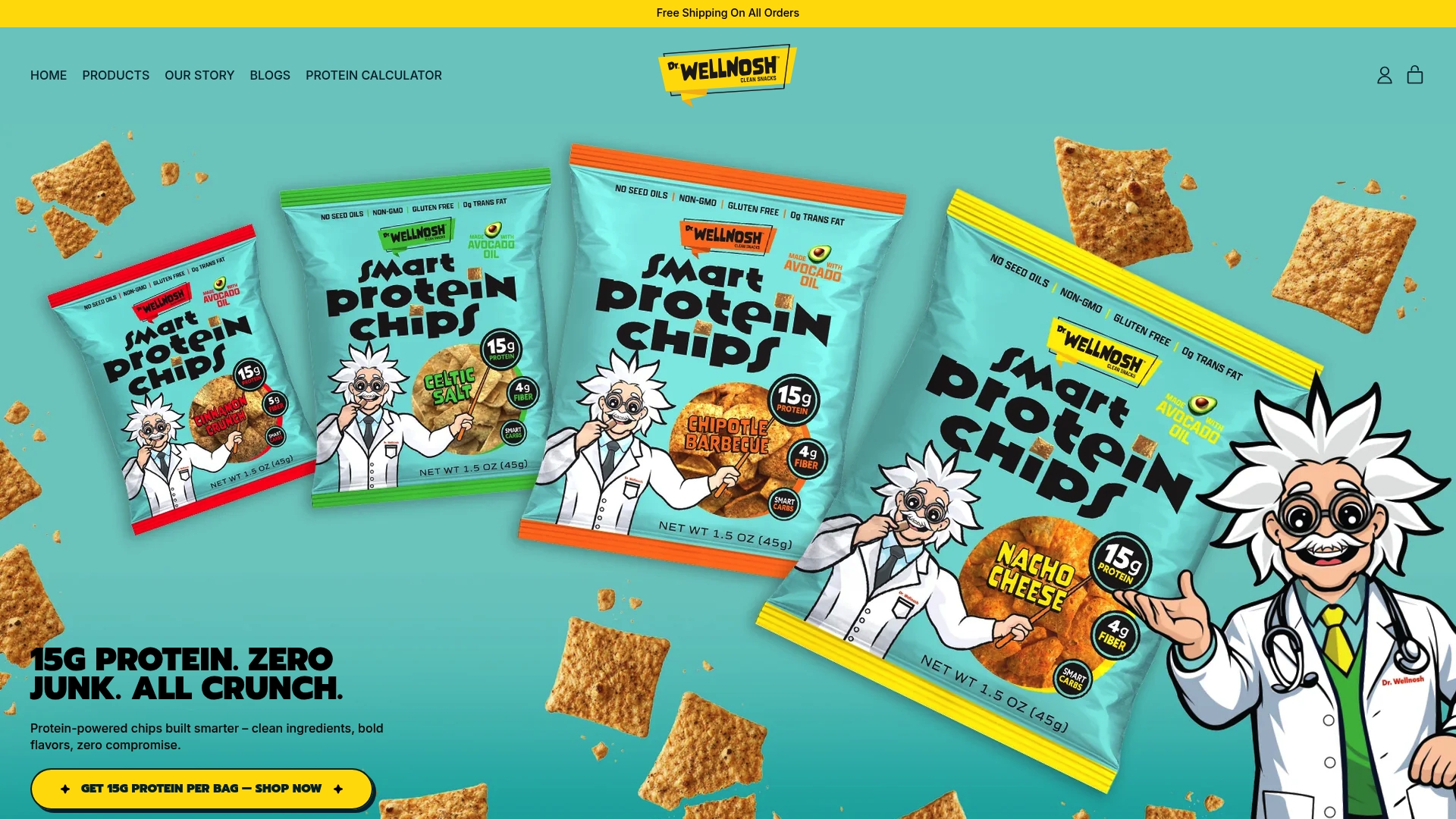
The lineup includes Nacho Cheese, Celtic Salt, Chipotle Barbecue, and Cinnamon, plus a Variety Pack if you want to try the range before committing to a favorite. Each flavor page lists the current ingredient panel so you can apply the same serving-size and sodium checks covered earlier in this article. If your first-choice flavor shows as sold out, check back soon since restocks move quickly for popular options like Nacho Cheese and Chipotle Barbecue.
For a fitness routine or a meal-prep habit that leans on snacks to hit daily protein goals, a bag with 15 grams of protein does more work than a standard bean chip that offers a third of that. Order a Celtic Salt bag or try the Cinnamon flavor if you want something sweeter for an afternoon snack, and set up a Subscribe & Save order if you know you’ll want a steady supply on the shelf.
What Actually Matters When You’re Choosing a Bean Chip
The nutrition science here is more settled than the marketing suggests: protein and fiber content vary wildly between brands sold under the same “bean chip” label, and the bean-to-filler ratio matters more than whether the word “bean” appears on the front of the bag. A chip with 2 grams of protein and 3 grams of fiber isn’t doing much more than a well-marketed potato chip, regardless of what the packaging implies.
What surprises most people is how much processing method outweighs bean type in the final nutrition profile. A baked black bean chip and a flash-fried black bean chip can differ by 3 to 4 grams of fat despite starting from an identical bean. That’s a bigger swing than switching from black beans to pinto beans in the first place. Read the cooking method before you read the marketing copy on the front.
The other point worth stressing: don’t treat “higher protein” as a license to eat past the serving size. A 15 gram protein chip bag is a meaningfully better snack than a 4 gram one, but eating three servings of either erases the advantage. Treat the protein number as a reason to feel satisfied sooner, not as permission to double the portion. Pair a modest serving with something like nutrient-dense snacking habits built around whole foods, and the chip becomes one smart piece of a bigger pattern rather than the whole strategy.
— Dr. Wellnosh
Sources
- Common bean baked snack (CBBS) randomized crossover trial — PubMed
- Consumer Reports — why bean chips are better than potato chips
- Nutritionvalue


