

· By Dr. Wellnosh
Protein Chips Under 200 mg Sodium for Sodium Conscious Shoppers
A single serving of most protein chips runs anywhere from 140 mg to over 300 mg of sodium, and some flavor formulations climb past 500 mg per 100 g. That can eat up 6% to 13% of the 2,300 mg daily limit most adults are told to stay under, and a lot of people eat closer to two servings than one. The fix isn’t avoiding protein chips altogether. It’s checking the Nutrition Facts panel before the bag hits your cart, comparing mg-per-serving against your own daily budget, and knowing which flavors and brands run leaner.
TL;DR:
- Most protein chips contain between 180 and 280 mg of sodium per serving, with some flavors exceeding 300 mg, which can quickly use up a quarter of the daily limit.
- Checking the sodium content per serving, not just per bag, is crucial, especially since many bags contain multiple servings that can double or triple sodium intake.
- Sodium levels for protein chips vary widely by flavor, with “low sodium” options typically around 140 to 180 mg per serving, though some can reach over 500 mg.
- For those managing blood pressure or kidney health, keeping sodium intake below 200 mg per serving and treating anything above 300 mg as occasional is recommended.
- Choosing brands like Wellnosh, which offer clear ingredient lists and moderate sodium levels, supports lower-sodium snacking without sacrificing flavor or quality.
Table of Contents
- How to Read Sodium on a Protein Chips Nutrition Label
- What Sodium Ranges Actually Look Like in Protein Chips
- Does Snacking on Protein Chips Raise Your Blood Pressure Risk?
- How to Choose a Lower-Sodium Protein Chip
- Where Wellnosh Fits Into a Sodium-Conscious Snack Routine
- A Straight Answer on Balancing Protein, Taste, and Sodium
- Try a Protein Chip Built Around a Shorter Ingredient List
- Sources
How to Read Sodium on a Protein Chips Nutrition Label
Sodium sits a few lines below the fat and cholesterol rows on every Nutrition Facts panel, always measured in milligrams. That’s the number that matters, not the percent by itself, because the percent only tells you the share of a 2,300 mg reference diet, and your actual limit might differ if a clinician has put you on a stricter plan.
The trap is the gap between “per serving” and “per bag.” A snack-size bag of protein chips might list one serving as roughly 28 grams, or about 12 to 15 chips, while the bag itself holds two servings. Eat the whole bag mindlessly in front of a laptop, as most of us do, and you’ve doubled whatever sodium number is printed at the top of the label.
Here’s the math in practice, using USDA FoodData Central’s entry for Quest Protein Chips as a real-world example:
- Check the serving size in grams, not chips (chip count varies by breakage and shape).
- Multiply the listed sodium-per-serving by the number of servings you actually plan to eat.
- Divide that total by 2,300 mg to see the percentage of your daily sodium budget one sitting represents.
- If the label only shows per-100g values, scale by your bag’s actual weight before comparing to another product.
A few label habits work against you if you’re not paying attention:
- Serving sizes shrink on “better for you” snacks so the printed sodium number looks smaller than what you’ll realistically eat.
- Percent Daily Value is calculated on a 2,300 mg baseline, which doesn’t reflect a 1,500 mg sodium-restricted diet some people are on.
- Flavor variants of the same product line can carry wildly different sodium loads, so “protein chips” as a category tells you nothing until you check the specific flavor.
- Front-of-package claims like “high protein” or “clean ingredients” say nothing about sodium. Consumer health coverage has flagged this gap repeatedly: protein content and sodium content are independent numbers, and marketing tends to spotlight only the flattering one.
What Sodium Ranges Actually Look Like in Protein Chips
Protein chips split into three rough tiers once you start comparing labels side by side.
Low sodium lands around 140 to 180 mg per serving, typically found in simply-seasoned or salt-forward-but-portion-controlled formulations where the seller has deliberately dialed back added salts. Typical sits in the 180 to 280 mg range per serving, which covers most nacho, barbecue, and cheese-style flavors on the market. High starts around 300 mg per serving and can run considerably steeper. Kidney-focused nutrition trackers have logged flavor variants of protein chips at 594 to 906 mg per 100 g, a range that many dietitians would consider high for a snack, especially when scaled to a full bag.
The FDA’s benchmark for “low sodium” is 140 mg or less per serving — a useful anchor when you’re scanning shelves, even though plenty of satisfying, well-seasoned protein chips land above that line without being reckless.
Converting between formats matters more than people expect:
- Per serving to per bag: multiply by servings-per-container (usually 2 for a standard bag).
- Per serving to per 100 g: divide the sodium figure by the serving weight in grams, then multiply by 100.
- Per 100 g to per bag: multiply by total bag weight in grams, divided by 100.
Cross-checking a manufacturer’s printed label against an aggregator like MyFoodData’s entry for Quest Protein Chips is a smart habit if a label looks inconsistent or rounded oddly, which happens more than you’d think with smaller brands.
Does Snacking on Protein Chips Raise Your Blood Pressure Risk?
The connection between sodium and blood pressure isn’t controversial in the research. Higher sodium intake is tied to elevated blood pressure and greater cardiovascular risk across large-scale peer-reviewed reviews, and the mechanism is well documented in the broader dietary sodium literature: sodium pulls water into your bloodstream, which raises blood volume and, over time, strains vessel walls.
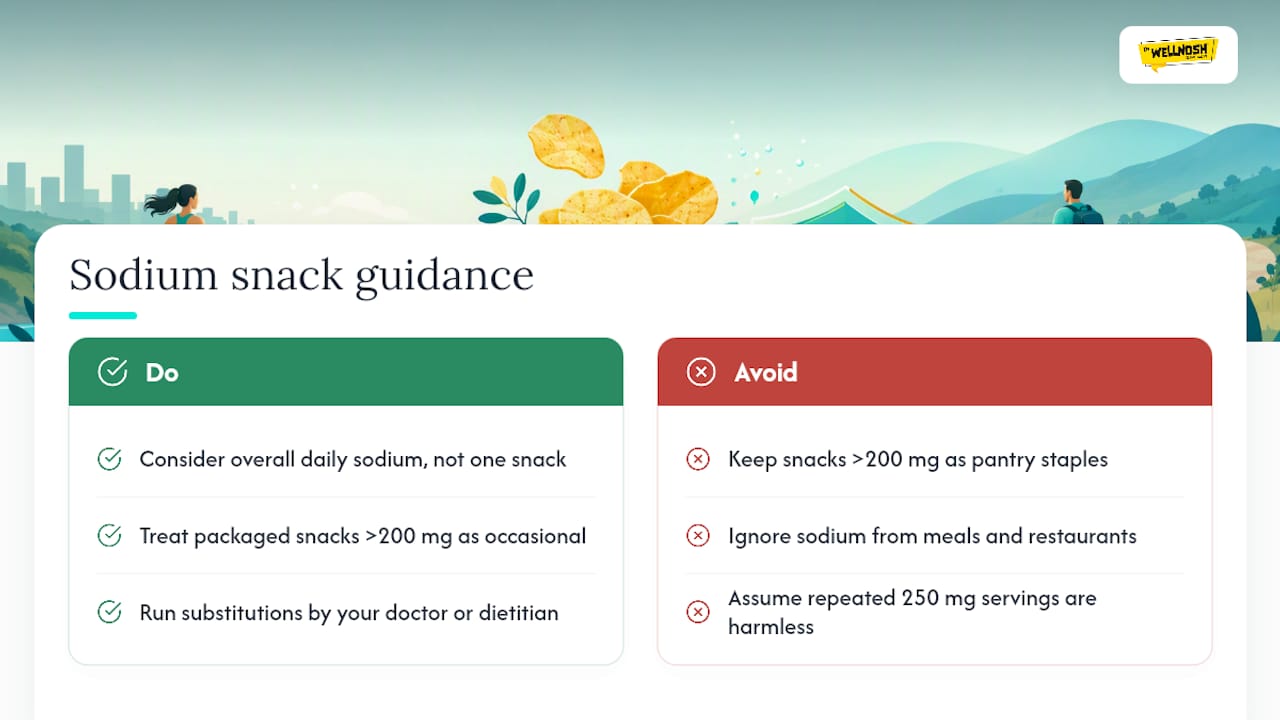
None of that means one bag of protein chips on a Friday night is dangerous. It means daily habit matters more than any single snack. An occasional 250 mg serving inside an otherwise sodium-moderate day is a rounding error. The same 250 mg stacked on top of restaurant lunches, canned soup, and a salty dinner sauce five days a week is a different story entirely.
People managing chronic kidney disease face a sharper version of this problem. NIDDK guidance for adults with CKD recommends tight sodium limits and flags many processed snacks, protein chips included, as worth vetting carefully before they become a routine. Phosphorus additives and potassium load can also be a concern in processed snack formulations, which matters for CKD patients beyond sodium alone.
Pro Tip: If you have hypertension, prediabetes, or CKD, treat any packaged snack over 200 mg of sodium per serving as an occasional food, not a pantry staple, and run any regular substitution past your doctor or dietitian first.
How to Choose a Lower-Sodium Protein Chip
Shopping smarter starts with a short mental checklist you run before the bag goes in your cart.
- Target under 200 mg of sodium per serving as your everyday ceiling, and treat anything over 300 mg as an occasional choice.
- Check the serving size in grams first. A tiny serving size can make a moderately salty product look artificially low-sodium.
- Scan the ingredient list for stacked sodium sources: salt, sodium citrate, monosodium glutamate, and sodium phosphate compounding on top of each other pushes totals higher than a single “salt” entry would.
- Favor shorter ingredient lists generally. Fewer additives usually means fewer places for sodium to hide.
- Compare flavors within the same brand, not just across brands, since seasoning blends vary sodium more than the base chip does.
Portion strategy matters just as much as the label itself:
- Split a serving with fresh vegetables like bell pepper strips or cucumber, which adds volume and crunch without adding sodium.
- Pair chips with unsalted nuts or plain Greek yogurt instead of another salty dip.
- Pre-portion a serving into a small bowl rather than eating from the bag, where it’s easy to lose count.
Some days, a whole-food protein snack, hard-boiled eggs, plain cottage cheese, or roasted edamame, makes more sense than any packaged chip, sodium content aside. Pro Tip: Keep one whole-food protein snack and one chip-style snack stocked at all times so you’re not choosing based on what’s convenient in the moment.
Where Wellnosh Fits Into a Sodium-Conscious Snack Routine
Wellnosh built its protein chips around a simple standard: real, pronounceable ingredients, no seed oils, and no additive stacking that inflates sodium without adding flavor. Every bag delivers 15 g of plant-based fava bean protein, cooked in avocado oil rather than the seed oils common in conventional chip lines.
A few attributes matter specifically for sodium-conscious shoppers:
- Non-GMO, gluten-free, low-carb formulation with no added sugar, which keeps the ingredient list short and easier to audit for hidden sodium sources.
- Flavor-specific seasoning blends across Nacho Cheese, Celtic Salt, Chipotle Barbecue, and Cinnamon, so sodium varies by flavor rather than sitting at one flat number across the line.
- Serving-size transparency on every product page, which lets you run the same per-serving and per-bag math covered earlier before you buy.
Reading a Wellnosh label the same way you’d read any protein chip label is exactly the right instinct. Wellnosh’s approach to formulation aims to make that comparison favorable, but confirming it against your own daily sodium target, especially if you’re managing blood pressure or kidney health, is still worth the thirty seconds it takes.
A Straight Answer on Balancing Protein, Taste, and Sodium
Most sodium anxiety around snack foods is really a portion problem wearing a sodium costume. People don’t overdo sodium because one protein chip is loaded with it. They overdo it because “one serving” quietly became “the whole bag” somewhere around minute ten of a movie. Read the label once, know your real number, and the rest of the decision gets a lot easier. Building a chip that’s satisfying at a reasonable sodium level without leaning on a dozen additive-driven salt sources is possible. It just takes ingredient discipline most conventional snack brands never bothered with, because bold flavor and lean sodium usually get treated as a trade-off instead of a design problem worth solving properly.
— Dr. Wellnosh
Try a Protein Chip Built Around a Shorter Ingredient List
Wellnosh chips give you 15 g of fava bean protein per bag without the additive stacking that drives sodium up in a lot of conventional snack lines, cooked in avocado oil instead of seed oils, with no added sugar.
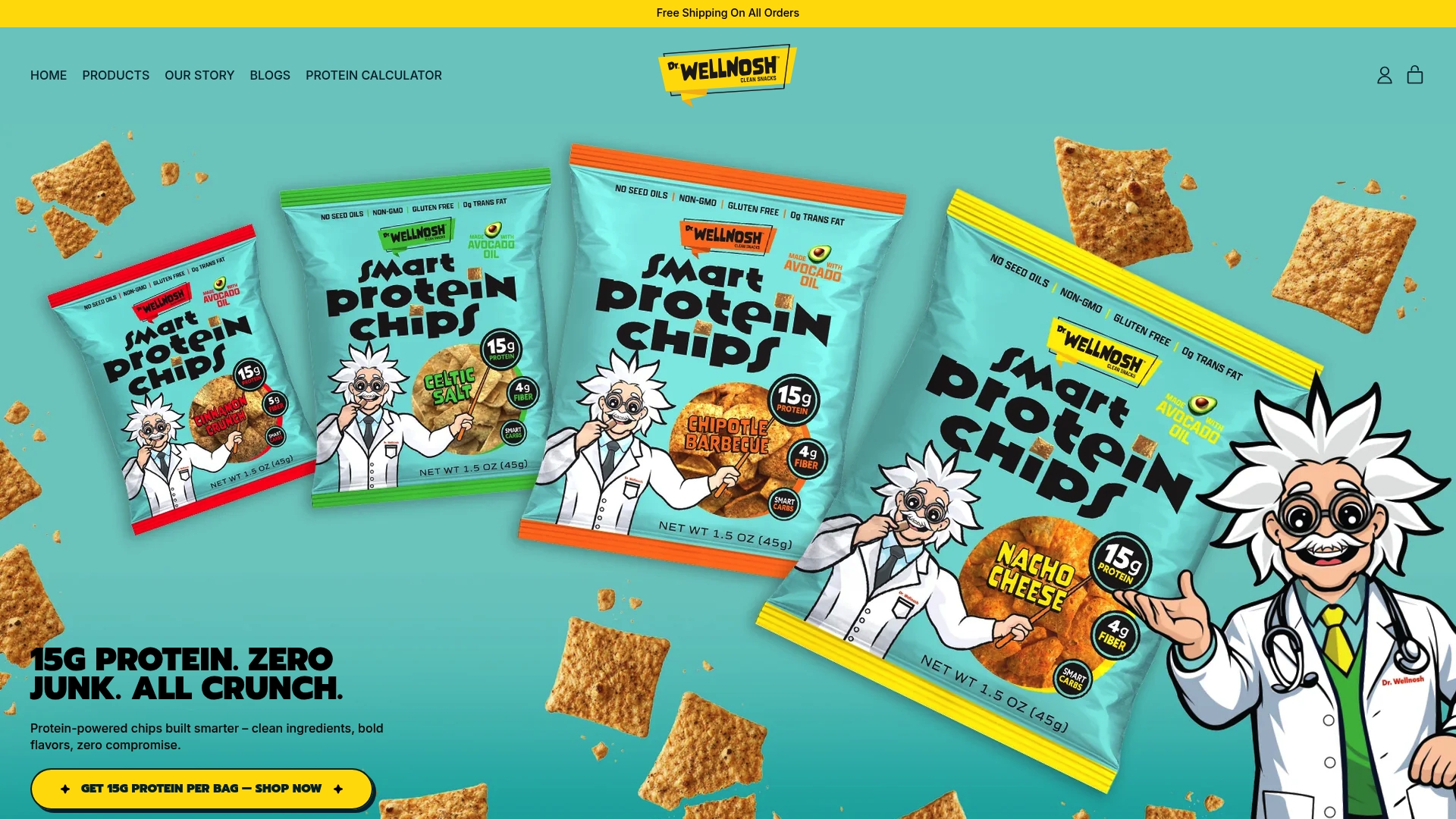
If Celtic Salt sounds like your everyday flavor, check out the Celtic Salt bag and read the label the same way you’d read any other. Want to compare seasoning profiles side by side before committing to one? The Variety Pack lets you test Nacho Cheese, Chipotle Barbecue, and Cinnamon against each other in one order, so you can decide which sodium-to-flavor balance actually fits your routine. For a deeper look at how bean-based chips stack up nutritionally, the bean chips ingredient breakdown is worth a read before you order.
This article is general information, not a substitute for advice from a qualified doctor. Consult a qualified healthcare professional about your own circumstances before acting on anything here.
Sources
- PMC article on sodium and cardiovascular outcomes
- NIDDK: Healthy eating for adults with chronic kidney disease


