

· By Dr. Wellnosh
Celtic Salt Chips: The Benefits Behind the Flavor
Wellnosh Celtic Salt chips pair a savory, mineral-flecked seasoning with 15g of fava bean protein per bag, so a snack that tastes like an indulgence actually holds you over between meals. That combination is the whole point of this flavor. A few things make it work:
- Satiety that lasts. Protein and fiber from the fava bean base slow digestion and blunt the “I’m hungry again in twenty minutes” problem common to corn or potato chips.
- A cleaner fat profile. Every batch is cooked in avocado oil instead of soybean or canola, so you skip the seed oils most snack brands lean on.
- Diet-friendly by default. Non-GMO, gluten free, low carb, no added sugar. That covers keto, plant-based, and general clean eating goals without a footnote.
- Ingredients you can actually pronounce. No mystery additives, just fava bean protein, avocado oil, and Celtic Salt seasoning doing the flavor work.
TL;DR:
- Each bag provides roughly 15 grams of protein and 9 grams of fiber, supporting satiety and blood sugar stability after consumption.
- Fermentation and thorough processing of fava beans decrease antinutrients while increasing amino acid bioavailability for better digestion.
- Celtic Salt enhances flavor with trace minerals but contributes negligible nutritional value, and sodium from any salt counts equally toward daily limits.
- The chips suit keto, low-carb, gluten-free, and plant-based diets, making them versatile for various eating patterns and occasions.
- Buying options include single bags, Subscribe & Save discounts, or a variety pack to sample flavors before committing long-term.
Table of Contents
- What Are the Celtic Salt Benefits for Snackers?
- How the Nutrition Adds Up: Protein, Fiber, and Satiety
- Why Celtic Salt Seasoning Matters for Taste and Texture
- How Production Choices Reduce Antinutrients and Preserve Protein Quality
- Which Diets and Occasions Fit Celtic Salt Wellnosh Chips Best
- What to Check Before You Buy: A Quick Label Checklist
- How Does Celtic Salt Compare to Table Salt and Himalayan Pink Salt?
- Does Celtic Salt’s Mineral Content Actually Matter?
- Can Celtic Salt Support Hydration and Electrolyte Balance?
- What Are the Risks of Too Much Celtic Salt or Sodium?
- How Much Celtic Salt Should You Use Daily?
- A Formulator’s Take on Why This Flavor Works
- Where to Buy Celtic Salt Chips and How Subscribe & Save Works
- Key Takeaways
- Sources
What Are the Celtic Salt Benefits for Snackers?
The Celtic salt benefits on a Wellnosh bag come down to two things working together: a mineral-rich finishing salt that delivers big flavor at a modest sodium cost, and a protein base that gives that flavor a nutritional job to do. Most “healthy” chips fail on one side or the other. They’re either bland and virtuous or tasty and nutritionally empty. This flavor is built to avoid both traps.
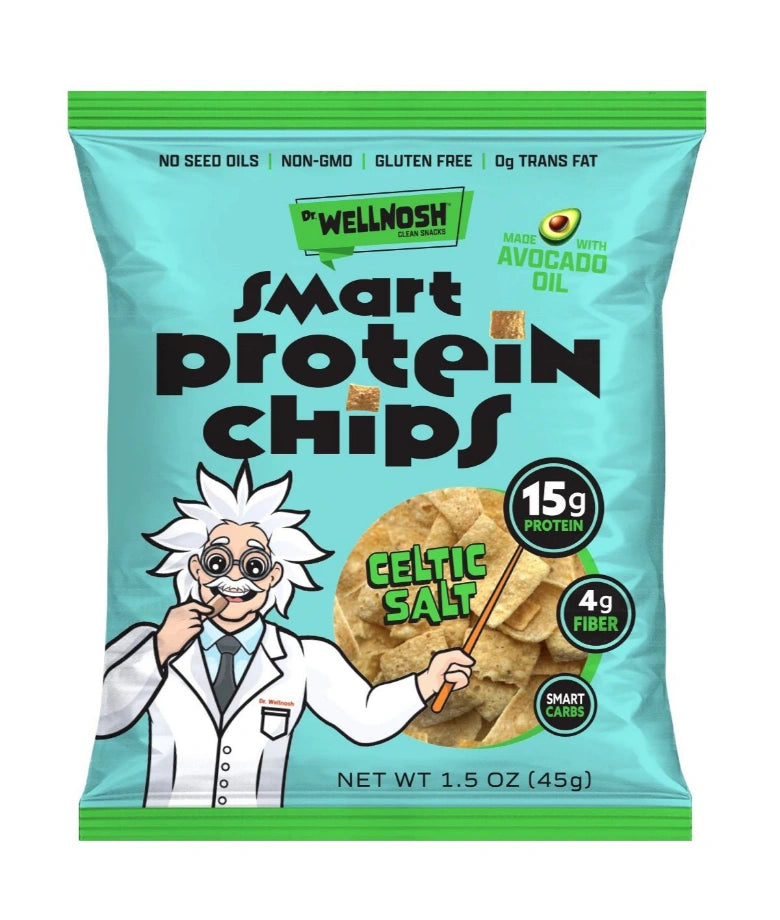
Celtic Salt itself is a coarse, moisture-retaining sea salt harvested using traditional methods, prized by chefs for a rounder, less sharp flavor than fine table salt. As a seasoning on a plant-based protein chip, its job isn’t to replace your daily electrolytes. It’s to make a fava bean chip taste like something you’d actually crave, while the protein underneath does the nutritional heavy lifting. That distinction matters for anyone comparing “Celtic salt benefits” as a health food claim versus what it actually contributes on a snack label: flavor and a light mineral profile, layered onto a protein-forward base.
How the Nutrition Adds Up: Protein, Fiber, and Satiety
Protein amounts around the level found in Wellnosh Celtic Salt chips per serving are generally considered enough to promote satiety, helping a snack curb hunger rather than just pass the time. Wellnosh Celtic Salt chips sit right at the top of that range.
The protein comes from fava beans, one of the more underrated pulses in the plant-protein conversation. A single cup of cooked fava beans delivers roughly 13 grams of protein and 9 grams of fiber, a combination that slows gastric emptying and keeps blood sugar steadier than a starch-based chip made from corn or potato.
Why protein and fiber together matter more than either alone:
- Protein triggers satiety hormones (like GLP-1 and PYY) more reliably than carbohydrates.
- Fiber adds bulk and slows digestion, stretching that fullness signal longer.
- Together, they reduce the “chip spiral” where you finish a bag and reach for more twenty minutes later.
Research on fava bean proteins also points to bioactive peptides with antioxidant properties and a possible role in supporting skeletal muscle health, which is notable for a snack most people don’t think of as functional food. Fava beans also carry fiber and micronutrients like iron, potassium, and manganese, and processing methods such as germination can improve how well the body absorbs those minerals.
A practical example: grab a bag after a strength session instead of a plain rice cracker or pretzel. You’re getting a meaningful protein contribution toward your daily target, plus fiber your muscles don’t care about but your appetite absolutely does. That’s a better post-workout snack decision than most people realize they’re making.
Why Celtic Salt Seasoning Matters for Taste and Texture
Pulse-based chips have a reputation problem. Fava bean and chickpea snacks can turn out chalky, dense, or flat-tasting if the manufacturer doesn’t nail the formulation. Sensory research on legume-based snacks backs this up: processing and seasoning choices are the deciding factor in whether people actually enjoy eating them, or just tolerate them because they’re “healthy.”
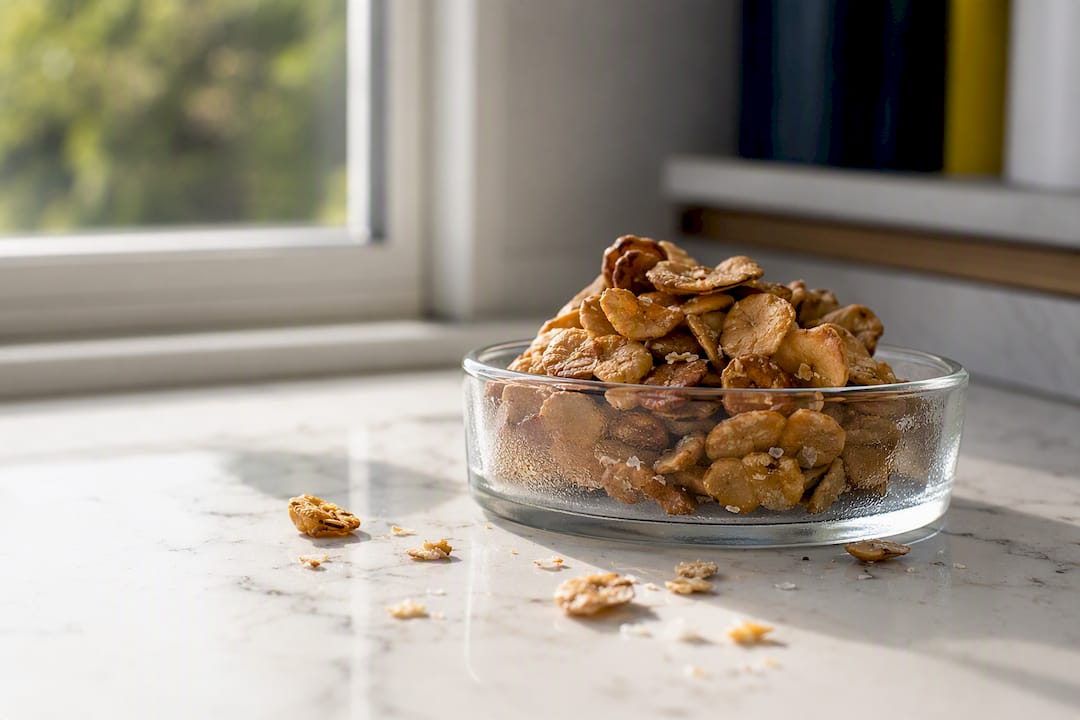
That’s where Celtic Salt earns its place on the ingredient list. A quality finishing salt rounds out the flavor instead of just making things “salty” in a one-note way, and it works alongside the avocado oil to deliver a satisfying, savory crunch rather than a dry, cardboard-like bite.
What typically kills consumer acceptance of pulse snacks:
- Chalky or gritty texture from underprocessed legume flour
- Flat, one-dimensional saltiness from cheap seasoning blends
- Greasy mouthfeel from lower-quality frying oils
Avocado oil sidesteps the last problem directly, and it’s part of why the avocado oil chip format has picked up traction among people who’ve been burned by greasy “healthy” snacks before.
Pro Tip: If you’re new to pulse-based chips, pair your first bag with something creamy, like guacamole or a yogurt-based dip. The contrast highlights the crunch and masks the learning curve some people report with legume-based textures.
How Production Choices Reduce Antinutrients and Preserve Protein Quality
Raw fava beans naturally contain antinutrients like tannins and phytic acid, compounds that can interfere with mineral absorption and digestibility if the beans go straight from field to package. That’s not a Wellnosh-specific issue. It’s a fava bean issue, and it’s the reason professional processing matters so much for this category.
The steps that typically make the difference:
- Dehulling and soaking remove a meaningful share of surface-level antinutrients before the beans are ever processed further.
- Fermentation or autoclaving goes further. One processing study found fermentation cut tannin content by roughly 18.5% while boosting essential amino acids by 8.6%, meaning the bean comes out both easier to digest and more nutritionally complete.
- Controlled cooking or extrusion locks in that improved profile without reintroducing the antinutrients that soaking and fermentation just removed.
The remaining protein after these pretreatments is generally more bioaccessible, and the functional peptides can survive digestion intact enough to potentially support muscle protein synthesis.
What to actually look for on the label:
- A clear, specific protein gram count (not a vague “high protein” claim)
- “Cooked in avocado oil” rather than a generic “vegetable oil” listing
- Non-GMO and no added sugar callouts
- A short ingredient list you can read without a nutrition degree
Which Diets and Occasions Fit Celtic Salt Wellnosh Chips Best
This flavor slots cleanly into more eating patterns than a typical bagged snack. It’s gluten free and low carb by formulation, which makes it workable for keto and general low-carb approaches, and it’s fully plant-based, so vegan and vegetarian snackers don’t need to check twice.
Where it fits into a real day:
- Pre-workout, when you want something that won’t sit heavy but still offers a protein head start
- Post-workout, paired with a shake or a piece of fruit for a fuller recovery snack
- Travel days, when airport and gas station options skew toward pure starch and sugar
- Office desk drawer, as a swap for the chips or crackers most breakrooms stock
If you’re managing sodium intake for a medical reason, check the per-serving sodium figure before treating this as an everyday snack. And if you’re avoiding legumes for an allergy reason, fava beans are the base protein here, so read the ingredient list carefully before buying. For broader travel-specific snacking guidance, resources like this healthy eating on holiday guide cover the logistics of staying on track away from home.
What to Check Before You Buy: A Quick Label Checklist
Before you add a bag to your cart, run through this short list. It takes about ten seconds and it separates a genuinely clean snack from one that just uses clean-sounding marketing.
- Protein grams per bag. Look for a specific number (15g, not “protein-packed”).
- Serving size. Confirm whether that protein figure is per bag or per smaller serving.
- Sodium per serving. Know the number if you’re watching intake.
- Oil type. Avocado oil versus a generic “vegetable oil” blend tells you a lot.
- Added sugars. Should read zero on a genuinely low-carb snack.
- Ingredient list length. Shorter usually means less processing filler.
If you’re deciding between a single flavor and the Variety Pack, go with Celtic Salt if you already know you like a savory, salt-forward chip. Choose the variety option if you’re snack-curious and want to sample Nacho Cheese or Chipotle Barbecue alongside it before committing to a case.
Pro Tip: Subscribing tends to make more sense than one-off orders if this becomes a weekly staple. It locks in convenience and avoids the frustration of finding your usual flavor sold out later.
How Does Celtic Salt Compare to Table Salt and Himalayan Pink Salt?
Celtic Salt, table salt, and Himalayan pink salt all deliver sodium chloride as their primary compound, and none of them functions as a serious source of daily minerals in the amounts a typical snack serving provides. The differences are mostly about texture, moisture, and flavor character rather than nutrition.
Table salt goes through heavy refining and is stripped down to nearly pure sodium chloride, often with added anti-caking agents and, in many commercial brands, iodine. Himalayan pink salt gets its color from trace iron oxide and carries a milder, less briny taste than either Celtic Salt or table salt. Celtic Salt is harvested using traditional evaporation methods and retains natural moisture, which gives it a coarser texture and a rounder, less sharp saltiness on the tongue.
For a snack seasoning specifically, that flavor difference is the whole story. Celtic Salt’s moisture content and mineral trace elements give it a savory depth that plain refined salt doesn’t replicate as easily, which is exactly why it works as a finishing seasoning on a fava bean protein chip. None of the three salt types should be mistaken for a meaningful daily mineral supplement. Their contribution at typical snack-serving sodium levels is flavor, not nutrition.
Does Celtic Salt’s Mineral Content Actually Matter?
Celtic Salt does carry trace minerals, including small amounts of magnesium, calcium, and potassium, because it’s harvested without the industrial refining that strips those elements from table salt. The amounts, though, are genuinely small at the quantities used in food seasoning.
A pinch of Celtic Salt on a chip contributes flavor complexity that most people can taste and appreciate, but it does not deliver magnesium or calcium in quantities that move the needle on your daily mineral targets. Getting meaningful magnesium requires foods like leafy greens, nuts, or seeds, not a salt shaker. The mineral story with Celtic Salt is real, but it’s a rounding error nutritionally at typical seasoning levels, even if it’s genuinely part of why the flavor tastes less harsh than plain refined salt.
Where this matters practically for a chip shopper: don’t buy Celtic Salt flavor chips expecting a mineral supplement. Buy them because the seasoning tastes better and the fava bean base underneath is doing the actual nutritional work, with 15 grams of protein per bag and the fiber that comes with it.
Can Celtic Salt Support Hydration and Electrolyte Balance?
Sodium is one of the three primary electrolytes your body uses to regulate fluid balance, alongside potassium and chloride, and Celtic Salt supplies sodium the same way any salt does. For someone who sweats heavily, whether from workouts or hot weather, replacing sodium lost through perspiration is a legitimate part of hydration strategy.
That said, the electrolyte-balance argument applies to sodium intake broadly, not to Celtic Salt specifically as opposed to any other salt. A chip seasoned with Celtic Salt contributes to your daily sodium total the same way a chip seasoned with table salt would, at a similar concentration. If you’re an athlete tracking electrolyte replenishment, the sodium content on the nutrition label is what matters, not which specific salt variety supplied it.
The more useful hydration angle for a snack like this is timing. Pairing a protein and sodium-containing snack after a sweaty workout, alongside water, supports rehydration better than a plain sugary snack would, because you’re replacing both fluid and the sodium your body lost. That’s a legitimate, if modest, benefit. It’s just not unique to Celtic Salt as a salt variety.
What Are the Risks of Too Much Celtic Salt or Sodium?
Sodium intake is the real variable to watch, regardless of which salt variety supplies it. The general dietary guidance most health authorities point to caps sodium around 2,300 milligrams a day for most adults, and Celtic Salt contributes to that total exactly like any other sodium source once it’s in your food.
If you’re managing high blood pressure, kidney disease, or another sodium-sensitive condition, check the per-serving sodium figure on any packaged snack, including this one, and talk with your doctor about your personal limit before making it a daily habit. Portion control still matters even with a protein-forward chip: eating multiple servings in one sitting can push your sodium intake higher than you’d expect from a single label glance.
One more consideration: unrefined salts like Celtic Salt typically aren’t iodized, unlike most iodized table salt sold in the U.S. If salt is a significant part of your iodine intake, and few people rely on salt as their only source, relying heavily on unrefined salt varieties across your whole diet could be worth discussing with a healthcare provider. For an occasional snack seasoning, this is a minor factor. It becomes more relevant only if unrefined salt is essentially the only salt you use in cooking as well.
How Much Celtic Salt Should You Use Daily?
There’s no separate “Celtic Salt” recommendation distinct from general sodium guidance. It counts toward the same daily sodium ceiling as any other salt, generally around 2,300 milligrams for most healthy adults, with lower targets often suggested for people managing blood pressure.
For a snack context specifically, the practical guideline is simpler: check the sodium-per-serving number on the bag, keep track of how many servings you actually eat, and treat a Celtic Salt-seasoned chip like any other salted snack in your daily sodium budget. It’s a seasoning choice, not a supplement with its own dosing schedule. Using Celtic Salt in home cooking as a general table salt swap follows the same logic. Season to taste, track your total sodium across the day, and don’t assume the “sea salt” label means you can be looser with quantity than you would with iodized table salt.
A Formulator’s Take on Why This Flavor Works
What gets underestimated about pulse-based snacks is how much formulation work goes into making a fava bean chip taste like something you’d choose over a bag of regular chips, not just tolerate because it’s “better for you.” The nutrition research on fava bean protein and fiber is genuinely strong. But research alone doesn’t make someone reach for a second bag. Seasoning does that, and oil choice does that. Getting Celtic Salt’s mineral-forward flavor to pair well with avocado oil’s clean finish is a formulation problem as much as a nutrition one, and it’s the piece most “healthy snack” brands skip past.
— Dr. Wellnosh
Where to Buy Celtic Salt Chips and How Subscribe & Save Works
Ready to try it? The Celtic Salt flavor is available as a single-bag purchase or through Subscribe & Save, which locks in a lower price per bag and ships automatically on your schedule, so you’re not stuck reordering every time you run low.
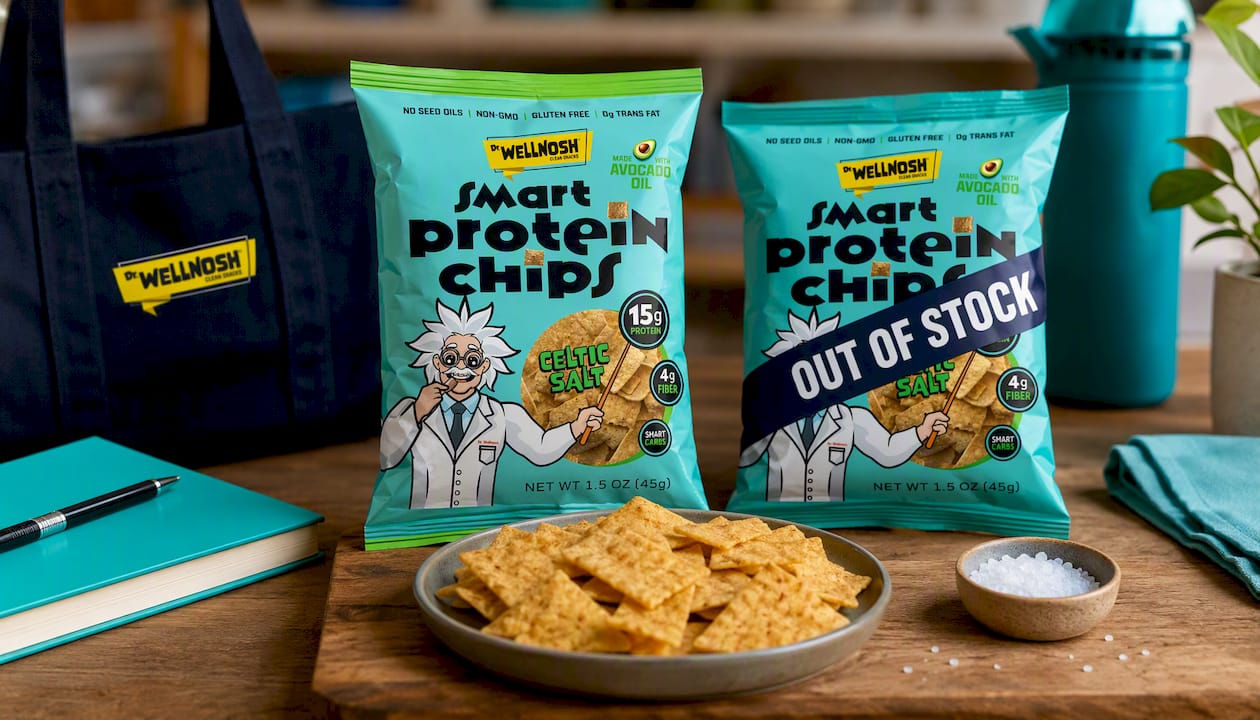
If you’re not sure Celtic Salt is your flavor yet, the Variety Pack lets you sample it alongside Nacho Cheese and Chipotle Barbecue without committing to a full case of one flavor. Cinnamon rounds out the lineup for anyone craving something sweeter. Every bag, regardless of flavor, carries the same baseline: 15 grams of fava bean protein, cooked in avocado oil, non-GMO, gluten free, and built without seed oils or added sugar. Check the product page for current stock, since popular flavors do sell through and restock on a rolling basis. Add a bag to your cart and see how a real protein snack is supposed to taste.
Key Takeaways
Celtic Salt Wellnosh chips work because they pair 15 grams of fava bean protein per bag with a mineral-forward finishing salt, delivering satiety and flavor that most plant-based snacks can’t match together.
| Point | Details |
|---|---|
| Protein and fiber drive fullness | Fava bean base supplies roughly 13g protein and 9g fiber per cup, supporting satiety and steadier blood sugar. |
| Processing reduces antinutrients | Fermentation cut tannins by about 18.5% and raised amino acids by 8.6% in studied fava bean processing. |
| Celtic Salt’s role is flavor, not minerals | Trace minerals exist but contribute negligible nutrition at snack-seasoning amounts; sodium counts toward your daily limit either way. |
| Diet compatibility is broad | Works for keto, low-carb, gluten-free, and plant-based eating without formulation exceptions. |
| Wellnosh Celtic Salt is the direct option | Available as a single bag or through Subscribe & Save, with the Variety Pack as a lower-commitment way to try it alongside other flavors. |
Sources
- Fava beans: Nutrition, benefits, and how to use them — Healthline
- Faba bean: An untapped source of quality plant proteins and bioactives — PMC


